Full Article
about San Sadurniño
Ocultar artículo Leer artículo completo
The stone cross at the entrance to San Sadurniño's main church has stood since 1789, its inscription worn smooth by Atlantic rain. That's the sort of timescale this village understands. While the Costa da Morte pulls coachloads westward, this scatter of parishes six kilometres inland moves to a quieter rhythm: tractors at dawn, bread vans on Tuesday mornings, and the slow greening of fields that happens whether anyone's watching or not.
What You're Actually Looking At
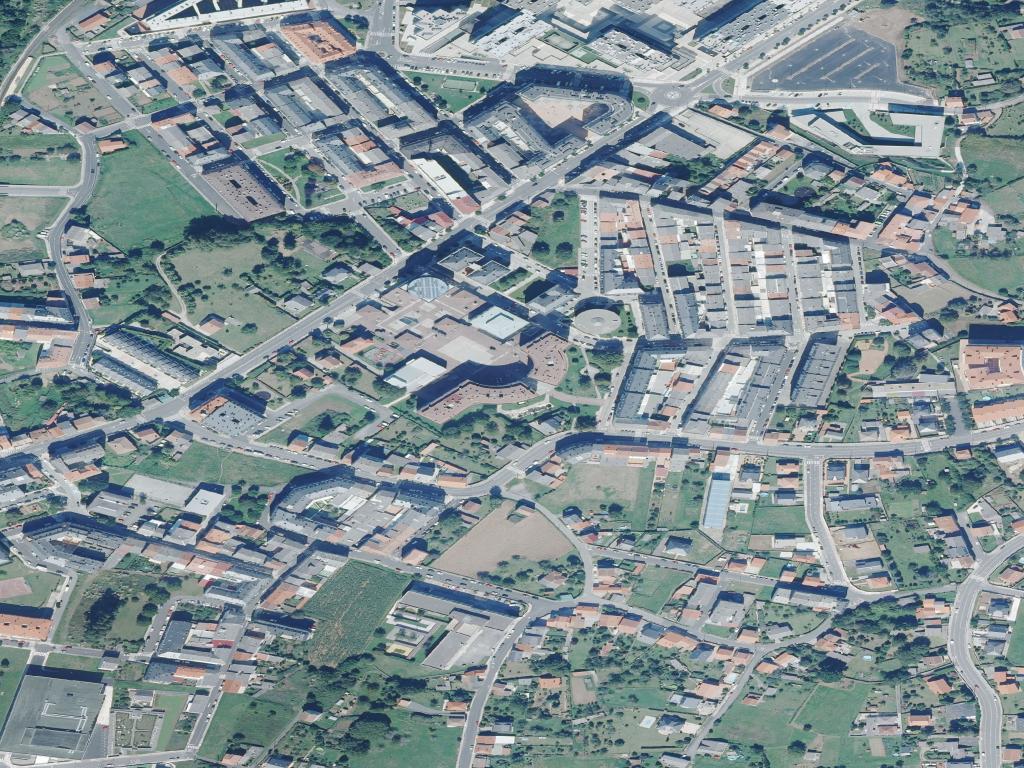
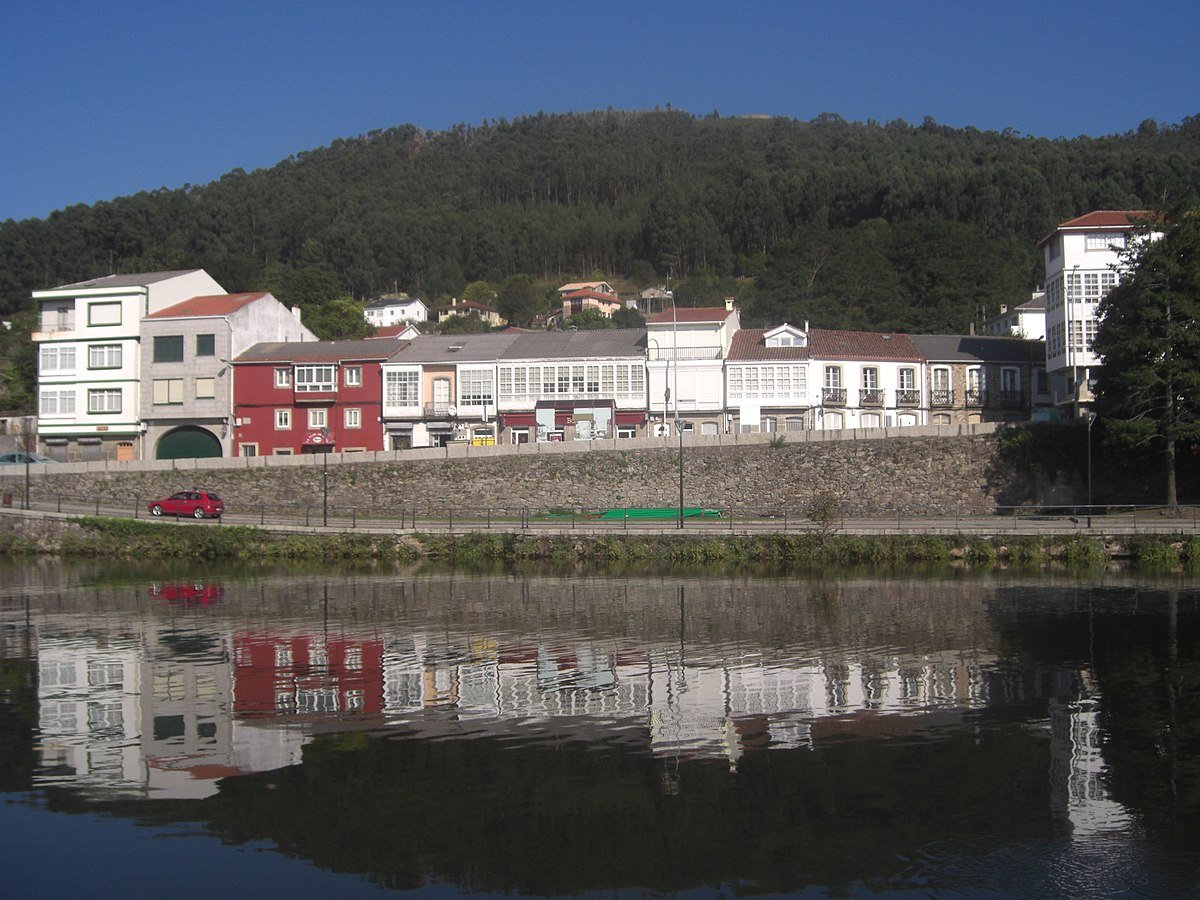
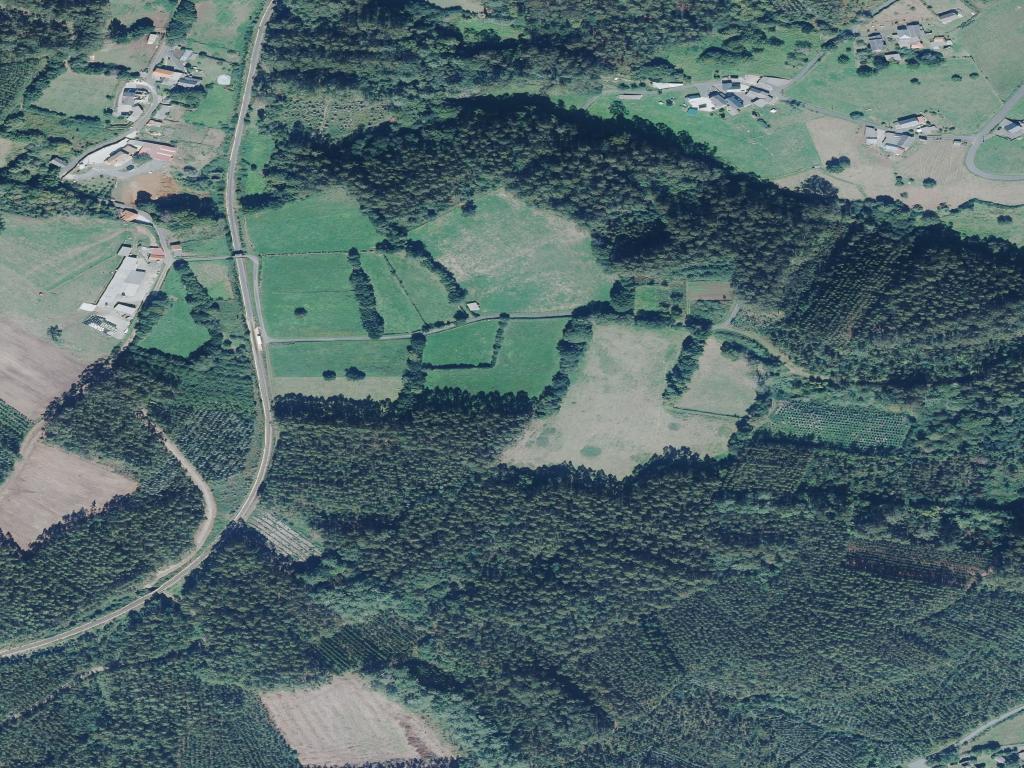
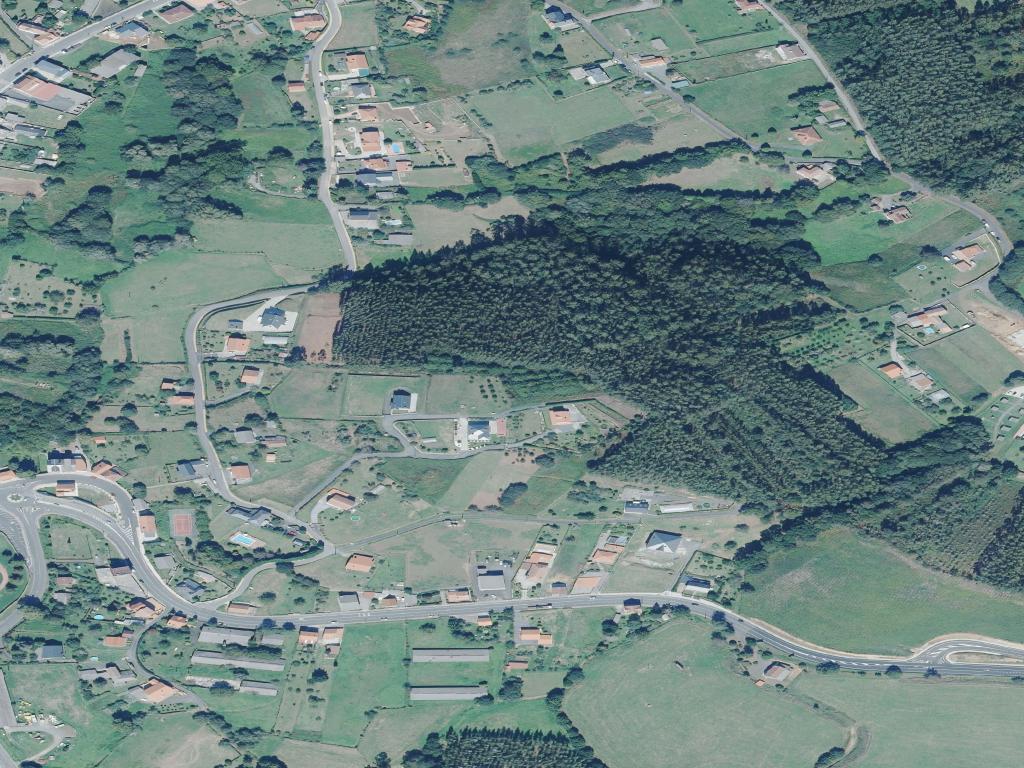
Forget the postcard Spain of orange trees and flamenco. This is dairy country, where stone granaries called hórreos stand on stilts above the damp earth and every lane seems to end at a small chapel locked against souvenir hunters. The municipality stretches across 32 square kilometres of rolling hills, but the administrative centre itself—half shop, half bar, plus a town hall the size of a suburban semi—takes five minutes to walk across. That isn't a criticism. San Sadurniño works because it refuses to perform.
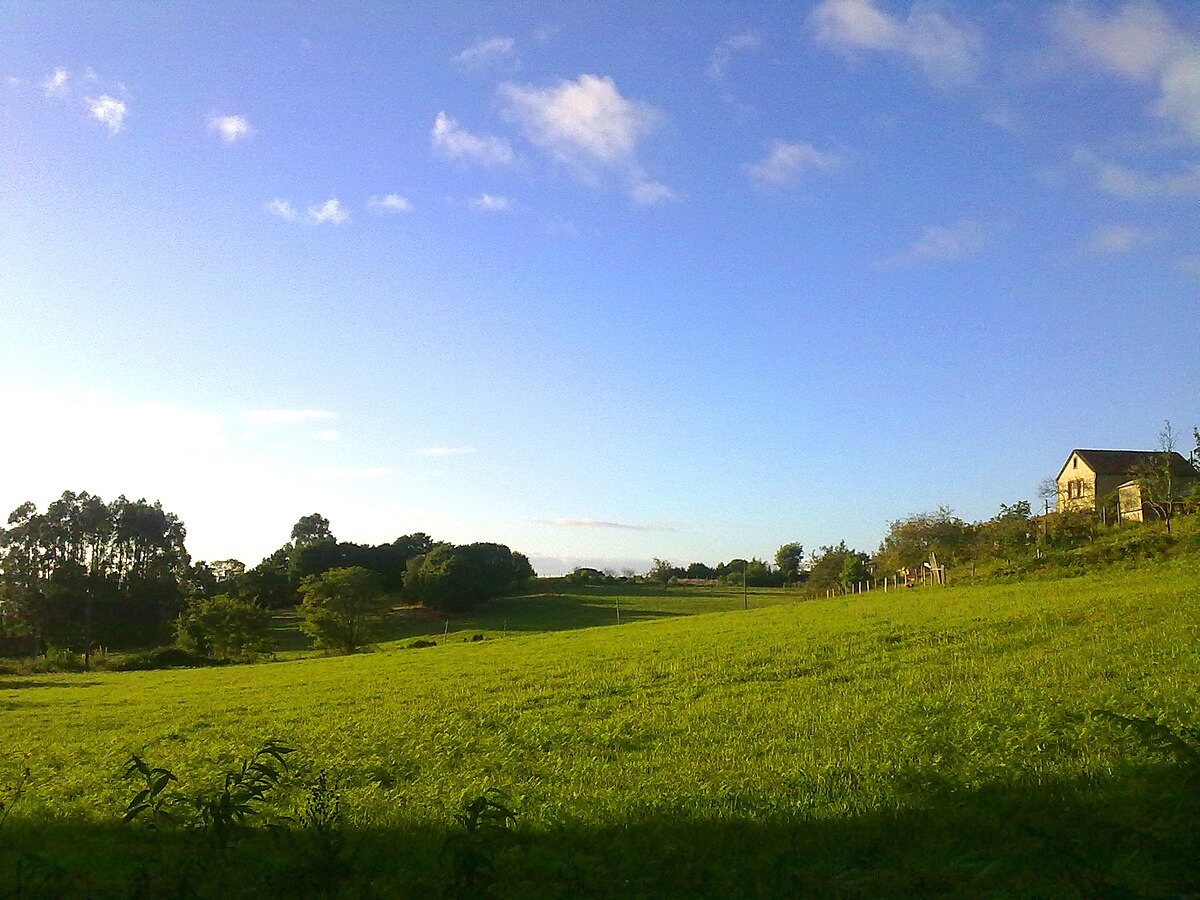
The landscape rewards the nose-down approach. Between the hamlets of Lamontor and Lamas, a public footpath follows an old drove road where moss-covered walls close in like a green tunnel. In April the verges are thick with wild garlic; by late September the bracken turns copper and the air smells of bruised apples. You might meet one other walker, more likely a farmer shifting cattle. There are no viewpoint signs, no entrance fees, just the gradual realisation that you've slipped into a working countryside rather than a heritage version of it.
Eating Without the Sea View
British visitors tend to assume Galician food equals pulpo and maritime theatrics. Inland, the menu shifts to meat, cabbage and calories designed for agricultural shifts. Parrillada Riboira, on the road towards Naraío, fires oak over an open hearth each morning. Lunch—there's no evening service—runs from 14:00 until the last churrasco rib is gone, usually about 16:30. Half a rack, chips and a glass of house red costs €11; they won't split bills and they don't take cards, so bring cash. Arrive before 14:00 on Sunday or you'll queue behind three generations of locals celebrating domingo with lacón con grelos, essentially ham hock and winter greens that tastes like a Cornish boil-up seasoned with smoked paprika.
Mesón a Granxa, five minutes south in Gándara, is more flexible with timings and has high chairs for anyone travelling with children. Their entrecôte is Galician blond beef, aged 21 days and served blue unless you specify otherwise. Chips come triple-cooked, thicker than British pub frites and dusted with coarse salt. Vegetarians can request pimientos de Padrón, the Russian-roulette peppers where one in ten lights up your mouth, but phone the day before—ingredients are bought daily and they don't stock tofu just in case.
When the Beach Beckons
San Sadurniño isn't coastal, yet the Atlantic keeps its thumb on the weather. Morning mist rolls three kilometres up the Río Xuvia, burning off by 11:00 in July but lingering all day in February. The upside is proximity: the nearest sand is at Valdoviño, fifteen minutes by car, where Praia de Frouxeira stretches four kilometres and allows dogs on the northern end year-round. Body-boarders favour the central section for its consistent break; the southern tip hides a 1920s stone sanatorium slowly being reclaimed by ivy. In high summer a chiringuito sells Estrella at €3 a caña, but October through March you'll have the dunes to yourself—pack a wind-break and expect horizontal rain.
Back inland, altitude tops out at 280 m so snow is rare, but night frosts can arrive as early as Bonfire Night. If you're renting a cottage, check whether heating is included; many holiday lets were built as summer escapes and rely on a single wood-burner that smokes back when the wind swings westerly.
Walking Without Waymarks
The council has started pinning yellow arrows to promote a circular 12-km route called Ruta do Castro, but signage disappears under bramble growth faster than the maintenance crew can replace it. More reliable is the old pilgrim path that once linked the church of San Sadurniño with Santiago, now reduced to a grassy lane between hedges. Start at the cemetery gate, follow the track past a ruined watermill, then bear left where the eucalyptus gives way to oak. After 40 minutes you'll reach a Roman milestone reused by 12th-century builders; nobody has added a gift shop. Return the same way or loop back along the tarmac—traffic is light but tractors take the bends wide.
If you'd rather someone else did the navigating, Galician Country Adventures (based in neighbouring Narón) offers half-day guided walks including transport and a tasting plate of local cheese for €35 pp. They need 24 hours' notice and prefer WhatsApp to email; signal is patchy in the valley so send your lodging address when you book.
Practicalities Someone Should Mention
Public transport exists on paper: Monbus service 153 from Ferrol on Tuesdays and Fridays, returning immediately after the driver has bought his newspaper. In reality you'll want a car. The A-8 hugs the coast ten minutes north; from the UK it's a 75-minute flight to A Coruña, then 55 minutes by hire car. Petrol stations close at 22:00 and all day Sunday—fill up on the autopista before you turn off. The village ATM is inside the pharmacy; it swallowed a British debit card last summer and the repair date is still "pending". Bring euros.
Mobile coverage follows a two-bar, three-bar pattern as you dip in and out of valleys. Download offline Google Maps or, better, use the free Galicia Rural app which marks public fountains and car parks that accept motorhomes (there are two, both with grey-water drains but no toilets). Rain can arrive in vertical sheets or fine drizzle that soaks through Goretex in 20 minutes; pack a jacket with a peaked hood and leave the beige suede trainers at home.
When to Bother
Spring brings ox-eye daisies to the field margins and temperatures that hover around 15 °C—think North Wales without the wind-chill. Local fiestas kick off the first weekend of May when each parish wheels its saint around on an ox cart, followed by empanada and cider in the church atrium. Autumn is quieter, the grass luminous after the summer dry spell, and mushroom hunters disappear into pine plantations with pocket knives and grandfather-approved spots. Summer works if you want both beach time and an evening barbecue back inland, but be aware the valley traps humidity; midges appear around still water so close windows at dusk. Winter is honest: low sun, wood smoke, and restaurants that will serve you cocido stew whether you ordered it or not.
Come for a night, perhaps two, sandwiched between coastal surf sessions or tacked onto a city break in A Coruña. San Sadurniño won't deliver bucket-list sights, but it will supply something British guidebooks rarely mention: countryside that functions without an audience, food priced for locals, and the small revelation that rural Galicia looks after itself just fine. If that sounds like enough, bring walking boots and a sense of chronological humility—stone crosses have been waiting here since long before cheap flights began.