Full Article
about Camariñas
Ocultar artículo Leer artículo completo
The first thing you notice is the sound. Not gulls, not waves, but the steady clack-clack of bone bobbins colliding as a woman on the harbour bench twists thread into lace. In Camariñas, the click of palillos is as much a part of the soundtrack as the diesel growl of fishing boats edging into the narrow inlet. Both noises stop when the wind swings north-east; then the boats stay tied and the lace workers pull shawls over their shoulders and work faster.
A working port, not a postcard
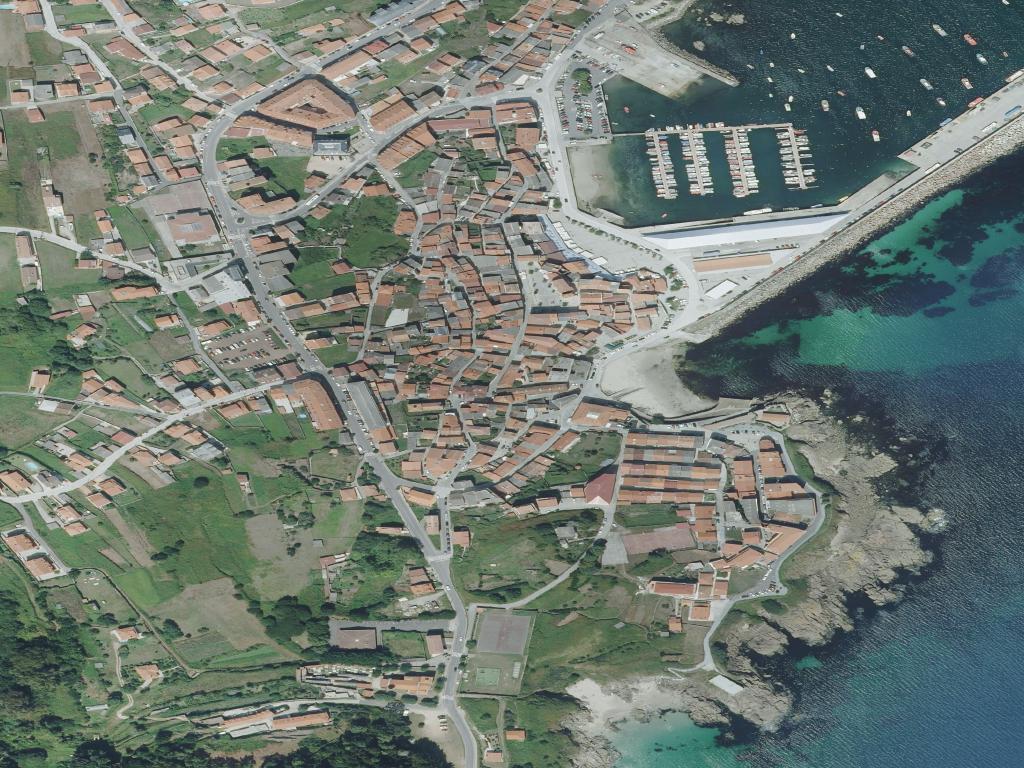
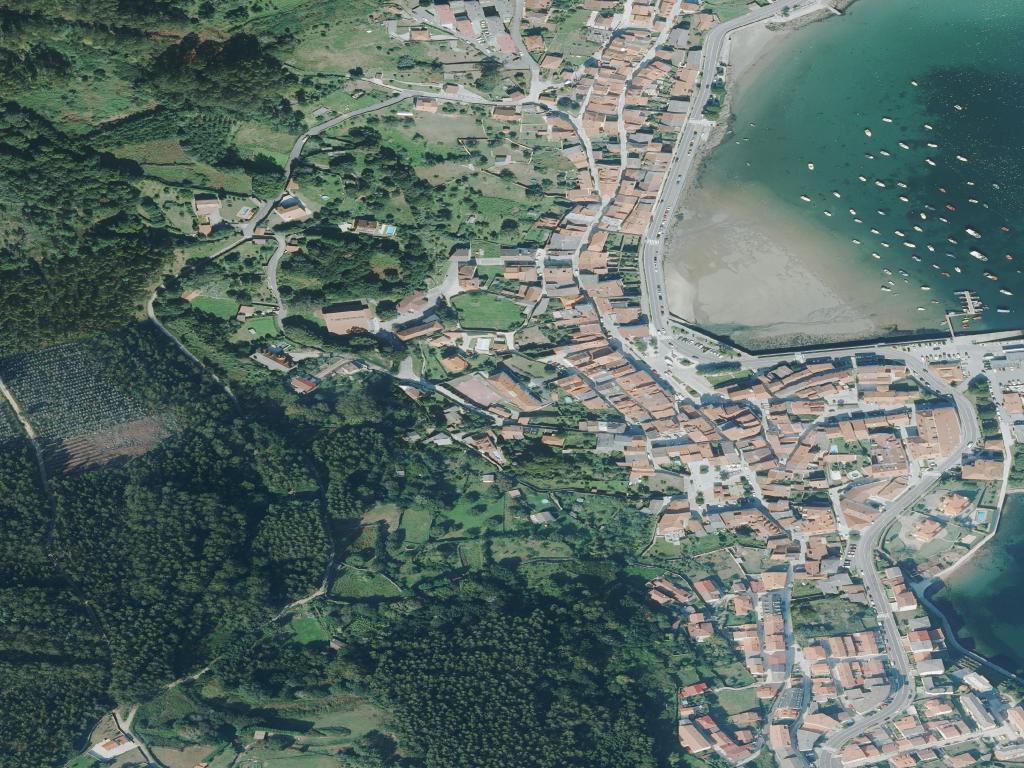
Five thousand people live here, spread along the inner edge of the Ría de Camariñas where the land frays into the Costa da Morte. The streets run downhill for exactly four minutes before they hit water. Houses are painted in the region’s particular palette—ochre, ox-blood, faded teal—colours chosen originally so returning fishermen could pick out their own roofs through Atlantic fog. That fog still arrives without warning, erasing the beach car park and leaving only the smell of diesel and seaweed to guide you back to the quay.
Morning is the optimum time to watch the port earn its keep. By 08:30 the vivereiros—scallop divers—are heaving mesh bags of live shells onto the concrete. Boxes of velvet crab slide past on battered rollers while the auctioneer rattles prices in Galician so fast even Spanish visitors look lost. Nobody minds a spectator, but stand back from the yellow crane swing and don’t block the forklift that’s missing both mirrors.
If you need breakfast, the bars on Rúa Real open at seven. Order a café con leche and a bocadillo de calamares while the fishermen are still on their second anis. The sandwich will be half the price of Santiago’s and the squid was probably swimming the previous afternoon.
Lace that outlives its makers
Camariñas lace has no saints or cherubs—just geometry made visible. Walk into the small interpretation centre next to the church (free, opens 10:30, closed Monday) and you’ll find 200-year-old collars the colour of weak tea that still hold their starched shape. The woman on duty is almost certainly a palilleira herself; ask how many pairs of bobbins she uses for a standard collar and she’ll answer “thirty-eight” without looking up from the pillow on her lap. Each pillow is stuffed with washed-out clothing—an old sailor’s vest, a child’s school apron—so nothing is wasted.
Buying a piece is straightforward if you remember three rules. First, if it’s cheap enough to be an afterthought, it was made elsewhere. Second, black thread indicates mourning lace once reserved for widows; today it sells slowly, so the price drops. Third, ask for “encaje de bolillos de Camariñas” not simply “encaje”—EU protection means the real thing carries a numbered label. Expect to pay €40–€80 for a modest table runner, more if the pattern includes the local rosa de Camariñas motif.
Beaches you can still lose
The village sits on the inside lip of the estuary, so the Atlantic has to curve around a fist-shaped headland before it reaches the main beach, Area da Vila. That curve knocks the energy out of the swell and produces a broad sweep of pale sand that, even on the first Sunday of August, holds fewer umbrellas than a single Brighton stripe. At high tide the beach shrinks to a 10-metre ribbon; at half tide rock pools appear, warm as bath water and full of shrimp you can scoop with a child's seaside net.
Smaller coves lie west. Follow the sign for “Arieta” along a single-track lane that feels like somebody’s driveway; it probably is. Park where the tarmac dimples, then walk five minutes through gorse. The reward is a half-moon of coarse sand backed by a stone slipway where one family still hauls their boat on wooden rollers. No lifeguard, no loo, no ice-cream van—just a honesty box selling cans of pop at €1.50. Mobile signal dies halfway down the path, so download your podcast before you leave the car.
Cape Vilán: where the brochure ends
Three kilometres out, the road climbs through bracken and suddenly you’re on a plateau of heather and granite that feels more Outer Hebrides than Iberia. The lighthouse keeper’s cottage is now unmanned; the beacon itself flashes every ten seconds and has done since 1896, the year the British-built HMS Serpent went down on the rocks below. The English Cemetery—really just a low stone rectangle enclosing 24 graves—lies five minutes’ walk south. No gift shop, no audio guide, only the wind rearranging the gorse flowers.
The paved approach makes the cape look accessible, but step beyond the barrier and the granite is polished to ice by 125 years of salt. Trainers suffice in dry weather; after rain the rock turns treacherous and the coastguard log lists regular ankle casualties. If the wind is Force 6 or above (check the AEMET app the night before) the Xunta closes the final 200 metres. Locals ignore the tape; visitors shouldn’t.
Walkers tackling the 8 km stretch of the Camiño dos Faros towards Camelle should carry water—there’s none after the lighthouse café shuts at 18:00—and a lightweight jacket. The path hugs cliff tops then drops to sea level repeatedly; 250 m of ascent feels like more when a 30-knot gust is trying to shove you into the drink. Allow three hours including photo stops, longer if the gorse is flowering and you’re addicted to panoramas.
What lands on the plate
Restaurants cluster within two blocks of the harbour, which means the daily specials depend on whatever the Santa Beatriz or Villa de Muxía unloads at dawn. Grilled zamburiñas (small scallops) arrive six halves to a plate, bronzed by charcoal and served with nothing more than lemon and a drizzle of local olive oil. They taste sweet, almost nutty—closer to Jersey queen scallop than the larger king version Brits recognise. A portion costs €12–€14; bread and alioli are extra and you’ll be charged for them even if you didn’t ask.
Monday is the quiet day. Two kitchens close outright, the rest stop serving at 15:30 and don’t reopen. Outside July and August last orders are 21:30 sharp; the waiter will remind you at 21:15 while clearing your neighbour’s chairs. Wine by the glass is usually Albariño from the Rías Baixas cooperative—clean, floral, less sharp than Vinho Verde across the border—and costs €3.50, a pound less than in Santiago’s pricier squares.
For dessert, tarta de Camariñas is a lemon-scented almond sponge that local grandmothers bake for feast days. It keeps for days, so cafés will sell you a slice to take away wrapped in foil—handy if you’re catching the early bus.
Getting stuck, and getting out
There is no cash machine in the village centre. The nearest ATM stands outside a petrol station 8 km away in Vimianzo, and the bus back only runs Monday to Saturday. Bring euros. Cards are accepted in hotels, but the Saturday market stall selling lace handkerchiefs is cash only.
ALSA runs two daily buses from A Coruña airport, timed (just) to meet the morning Ryanair arrival from London Stansted. The journey takes 1 hr 50 min and costs €11. A taxi for the same route is €90, so missed connections hurt. Car hire is the safer fallback: the final 35 km twist along the AC-430 and AC-432, roads narrow enough that encountering a cattle lorry feels like a duel. In August the council opens an overspill car park north of the football pitch; ignore it and you’ll spend 40 minutes circling streets designed for donkeys.
Sunday departures are the cruellest. No buses run at all; the single taxi operates on a first-come basis and is usually booked by 10 a.m. for hospital runs to Cee. Plan accordingly.
When to bother, and when not
May and late-September give you the best odds: warm enough for sandals, quiet enough to secure a parking space, and the zamburiñas are in season. October brings dramatic surf the colour of pewter but also horizontal rain that finds every zip. Winter is for lace enthusiasts and storm chasers; several hotels simply shut between November and March.
Come if you want to see a place whose economy still depends on what is caught, not what is Instagrammed. Don’t come expecting nightlife beyond the harbour-side bar that screens Depor matches at full volume. Camariñas offers Atlantic weather, working boats, and women who can turn a handful of linen thread into something that lasts centuries. Take it or leave it—the Atlantic, like the lace, won’t change to fit your holiday schedule.