Full Article
about Cee
Ocultar artículo Leer artículo completo
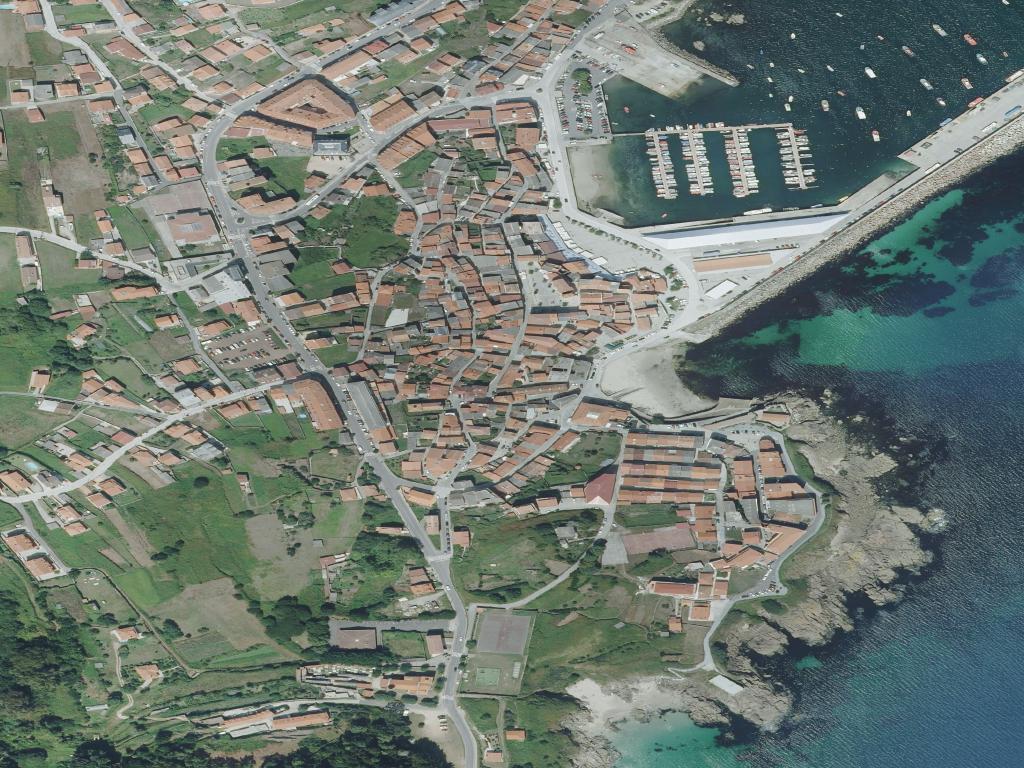
The fishing boats in Cee's harbour don't pose for photographs. At dawn, they're unloading spider crabs while gulls wheel overhead, and by mid-morning the decks are being hosed down with the same matter-of-fact efficiency that's defined this working port for centuries. It's this refusal to perform for visitors that makes the town unexpectedly compelling.
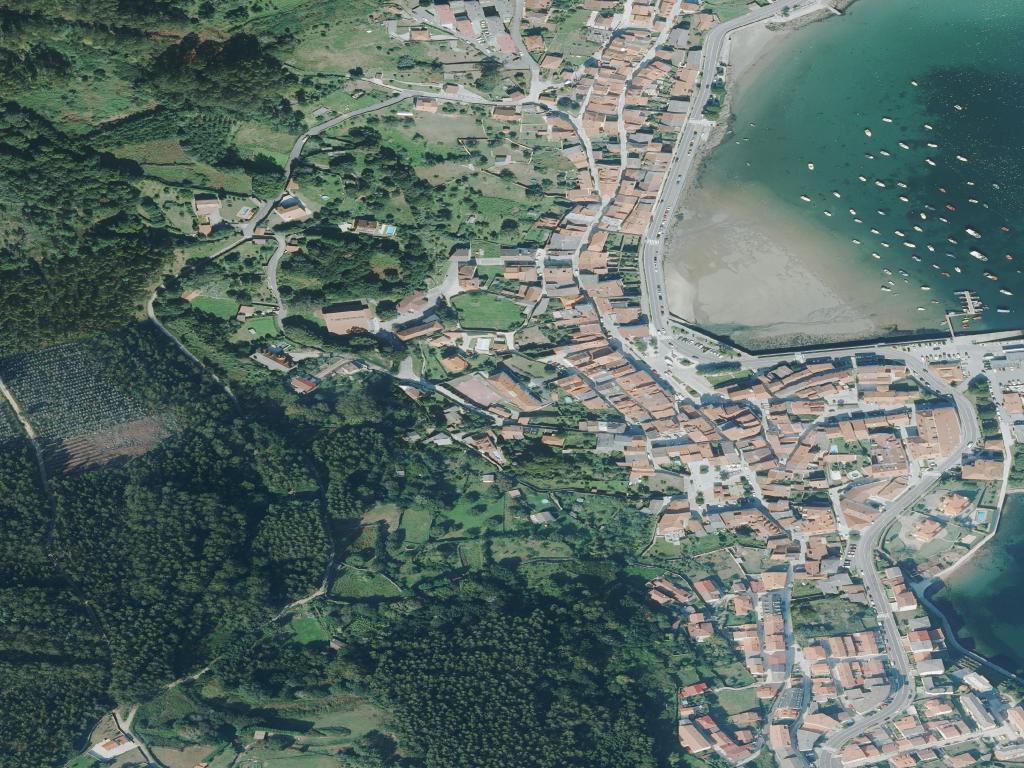
Cee sits where the Ría de Corcubión narrows, creating a natural shelter that persuaded fishermen to settle long before tourism reached Spain's northwest corner. Today, 5,000 people live here year-round, and the town functions as the Costa da Morte's service centre rather than its beauty spot. That means supermarkets, banks, and a bus station where pilgrims heading to Fisterra jostle with locals doing the weekly shop.
The Ría Rules Everything
The relationship with the sea here is practical, not romantic. Walk the paseo marítimo at different tides and you'll understand why. High water laps against the promenade walls, transforming the harbour into a mirror that reflects the town'sfunctional apartment blocks. Low tide exposes mudflats where herons stalk between abandoned rowing boats, and the whole landscape seems to exhale.
A fifteen-minute stroll along the waterfront path leads to Corcubión, Cee's smaller neighbour across the inlet. Early risers swear by this walk at sunrise when the Atlantic glows copper and fishing boats ghost past on their way out to sea. The return journey is better timed for sunset, though in Galicia that could mean watching storm clouds roll in rather than any Instagram-worthy spectacle.
The town's own beach, A Concha, curves around the inner edge of the ría. It's convenient rather than spectacular – a five-minute walk from the centre, with a café overlooking the sand and usually calm water that's perfect for families. What it lacks in wilderness appeal it gains in accessibility, though summer weekends can feel cramped when half the province descends for Sunday lunch.
Life Between Church and Harbour
Santa María de Xunqueira dominates the compact centre, its stone walls showing centuries of modifications like geological layers. Inside, the baroque altarpieces gleam with the polish of regular use rather than museum-grade restoration. The church keeps ecclesiastical hours rather than tourist ones – if the doors are locked, try again after the evening mass.
The weekly market spreads across Plaza de España every Saturday morning. Stallholders shout prices in Galician while displaying produce that explains why Spanish chefs rave about this region: padrón peppers still covered in morning dew, razor clams packed in seaweed, and cheese that smells distinctly of the mountain pastures visible inland.
Between market days, the town's commercial strip runs along Avenida da Coruña. Here, estate agents sit alongside shops selling everything from fishing tackle to communion dresses. It's ordinary, everyday Spain, which makes a refreshing change from the heritage villages where locals feel like supporting actors in someone else's holiday photos.
When the Mountain Calls
Monte Pindo rises dramatically seven kilometres inland, its granite peaks visible from most of Cee's streets. This isn't a gentle hill walk – it's proper mountain terrain that requires proper hiking boots and a full day's commitment. The most popular route starts at the village of O Ézaro, itself worth visiting for the only river in Europe that reaches the sea via a waterfall.
Local guides recommend the hike to Pedra da Moa, a three-hour round trip that rewards walkers with views stretching from the Rías Baixas to Cape Finisterre. The path climbs through gorse and heather, past abandoned stone huts where charcoal burners once lived. Weather changes fast here – what starts as a clear day can transform into horizontal rain within an hour, hence the mountain's nickname of "Celtic Olympus."
Winter brings different challenges. While Cee itself rarely sees snow, the mountain roads can ice over, making the drive to Santiago feel treacherous. Summer, conversely, brings crowds but also the best weather for coastal walks. Spring and autumn emerge as the sweet spots, with mild temperatures and fewer tour buses blocking the narrow harbour access road.
Eating With the Tide
Food in Cee follows the fishing calendar rather than tourist demand. Visit in February and every menu features percebes (goose barnacles), those prehistoric-looking crustaceans that grow on wave-battered rocks. October brings centollo (spider crab), served simply with bread for mopping up the rich, briny juices. The rest of the year, it's whatever the boats landed that morning.
Mesón O Club, tucked behind the harbour, specialises in grilled fish without fancy presentation. Order the lubina (sea bass) and it arrives as nature intended – whole, with salt, lemon, and not much else. For nervous British palates, Bar As Baleas does excellent thin-crust pizzas alongside more adventurous local options. Their tuna empanada makes perfect picnic fodder for the walk to Corcubión.
Vegetarians face limited choices. Most restaurants treat non-meat eaters as a puzzling dietary requirement rather than a lifestyle choice. The saving grace is Pulpería A Solaina, where the octopus is so tender it converts even the squeamish, and the padron peppers provide a green vegetable fix that's become surprisingly familiar to British visitors.
The Practical Reality
Cee works brilliantly as a base for exploring the Costa da Morte, but it's not without frustrations. The town's role as regional transport hub means traffic can clog the main drag, particularly when the Saturday market reduces Avenida da Coruña to single file. Parking by the marina is free but fills early with day-trippers heading to Fisterra.
Buses connect to Santiago (1 hour 45 minutes) and Fisterra (30 minutes) but services reduce dramatically on Sundays. The small station opposite Café-Bar Ceefis looks permanently closed – buy tickets on board and have exact change ready. No ride-sharing apps operate this far west, so missed connections mean expensive taxi rides.
Accommodation ranges from functional pilgrim hostels to the surprisingly comfortable Hotel Cristal, where harbour-view rooms cost around €70 in shoulder season. Book ahead during summer – Cee's albergues fill by early afternoon with walkers completing the Camino extension to the coast. The municipal tourist office keeps eccentric hours, but the staff at Café-Bar Ceefis know more about local transport than any official source.
Worth the Stop, Not the Detour
Cee rewards visitors who adjust expectations. Don't come seeking cobbled lanes and flower-filled balconies – come understanding that this is where Galicians actually live, work, and argue about football. The pleasure lies in observing daily life unfold against an Atlantic backdrop: fishermen mending nets while discussing Brexit's impact on quotas, grandmothers gossiping in Galician outside the bread shop, pilgrims realising they've reached the coast but still need clean clothes.
Stay for lunch, walk the promenade, and climb to San Roque for the view that explains why ancient mariners considered this coastline sacred. Then drive on to Fisterra's wilder beaches or Muxía's mystical stones, knowing you've seen the Costa da Morte's beating heart rather than just its pretty face.