Full Article
about Corcubión
Hide article Read full article
A small town that slows you down
You know those places you expect to see in half an hour, only to find yourself lingering longer than planned because the atmosphere keeps you there? Corcubión has a touch of that.
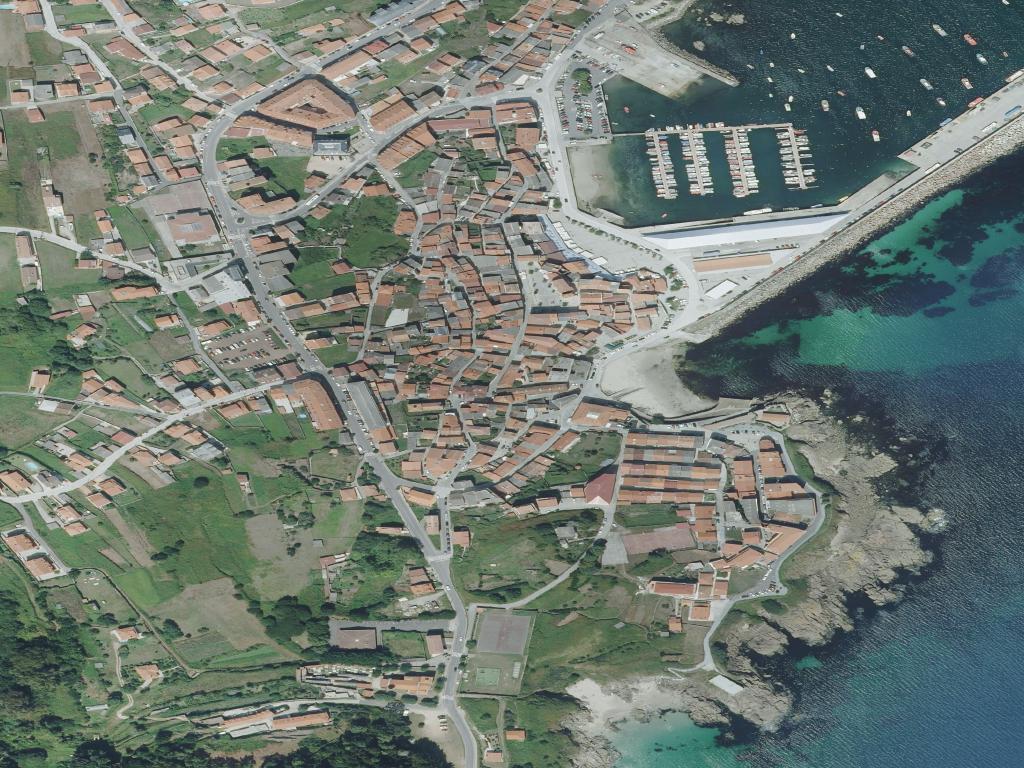
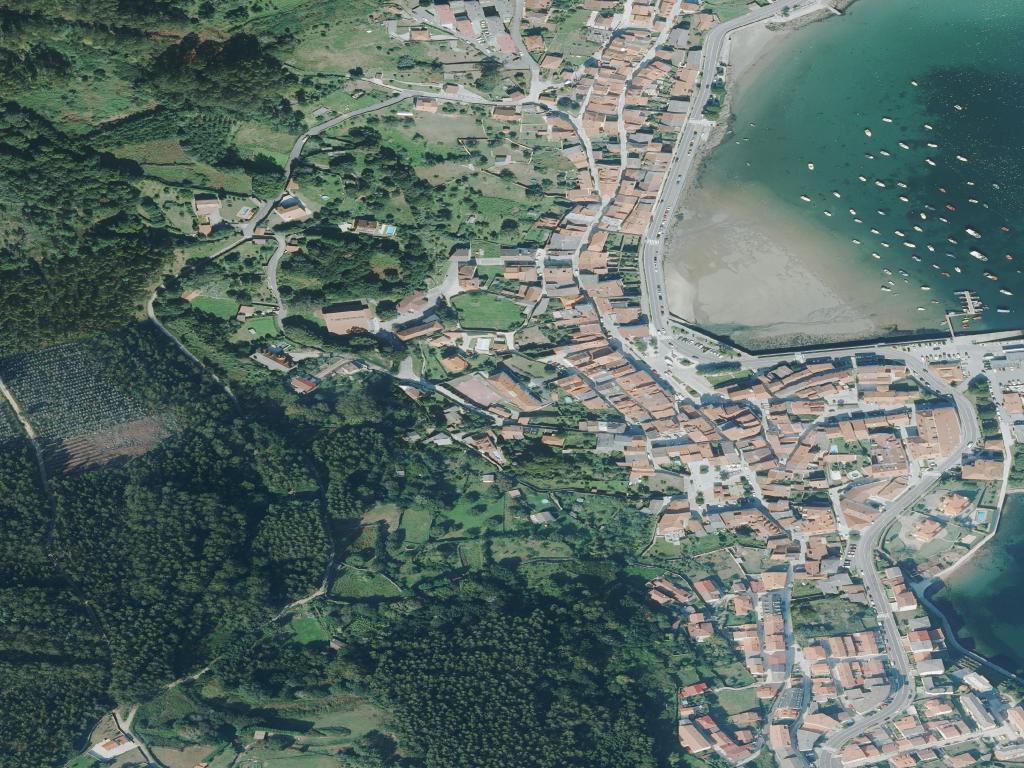
It sits right next to Cee, on Galicia’s Costa da Morte, the stretch of Atlantic coastline in north-west Spain known for its wild scenery and maritime history. At first glance, Corcubión looks like just another Atlantic fishing town. White and stone houses, a small harbour, boats moving in and out. Then you start walking and realise there is more history here than first meets the eye.
Corcubión has around 1,600 inhabitants and one of the best-preserved historic centres along this part of the coast. It does not feel staged or turned into an open-air museum. This is a living town. Cars pass through. Someone leans out of a window to hang washing while you are admiring an 18th-century house. That mix of ordinary daily life among old stone buildings is part of its appeal.
There is also the ría, the estuary that shapes this coastline. It is not a dramatic seafront and does not try to be. Instead, it works as a backdrop: small boats moving slowly across the water, the outline of Monte Pindo on the opposite side, and people sitting quietly watching the afternoon drift by.
Wandering the historic centre
Corcubión’s old town is compact, so the best approach is to forget any strict plan and just walk. Within minutes you start to spot the pattern: stone houses, coats of arms carved into some façades, narrow balconies and streets that rise and fall with the slightly chaotic logic typical of old fishing settlements.
The Iglesia de San Marcos stands in the centre and helps you get your bearings. Around it are several manor houses that hint at Corcubión’s past commercial activity centuries ago. There is no need to know the detailed history of each building. It is enough to look up at the façades and notice the stone shields above the doorways, small reminders of families who once had influence here.
After exploring the lanes, the walk along the ría offers a change of pace. It is not long, but it is welcome after wandering uphill and down. There are often fishermen sorting out gear in the harbour and local residents taking a short stroll before heading home.
Just outside the town lies Praia de Quenxe. It is small and fairly sheltered. On many days, there are more locals than visitors on the sand, which gives it a distinctly neighbourhood feel rather than that of a tourist beach.
For a broader view, the Miradoiro da Cruz sits above the town. From there, you can better understand how the ría opens out and how closely Corcubión and Cee sit side by side, almost touching. The perspective helps make sense of the layout below, the curve of the shoreline and the relationship between town and water.
How long to spend in Corcubión
Corcubión is not somewhere to pack with a full day of activities, and there is nothing wrong with saying so. The historic centre can be covered quickly.
That said, it works very well if approached without rush. Allowing a generous hour or two to wander the old streets and sit for a while by the ría feels about right. Two unhurried hours are enough to see the town calmly, without the sense of ticking anything off a list.
Many people visit Corcubión as a stop along a wider route through the Costa da Morte. It is very close to Finisterre, Monte Pindo and several open Atlantic beaches. As part of a day moving between places, it fits naturally into the journey. You can pause here, stretch your legs, and then continue along the coast.
The rhythm of everyday life
One of Corcubión’s defining traits is that it does not try to draw attention to itself. In this area there are places with far greater fame, and that shows here in the pace of life. The atmosphere is calm and largely local.
In the late afternoon, people tend to walk along the harbour or sit facing the ría. Nothing in particular happens, and that is precisely the point. It is the sort of place where you stay five minutes longer than intended simply because it feels comfortable.
When it rains, which in Galicia is not unusual, the town changes character. The wet stone darkens the streets and everything becomes quieter. It is not ideal weather for long walks, but if the showers break and a few clear spells appear, there is a certain appeal to seeing the old houses glistening under a grey sky.
The contrast between lively summer light and subdued rainy afternoons adds another layer to the experience. Corcubión does not transform into something else; it simply shifts tone.
A simple way to experience it
A straightforward plan works best here: arrive in mid-afternoon, wander through the historic centre without a map, head down to the harbour and end up looking out over the ría as the light begins to fade.
There is no need for much more. Corcubión suits an unhurried visit and resists being overcomplicated. It is a small fishing town that continues at its own pace while, just beyond it, the better-known landmarks of the Costa da Morte draw most of the attention.
That balance is part of its character. Corcubión does not compete. It simply carries on, with stone houses, quiet streets and the steady presence of the sea shaping the background to everyday life.