Full Article
about Muxía
Hide article Read full article
Where the Land Meets the Open Atlantic
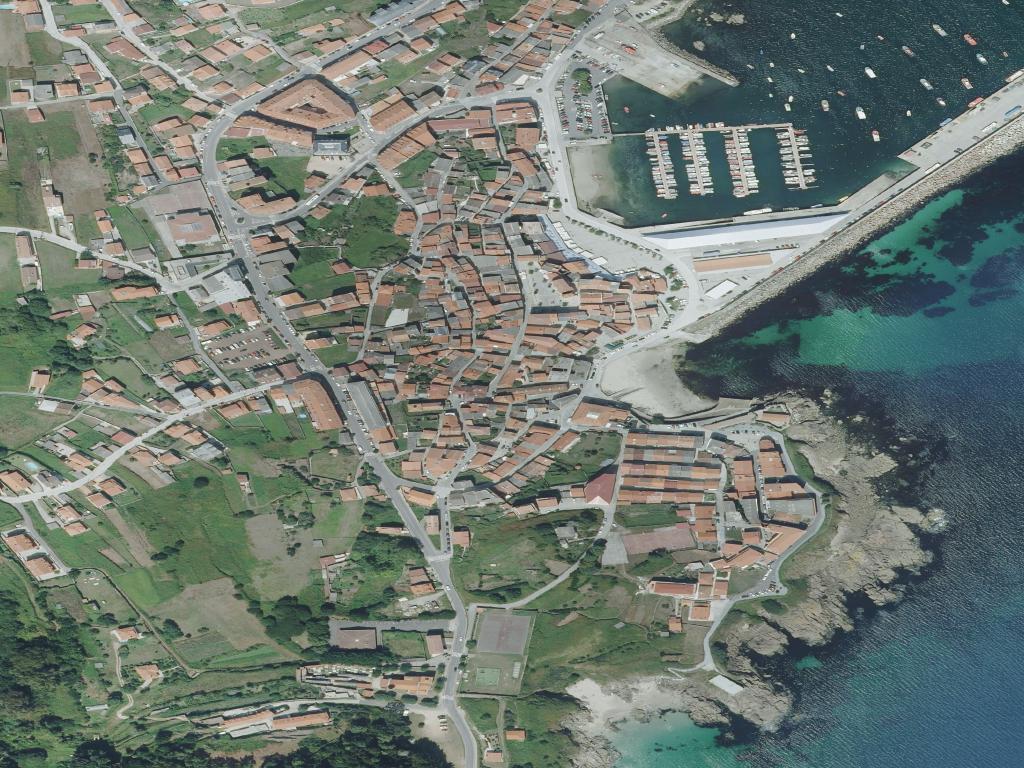
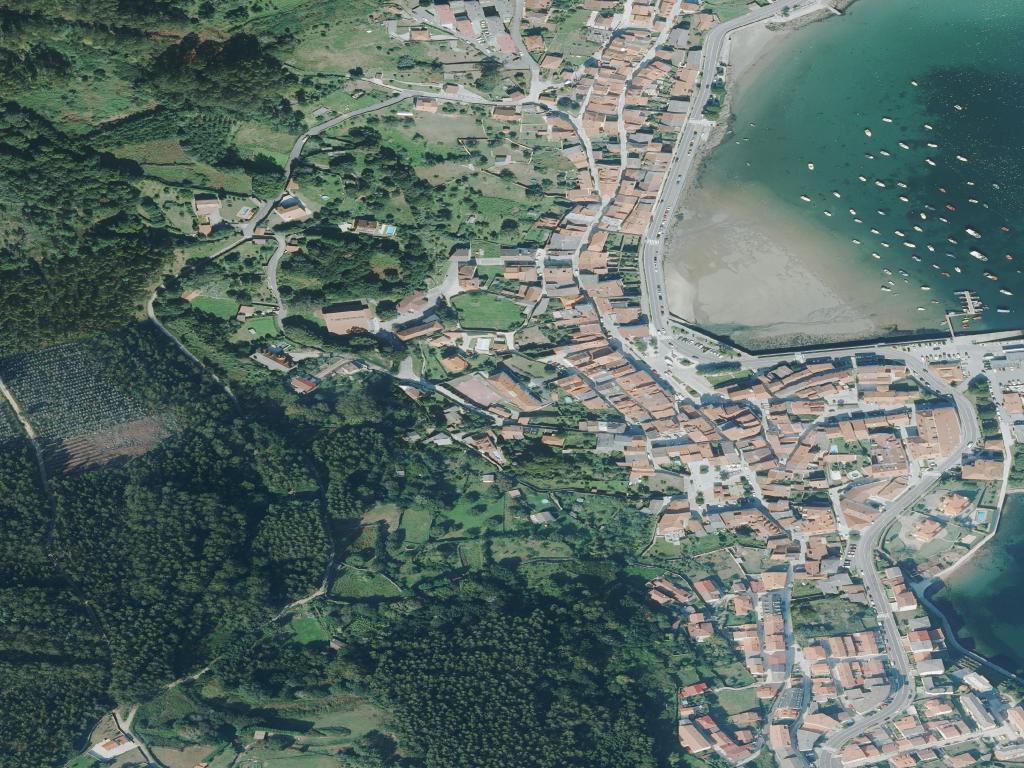
Tourism in Muxía makes most sense when you start with a map. The town sits on a rocky promontory along the coast of the comarca of Fisterra, in the heart of the Costa da Morte, where the Atlantic arrives with nothing to soften it. Houses cluster around the harbour and climb slightly up the slope, partly sheltered by the shape of the ría.
For many walkers, this is the end of the Camino de Santiago, at least for those who continue beyond Santiago towards Fisterra and Muxía. Yet daily life here has always been shaped more by the sea than by pilgrims. Time is measured in tides, and distances, even now, in nautical miles.
Geography Sets the Rules
Muxía owes its layout to the mouth of the Río Grande and to a coastline that shifts between wide sandy stretches and heavily battered rock. The municipality includes several kilometres of shoreline, with beaches such as Lourido and Nemiña, as well as cliffs where cormorants are a common sight.
At the far end by the sanctuary stands the Pedra de Abalar, a large granite slab that can rock slightly if pushed in the right spot. For centuries it was credited with near miraculous qualities. The explanation is more straightforward: erosion has shaped the granite and it rests on an uneven base. Formations like this are not unusual along the Galician coast, where wind and salt have been at work for generations.
The municipality is divided into several fairly scattered parishes. Muxía itself occupies the headland overlooking the harbour. Moraime preserves one of the oldest historic ensembles in the area. Nemiña opens onto the ría of the same name, where the Río Castro flows into the sea. This scattered settlement pattern explains the number of small churches dotted across the territory. When travel depended on dirt tracks or a boat crossing, each community needed its own place of worship.
The Sanctuary and Its Stones
The Santuario da Virxe da Barca stands almost directly on the rocks, facing the ocean. According to tradition, the Virgin Mary arrived here in a stone boat to encourage the apostle Saint James in his preaching. From that legend come the great stones scattered around the sanctuary, including the Pedra de Cadrís. It is still common to see people lying on it, seeking relief from back or kidney pain.
The current building suffered a serious fire in 2013 after lightning struck during a storm. Reconstruction largely respected the sanctuary’s outward appearance, closely tied to the romería held each September. A romería is a traditional religious pilgrimage and festival, often blending devotion with community celebration. For generations, local fishermen came here to leave offerings after storms or shipwrecks, acts of gratitude or remembrance shaped by the risks of their trade.
Around three kilometres away stands the former monastery of San Xiao de Moraime. Its church retains a Romanesque doorway featuring Christ in Majesty surrounded by the symbols of the evangelists. Inside, later alterations changed the original layout, something common in rural Galician churches. In the Middle Ages, the monastery played an important role in organising the surrounding territory, as religious communities managed land, routes and cultivation along this stretch of coast.
When the Sea Sets the Calendar
The romería of the Virxe da Barca is the best known celebration in Muxía and usually takes place in early September. During those days, residents from across the comarca gather alongside pilgrims who have continued the Camino to reach this point. Activity centres on the sanctuary and the harbour, where religious observance and social life overlap.
Summer also brings open air meals built around sardines, closely linked to local fishing traditions. It is common to see makeshift grills near the beach and long tables where families and groups of friends sit together. These are village occasions, organised more with local people in mind than visitors.
Entroido, the Galician Carnival, has a more domestic feel here. There are comparsas, or costume groups, fancy dress and shared snacks in community halls or private homes. It is a celebration that stays close to everyday life rather than turning into a large public spectacle.
Between Lighthouses and Cliffs
Muxía lies on the route of the Ruta dos Faros, a long distance coastal path that traces much of the Costa da Morte along clifftop and shoreline trails. The section towards Nemiña crosses dune systems, small valleys and cliffs where the Atlantic crashes hard in winter. The sea is never far from view, and its presence defines the experience.
Very close to the sanctuary stands A Ferida, a steel sculpture installed after the Prestige oil tanker disaster as a reminder of what happened along these shores. The piece faces directly onto the open sea, its position making the link between landscape and memory unavoidable.
To the south lies Cabo Touriñán, reached by road from Muxía. It is often described as the westernmost point of the Iberian Peninsula. For part of the year, it is also one of the places where the sun sets latest on mainland Spain. The current lighthouse is relatively recent and continues to function as a navigational reference, maintaining the long relationship between this coastline and maritime travel.
Getting There and Getting Around
Muxía does not have a railway station. Most people arrive by road from Cee or from the area around Camariñas. There are also buses connecting the town with Santiago de Compostela, although services are more limited outside the summer months.
The town centre can easily be explored on foot. The harbour, the sanctuary and the main streets are close together, and distances are short. Beyond the town itself, reaching beaches, parishes or Cabo Touriñán generally requires travelling by car, reflecting the dispersed nature of the municipality.
In Muxía, geography, belief and the sea remain closely intertwined. Pilgrims arrive on foot, fishermen measure the day by the tide, and visitors follow paths between lighthouse beams and granite outcrops. The Atlantic sets the tone, as it always has, and the town adjusts to its rhythm.