Full Article
about Castroverde
Hide article Read full article
A hill, a tower, and the shape of the land
The castle appears suddenly as the road opens onto the valley. There is no sign and little warning: a square tower of dark stone, now without a roof, standing over the meeting point of the rivers Azúmara and Tórdea. The setting explains itself at a glance. From this hill, it is easy to see why the place once mattered. The view controls the natural route towards Lugo and the way into the Miño basin.
For many visitors, tourism in Castroverde begins here because the landscape tells the story before any monument does. The name itself, recorded in early medieval documents in Latinised forms, points to a “green valley”. The description still fits. The terrain opens gently westwards, with damp meadows, small fertile flats, and soft relief rather than abrupt hills.
The Lemos domain and a tower that still defines the skyline
What survives of the fortress is usually dated to the 14th century and linked to the powerful house of Lemos, which controlled much of this territory for generations. The structure is no longer a complete castle. Only the keep and fragments of the enclosure remain, yet the outline is enough to grasp its defensive purpose. Thick walls, very few openings, and a commanding position over the surrounding routes speak more of resistance than display.
Ownership of the site is divided among many heirs. The local council has shown interest in acquiring it for years, although no full resolution has been reached. In the meantime, the exterior is generally accessible, and it is possible to walk around the tower without difficulty.
Above the doorway, a heavily worn relief draws attention. Local interpretations vary. Some see a bagpiper, others a warrior playing the gaita while holding a weapon. There is no clear agreement, and the erosion makes certainty unlikely. It remains the only decorative feature on a building designed first and foremost for defence.
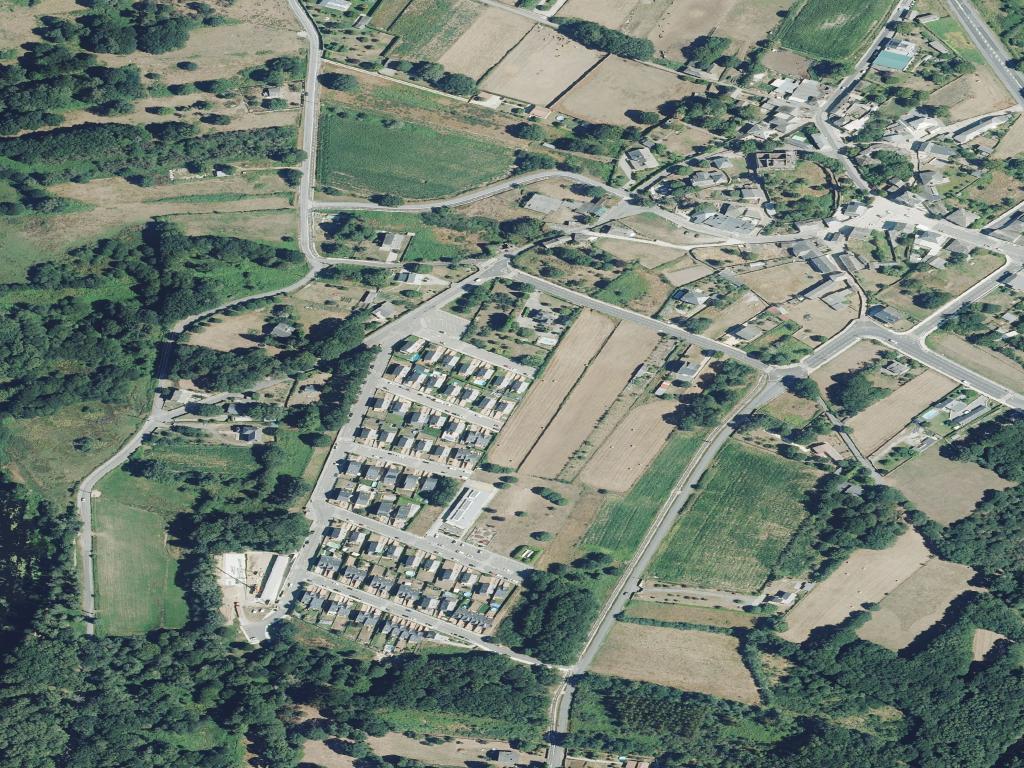
Below, the village presents a different character. Masonry houses sit under sloping slate roofs, and hórreos, the raised granaries typical of Galicia, are scattered among small plots of land. The local economy is still closely tied to agriculture and livestock, with small-scale activity shaping daily life. Traditional food follows the same rhythm. Cured meats are common, and winter dishes tend to be substantial. Lacón con grelos, pork shoulder served with turnip greens, is strongly associated with February celebrations across Galicia.
Around the feast of San Blas, another custom continues. People take part in a blessing of the throat using two crossed candles and a cloth. It is a ritual where religious belief blends with older ideas of popular healing, and it can still be seen in many parishes across the province.
The Camino Primitivo through quiet countryside
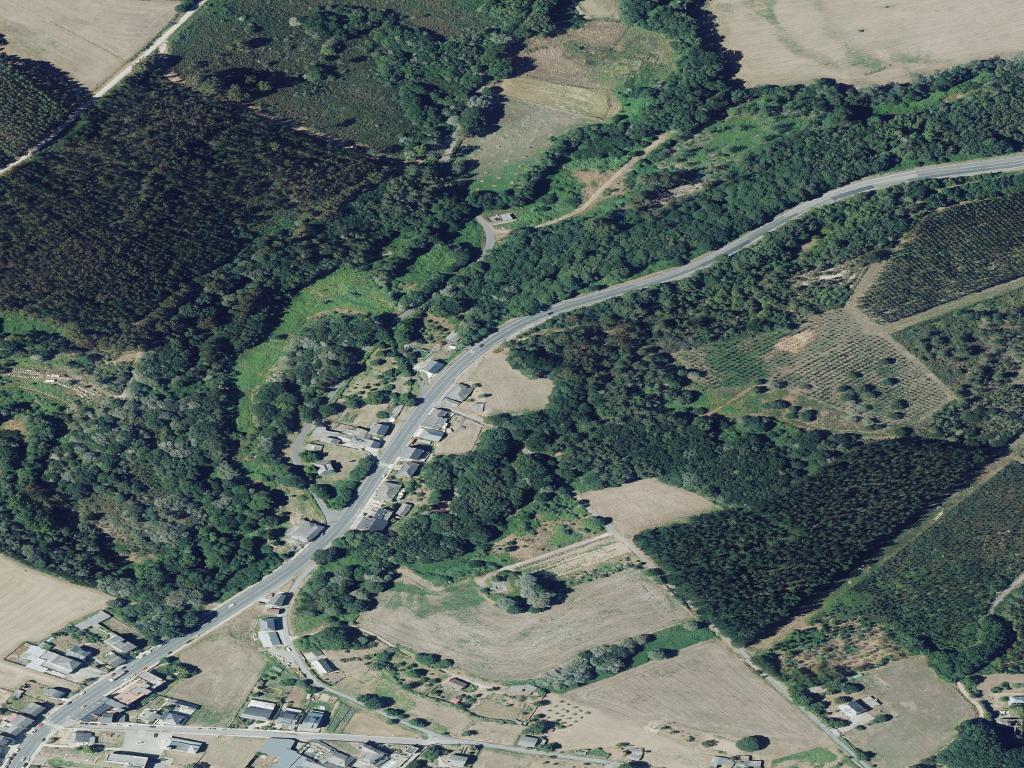
The Camino Primitivo, the oldest recorded route of the Camino de Santiago, crosses the municipality from south to north. It arrives from A Fonsagrada and continues on towards Lugo. This stage is long and distinctly rural. Oak woods line parts of the route, fields are enclosed by low stone walls, and small villages appear at intervals rather than forming a continuous settlement.
Many pilgrims choose to stop in Castroverde before continuing to Lugo the following day. The municipal hostel serves as a regular halt along the route and keeps a calm pace through much of the year.
This is not one of the most monumental stretches of the Camino. Its interest lies elsewhere. The landscape offers a view of inland Galicia that still preserves its traditional organisation: parishes spread across the countryside, small farms, and paths that have been in use for centuries.
Near Montecubeiro, within the same municipality, tradition places an episode linked to uprisings against King Silo in the 8th century. Medieval chronicles mention the conflict, and local place names are associated with it. The exact details, however, remain uncertain, and the story survives more in fragments than in firm historical reconstruction.
Santa María de Vilabade
A few kilometres from the main village stands the church of Santa María de Vilabade, one of the most distinctive buildings in the area. The current structure dates from the 16th century and is often connected to the patronage of the Lemos family.
Its façade features decorative work close to the Plateresque style, something unusual in rural churches of this part of Galicia. Inside, the main altarpiece reflects a transition between the late Renaissance and later artistic forms, giving the space a layered visual character.
For many years, locals referred to it as “the cathedral of Castroverde”. The nickname does not come from its size but from its prominence. The building stands out among nearby churches and occupies a position that overlooks much of the surrounding valley.
Fairs, chestnuts, and seasonal rhythms
Towards the end of summer or the beginning of autumn, a medieval fair is often held around the castle. The tone is more festive than historical. Stalls selling crafts, street food, and music shape the atmosphere, turning the hill into a lively gathering point.
November brings the magosto, one of the most rooted celebrations in inland Galicia. Bonfires are lit in parishes to roast chestnuts, and sweets made from this fruit appear in many homes. The local chestnut cake is dense and dark, usually served in small portions.
These events reflect the seasonal rhythm of the area, where agriculture, tradition, and community life remain closely connected.
Finding your way around
Castroverde lies about 20 kilometres from Lugo and can be reached بسهولة by road. There are also bus connections with the provincial capital, although frequency varies depending on the time of year.
The main village can be explored at a relaxed pace in about an hour. The castle tower, the parish church, and the square with its fountain form the central points. Beyond that, the most rewarding approach is to move out into the surrounding parishes, where the broader landscape gives context to everything seen in the centre.
The appeal of Castroverde does not rest on a long list of landmarks. It comes from how its elements fit together: a defensive tower, a network of rural paths, traces of medieval power, and a way of life still shaped by the land.