Friol - Flickr
jl.cernadas · Flickr 4
Galicia · Magical

Friol

The church bell strikes noon in Friol, and absolutely nothing changes. Farmers continue pruning vines, dogs sleep in the road's centre, and the bar...

3,608 inhabitants · INE 2025
m Altitude

Why Visit

Best Time to Visit

summer

Full Article
about Friol

Ocultar artículo Leer artículo completo

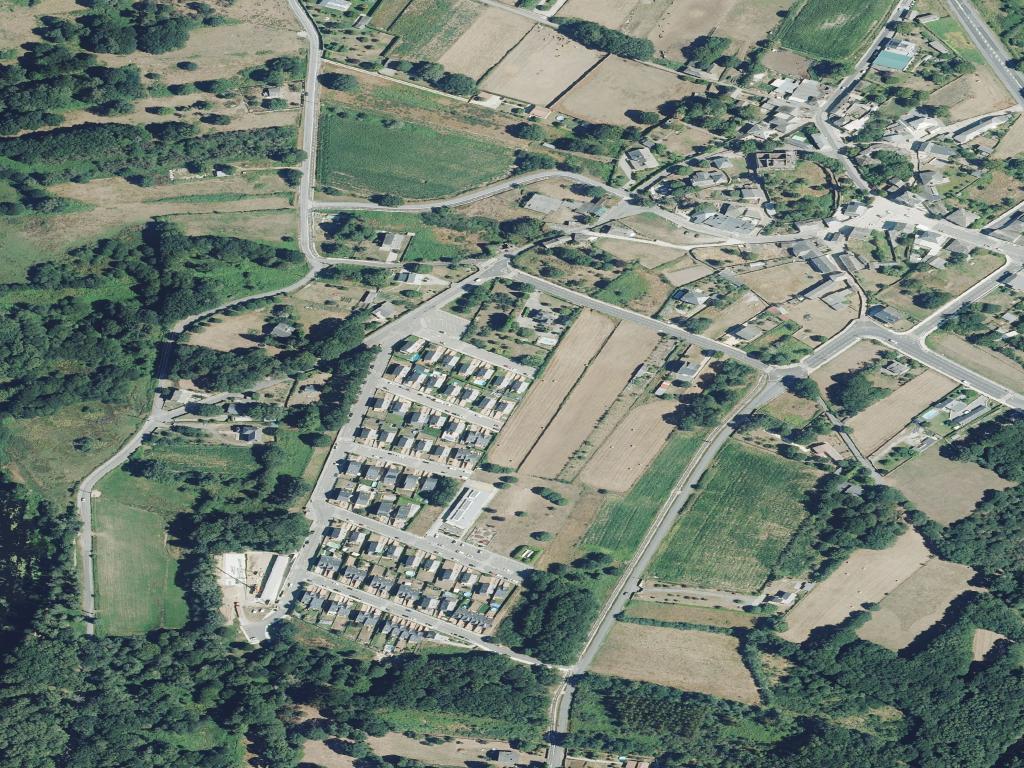
The church bell strikes noon in Friol, and absolutely nothing changes. Farmers continue pruning vines, dogs sleep in the road's centre, and the bar owner keeps drying glasses at the same unhurried pace. Twenty kilometres from Lugo's Roman walls, this administrative scatter of 3,700 souls feels centuries removed from Spain's costas and cathedral cities.

A Parish, Not a Plaza

Forget the classic Spanish plaza mayor. Friol's heart is the parish church of San Martiño, a modest granite rectangle with a single bell tower that doubles as the local landmark and meeting point. Step inside and you'll find more fresh flowers than gold leaf—this is a working church for working people. The priest still reads the parish notices after mass: who's selling a tractor, whose barn needs re-roofing, when the cheese fair arrives in March.

That cheese fair transforms the village for exactly three days. Farmers haul wheels of Arzúa-Ulloa, the buttery cow's-milk cheese that melts on toast like a milder Cheddar. Bread stalls sell pan de Ousá, loaves the size of steering wheels with crusts soft enough for children to bite. Then March ends, the stalls vanish, and Friol returns to its default setting: quiet, agricultural, slightly damp.

Reading the Landscape

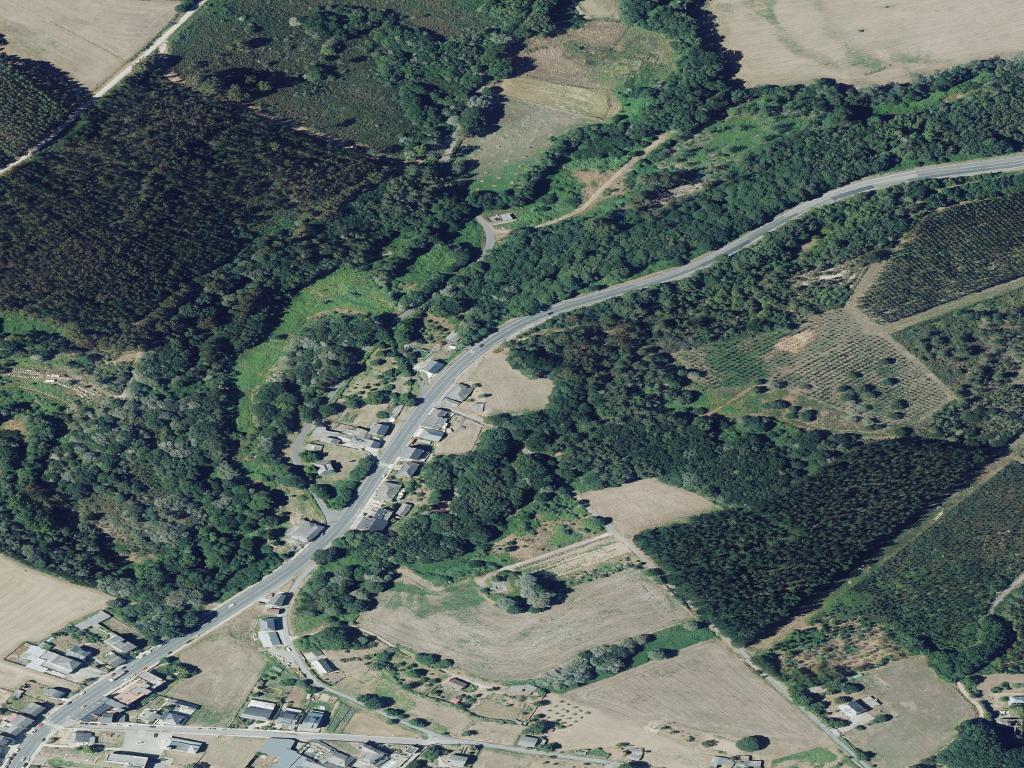
Drive the LU-633 from Lugo and the city thins into smallholdings, each with its hórreo—stone granaries on stilts that look like upturned boats. Some stand pristine, others sag with age and ivy. They aren't heritage props; locals still store potatoes and maize inside. Park by the roadside (firm gravel only—after rain the verges swallow wheels) and walk the lanes between parishes. Crucifixes carved from single granite blocks appear at crossroads, not for tourists but as waymarkers older than any signpost. Touch the stone and you'll find indentations where centuries of fingers have traced the same carved Christ.

The Miño River brushes the municipality's edge, though you'd never know it. No promenades, no boat hire, just riverine woodland and the occasional heron. Locals fish here at dawn, wading in rubber boots, keeping their favourite spots to themselves. Paths exist, but they're farm tracks: waterproof footwear essential, Ordnance Survey-style navigation advisable. After heavy rain the clay sticks to soles like wet cement; wellies become compulsory footwear.

What Passes for a Centre

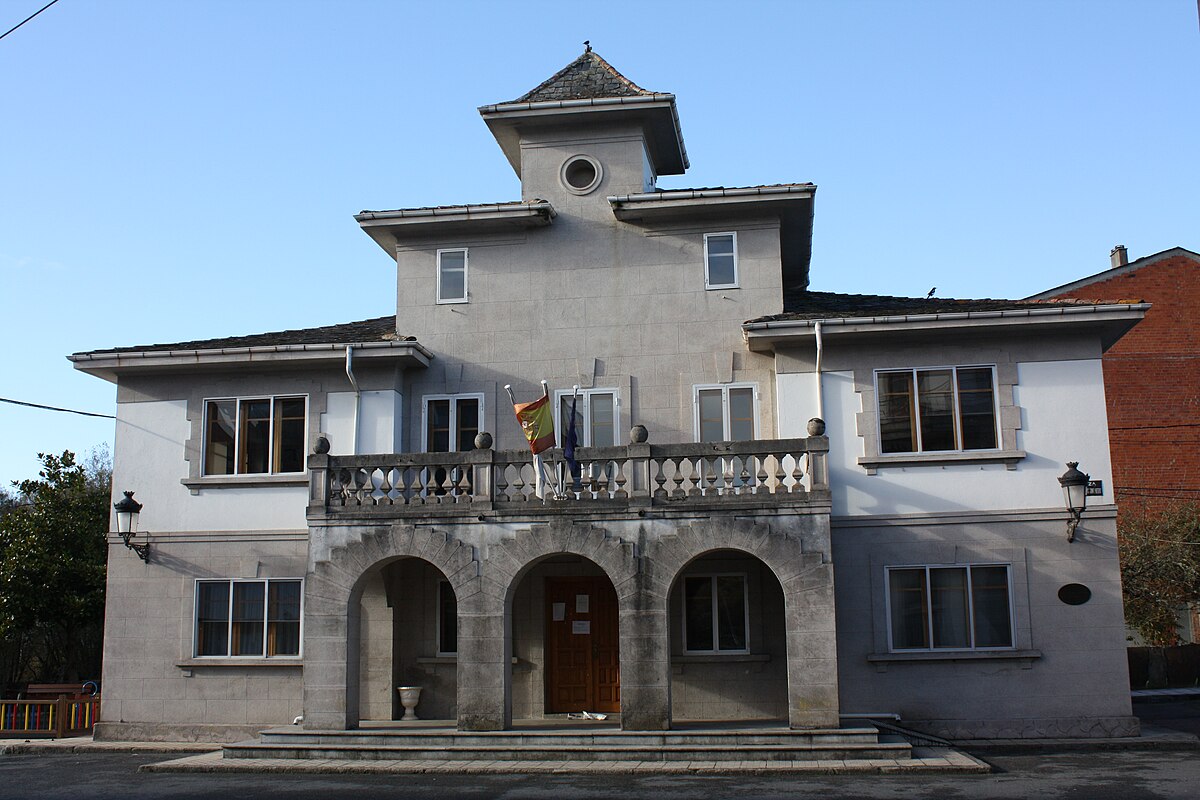
Friol's administrative centre clusters around the church: a pharmacy, a bank that opens three mornings a week, four restaurants, and a bakery that sells out of croissants before 09:30. Lunch service stops dead at 15:30—arrive at 15:35 and you'll be offered crisps and apologies. There is no cash machine; the nearest ATMs sit 18 km away in Lugo, so fill your wallet before you arrive.

The restaurants follow farm timetables. Menus list caldo gallego, a restorative broth of potatoes, white beans and kale. Ask for it "sin chorizo" and it's vegetarian by accident rather than design. Main courses tend towards pork shoulder, rabbit, or river trout when the season allows. Expect to pay €12–€14 for the menú del día, bread and wine included, coffee extra. Nobody rushes the service; the waitress might pause to discuss fertiliser prices with a neighbour between courses.

Pilgrim Footfall

Friol sits just off the Camino Norte, the coastal route to Santiago. Shell symbols appear on gateposts, and the municipal albergue charges eight euros for a bunk in a four-bed dorm. Pilgrims arrive dusty, exchange boots for flip-flops, and head straight to the bakery. Locals greet them with "¡Bo Camiño!"—good road—and occasionally press a bag of apples into their hands. Conversation in the bar switches between Galician and Spanish depending on who's listening; English works if you speak slowly and smile at the right moments.

Stock up here if you're walking west: the next hamlet, Miraz, offers little more than a fountain and a barn. Pilgrims who assume every village sells Compeed and energy bars learn the hard way that rural Galicia prefers cheese, bread and stories about the weather.

When to Come, When to Skip

April brings gorse-yellow hills and orchards loud with bees. Temperatures hover around 18 °C, perfect for lane-walking without the sweat of high summer. October matches it for colour—vineyards turning rust red, mornings sharp enough for a jacket. These shoulder seasons offer the best compromise between sunshine and mud.

July and August turn sleepy. Afternoons hit 30 °C, fields dry to pale straw, and village fiestas spill music across the valleys. Each parish chooses its own weekend; follow the sound of bagpipes to find a feast in progress. Winter, by contrast, feels abandoned. Short days, Atlantic drizzle and closed guesthouses make Friol a day-trip at best. If the sky lowers, retreat to Lugo's Roman walls and tapas bars fifteen minutes down the road.

Beds for the Night

Beyond the pilgrim hostel, Friol offers two accommodation choices. Casa Rural Outeiro de Friol converts a stone farmhouse into three double rooms with beamed ceilings; expect to pay £55–£65 per night via the usual booking sites. Kitchen access lets you self-cater if restaurants close early. The nearest chain hotel sits back in Lugo—Hotel Los Braseros has a pool, secure parking, and doubles around £70, useful if you need Wi-Fi that actually streams.

Getting Here Without Tears

From the UK, fly into Santiago de Compostela or A Coruña with Ryanair or Vueling. Airport buses reach Santiago bus station in twenty minutes; Monbus runs hourly to Lugo (1 h 45 min, €10). Arriva coach line 15 completes the journey to Friol three or four times daily, last departure 19:00. Miss it and a taxi costs €35—more than the entire public-transport fare so far. Driving is simpler: pick up a hire car at the airport, follow the AP-9 and AG-64 motorways, then the LU-633 straight into Friol. Total journey time from London door-to-door: about seven hours, including the inevitable airport queue for coffee.

The Honest Verdict

Friol won't deliver Instagram moments or souvenir shops. It offers instead the rhythm of a place where agriculture still sets the clock, where strangers are noticed but welcomed, where a walk between parishes teaches more about Galicia than any cathedral audio guide. Come with waterproof shoes, a sense of calendar flexibility, and enough cash for cheese and wine. Leave before the church bell finishes striking, and you'll already be planning a slower return.

Key Facts

Region
Galicia
District
Lugo
INE Code
27020
Coast
No
Mountain
No
Season
summer

Livability & Services

Key data for living or remote work

2024
ConnectivityFiber + 5G
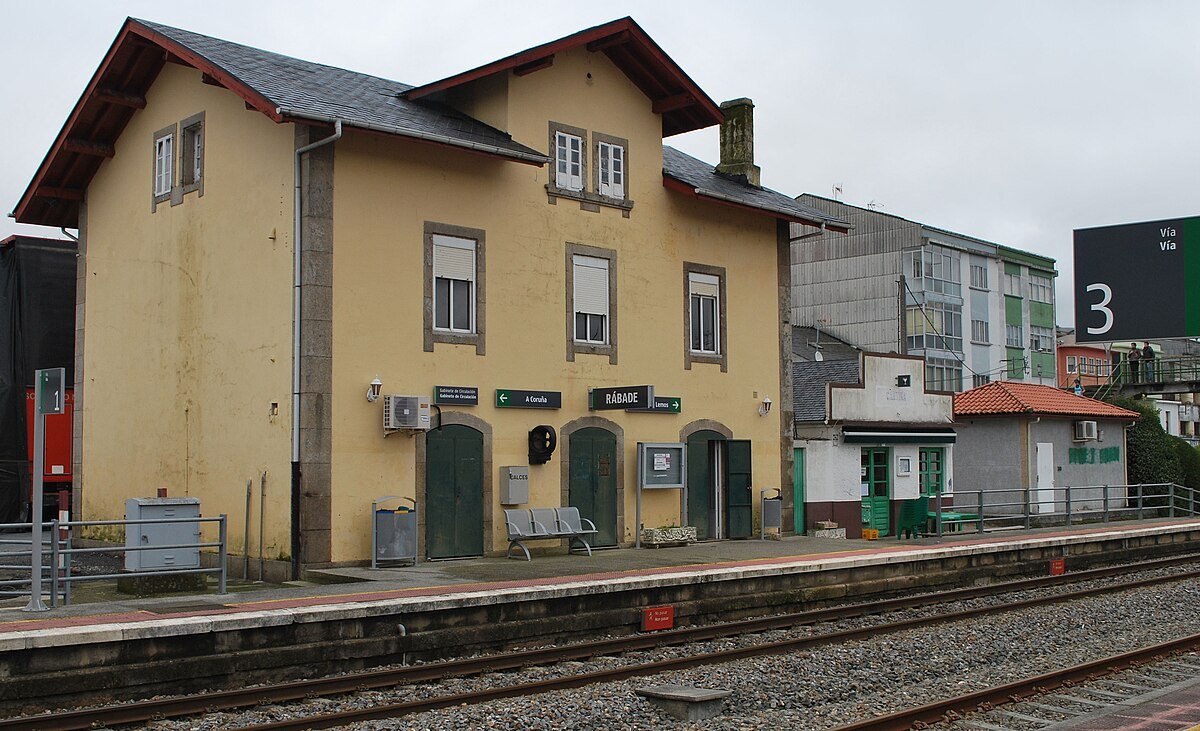
TransportTrain 14 km away
HealthcareHealth center
EducationElementary school
Housing~5€/m² rent · Affordable
CoastBeach 16 km away
Sources: INE, CNMC, Ministry of Health, AEMET

Planning Your Visit?

Discover more villages in the Lugo.

View full region →

More villages in Lugo

Traveler Reviews