Full Article
about O Corgo
Ocultar artículo Leer artículo completo
A Landscape That Refuses to Pose
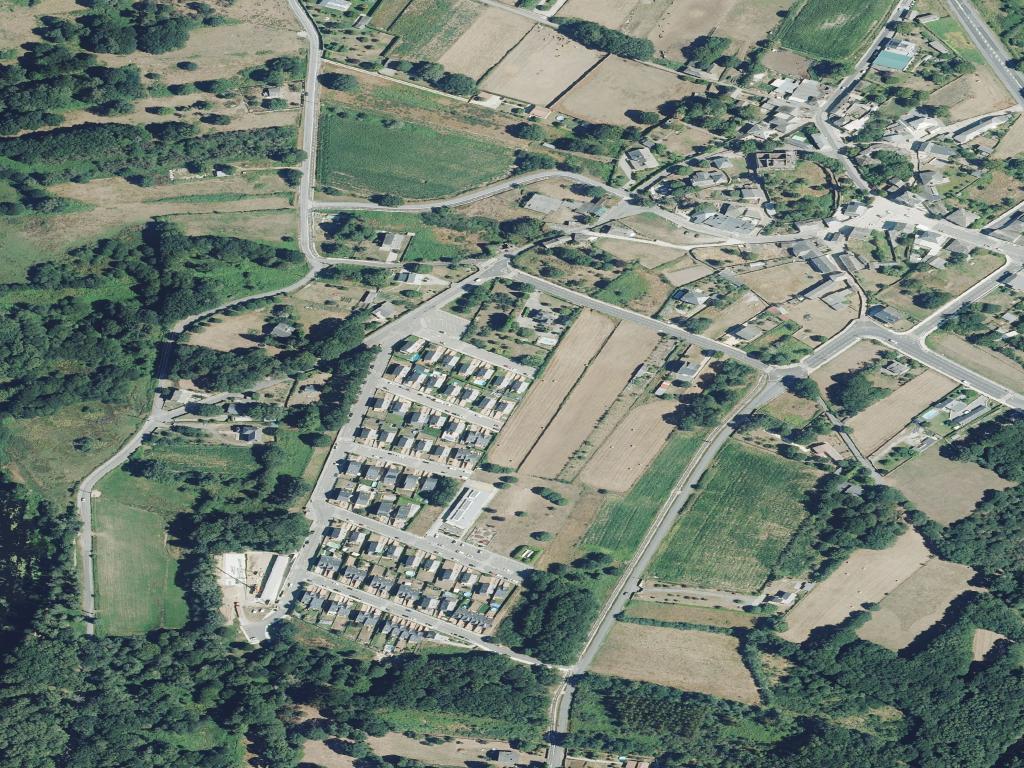
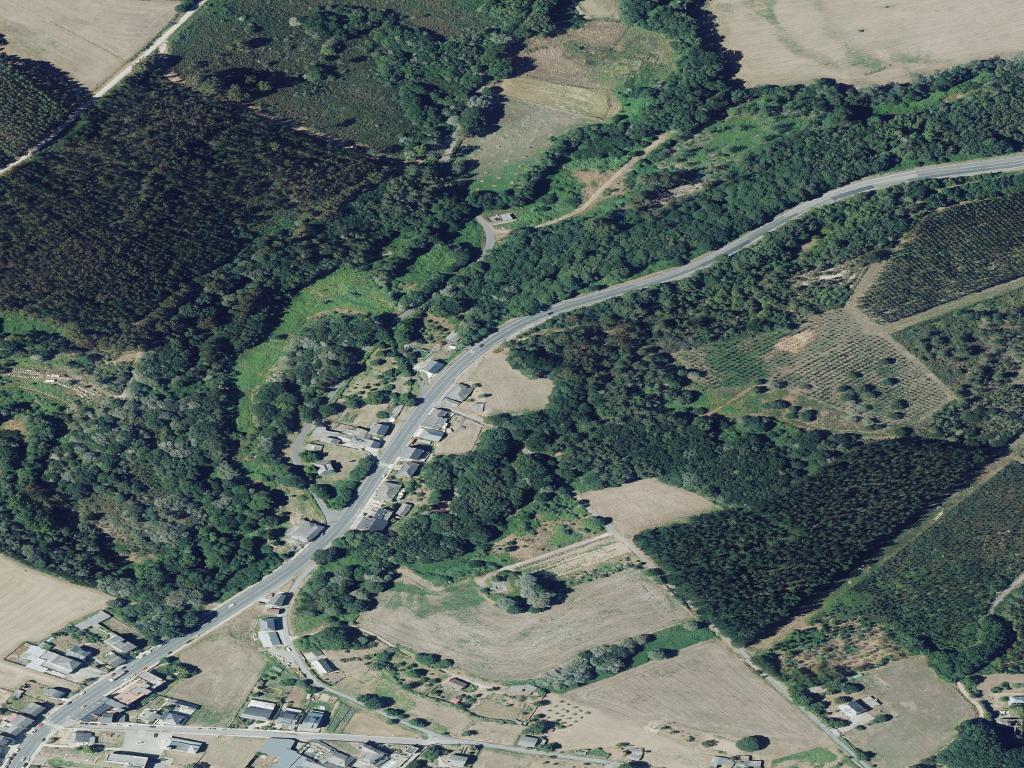
Twenty minutes beyond Lugo’s ring road, the A-6 thins into the N-VI and the billboards disappear. Suddenly every field is stitched together by waist-high walls of rough granite, each stone the size of a rugby ball. This is O Corgo’s calling card: not a heroic mountain backdrop or a cliff-top lighthouse, but a patchwork of tiny meadows so neatly walled they look like outdoor rooms. The hills are gentle, rounded, almost English in profile, yet the land feels older—older than the tractors, older than the five-bar gates, certainly older than the hire car that is now probably splattered with cow-muck.
Drive slowly. The parish boundaries follow streams not signposts, and the council hasn’t wasted paint on anything as decisive as a brown tourist placard. If you miss the turning for the village centre you may not notice; the baker, the pharmacy and the agricultural co-op are scattered along the same road like houses that forgot to become a high street.
What Passes for Sightseeing
O Corgo has no ticketed attractions, which is either liberating or unnerving, depending on your holiday style. Start with the parish churches—there are over a dozen, each the size of a large English chapel. Most keep their doors unlocked until siesta time; inside you’ll find a single Baroque retablo painted in bruised purples and gold, the colours of a thunderstorm. The cemetery is invariably next door, gravel paths raked clean and scented with eucalyptus. A five-minute wander will reveal a stone cross—cruceiro—carved with a skull and crossed tibias to remind parishioners what awaits if they skip Mass.
Landowners here still prefix their names with “Don” or “Doña”, and the big houses—pazos—are private. You can, however, gawp from the lane: look for the granite carriage arch wide enough for two hay wagons, the family coat of arms eroding into the stone like a half-remembered dream, the modern 4×4 parked brazenly in the old stable yard. One of the easiest to spot is Pazo de Cibrán, five minutes south of the main road; pull into the passing place opposite, switch the engine off, and the only soundtrack is a cockerel who has no idea what a TripAdvisor rating is.
Granite hórreos—raised granaries on mushroom-shaped stilts—dot gardens like stone Lego. The oldest examples rest on four stubby legs; the nineteenth-century upgrades arrive on twelve, the extra height keeping rats out of the rye. If you photograph one, remember to include the washing line and the satellite dish: O Corgo has never been a museum.
Walking Without a Waymark
The council publishes no glossy trail map, which keeps the footpaths honest. Park by the river swimming area at A Ponte Olveira (signed “Area de Recreo”) and follow the farm track upstream. Within five minutes you’re between chestnut trees, the lane narrowing to a single-lane holloway where ferns brush the wing mirrors. Another ten minutes and the walls shrink to hedgebanks; cows watch you pass, jaws rotating like slow machinery. You will not meet souvenir stalls. You may meet a farmer on a quad bike; a raised hand counts as the day’s social exchange.
After heavy rain the clay sticks to boots like wet biscuit. Galicians laugh at British walkers who attempt the route in pristine trainers; decent tread is non-negotiable, and poles help when the path turns into a cattle slide. In October the same track smells of mushrooms: níscalos, the prized saffron milk-caps, push up through the leaf litter. Locals guard their patches like state secrets; follow the unwritten rule—admire, photograph, but never pocket.
Eating When There’s No Promenade
O Corgo’s five restaurants would fit inside a single Covent Garden side street. Best reviewed is A Palleira on the edge of the parish sports ground, where the weekly menu del día costs €12 and the octopus arrives on a timber platter, its purple tentacles dusted with smoked paprika and chunky sea salt. Order a ribeira, the short-stemmed ceramic bowl that forces you to sip local wine in knee-jerk portions; it’s more hygienic than it looks, and the soft Mencía red slips down like Beaujolais with better posture.
If you insist on British comfort food, the Bar Central will make a tortilla sandwich—thick omelette wedged between halves of a baguette—for €2.80, but you’ll be the only customer not discussing fertiliser prices. Evening meals are trickier: kitchens close at nine, and after dark the village belongs to dogs and the occasional Guardia Civil patrol. Plan instead on lunch here, then drive to Lugo for tapas around the Roman walls; the motorway is twenty minutes, faster than most London commutes.
The Seasonal Bargain
Come in April and the hills glow acid-green; gorse perfumes the air with a scent somewhere between coconut and custard. Accommodation is still on winter rates—double room €45 including breakfast at Casa Rural O Sendeiro, a converted stone house where the owner speaks French but no English, so communication becomes a hybrid of GCSE Spanish and expressive pointing. By July the same room is €70 and the countryside has browned off; temperatures nudge 32 °C but the village offers no shady plaza, no sea breeze, and precisely one ice-cream freezer in the whole parish. August belongs to returning Galician emigrants; book early or you’ll be sleeping in Lugo.
Autumn brings cloud-draped hills and the first wood-smoke. This is mushroom season and the local Saturday market doubles in size—stalls sell parboiled ceps, wicker baskets, and knives with curved blades for slicing stems. Even if you hate fungi, the market coffee stall serves estrella galicia beer at 11 a.m. without a trace of irony.
Getting It Wrong, Getting It Right
The most common mistake is to treat O Corgo as a pit-stop between Santiago airport and somewhere else. Arrive with a checklist and you will leave asking where the “sights” went. The village rewards a slower gear: allow half a day to link two churches, one riverside walk, and a plate of octopus, and the place starts to make sense. Hire cars are essential—public transport is a single school bus at dawn. Fill the tank in Lugo; rural pumps close for siesta and weekends. Download offline maps because mobile data flat-lines in every second valley.
Rain is not a disaster here; it’s the reason the walls are still standing after three centuries. Pack a waterproof and consider a muddy path part of the cultural exchange. If the weather really closes in, drive the back lanes anyway: fog between chestnut trunks turns the landscape into a Turner sketch, and you’ll have the theatre to yourself.
O Corgo will never feature on a “Top Ten Spanish Villages” reel, and that is precisely its appeal. Bring curiosity, decent footwear and an appetite for countryside that still earns its living. Leave the Instagram poses for the coast; here the granite does the talking, and it speaks in a dialect you weren’t taught at school.