Full Article
about Rábade
Ocultar artículo Leer artículo completo
The smell of oak smoke hits before you've even parked. By 1.30 pm on a Saturday, the roadside steakhouse on the N-634 is already half-full, waiters weaving between tables with plates that could double as small shields. This is why most foreigners know Rábade: a kilo of rare Galician beef, a quick espresso, then back onto the motorway. The village itself—five minutes beyond the filling station—is what they miss entirely.
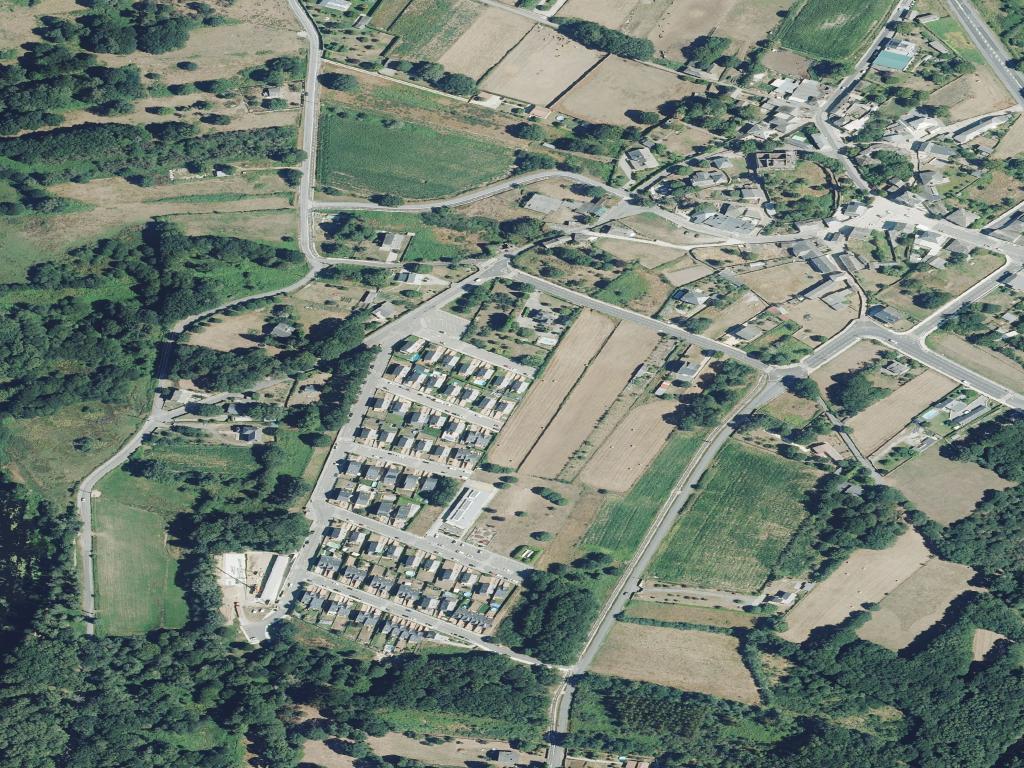
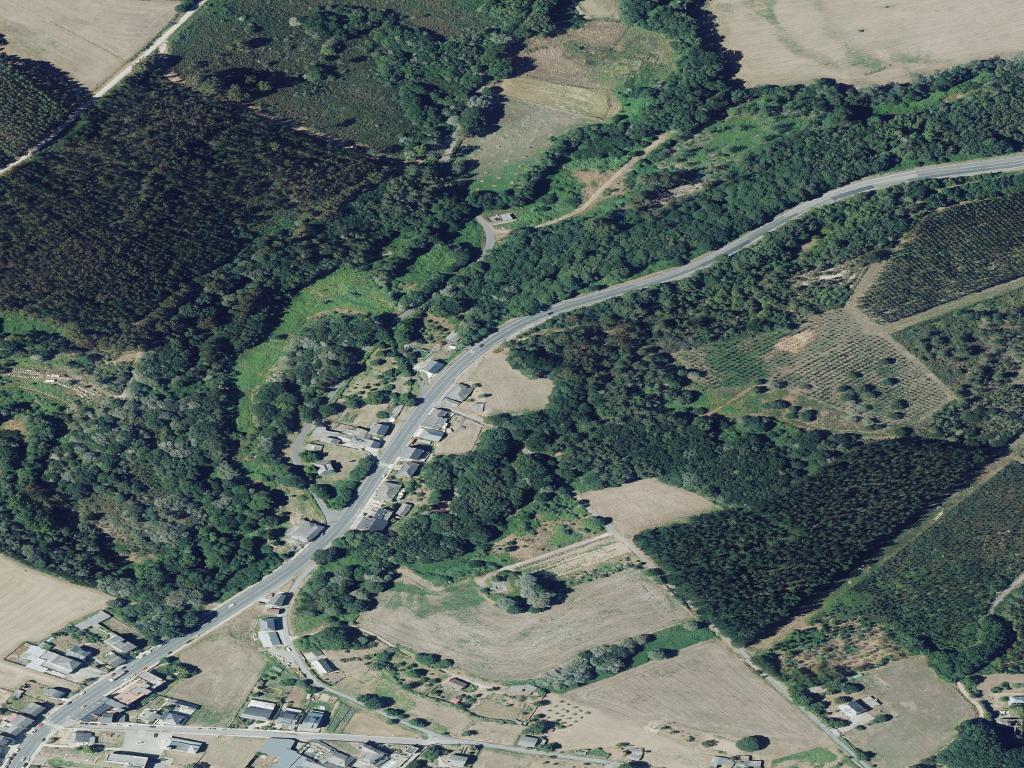
Rábade sits on the flat, wheat-coloured plain of Terra Chá, fifteen kilometres west of Lugo. There's no medieval core, no granite warren of alleys. Franco-era road widening saw to that. What remains is a working commuter settlement of 1,600 souls, strung along the highway like washing on a line. The church tower rises above red-brick semis; farm tractors share junctions with parents in hatchbacks. It is, deliberately, ordinary. And that is precisely why it can be useful.
A Walk That Isn’t on the Map
British visitors hunting for sights will be disappointed. The leaflets don’t exist, and the parish church of San Miguel keeps Spanish hours—locked unless a neighbour spots you loitering. Instead, head for the river. Turn down the lane opposite the Dia supermarket, pass the last house, and the tarmac gives way to a sandy track that follows the Ladra through reed beds and willow. In ten minutes the traffic hum fades, replaced by woodpigeons and the click of irrigation pipes. Kingfishers flash turquoise in winter; in April the air smells of cut grass and cow parsley. There is no circuit, no viewpoint, no Instagram frame—just a straight mile out and the same mile back. Galicians call this pasear, walking for the sake of moving, and it explains more about rural life here than any monument could.
If the ground is wet—common from October to May—decent soles are non-negotiable. Terra Chá translates loosely as “flat land”, but the clay soil clings like wet cement. Locals keep a pair of wellies in the car boot; wise travellers copy them.
Steak, Octopus and the Card Machine That Never Works
Asador Coto Real opens at 8.30 pm for dinner, but lunch is the main event. Arrive before 2 pm or queue. The menu is laminated, bilingual and short: chuletón (1 kg rib-eye for two, €42), chips, salad, wine. Vine shoots smoulder under the grill; the meat arrives still spitting, carved at table. Chips are hand-cut, familiar to any British palate, and the house Ribeira Sacra red arrives in a stubby tumbler—no tasting notes required. Vegetarians can assemble a meal from roast peppers and the almond tart called tarta de Santiago, but honestly, this is carnivore territory.
Payment is cash only; the card machine has been “broken” for years. There’s a cashpoint next door, but it charges €2 per withdrawal—bring euros with you and avoid the sting.
Weekends bring smoke clouds and parking chaos. Half of Lugo province treats the place as its own garden barbecue; conversations drift across tables in Galician, Spanish and the occasional estuary English of Camino drivers who’ve read the same online steak reviews. Sunday lunch peaks at 4 pm; if you dislike communal grilling, aim for a weekday.
What You Won’t Find (and Why That Matters)
No souvenir shops. No medieval walls. No boutique hotels. Accommodation is the chief logistical snag: the nearest rooms are eight kilometres away in Guitiriz, a spa town whose granite manor house has been converted into a four-star. Most steak-stop visitors don’t realise until they search booking sites late at night.
The absence of “attractions” keeps the village honest. Rábade functions because it always has: lorries refuel, farmers argue over coffee, teenagers wait at the bus stop for Lugo’s secondary schools. Drop in during the morning market—Tuesday and Friday—and you’ll see exactly two stalls: one for knickers, one for chorizo. That’s it. Stay longer than an hour and someone will ask who you’re visiting. Admit you’re “just looking” and they’ll offer directions to the river, puzzled but polite.
Combining With the Camino or the Coast
Location is the village’s only five-star feature. The A-6 motorway slips past the steakhouse, putting Santiago 45 minutes west and Lugo 12 minutes east. Brits doing the Camino Primitivo often detour here for the first proper sit-down meal after the airport. Coastal pilgrims can reach the wild beaches of Costa da Morte in an hour—Rábade makes a calmer overnight base than Santiago’s €150-a-night old town, provided you don’t mind a dawn start.
Drivers heading to the Rías Altas use the place as a petrol-and-loo halt, then discover the O Rei lagoon hide 3 km south. The lagoon—really a flooded gravel pit—attracts winter ducks and spring waders; bring binoculars and expect to be the only person there. Entry is free, signage minimal, mood somewhere between Norfolk broad and Spanish bodega car park.
When to Come, When to Drive On
Spring and early autumn give mild mornings and riverbank cowslips without the July mosquitoes. August is hot, flat and dull—Terra Chá’s wheat stubble offers no shade, and the steakhouse air-conditioning struggles once the door opens every thirty seconds. Winter brings mist that swallows the road; driving times double when the nebra rolls in.
Rain is the perennial variable. Galicia’s weather is Welsh in quantity, Scottish in its ability to arrive sideways. A morning that starts bright can collapse into stair-rod showers by the time your coffee arrives. The steakhouse stays busy whatever the sky does; the river walk does not.
If you have two hours, park by the church, walk the Ladra track, eat churros in Bar Central, and leave. If you have half a day, add the lagoon and a loop through the hamlet of Vilaestrofe to see stone granaries (hórreos) standing in farmyards like raised bread bins. Overnight requires a leap of faith—and a taxi back from Guitiriz after wine.
Rábade will never feature on glossy lists of “prettiest villages”. It offers instead a slice of functioning Galicia: the smell of vine smoke, the clatter of dominoes in the bar, a river that forgets the motorway exists. Come for steak, stay for the walk, and leave before the illusion wears off.