Full Article
about Lousame
Hide article Read full article
Lousame: un municipio de interior en la comarca de Noia
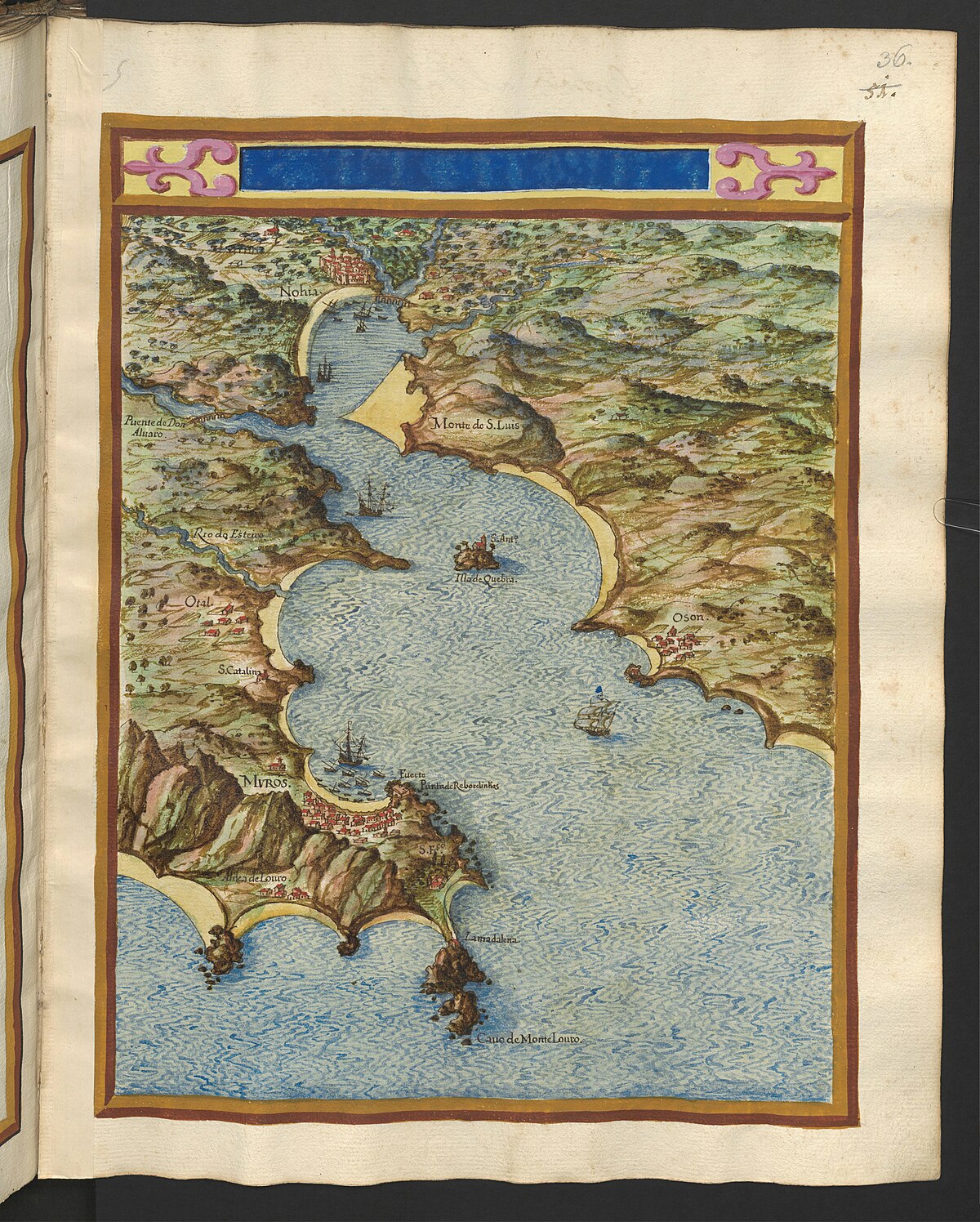
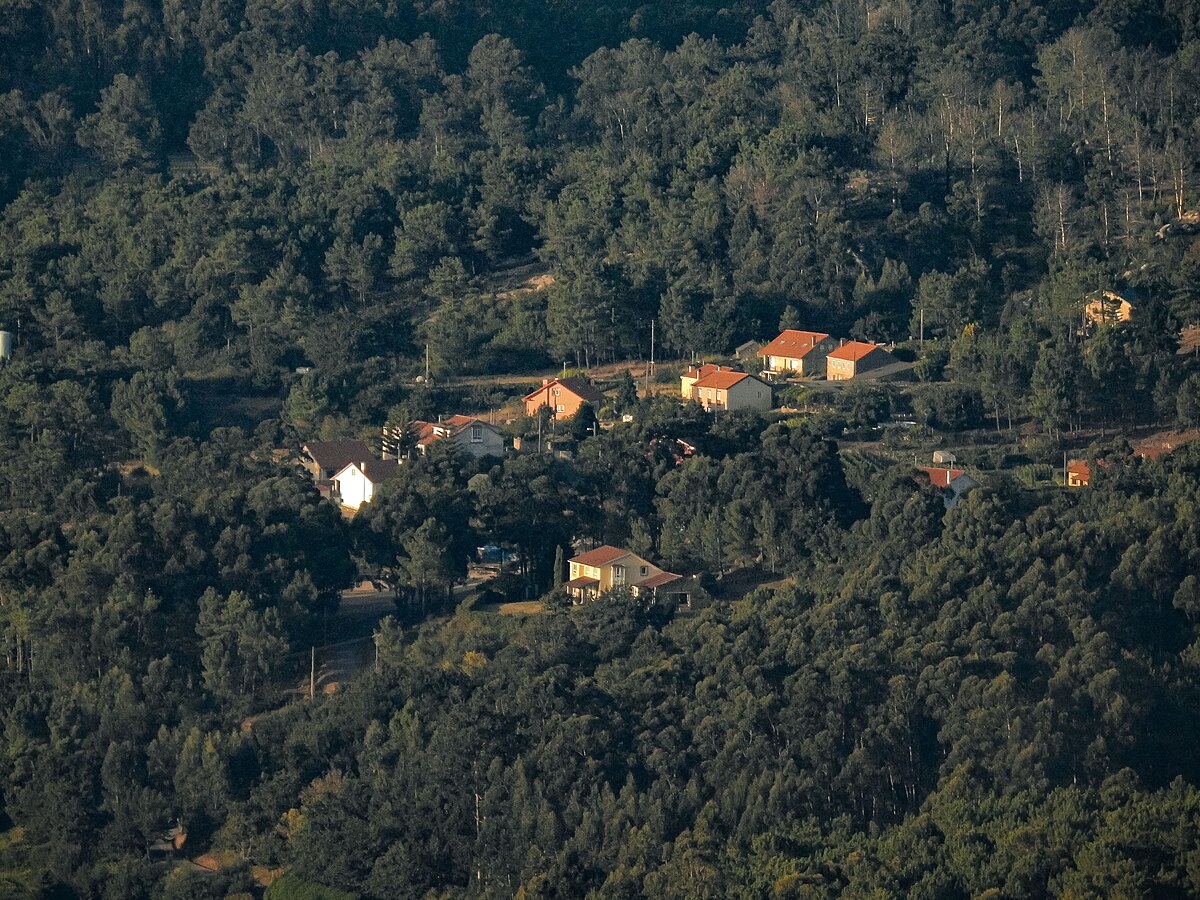
La carretera que lleva a Lousame desde Noia abandona pronto la costa. En unos minutos, el perfil de la ría desaparece y el terreno comienza a ondularse. Este es un municipio del interior, aunque administrativamente pertenezca a una comarca marítima. Su geografía está definida por valles húmedos y pequeñas elevaciones de cuarcita y granito, como A Muralla y O Iroite, que actúan como una barrera natural. Desde algunos de sus puntos altos se vislumbra el Atlántico, pero siempre como una línea lejana, nunca como un elemento dominante.
Con poco más de noventa kilómetros cuadrados, el territorio se organiza en siete parroquias. La población, alrededor de tres mil habitantes, se dispersa en aldeas y caseríos rodeados de castaños y huertas. Esta estructura, heredada, ha resistido los cambios demográficos del último siglo.
Un monasterio en el valle del Toxosoutos
El monasterio de San Xusto de Toxosoutos se fundó en el siglo XII. Su ubicación no fue casual. El valle del río Toxosoutos, cubierto de robles y castaños, ofrecía agua, madera y relativo aislamiento. Durante la Edad Media, el cenobio funcionó como centro religioso y económico, gestionando tierras y molinos. Su arquitectura actual refleja varias reformas, la última importante en el siglo XVIII. Más que su valor artístico, lo que importa es su relación con el entorno: durante siglos, fue el nodo que organizó la vida en este valle.
Tres capas en la historia local
La historia reciente de Lousame puede leerse a través de tres episodios distintos.
Tras la decadencia monástica, la siguiente capa llegó con la minería. A finales del siglo XIX comenzó la explotación de las minas de San Finx, inicialmente con capital extranjero. Su actividad se intensificó en el siglo XX con la demanda de wolframio. El paisaje aún muestra las cicatrices de esa industria: taludes rectos, galerías artificiales y escombreras que contrastan con las formas orgánicas del terreno. En ocasiones se organizan visitas guiadas al complejo minero.
Un cambio menos visible pero más duradero llegó de la mano de Diego Antonio Cernadas de Castro, párroco de Fruime en el siglo XVIII. Este clérigo ilustrado promovió el cultivo del maíz. Su introducción alteró la dieta local para siempre. La boroa de millo, un pan de maíz que aún se elabora en muchas casas, es el resultado directo de aquella iniciativa.
Paralelamente, los ríos San Xusto y Toxosoutos movieron durante generaciones una red de molinos harineros. En tiempos de escasez, algunos se adaptaron para moler castaña seca. Sus restos, a menudo reducidos a muros bajos cubiertos de musgo junto a los cauces, hablan de una economía doméstica basada en el agua.
Comida de temporada y caminos prácticos
La cocina aquí sigue el ritmo del monte y las huertas. En el río San Xusto se pescan truchas en temporada. Con el otoño llegan los hongos a los soutos y pinares. El maíz sigue presente, como ingrediente principal de la boroa o como acompañamiento. En Portobravo, donde se sitúa el ayuntamiento, se celebra la mayoría de los veranos una fiesta dedicada al millo. Es un acto local que reconoce la importancia histórica de este cultivo.
Para entender la lógica del territorio, varios senderos resultan más útiles que cualquier mirador. La Ruta dos Ríos e Fábricas de Papel recorre varios kilómetros junto al cauce, pasando por los vestigios de antiguas fábricas de papel del siglo XIX. No quedan edificios imponentes, solo canales excavados en la tierra y piedras dispersas. El valor está en comprender el aprovechamiento industrial de la fuerza fluvial.
Desde el monasterio de Toxosoutos parte un camino breve que lleva a una cascada. La caída de agua no es alta, pero la vegetación espesa mantiene la humedad y el frescor. Antiguamente, estos lugares se usaban de forma práctica: como neveras naturales para conservar alimentos en los meses cálidos.
En Monte San Mamede, un recorrido circular transita por bosques mixtos de castaño, roble y pino. No es un paseo para vistas panorámicas. Su interés reside en seguir veredas antiguas, trazadas para el pastoreo o la saca de leña. En otoño, el suelo se cubre de hojas y erizos vacíos de castaña.
Cómo llegar y cuándo visitar
Lousame está a poco más de media hora en coche desde Santiago de Compostela y a unos minutos de Noia. Existe transporte público, pero su frecuencia es limitada. Disponer de vehículo propio facilita mucho el acceso a las distintas parroquias y al inicio de los senderos.
El otoño suele ser un momento acertado para venir. Los soutos cambian de color, hay setas en el monte y el aire huele a tierra húmeda y hojarasca. Es también la estación en la que el vínculo histórico entre el bosque, los cultivos y la vida aquí se hace más evidente.