Full Article
about Oia
Ocultar artículo Leer artículo completo
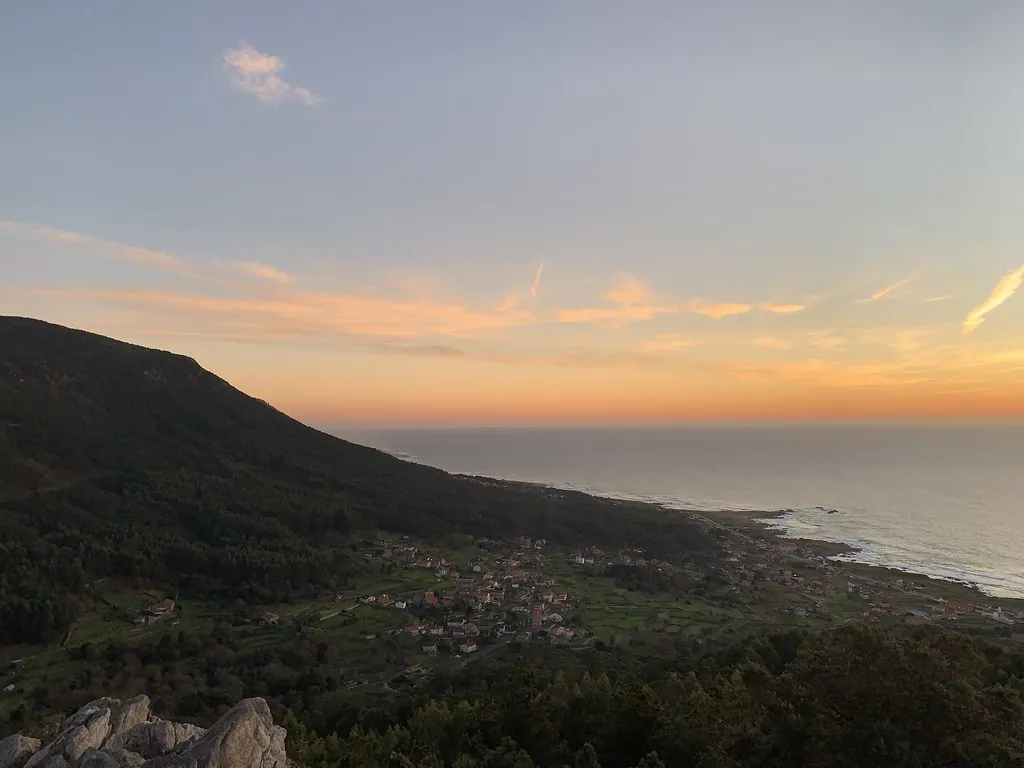
The Cistercian monks who built Santa María de Oia picked their spot well. They planted their monastery on a tongue of granite that juts straight into the Atlantic, close enough for spray to fleck the cloister walls on rough days. Eight centuries later the building still dominates the horizon, a sandstone exclamation mark that announces the last village before Portugal.
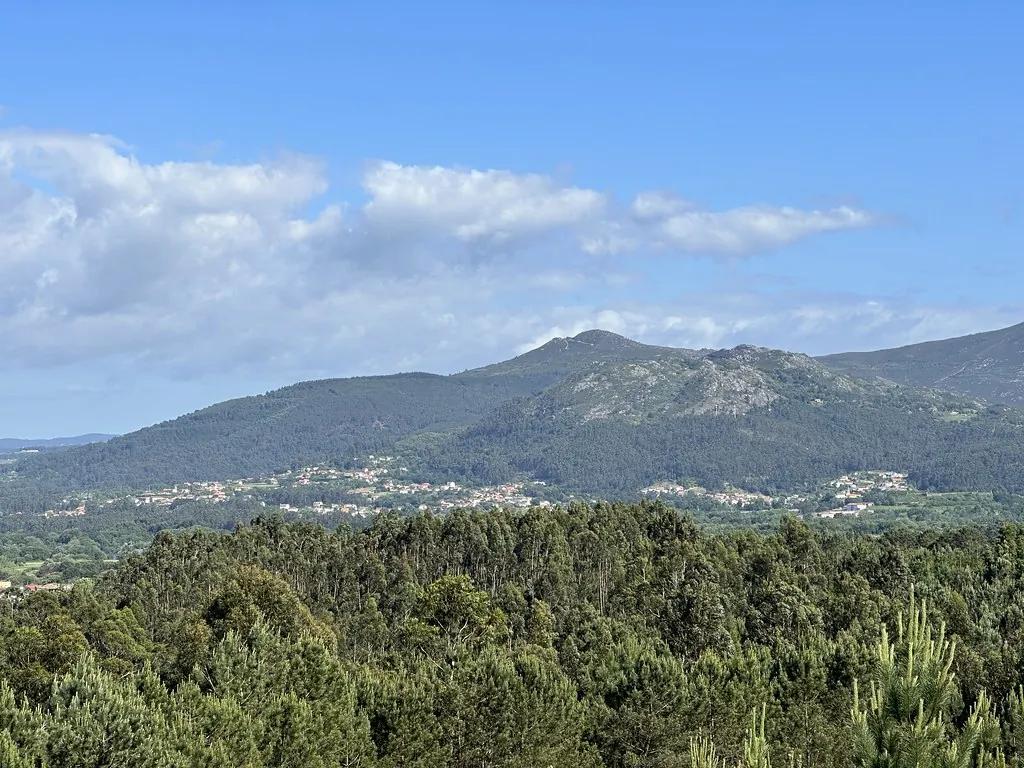
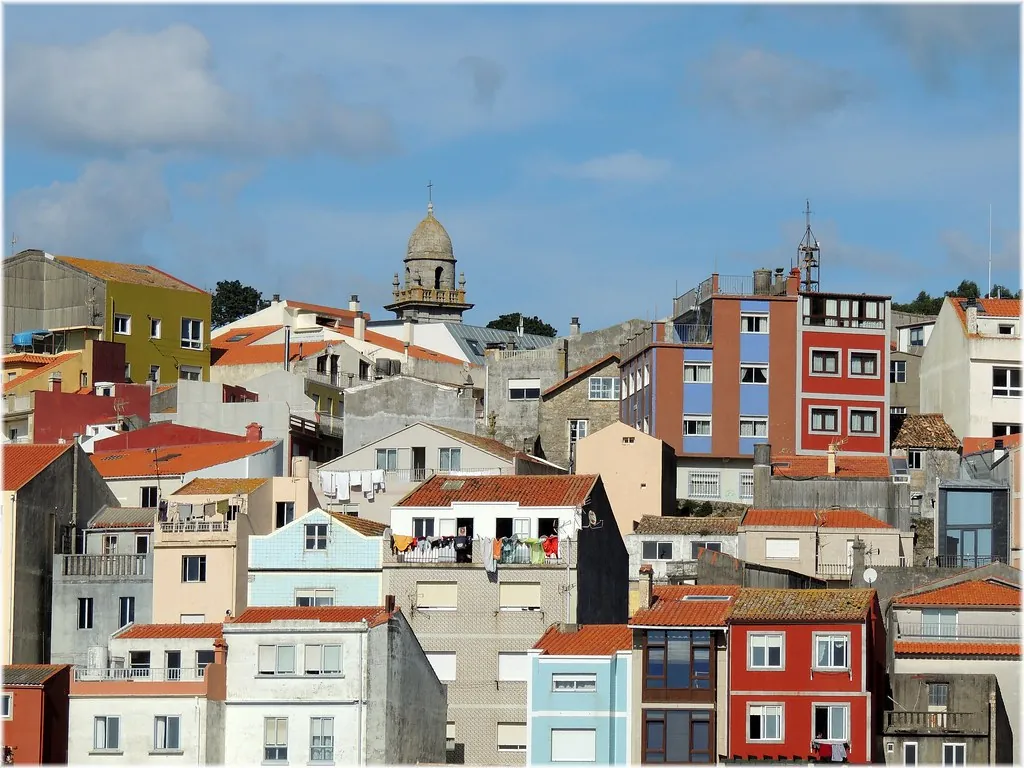
Most visitors arrive on the coastal road from Baiona, 12 km north. One moment you're threading through pine plantations, the next the ocean appears so abruptly it feels like someone has torn a page away. The tarmac narrows, the camino way-markers multiply, and terracotta roofs slide downhill towards a small fishing harbour that smells of diesel and barnacles. This is Oia: population 3,000 in winter, perhaps double that when August apartments fill up, though "fill" is relative – there are no high-rise blocks here, just houses wedged between mountain and sea.
The Monastery That Won't Behave
Guidebooks love to call Santa María "Romanesque". In reality it's a palimpsest: 12th-century arches topped by 14th-century Gothic ribs finished off with 18th-century Baroque frills. Time and salt air have done the rest, scouring stone the colour of old parchment. Only two guided tours run daily (11:00 and 16:00) from Easter to September; turn up early – groups are capped at twenty and the monk who keeps the keys is punctual. Outside those months you can still wander the exterior, peer through iron grilles at faded frescoes and listen to the Atlantic hammering the foundations. Plenty of pilgrims insist the half-ruin is more eloquent than a polished cathedral; they have a point.
Below the monastery wall a five-minute concrete ramp drops to Praia da Area da Vila. The beach faces full west, so when a swell is running the breakers unload with enough force to rattle pebbles back down the slope. On calm mornings local women spread towels on the darker sand left by the receding tide and gossip in Portuguese-accented Galician – the border is only 18 km away. There are no sun-lounger concessions, no banana boats, just a basic shower pipe and a summer lifeguard who doubles as the village plumber. Bring sandals; razor clams leave sharp shells.
Walking the Edge
A wooden board-walk, level enough for pushchairs, heads south from the harbour towards the Ermita de San Sebastián, a chapel the size of a Dorset cottage. The stroll takes twenty-five minutes and delivers the postcard view back towards the monastery, now framed by heather and gorse. Serious walkers continue on the coastal variant of the Camino Portugués, a roller-coaster of short, lung-testing ascents that threads stone crosses, cow pastures and the occasional farmhouse selling chilled Estrella Galicia for two euros a bottle. Allow three hours to reach the lighthouse at Cabo Silleiro; the path is way-marked but exposed – in winter the wind can knock you sideways.
If you'd rather stride inland, the valley of the Grovas river offers shade. A circular route signed from the main road climbs through eucalyptus plantation, then drops into tiny, almost abandoned hamlets where bread is still delivered by van. Total distance 8 km; gradient 250 m. Expect cowpats, expect silence, expect the odd hunting dog that sounds worse than it is.
What Turns Up on the Plate
Oia has three bars and one restaurant that opens only at weekends outside July–August. Nobody comes for Michelin stars; they come for whatever the small inshore fleet landed that morning. In April that might be percebes (goose barnacles) at 38 € a plate, in October perhaps a cauldron of octopus coloured with pimentón. The trick is to order a media ración first – half portion – then decide whether you want to swim in cephalopod. Tapería A Camboa, wedged between the harbour and the fish-auction shed, understands shy foreign palates: they do a proper tortilla de patatas, crisp chicken skewers and local cow's-milk cheese that tastes like Cornwall's Davidstow aged a little longer. Cards are refused everywhere; the nearest cash machine is back up the hill in the parish of Oia itself, 2 km inland.
White wine here is Albariño, usually poured from a jug that started life as a five-litre demijohn. It is dry, peachy and costs about 2.50 € a glass. Galician reds can be metallic; stick to the white unless you enjoy the taste of pencil sharpenings.
When the Weather Loses Its Patience
Atlantic lows arrive from October to March, dragging swell that can close the harbour mouth and hurl foam halfway up the monastery steps. On those days the village retreats indoors; tumble-drier steam rises from every roof and the radio at A Camboa plays seventies rock at half volume. Summer, by contrast, is surprisingly gentle: sea breezes keep temperatures in the mid-twenties while inland Galicia swelters. August weekends clog the coastal road with Portuguese camper-vans; arrive before 11:00 or after 19:00 if you dislike queueing behind mopeds doing 25 km/h.
Parking is free but limited to two small compounds signed "Area de Caravanas". Ignore the scruffy ground opposite the monastery – tow trucks appear without warning and fines start at 100 €.
Getting Here, Getting Out
No airport, no rail line, no direct bus from the UK. The sane route is to fly to Porto (two hours' drive south) or Santiago de Compostela (one hour north). Hire a car; Oia makes a poor base without wheels. A single Monbus service links Baiona and A Guarda twice daily – miss it and you're walking. Taxis must be booked from A Guarda (8 km) and will add a 15 € surcharge for the return journey empty.
The Honest Verdict
Oia will not keep a museum-lover busy for a week. What it does offer is the elemental hit of land meeting ocean without the souvenir tat that blights so much Spanish shoreline. Come prepared to walk, to taste whatever the sea has decided to provide, and to accept that the monastery may be locked when you arrive. Treat it as a punctuation mark between Porto and Santiago rather than the whole sentence and you'll understand why the monks chose this particular edge of Europe – and why they stayed.