Full Article
about Avión
Hide article Read full article
A village shaped by altitude and return journeys
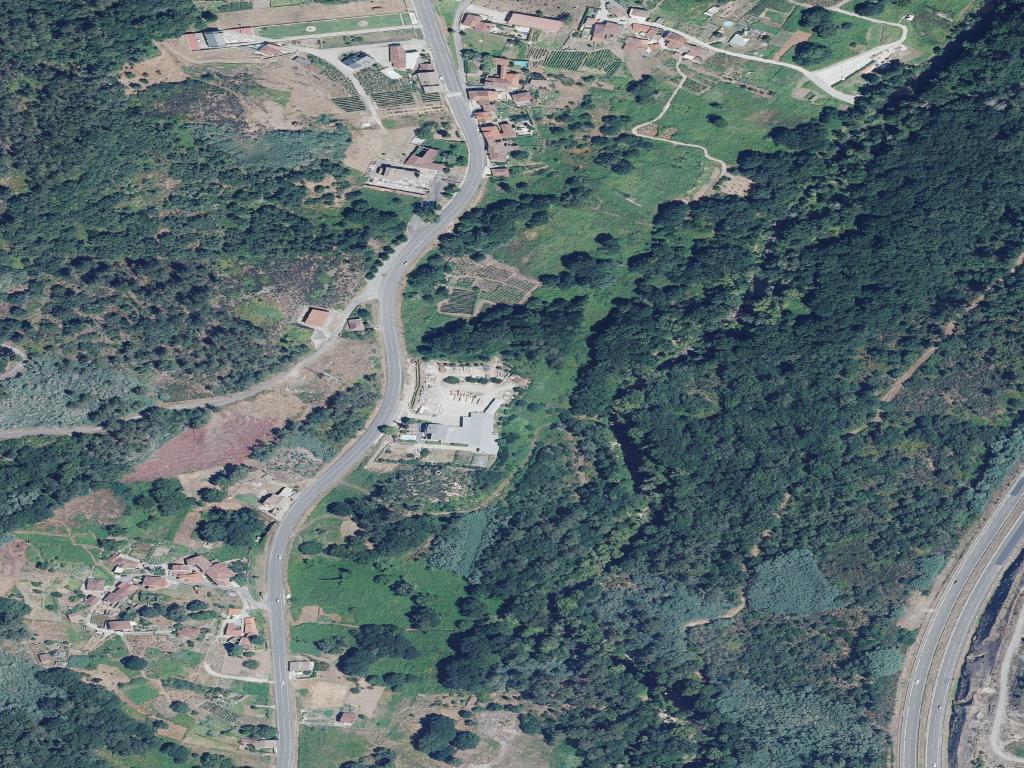
In August, when the heat settles over the province of Ourense, the air in Avión is often a few degrees cooler. The village sits at around 450 metres, between the Faro and Suído mountain ranges. The relief comes from geography: air moves down the valleys here by late afternoon.
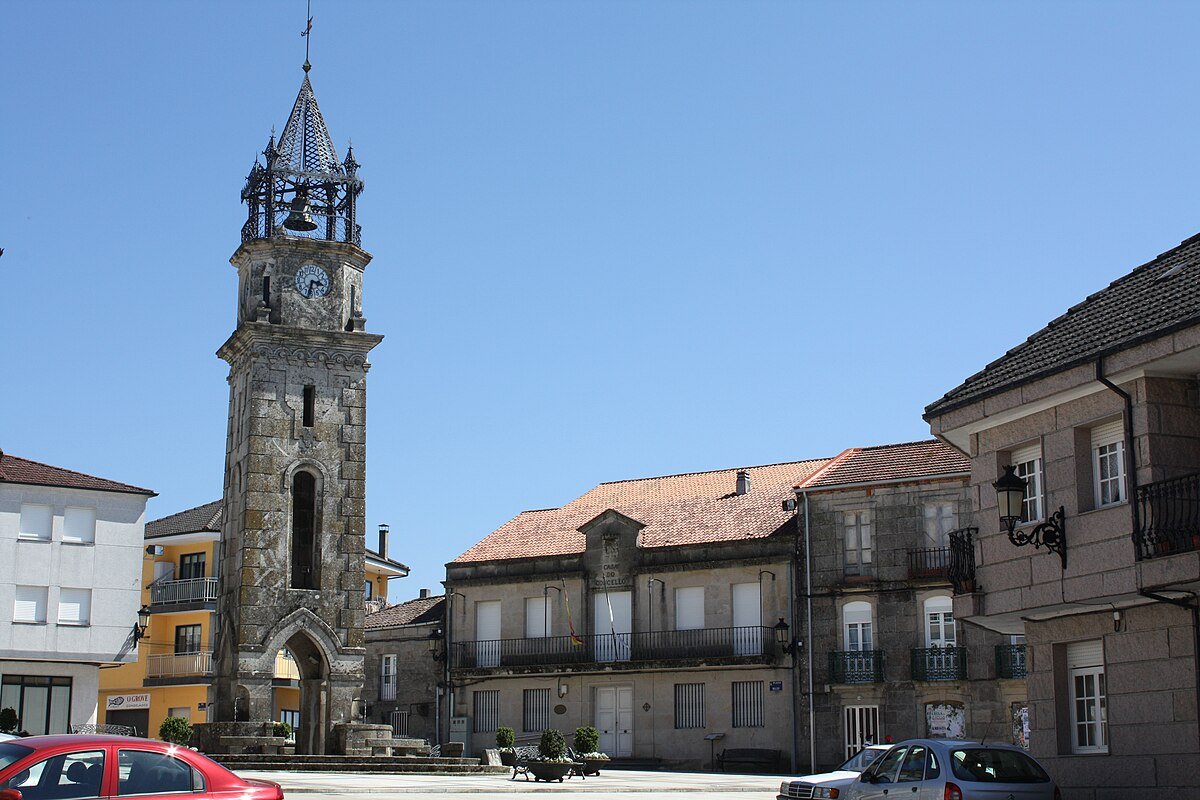
This position between uplands made it a natural passage. That old role is still perceptible, though its form has changed. Each summer, emigrants return, many from Mexico. The rhythm of the village shifts. Newer cars park beside the granite houses, a contrast that isn't staged but routine, part of a cycle that has defined the place for decades.
San Xusto e Pastor and the story of wine
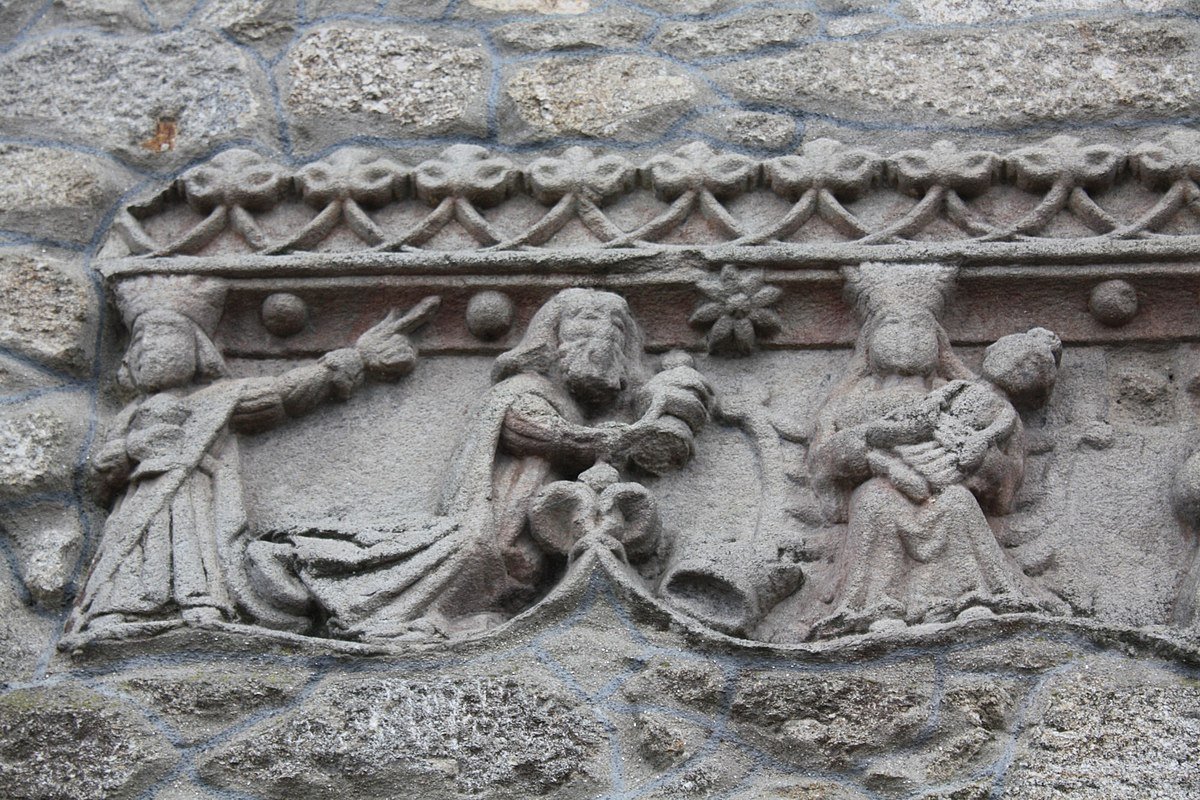
The parish church of San Xusto e Pastor organises the layout of Avión. Construction of the current structure began in the late sixteenth or early seventeenth century and, as was common, it was completed in phases over generations.
It is not an imposing building. The stonework is simple, and its tower serves mainly as a landmark for those arriving by road. Inside, Baroque altarpieces were carved in a popular style. Their artistic interest is modest, but their meaning is local.
They reflect the economy that sustained the community. The surrounding slopes were once covered in vineyards, and wine from the Ribeiro area moved along tracks that are now hard to trace. The Catastro de Ensenada, an eighteenth-century survey, already records Avión as a place linked to vine cultivation. The church, built and extended slowly, mirrors that small-scale rural prosperity. Each addition corresponds to a period when wine shaped the landscape and the calendar.
Along the river: mills and daily routines
Following one of the watercourses down from the mountains, you can find several restored flour mills. They are not a monumental complex. These are modest stone buildings with slate roofs, connected to channels that diverted water to the wheel.
Their value is functional; they explain a daily routine. Before electrification, grinding grain depended on the river's flow and an assigned turn. Families would arrive with sacks of rye or maize and wait. Some of the original wooden machinery remains, along with the hollows where the grinding stones sat.
A footpath links these mills, passing through oak and chestnut groves. In autumn, the ground is covered with damp leaves. After rain, the path turns muddy—sturdy footwear is necessary.
There are no facilities here, nothing built for visitors. What remains is a piece of rural infrastructure, preserved without embellishment. The walk is quiet, marked by the sound of water and a tangible sense of how work was once tied to the season.
Harvest time in Ribeiro country
Towards the end of September, the grape harvest begins. In the Ribeiro area, this remains a communal task. In Avión, wine is often identified by plots of land or by family homes, not by commercial brands. Each household knows the origin of its own production.
Traditional white varieties—treixadura, torrontés, loureira—are still grown on small holdings. During the harvest, conversation turns to practicalities: the year's rainfall, the condition of the grapes, how each vineyard is faring.
You might hear music or see a food stall set up, but the focus stays on the work itself. The harvest isn't staged; it's part of the annual cycle where social life and fieldwork overlap.
Getting there and moving around
From Ourense, the drive to Avión takes about forty minutes. The final stretch follows local roads that wind through wooded areas. Use the passing places when you see them.
The village centre is small enough to explore on foot. For a wider view, take the tracks that climb toward the higher parts of the surrounding mountains. From certain points, on a clear day, you can see across to the Miño valley and the inland ranges.
If you go up into those hills, bring water and something to eat. What you'll find there is open countryside, wind, and silence. In summer, with some luck, you'll feel that same cool air return—the reason so many come back when the heat builds elsewhere.