Full Article
about Beariz
Hide article Read full article
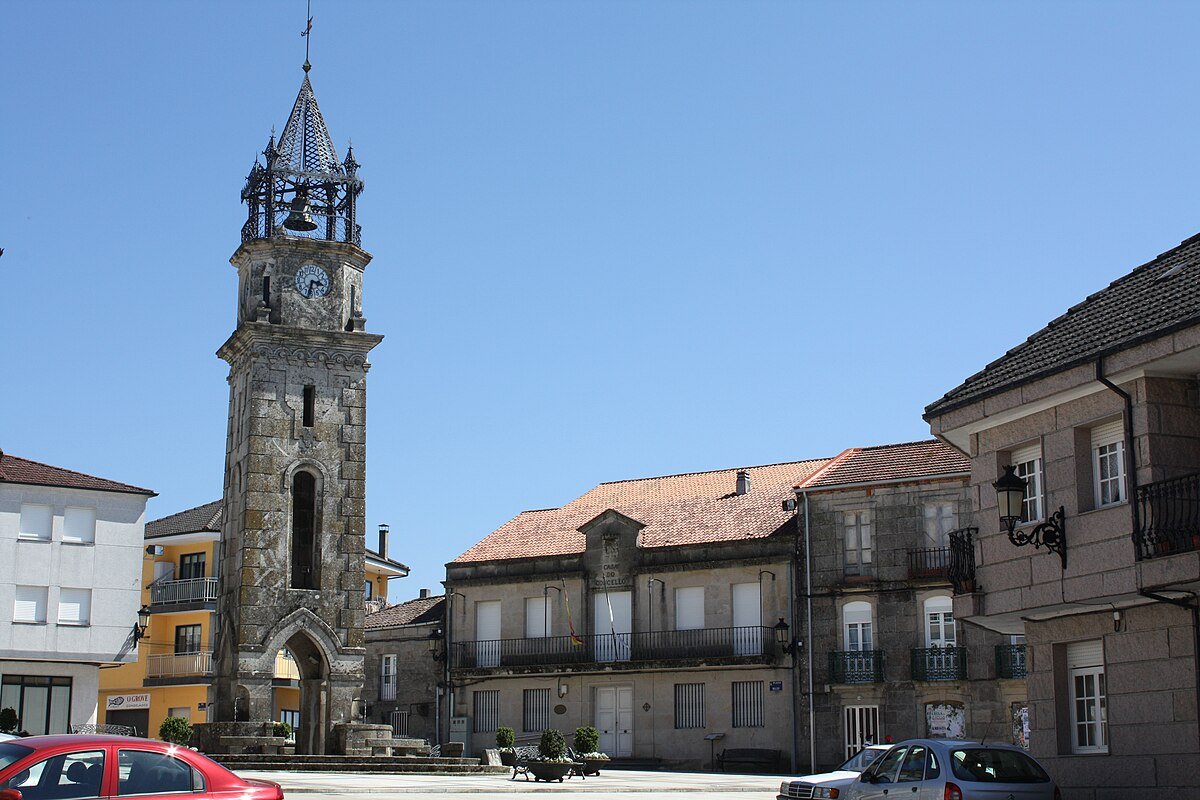
At nine in the morning, when mist still clings to the Avia valley, the bells of Santa María ring out slowly. In Beariz, there is no sense of rush. A few women cross the square at an unhurried pace, sometimes with wicker baskets tucked under their arms, heading out to run errands. Bread tends to arrive mid-morning, when it arrives. No one seems especially pressed for time, the village keeps its own measure of the day.
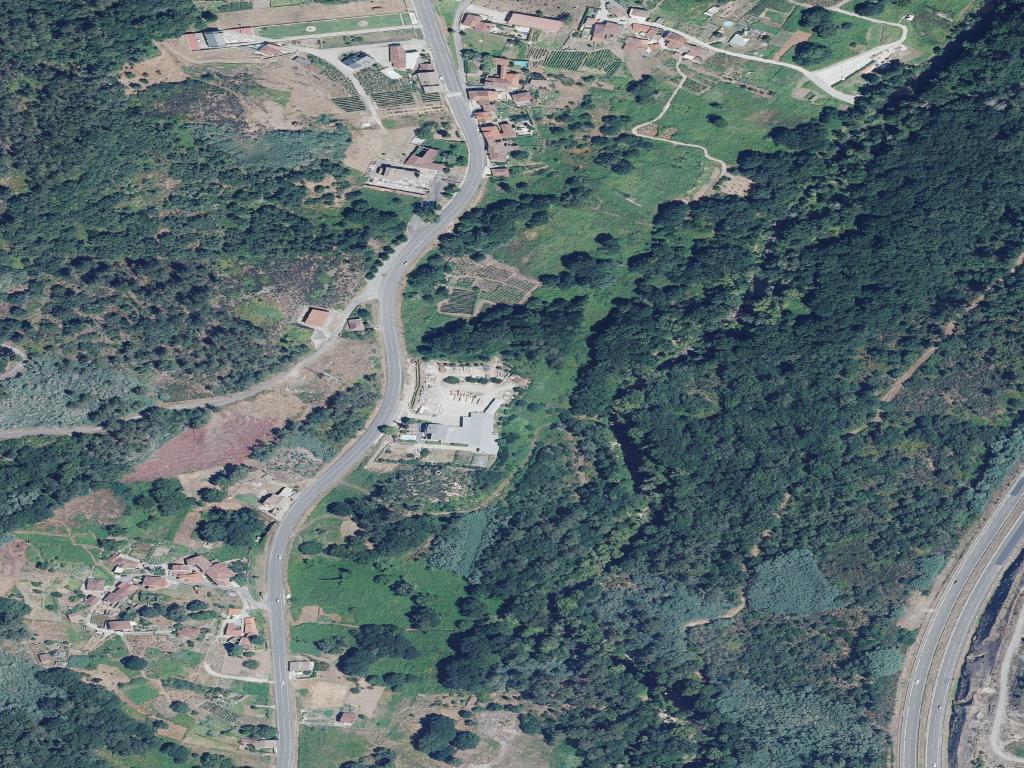
From the small rise beside the cemetery, almost the entire settlement comes into view: dark slate roofs, the church tower cutting into a grey sky and, all around, slopes thick with chestnut trees. In autumn, those hills carry the scent of damp earth and freshly fallen fruit. Beariz sits at more than six hundred metres above sea level, and the air often feels cool even when the heat is pressing down in the valley below.
As evening approaches, the light shifts. In the morning the square is all grey stone. Later, when the sun drops behind the chestnuts, the walls of the church turn golden and the air begins to smell faintly of wood smoke. It is the hour when people linger a little longer outdoors before heading home.
A Village of Women
For years, Beariz has lived with a striking demographic imbalance: there are many more women than men. It shows itself in everyday scenes. In the late afternoon, as the sun dips, the benches in the square fill with neighbours chatting about their vegetable plots, grandchildren coming at the weekend or who has returned to the village after years away.
The men who remain are usually out on the smallholdings or tending animals at houses scattered nearby. This is not a stylised rural image, it is the result of decades of emigration and work that took many away from home.
The imbalance shapes the social life of the village in quiet ways. Conversations stretch on without hurry. News travels across the square in fragments, carried from one bench to another. Beariz does not attempt to present itself as anything other than what it is: a small Galician community shaped by departures as much as by those who stayed.
The Ninth-Day Fair in Doade
On the ninth day of every month, the parish of Doade comes to life with a fair that still functions as a working market for the area. Vans arrive loaded with tools, work clothes, plants for the vegetable garden and objects that defy easy categorisation. There is nothing staged or nostalgic about it. It continues because local people use it.
From early morning there is movement. The smell of warm bread mingles with fried dough and the sharp scent of new leather from belts and straps. Deals are still discussed out loud, sometimes sealed with an old-fashioned handshake.
Many older residents travel in from nearby villages or from O Carballiño. They stroll slowly between the stalls, buy what they need and stay to talk for a while before making their way home. The fair is as much about conversation as it is about trade.
If visiting, it makes sense to go in the morning. As midday passes, the market begins to pack up and the atmosphere fades quickly. What remains is the quiet rhythm that defines Beariz for the rest of the month.
San Xoán in Magros
In the hamlet of Magros, the night of San Xoán is still centred on fire. San Xoán, the Galician name for Saint John’s Eve, falls in June and is traditionally marked with bonfires across the region. Here, as dusk settles, chairs are carried into the square by the church and improvised tables appear, laid out with food brought from home: meat for the grill, bread and the year’s wine.
The bonfire is lit once darkness takes hold. Oak smoke lingers between the houses for a long time. As the flames die down, younger residents dare each other to jump over the embers. Children run about clutching churros or chunks of bread while older neighbours talk about past years and other fires.
The celebration is simple and communal. There are no grand stages or elaborate programmes, just the gathering of families and friends around heat and smoke at the height of summer.
In the nearby hills, traces remain of former mining operations that were active during the last century. Today, almost everything is covered by ferns and moss. Unless you know where to look, they pass unnoticed, absorbed back into the landscape.
When to Go
October is often a good time to see Beariz at an unhurried pace. The chestnut groves change colour, and the smell of roasting chestnuts drifts from houses into the streets as the season begins. The air turns sharper, and the hills take on deeper tones.
August brings a different atmosphere. The patron saint festivities draw many people back to the village for a few days. Music plays late into the night and the square fills up. For those seeking silence, those weekends are best avoided.
One practical detail matters in any season: when it rains, which happens fairly often in this part of Galicia, mud appears quickly on paths and tracks. Footwear that can cope with wet ground is welcome.
By late afternoon, Beariz settles again. The bells are heard once more, gates close and lights come on gradually in houses scattered across the valley. The village works in this way, without grand gestures and without needing to explain itself too much. The simplest way to understand it is to sit for a while and watch the light fade over the slate roofs and chestnut trees.