Full Article
about Boborás
Hide article Read full article
A place that doesn’t try to impress
Some places seem designed for visitors to point their phones and say how lovely everything looks. Boborás isn’t quite like that. It feels more like the relative who’s up at six in the morning, has a proper breakfast and heads out to tend the vines. No fuss, little promotion, and more going on beneath the surface than you might expect.
Arrive expecting a perfectly arranged backdrop and it may feel slightly disorienting. Come with a bit of curiosity about what this part of the comarca of O Carballiño is actually like, and it begins to make sense.
A municipality of many small worlds
The first thing that stands out is the quiet. Not an awkward silence, but the kind that makes you lower your voice without realising. Just over two thousand residents are spread across a good number of parishes with names that sound almost story-like: Xuvencos, Xurenzás, Brués. Each one works almost as its own small world.
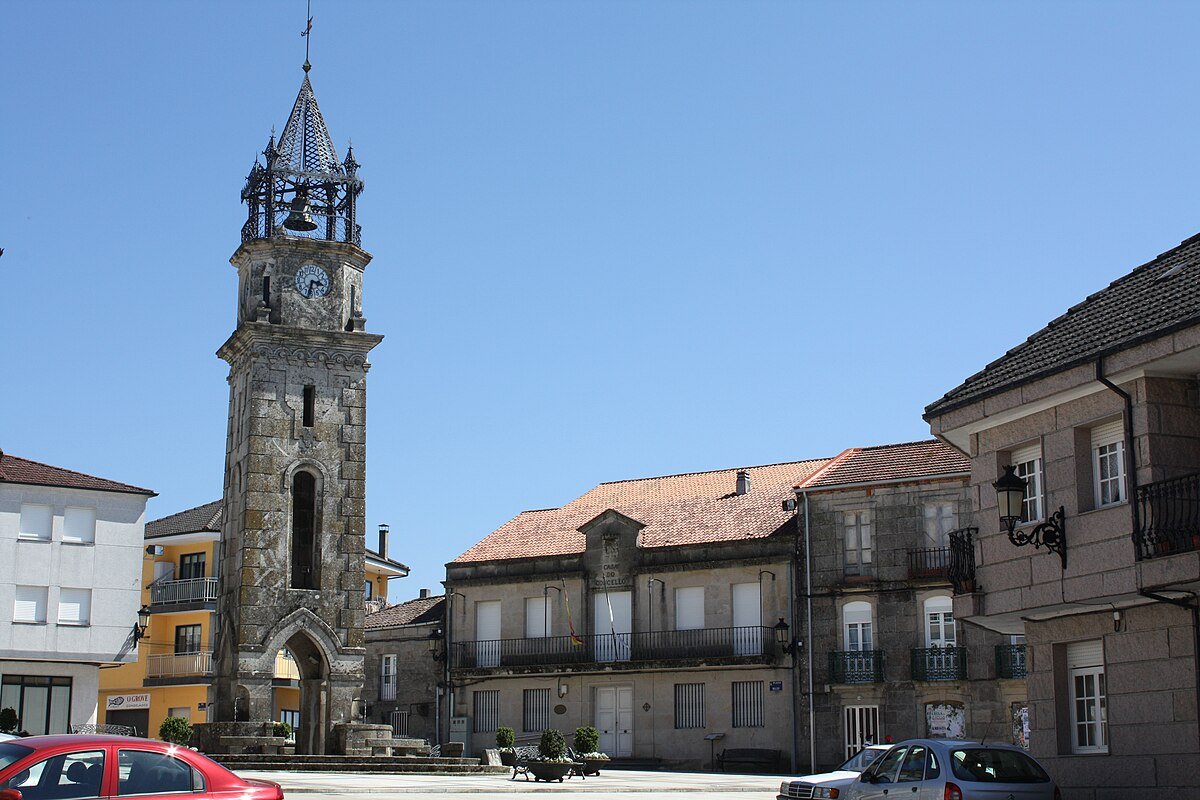
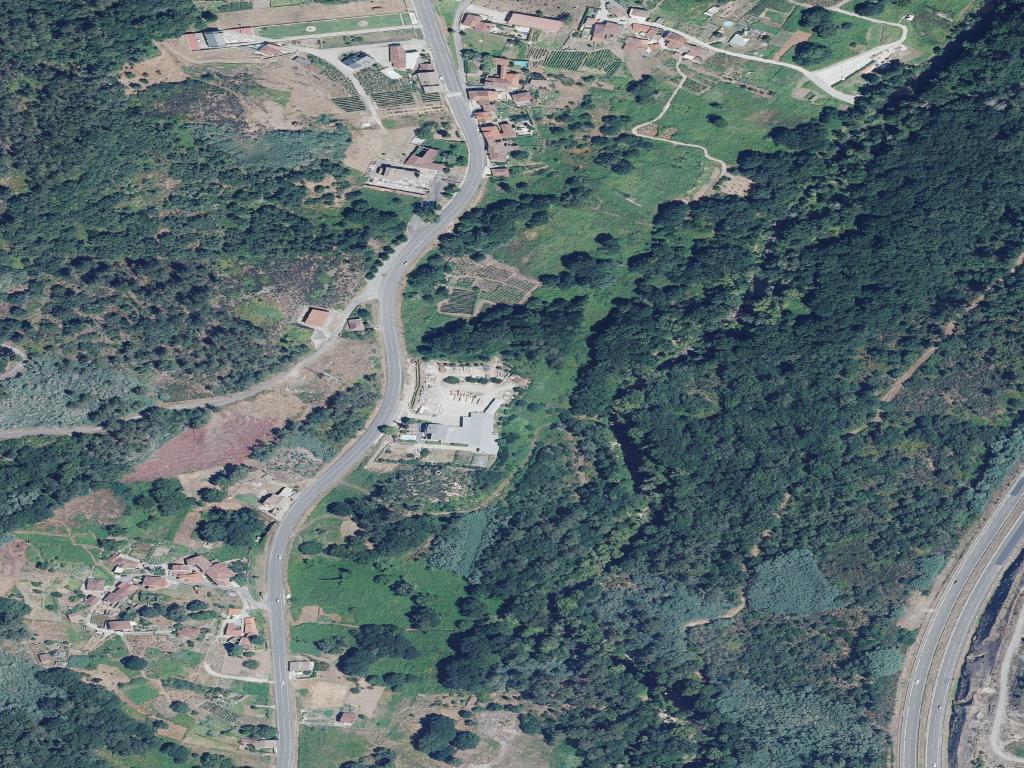
The road winds between chestnut trees, vineyards and scattered houses. You reach Pazos de Arenteiro and it feels like the centre, though not exactly. It is one of those parishes that seems like a full village in its own right.
Here stands the well-known hórreo of Pazos de Arenteiro, long enough to make you pull over even if you had no plans to stop. A hórreo is a traditional raised granary, used to store grain safely above ground. Up close, it becomes clear that this is not just a relic. It still serves its purpose, like many things here. Old, yes, but still part of everyday life.
Romanesque churches that remain part of daily life
Boborás has several Romanesque churches worth pausing for. San Julián de Astureses is usually the one most often mentioned. Built in the 12th century, it has stood here since long before the idea of visiting it as a traveller existed.
What stands out is how unchanged the atmosphere feels. Although it has been protected for decades, it still feels like a parish church rather than a monument. The door is sometimes open, the stone inside is cool, and there is that particular silence found in small churches when no one else is around.
A similar feeling carries over to Santa María de Xuvencos, also Romanesque. It shares that sense of age without feeling detached from daily life.
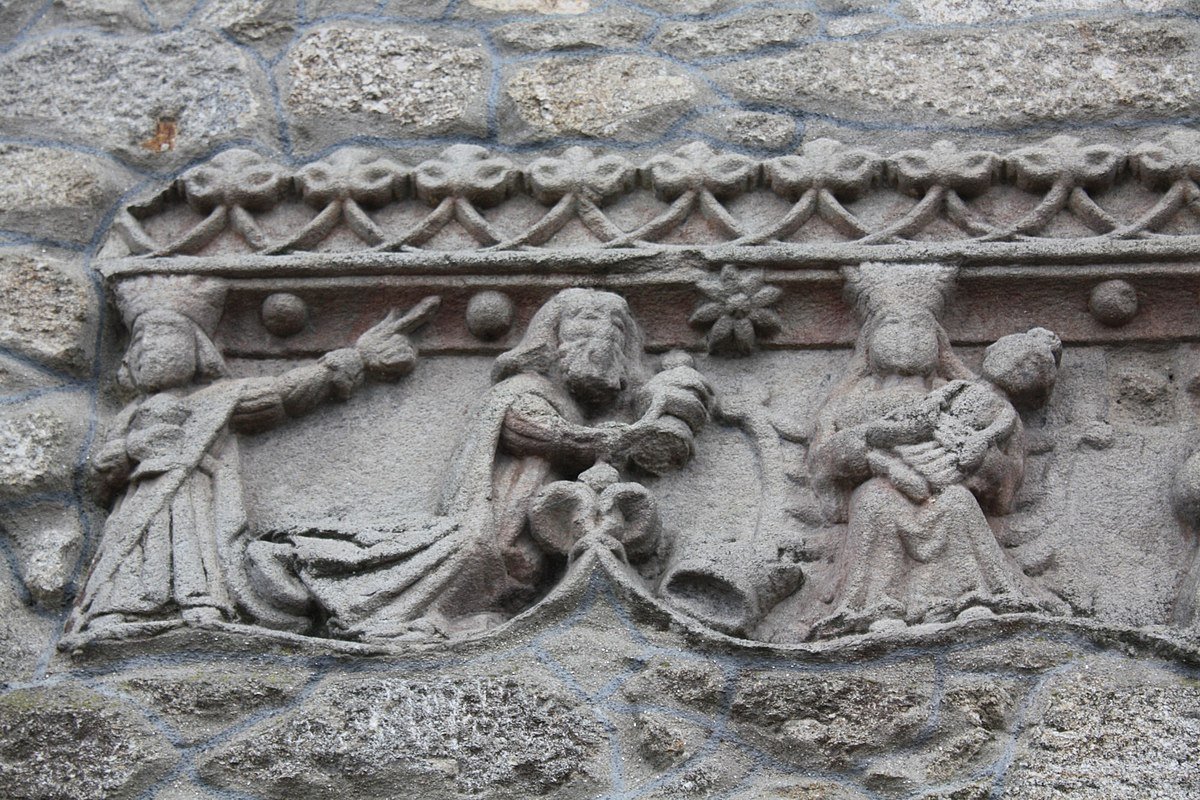
Then there are the details you come across almost by accident. At the church of San Mamede de Moldes, for instance, there is a Templar cross on the bell gable. There are no large panels or spotlights explaining it. It is simply there. Some connect this area with the passage of the Knights Templar centuries ago, though what remains today are fragments like this, small clues rather than a full story.
A Sunday morning in Pazos de Arenteiro
A local once put it simply: if possible, come on a Sunday morning.
In Pazos de Arenteiro, a market often takes place, the kind where time slips by without much notice. You begin by browsing stalls, then someone offers a taste of something, then a glass of wine appears. Before long, half the morning has gone.
Pulpo a feira, a classic Galician dish of octopus with oil and paprika, is usually one of the highlights. It is eaten standing up, surrounded by conversations about the grape harvest, the weather or everyday matters. Nothing is staged for visitors. It is just the rhythm of a typical Sunday.
It does not take long to fall into that rhythm. A couple of hours without checking your phone can pass quickly.
Walking around Moldes and beyond
For those who enjoy walking, there are several paths around Boborás that cross low woodland, chestnut groves and traces of the past. One of the better-known routes in the area links Moldes with the castro Cavadoso.
It is not especially long, though it is also not a paved urban stroll. It is best approached at an easy pace. The castro, an ancient fortified settlement, sits in an elevated position, as these sites often do. Remains of defensive structures can still be made out.
Local tradition holds that this fortification was destroyed during the Irmandiño revolts of the 15th century, when many peasants rose up against feudal power. What remains today are stones, low walls and an open landscape stretching around them.
Spend a moment up there and the choice of location becomes clear.
Wine and conversation
Boborás lies within the Ribeiro wine region, and that presence is easy to notice. Vineyards appear here and there as soon as you move beyond the villages.
The municipality hosts a festival dedicated to local wine, with producers from the area taking part. It is not a large or particularly loud event. It feels more like a big gathering of people who either work with wine or live close to it.
The conversation tends to circle around familiar themes: how the harvest turned out, whether the rain arrived too late, whether the grapes ripened well this year. For anyone interested in listening to those who work the land, these are the kinds of exchanges that stretch on without effort.
Letting the place set the pace
Boborás does not suit a rushed visit. It is not somewhere to tick off quickly.
It works better if you spend an afternoon in Pazos de Arenteiro, walk without a fixed plan, cross the bridge over the Arenteiro river and sit for a while. The appeal lies in that unhurried pace, in noticing how things continue much as they have for years, without needing to draw attention to themselves.