Galicia · Magical

O Irixo

The stone cross appears at a bend before you reach any sort of centre. It's weathered, lichen-spotted, and wedged between a barn wall and somebody'...

1,340 inhabitants · INE 2025
m Altitude

Why Visit

Best Time to Visit

summer

Full Article
about O Irixo

Ocultar artículo Leer artículo completo

The stone cross appears at a bend before you reach any sort of centre. It's weathered, lichen-spotted, and wedged between a barn wall and somebody's front gate. Nobody has bothered to add a sign or a gift shop. That's O Irixo in miniature: the things worth seeing are already there, doing the job they were built for, and they don't care whether you photograph them or not.

A Parish Map Rather Than a Town Plan

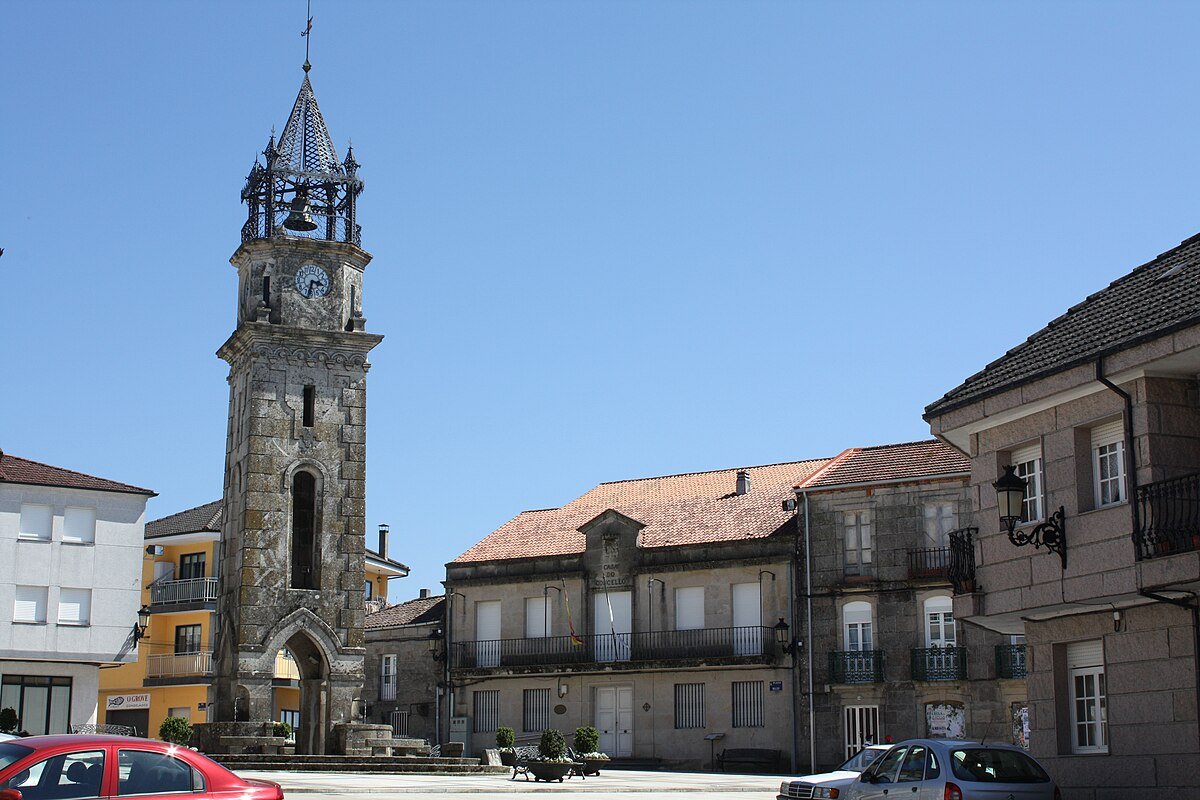
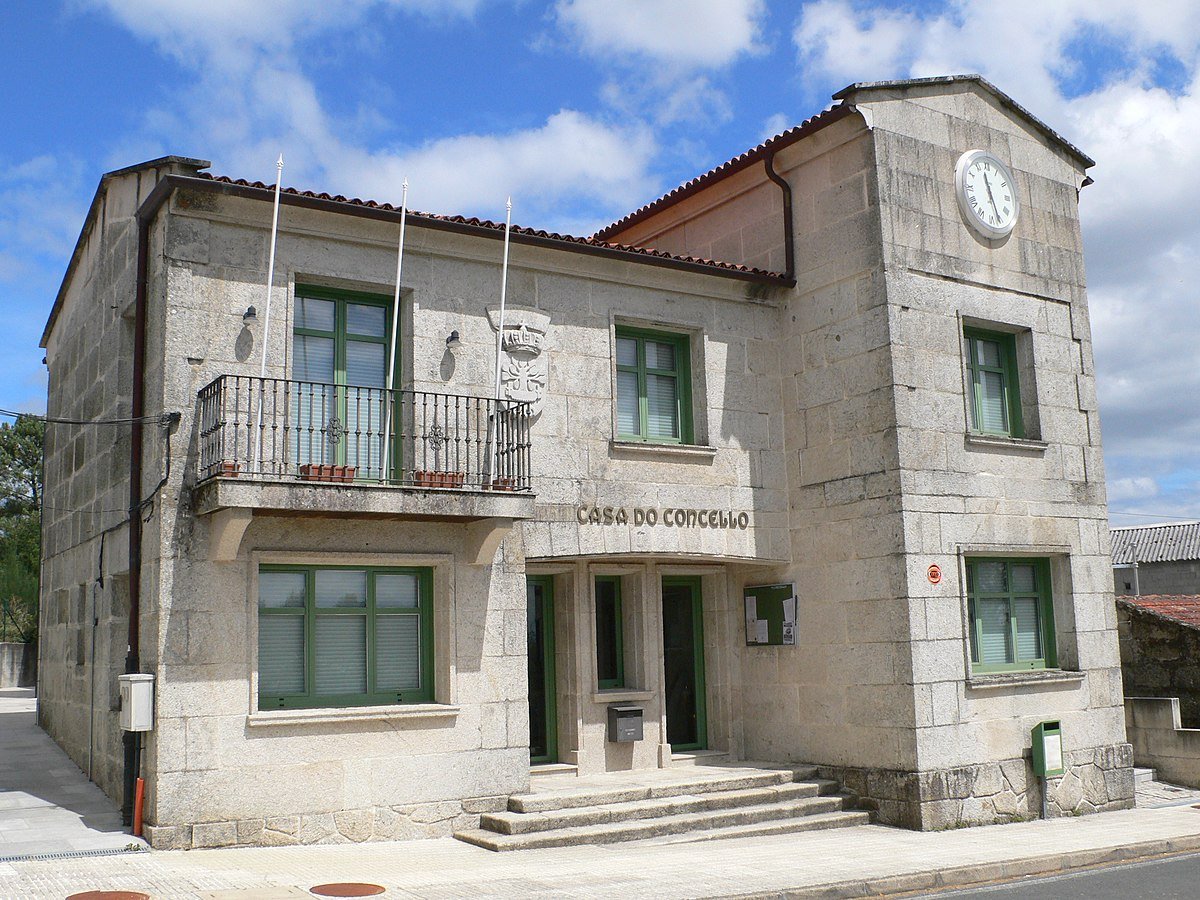
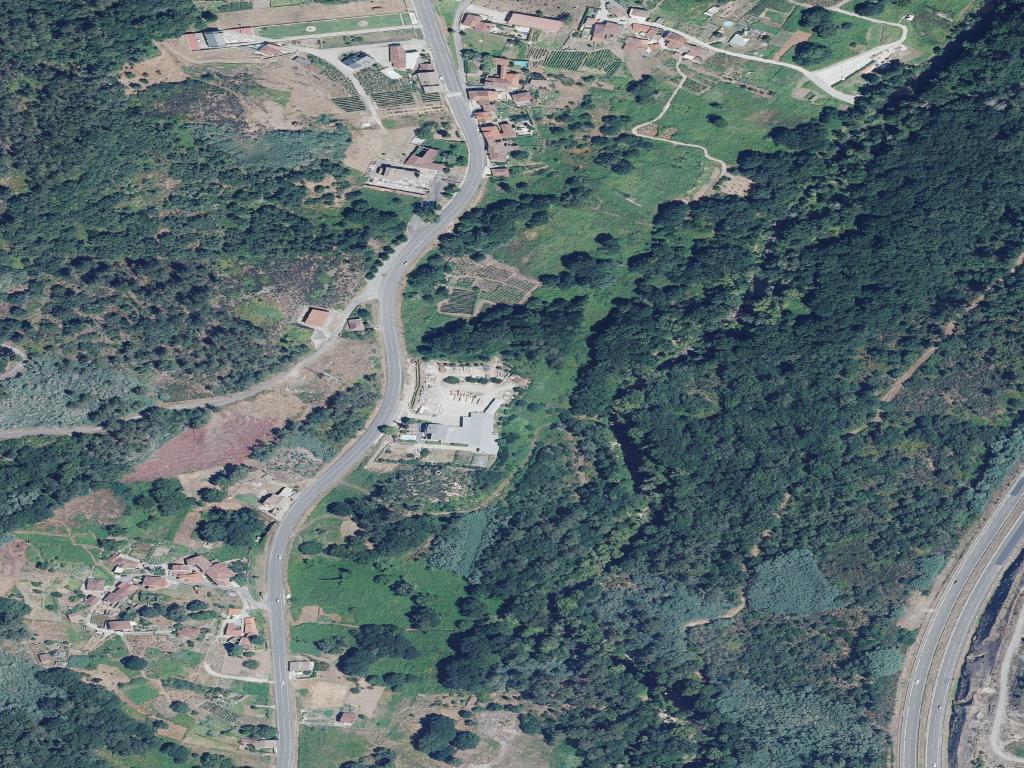
Spread across damp valleys and rolling hills forty minutes south-east of Ourense, the municipality has no single high street or photogenic plaza. Instead it's a loose necklace of hamlets—Arcos, Budiño, Ferreirós, Rial—each with its own stone church, atrium and cemetery huddled together like a family. The population of 5 000 is scattered across 72 km², which explains why a five-minute drive can feel like a private tour of Galicia's countryside.

Stone is the default building material. Granite walls divide pastures, prop up terraced vegetable plots, and line lanes barely wider than a Transit van. Traditional houses wear timber balconies above ground-floor stables; modern breeze-block extensions sprout at the back, proof that people still live and farm here rather than simply pose for visitors. Tractors rumble through at dawn, and the smell of silage competes with woodsmoke depending on the season.

Churches, Crosses and Country Lanes

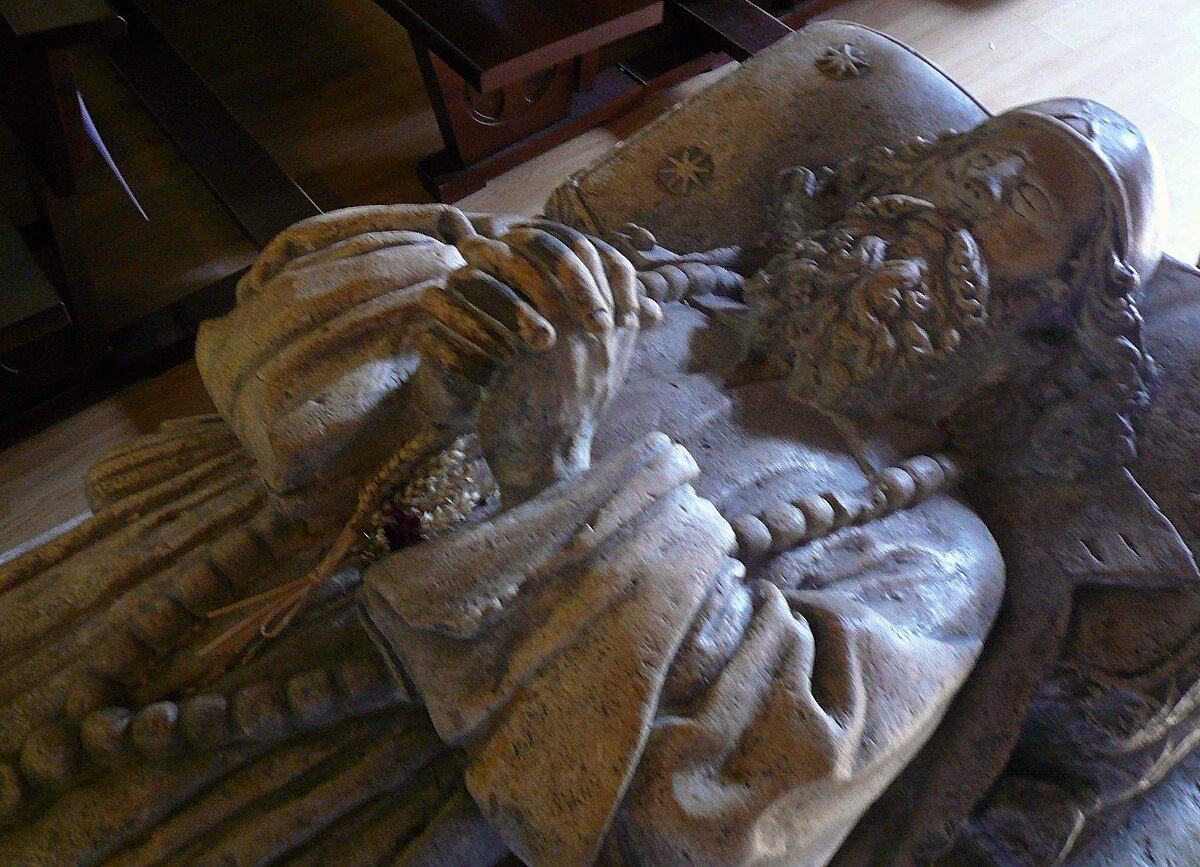
The Romanesque parish churches have lost their tourist virginity several times over—most were extended in the eighteenth century and patched again in the twentieth. What survives is the doorway: chunky columns, capitals carved with acanthus or the odd dragon, sometimes a crude Christ in Majesty squeezed under the tympanum. Step inside and you'll find bare walls, a baroque altarpiece gilded to within an inch of its life, and the inevitable hum of the fridge that keeps the priest's communion wine cold.

Outside, a stone cross (cruceiro) usually marks the junction where the church path meets the road. They were erected to ward off plague, famine or simply bad neighbours; today they act as informal signposts for walkers. Don't expect interpretation boards. Do expect dogs to bark from behind the opposite hedge.

If you prefer your heritage domestic, look for hórreos—granaries raised on stilts to keep rats out of the maize. Many lean like retired sailors, their slate roofs repaired with corrugated iron. Permission isn't needed to admire from the lane, but treading into somebody's yard to frame the perfect shot is the quickest way to discover rural Galician swearing.

Walking Without Waymarks

O Irixo lies on no premium hiking circuit, which is precisely why it suits people who like to read the landscape themselves. Old cart tracks still link villages, crossing streams by narrow stone slabs and climbing through gorse and oak scrub. In April the hills glow with yellow broom and the air smells of damp earth and blossom; by late September it's all chestnut husks and woodsmoke again.

There are no glossy leaflets, so arm yourself with the free Galician map viewer (Xunta de Galicia, MTN50 series) or simply follow the tarmac lane until it turns to dirt, then take the next left. A circular stroll from Arcos to Budiño and back is 6 km, mostly on gravel, and passes three springs where the water is cold enough to make your fillings ache. After heavy rain the clay sticks to boots like setting plaster; in August the same path is powdery and grasshoppers click ahead of each footfall.

When the Hills Taste of the Sea—But Only Just

The province's interior is famous for river fish and veal, yet octopus still sneaks onto local tables. You are 70 km from the Atlantic, close enough for a morning's drive, far enough for transport costs to matter. Locals eat pulpo a feira (boiled, snipped with scissors, sprinkled with pimentón) during fiestas rather than ordinary weekends, so don't arrive demanding a seaside platter. What you will find year-round is caldo gallego—cabbage, potato and white-bean broth—plus pork shoulder slow-roasted until it collapses at the prod of a fork. Set menus in the two village cafés charge €11–13 for three courses, bread and wine, but they close by 16:00 if trade is slow.

Driving, Then Getting Out

A 52 bus runs twice daily from Ourense to O Irixo (45 min, €2.65), but timetables contract on weekends and disappear entirely on public holidays. Hire cars are simpler: take the A-52 south-east, exit 98 towards Dozón, then follow the OU-060 for 12 km of bends tight enough to test the anti-sickness properties of your passenger. Petrol is sold from an unattended 24 h pump in Ferreirós; instructions are in Galician, so brush up on your credit-card Spanish before the fuel light starts flashing.

Parking etiquette is taken seriously. A lane wide enough for a tractor may not accommodate a Range Rover with Essex plates. If stone walls pinch in, stop where the track widens and walk the last 200 m. Farmers will not find it charming to scrape your mirror off with a hay bale.

Seasons That Make You Check the Calendar Twice

Spring arrives late at 600 m above sea level. Oaks leaf out in mid-April, followed by sudden explosions of orchids along the verges. Temperatures hover around 15 °C—perfect for walking—though mist can swallow the valleys until noon. Autumn is the mirror image: crisp mornings, clear light and mushrooms that tempt even the most cautious forager. If you're tempted, tag along with a local mycological society; misidentifying a galerina will ruin more than lunch.

Summer is doable but louder. Mid-July pushes 30 °C and the hills crackle like dry toast. Locals work at daybreak, then retreat indoors until 18:00; sensible visitors do the same. Winter brings slate-coloured skies, sleet that stings sideways and the occasional power cut. Accommodation shuts in the smallest hamlets, so base yourself in Ourense if you insist on a Christmas pilgrimage.

Where to Sleep (and Why You'll Probably Stay Elsewhere)

The municipality has no hotel. Nearest beds are in Aparthotel Arenteiro, 15 km north in O Carballiño (three-star, £65 a night), or the spa complex at Torre do Deza, 20 km south. Both fill up for regional fiestas—especially the Festa do Polvo de O Carballiño on the second August weekend—so book early or expect to drive back to Ourense. Rental cottages appear on Airbnb from £45, but read the small print: some reset the wi-fi router in the owner's house 3 km away.

The Upshot

O Irixo rewards travellers who prefer process to checklist. You will not leave with a selfie beside a world wonder; you may leave with wet boots, a pocket full of chestnuts and the knowledge that somewhere in Europe tractors still have right of way. If that sounds like a decent swap, turn off the motorway and keep an eye out for the stone cross—it means you've arrived, even if Google Maps still thinks you're in the middle of nowhere.

Key Facts

Region
Galicia
District
O Carballiño
INE Code
32035
Coast
No
Mountain
No
Season
summer

Livability & Services

Key data for living or remote work

2024
ConnectivityFiber + 5G
Housing~5€/m² rent · Affordable
Sources: INE, CNMC, Ministry of Health, AEMET

Planning Your Visit?

Discover more villages in the O Carballiño.

View full region →

More villages in O Carballiño

Traveler Reviews