Full Article
about Piñor
Hide article Read full article
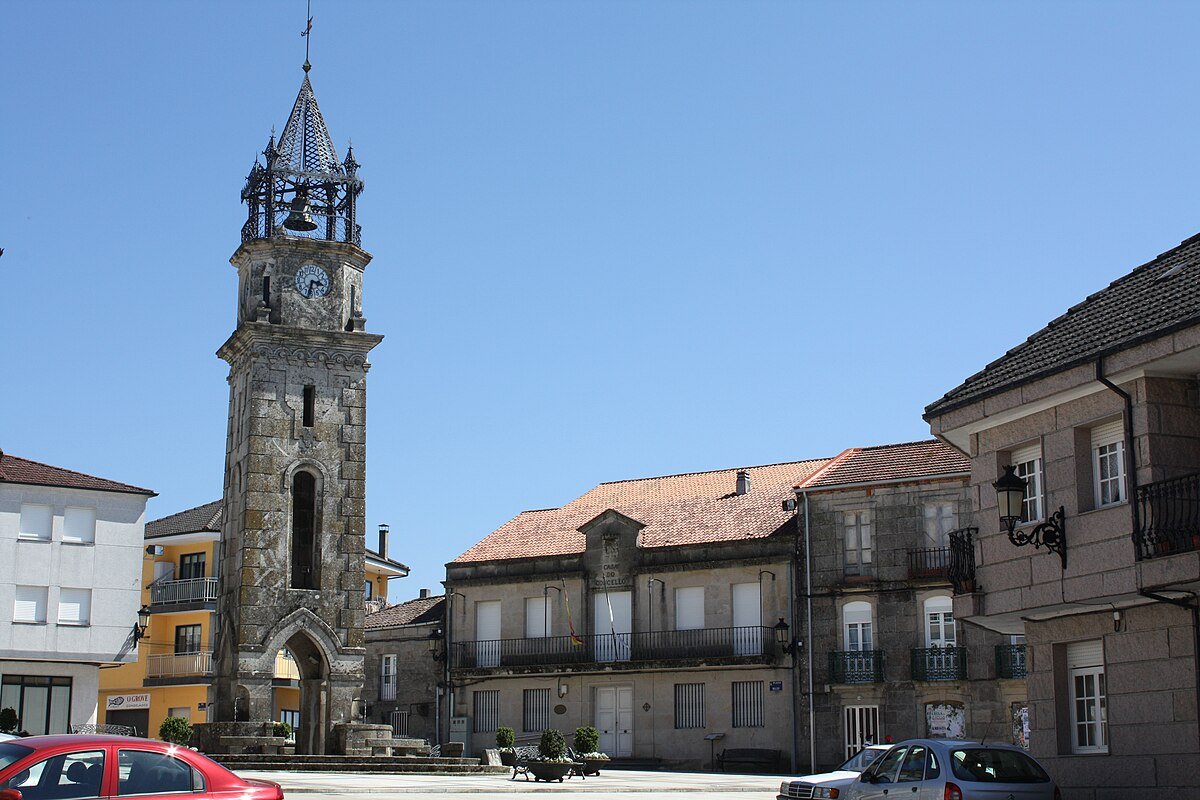
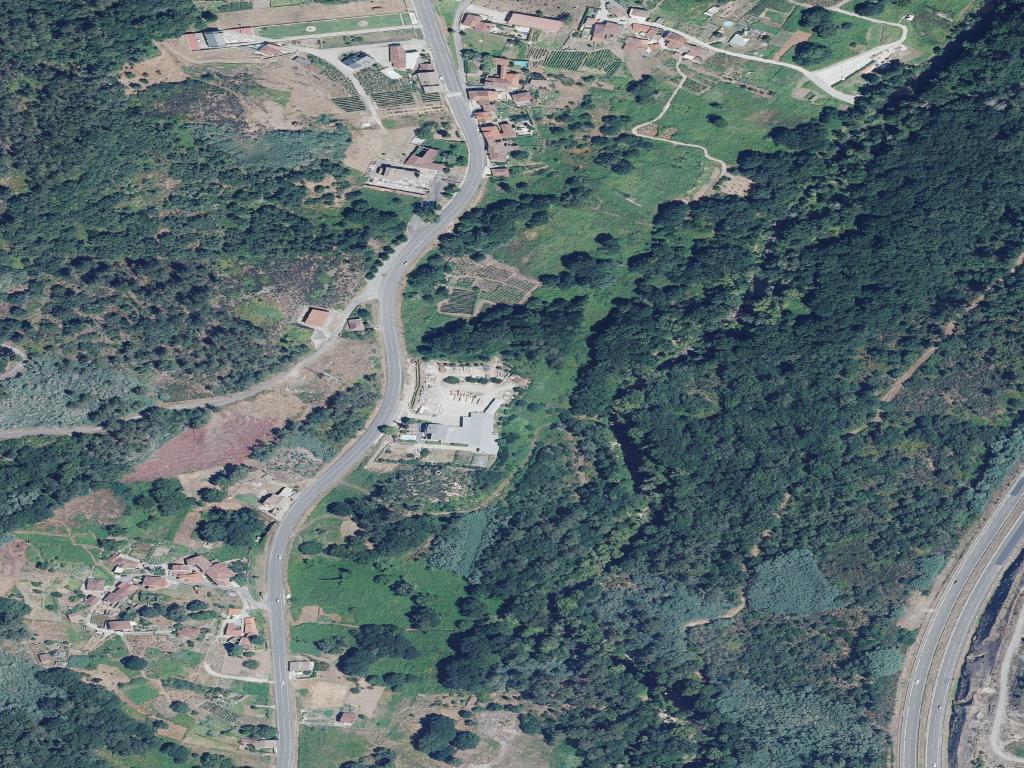
At eight in the morning, mist drifts along the Arenteiro valley as if a damp wool blanket had been thrown across the vineyards. From the slope of San Salvador de Lebosende in Piñor, slate roofs appear and disappear in the haze: dark granite walls, narrow chimneys, the odd cockerel breaking the silence before the first car passes along the OU‑536 towards Ourense. The air carries the scent of wet chestnut wood and recently lit fires.
The day begins slowly here. The regional road cuts through the municipality with little traffic and, apart from early morning, the most constant sound is often the river slipping between alder trees.
Piñor is not a place of grand landmarks or busy streets. Its appeal lies in small shifts of light, the rhythm of the seasons and the way the landscape seems to fold in around its villages.
Chestnut Season and Communal Tables
When autumn arrives, Piñor changes pace. October usually brings the smell of burning logs and freshly split chestnuts. In the Praza do Arenteiro, long tables are sometimes set up alongside large pots where callos, a traditional tripe stew typical of Galicia, are prepared for anyone who turns up. It is not a formal festival with strict ceremony. People sit wherever they find space, a jug of wine is passed from hand to hand, and the hum of conversation grows as the afternoon fades.
If visiting at this time of year, sturdy footwear is a good idea. The paths that descend towards the river, including those around O Peilán, are covered in fallen chestnut leaves and mud often hides beneath them. In return, the landscape shifts in tone every few metres: ochres, muted yellows and very dark greens. The Arenteiro carries more water and can be heard before it comes into view.
Autumn here is tactile and earthy. Leaves cling to boots, smoke lingers in clothes, and the river runs fuller and louder than it does in summer.
Ruins Open to the Sky
The church of San Paio de Loeda has stood in ruins for decades. Its walls remain upright, yet the interior has long since opened to the sky. Thick moss spreads between the stones and a young tree has taken root where the altar once stood. The site appears on heritage-at-risk inventories, although the reality is straightforward: maintaining old buildings weighs heavily on small municipalities.
From this higher ground there are views across the valley of the Salvaboa river as it winds between oak trees. Near Albarona, several paths follow the course of the water. Some stretches are easy to walk, others more uneven, with wooden footbridges and traces of older constructions linked to mills or small factories that once relied on the river’s force. Further on lies the fervenza de Lousado, a waterfall that roars far more in winter than in summer.
On warm days, clear pools form where it is possible to dip tired feet. Even in July, the water runs cold.
The atmosphere along these river paths shifts with the seasons. Winter brings stronger currents and a deeper sound from the waterfall. In summer, shade from the trees and the chill of the water offer relief from the heat.
When the Village Fills, and When It Empties
Summer gives the municipality a different expression. Many houses that remain closed through winter reopen when families return from Ourense, Madrid and other cities. Cars reappear at the entrances to the hamlets and, in the late afternoon, children’s voices echo through the streets.
The parish festivals of summer concentrate most of the activity. For a few days there is music in the square, bonfires in some neighbourhoods and improvised stalls scented with hot sugar and oil. Anyone seeking peace would do well to avoid those dates. Those curious to see the village at its liveliest will find exactly that.
An ordinary Sunday in September tends to feel very different: clear skies after the strongest heat, vineyards beginning to turn golden and few people about. It is easy to end up sitting on a low stone wall, listening to insects buzzing in the brambles and the sharp thud of a door closing somewhere in the distance.
These quieter moments reveal the slower pulse of Piñor. Without the summer gatherings, attention shifts back to the fields, the vines and the changing light over the hills.
The Camino That Passes Through
The Camino Sanabrés of the Vía de la Plata, one of the pilgrimage routes leading to Santiago de Compostela, crosses Piñor discreetly. Many pilgrims arrive from Ourense late in the morning and continue on without lingering. Waymarks guide them across the ponte da Mirela, a small stone bridge over a stream where water runs between reeds and dark mud.
Step off the asphalt and down towards the channel and the granite of the bridge appears worn smooth by centuries of passage: livestock, carts, walkers.
Nearby stands the Pazo de Coiras, a large manor house now mainly seen from the outside. Its façade retains a weathered coat of arms and where the render has fallen away, the old stone beneath is visible. The building has changed hands over time and belongs to a private property, so it is generally viewed from the path.
Above the roof rises an enormous chestnut tree. In autumn, its branches almost touch the outer wall.
The Camino here does not dominate the landscape. It threads through it quietly, another layer in a setting shaped by agriculture, small rivers and scattered villages.
Getting There, and Reasons to Return
Piñor lies around 18 kilometres from Ourense along the OU‑536, a road that rises and falls between vineyards and small settlements. Most visitors arrive by car. Public transport does exist, although connections are usually limited and checking ahead is advisable.
The climate can be deceptive. Even in summer, temperatures drop quickly once the sun sets. A light jacket is welcome for an evening walk, especially in areas near Monte Seixo.
A good time to return is on a grey autumn day, when the mist hangs low over the Arenteiro valley and the scent of damp chestnut wood drifts through the air once again. On such mornings, Piñor feels suspended between river and hillside, its slate roofs emerging and fading with the movement of the fog.