Full Article
about Pontedeva
Ocultar artículo Leer artículo completo
The stone cross appears where the tarmac narrows. Not on any map, not in any brochure—just there, where the road forks between vineyards and somebody's front garden. This is how Pontedeva announces itself: not with fanfare, but with a medieval cruceiro that probably started life as a waymarker for pilgrims who've been dead six centuries.
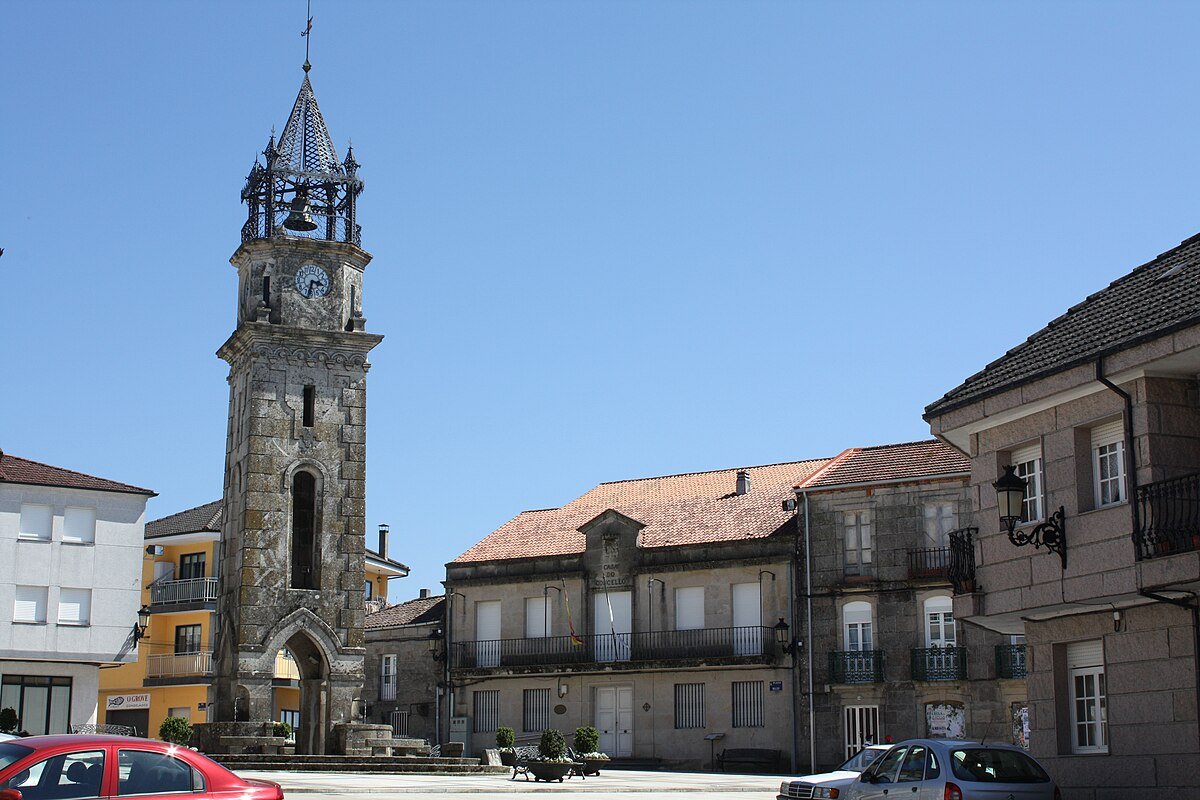
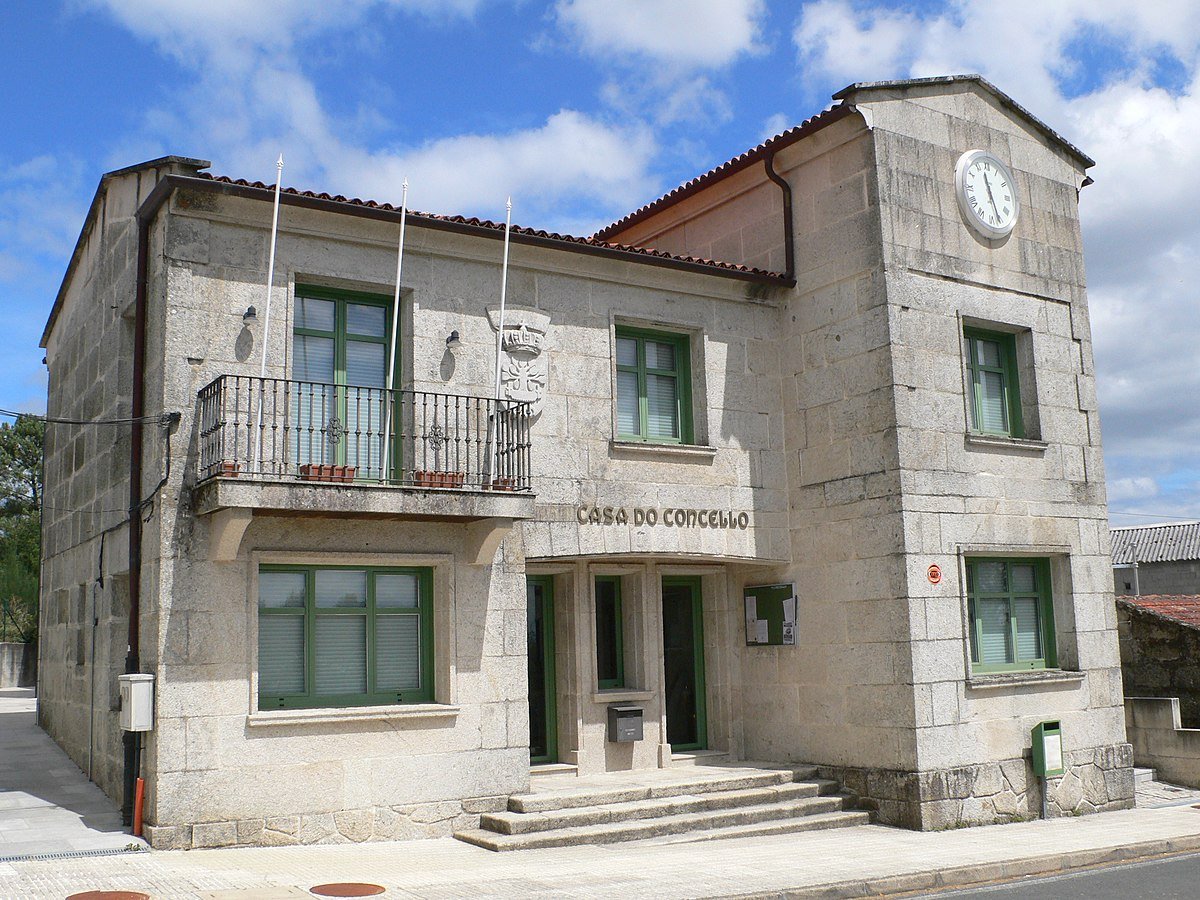
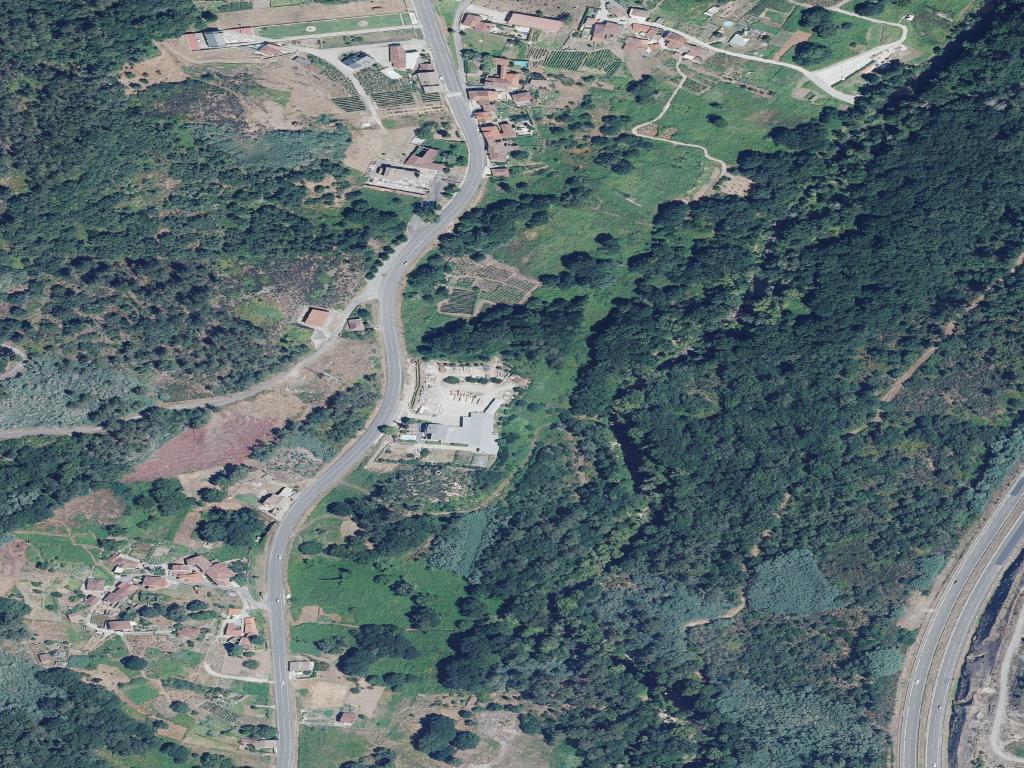
Welcome to interior Galicia, where the guidebooks thin out and the stone walls grow thicker. Pontedeva sits forty minutes west of Ourense, spread across half a dozen parishes that have more chestnut trees than residents. The municipality totals 5,000 souls, though you'd never guess it from driving through—houses scatter across hillsides like someone spilled them from a sack, each cluster separated by vineyards, maize fields, and lanes that require nerves of steel and a small car.
The Architecture That Wasn't Built for Instagram
Forget the postcard Spain of flamenco and sangria. Here, it's all hórreos—those stone granaries on stilts that look like tiny houses for very tall mice. They're still used, still functional, still filled with this year's corn harvest. One sits beside a 1970s bungalow. Another leans against a barn whose roof has been patched with corrugated iron that flaps in the wind like a drunk seagull.
The churches won't make it onto any Romanesque highlights tour. They're working buildings, plastered and repainted so many times that any medieval stone is buried under centuries of whitewash and good intentions. San Vicente do Pino in Parada has a 12th-century base, but you'd need an archaeologist's eye to spot it through the 18th-century baroque additions and the 1990s roof tiles. What matters here isn't the datestone—it's the fact that someone's great-grandmother was baptised here, married here, buried from here.
Walk twenty minutes up any lane and you'll find a lavadero—the village washhouse where women gathered until surprisingly recently. The stone basins still hold water, fed by springs that taste of iron and earth. Moss grows thick on the north sides. Local teenagers have added graffiti that would make their grandmothers blush, though probably not as much as the grandmothers' own conversations did in their day.
Wine, Chestnuts, and the Art of Getting Lost
The vineyards dominate south-facing slopes. This is the Ribeiro denomination, where farmers have grown grapes since the Romans arrived with their sandals and their organisational skills. The wine is mostly white—light, acidic, designed to cut through the region's love affair with pork fat and octopus. Bodega Requeijada in nearby San Cristovo will sell you a bottle for €6, poured from an unlabelled jug into whatever container you've brought. It's the same wine their family has made for four generations, give or take a few modern stainless-steel tanks.
October brings the chestnut harvest. The forests that cover north-facing hills turn copper, and the air smells of woodsmoke and roasting nuts. Local families spend weekends filling sacks with castañas—chestnuts that'll be boiled, roasted, or ground into flour for pancakes that taste faintly of Christmas. If you're here in autumn, follow the smoke. Someone's always roasting chestnuts over a metal drum, selling paper cones for two euros a pop.
The roads here require a new philosophy of navigation. Signposts exist, but they're more like gentle suggestions. Take the turning by the cruceiro, drive until the tarmac turns to gravel, keep going until you see a house with blue shutters. If you reach the river, you've gone too far—unless you're looking for the river, in which case turn left at the eucalyptus grove and hope for the best. GPS gives up entirely. This is how Pontedeva prefers it.
When the Weather Turns (And It Will)
Galicia's Atlantic climate means weather that changes faster than British politics. Morning fog lifts to reveal thirty-degree heat by lunchtime, followed by a thunderstorm at three and a clear sunset that turns every stone wall golden. The locals have given up trying to predict it—they just carry umbrellas in August and sunscreen in December.
Winter brings its own challenges. The mountain roads—yes, Pontedeva has mountains, though they're the modest, rolling kind that British hills would find reassuringly familiar—can ice over. Chains become necessary, not optional. But winter also means empty lanes, wood fires in every kitchen, and the satisfaction of reaching a village pub (they call them bars here, but they serve the same purpose) with mist rising off your coat.
Summer crowds don't really exist. The beaches are an hour away—Sanxenxo, O Grove, places where British tourists cluster like seagulls around dropped chips. Here, the only foreigners are the occasional German cyclist who's taken a wrong turn somewhere near Santiago. The peace is absolute, broken only by church bells and the occasional tractor whose driver waves at every passing car because he probably knows who you visited last summer.
The Practical Business of Not Getting Stuck
Drive from Ourense on the A-52, exit at Celanova, then follow the OU-301 towards Ribadavia. After six kilometres, take the left fork signposted Pontedeva—though the sign's half-hidden by brambles and might not exist depending on recent weather. Hire cars should be compact; anything larger than a Ford Focus will involve some interesting reversing when you meet a delivery van around a blind corner.
Accommodation is scattered and basic. Casa Rural O Castelo in neighbouring Casal places you in a converted stone house with beams that date back to when tall people were shorter. €60 per night gets you breakfast featuring homemade marmalade and eggs from chickens you can see pecking outside your window. They'll lend you wellies for walking—accept them. The paths are muddy even in July.
Eat where you see trucks parked outside. Bar O Cruceiro in Parada serves tortilla that's still runny in the middle, accompanied by wine that tastes of the region's granite soils. Menu del día runs €12 including coffee—though they'll look surprised if you order it after 3 pm, when sensible people are having their siesta. The octopus comes from the nearby river, not the sea, and tastes better for it.
The Honest Truth About Silence
Pontedeva isn't for everyone. If you need constant stimulation, nightlife, or souvenir shops selling fridge magnets shaped like bulls, stay on the coast. This is a place that rewards patience and punishes hurry. The beauty lies in accumulation—three stone houses and a fountain, a vineyard that someone's great-grandfather planted, a cruceiro where generations have paused to wonder which way to go next.
Some visitors leave after two hours, complaining there's nothing to see. They're right, in a way. There are no highlights, no must-sees, no Instagram moments that'll make your followers jealous. Just stone walls built by people who knew their great-grandchildren would need those boundaries, and chestnut trees planted by someone who'd never taste their fruit, and lanes that lead places but never rush to arrive.
Come when you need reminding that places still exist that weren't designed for visitors. Bring walking boots and time. Leave before you start thinking that a stone cottage with grape vines might solve all your problems—it won't, but Pontedeva will let you believe it might, at least until the rain starts again and you remember why British people invented central heating.
The cruceiro will still be there when you leave. It was there before you arrived. That's sort of the point.