Full Article
about Punxín
Ocultar artículo Leer artículo completo
The stone wall isn't meant to impress anyone. It simply exists, holding back earth that's been worked since before the Romans bothered with this corner of northwest Spain. That's Punxín's first lesson: nothing here performs for visitors. The village of 5,000 souls, forty minutes inland from Ourense, measures time by agricultural seasons rather than tourist schedules.
The Geography of Everyday Life
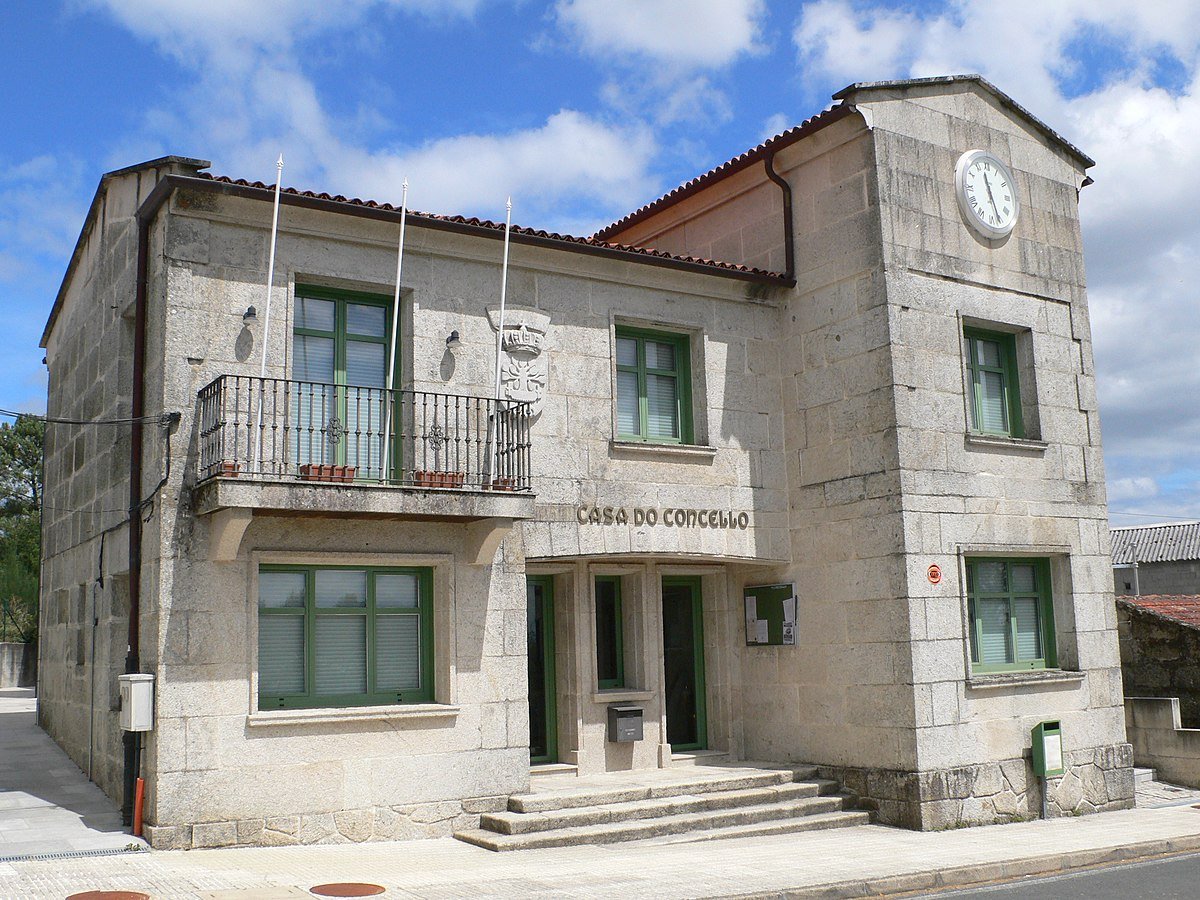
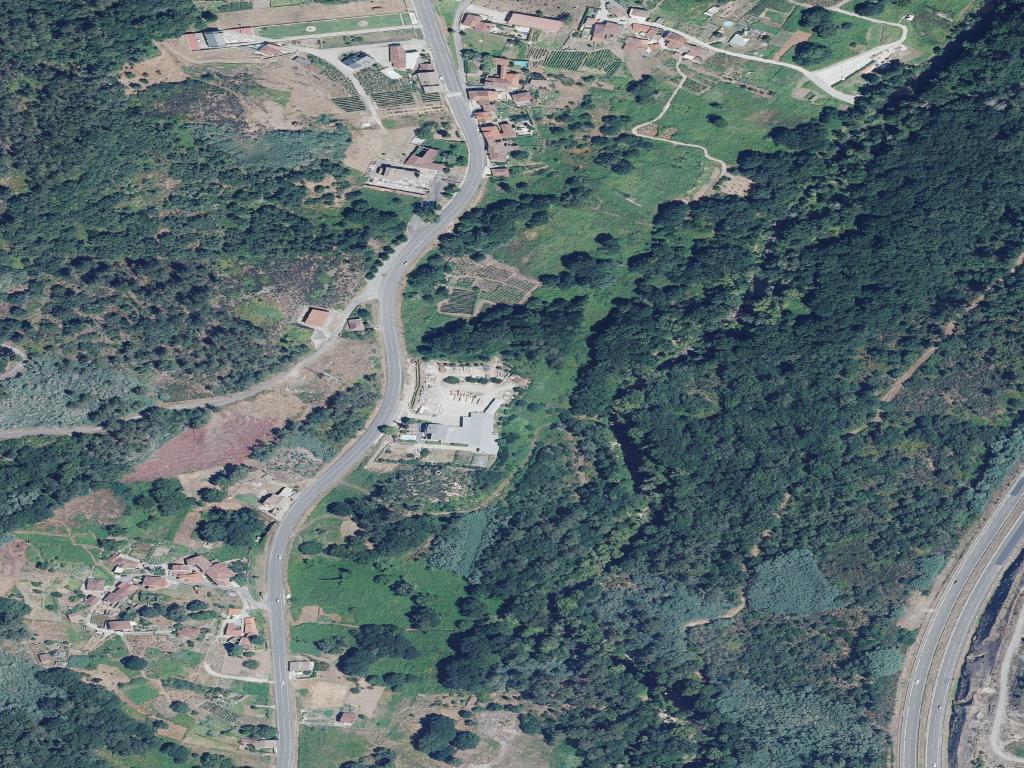
Punxín sits at 450 metres above sea level, high enough to escape Galicia's coastal mists but low enough to avoid harsh mountain winters. The landscape rolls rather than dramatics—gentle slopes planted with vegetables, scattered vineyards, and pockets of oak and chestnut that weren't worth clearing. Granite farmhouses squat low against the wind, their slate roofs weighted down with stones that have blown off in Atlantic storms for centuries.
The municipal boundaries stretch across 32 square kilometres of working countryside. This isn't protected parkland or carefully preserved heritage site. It's farmland that happens to have people living on it, growing food that appears in Ourense's markets and eventually on plates in Santiago de Compostela's restaurants sixty kilometres away. The distinction matters because it shapes everything about visiting here.
Walking tracks follow the logic of agricultural access rather than scenic viewpoints. A path that looks inviting on Google Maps might dead-end at someone's vegetable plot. The official PR-G 164 trail skirts the village for 12 kilometres, connecting hamlets through a landscape that changes dramatically with seasons. Spring brings wildflowers between the terraces; by late July, everything's the colour of toast except where irrigation channels keep plots green.
Reading the Landscape
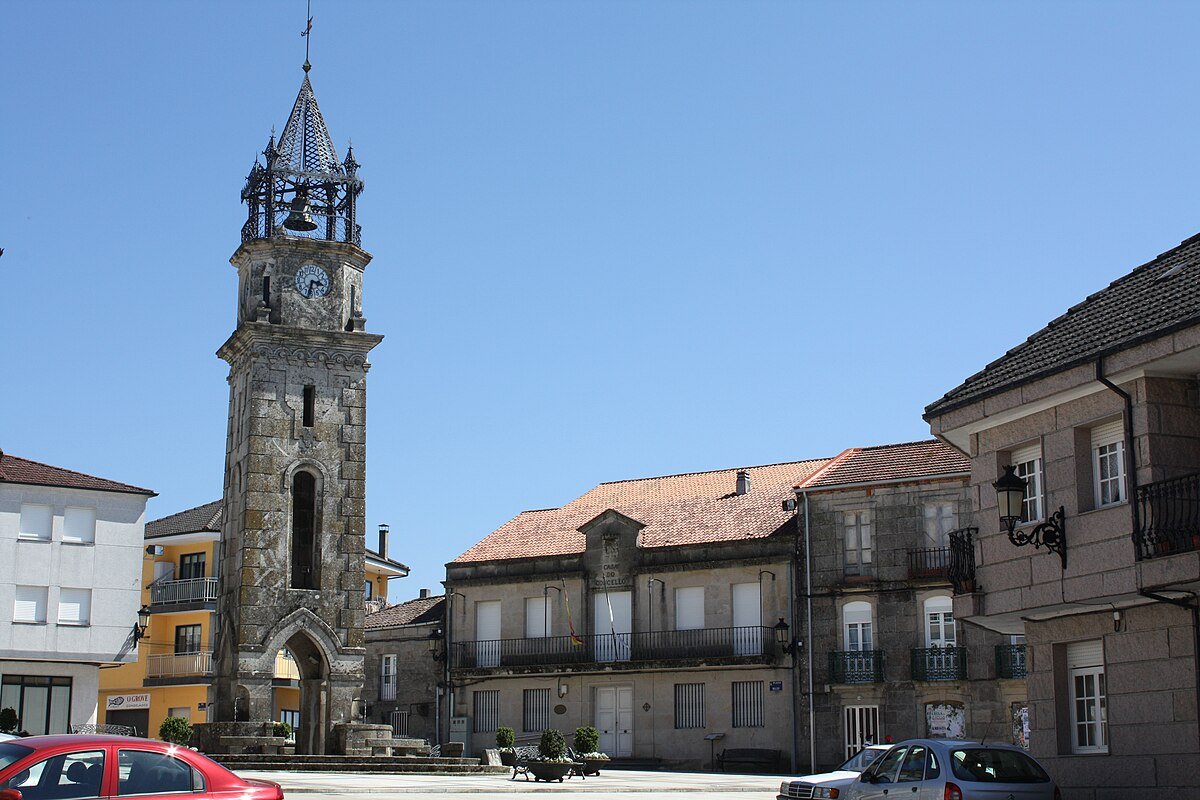
The village centre clusters around the nineteenth-century parish church, but Punxín's real architecture is infrastructural. Horreos—raised granaries on stone stilts—stand beside houses like medieval garden sheds. Their stone caps aren't decorative; they stop rats reaching stored corn. Wash houses fed by natural springs served as social centres before indoor plumbing, though most villagers now use them for potting plants.
Medieval cruceiros—stone crosses—mark crossroads where tracks meet tarmac. These weren't purely religious; they indicated boundaries between parishes when this land meant the difference between survival and starvation. Modern visitors photograph them for their carved complexity, but locals barely notice structures that have always been there, like remembering to admire the post box.
The agricultural calendar writes itself across every surface. January's almond blossom gives way to March vegetable planting. June brings haymaking that fills the air with dust and pollen. September's grape harvest sees small tractors hauling trailers of fruit to local cooperatives. November's olive picking happens simultaneously with winter wheat planting. Nothing's ornamental; even the flowers in village gardens have medicinal or culinary purposes.
Moving Through the Territory
Cycling works better than walking for covering ground, though Punxín's roads punish overconfidence. Secondary tarmac rises and falls constantly—nothing dramatic, just relentless gradients that average 6% over kilometres rather than metres. A decent hybrid bike handles the terrain; road bikes with racing tyres struggle on rougher sections. Mountain bikes prove overkill unless venturing onto forestry tracks where permission remains ambiguous.
The O Carballiño wine route passes through municipal boundaries, though signage assumes you already know where you're going. Small producers welcome visitors who phone ahead, particularly during harvest season. Expect to taste wines that rarely leave the province—white Treixadura grapes dominate plantings, creating crisp wines that cut through Galicia's rich cuisine. Tastings cost €5-8, refundable against purchases. Most producers close for lunch between 2-4pm because, well, they have fields to tend.
Driving requires different skills than Britain's country lanes. Single-track roads with passing places connect hamlets, but these aren't quaint features—they're working routes for agricultural machinery. Meeting a tractor hauling hay bales wider than your rental car requires reversing to the nearest gateway. The driver won't be angry, just puzzled why you chose to drive somewhere clearly designed for tractors.
When Things Go Wrong (and Right)
Summer visits demand planning. Temperatures reach 35°C by midday, when even villagers retreat indoors. Morning walks need finishing by 11am; evening excursions start after 6pm when shadows stretch across the valleys. Mid-afternoon sightseeing means driving between villages with air conditioning, which rather misses the point of visiting somewhere defined by its relationship with outdoor work.
Winter brings different challenges. Rain isn't dramatic—Galicia's weather systems exhaust themselves on coastal mountains—but persistent drizzle turns unsurfaced tracks to mud that clings like concrete. Proper waterproof boots become essential; trainers dissolve into soggy mess within minutes. The compensation comes with empty landscapes and the smell of woodsmoke from every chimney, plus restaurants serving proper winter food rather than tourist menus.
Spring and autumn provide the sweet spots, when temperatures hover around 18-22°C and the countryside works at full intensity. March sees villagers planting potatoes using methods unchanged for generations. October's mushroom season transforms quiet woodlands into free supermarkets for those who know where to look. Both seasons attract Spanish weekend visitors, though "crowds" here mean encountering five other people on a walking trail instead of two.
Eating and Sleeping
Accommodation options remain limited for good reason—Punxín isn't trying to attract coach parties. The municipal albergue provides basic rooms from €15 nightly, though facilities reflect prices. Better options lie in nearby O Carballiño, ten minutes drive away, where Hotel Carrís offers modern rooms from €60. Camping isn't officially permitted, though wild camping happens discreetly in forestry areas with leave-no-trace principles.
Food follows agricultural cycles rather than tourist expectations. Local restaurants serve what's available, which means vast quantities of vegetables in spring, game in autumn, preserved meats in winter. The €12 menú del día isn't tourist pricing—it's what workers pay for substantial lunches that fuel afternoon labour. Expect soup, meat or fish, dessert, wine and coffee. Vegetarian options exist but require asking; vegan choices mean explaining precisely what that means in Spanish.
The weekly market visits on Thursdays, setting up in the main square from 9am until produce sells out—usually by 1pm. Stalls sell vegetables grown within sight, cheese made ten kilometres away, and bread baked in wood-fired ovens that operate maybe twice weekly. Prices undercut British farmers' markets by half, but this isn't bargain tourism for visitors. It's how villagers shop.
Leaving Without Regrets
Punxín rewards visitors who abandon checklist mentalities. The village offers no monuments to tick off, no Instagram moments beyond what you create yourself. Instead, it provides something increasingly rare: a place where tourism hasn't rewritten local logic. Farmers work fields whether visitors appear or not. Restaurants serve food appropriate to season and budget rather than international expectations.
The real discovery comes through understanding how places function when they aren't performing for outsiders. Watch how villagers greet each other by name across the square. Notice how cars stop to let elderly residents cross roads because everyone knows everyone. Observe how the bar serves coffee at 7am for workers and 10am for retirees, but never employs staff to smile on command.
Leave the car somewhere sensible and walk until the village makes sense as somewhere people live rather than somewhere people visit. That's when Punxín reveals its actual purpose—not as destination but as example of how most of Spain actually operates when tourists aren't watching. The revelation might prove more valuable than any souvenir.