Full Article
about San Amaro
Hide article Read full article
A Parish Geography
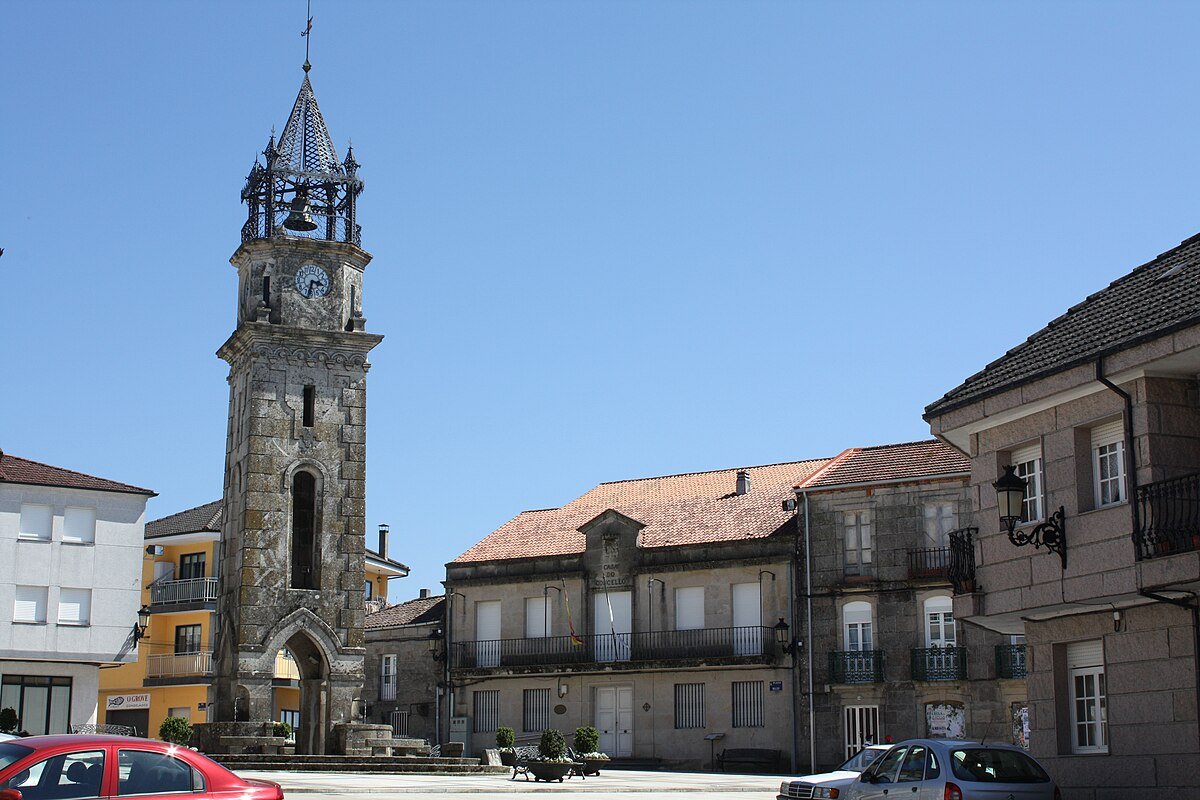
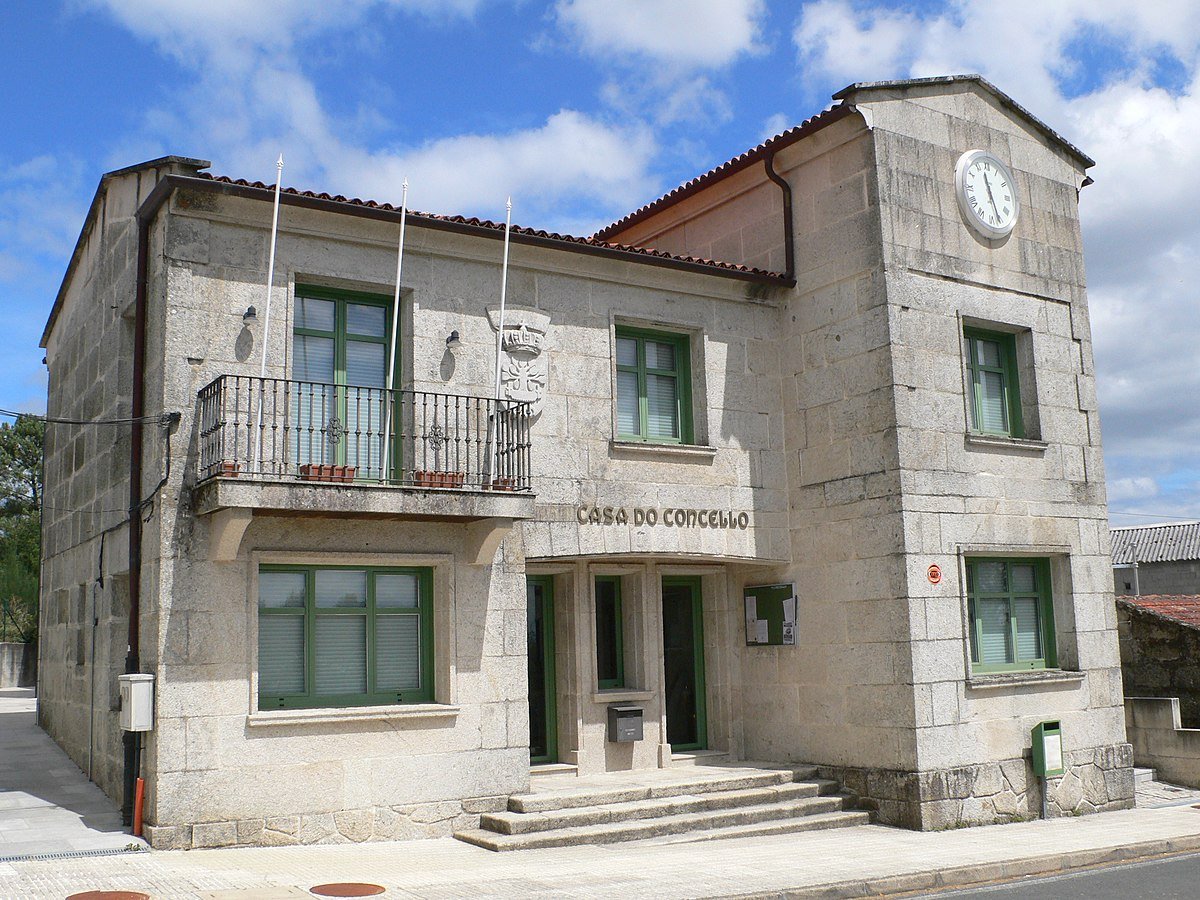
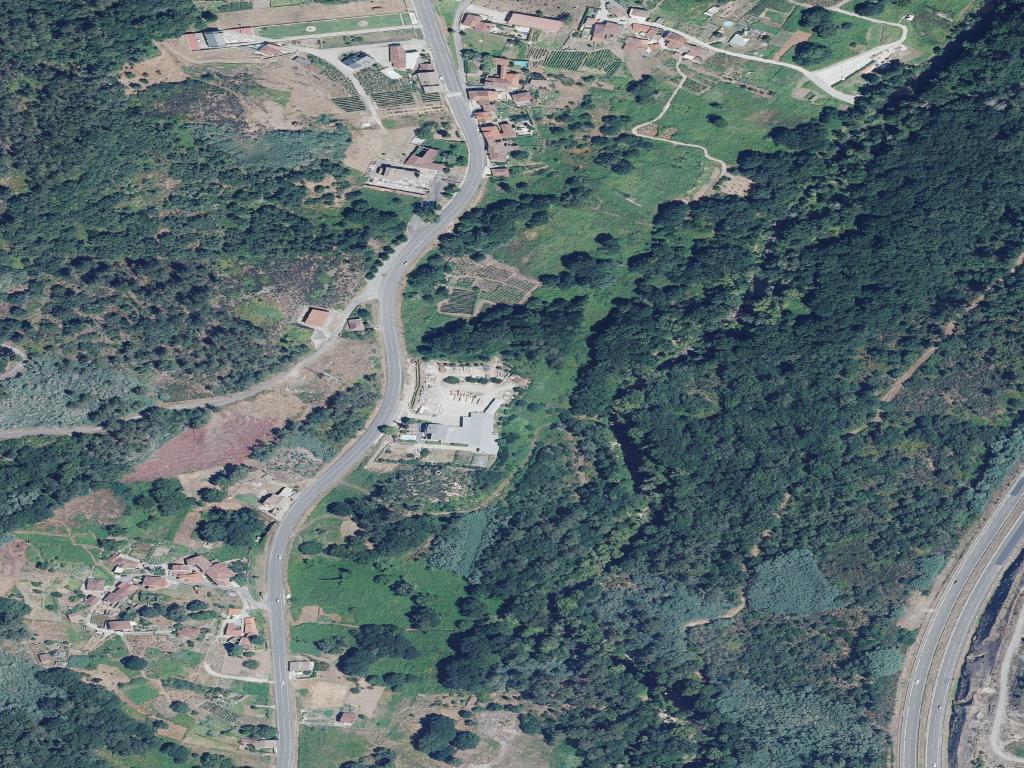
The municipality of San Amaro sits inland from Ourense, within the comarca of O Carballiño. Its structure is the classic one of rural Galicia: a collection of parishes, each a grouping of small villages, separated by meadows and stands of oak and chestnut. There is no central town. The administrative centre is a small cluster of buildings, but life and history are dispersed across the territory. To understand San Amaro is to understand this parish system.
Each parish church—San Amaro, Santa María de Oseira, San Pedro de Vilar de Astrés—anchors its area. Their architecture is restrained, stone-built with modest bell gables, often Baroque inside though not always accessible. Their placement still explains the old organisation of the land. Around them, you find the other constant elements: cruceiros marking crossroads, hórreos for grain storage, communal washing places, and the occasional pazo or manor house, most still private and viewed from the lane.
The Elements of the Land
The cruceiros and hórreos are not attractions; they are part of the working landscape. The stone crosses define boundaries and routes. The granaries, raised on pillars to keep grain dry, stand close to houses—some restored, others still in use. You see them while walking from one village to the next.
Water shapes the land, too. Small streams run through the shallow valleys. Along them, you might find the remains of a mill or a washing place. These aren’t preserved sites, but they tell you how the streams were used: for grinding, for laundry, for defining the edges of a village.
On Foot or by Bicycle
The way to see San Amaro is by moving between its villages. Many old paths remain, linking parishes with gentle changes in elevation. They are not always waymarked; having a map or a navigation app is useful. If time is short, pick one parish and walk its network of lanes. You’ll see the church, a cruceiro, a few hórreos, and the quiet rhythm between houses: a dog barking, a tractor passing, the space between settlements.
The secondary roads are suitable for cycling, connecting towards Maside or Boborás through woodland and farmland. Some climbs are noticeable, and on narrower lanes you’ll need to ride with care for occasional traffic.
Getting There and Around
From Ourense, you drive towards O Carballiño and then turn onto local roads. The journey takes roughly half an hour.
Within San Amaro, you typically use a car to move between parishes, then continue on foot. Parking requires attention: space is limited in the villages, and blocking a field entrance or a track used by farm machinery is easy. After rain, some dirt tracks become slippery; it’s often better to leave the car on the main paved lane and walk from there.
A Visit Without a Programme
San Amaro has no visitor centre, no marked trail system, and no monuments around which a day is built. It functions as a quiet pause within a wider trip through the comarca, or as a short excursion from Ourense. The point is simply to walk through the parishes at an ordinary pace and see how villages fit into the land.
Spring and autumn are the most comfortable seasons for walking, when the vegetation is lively and the temperatures mild. In summer, avoid the middle of the day on exposed paths. After heavy rain, conditions underfoot can change considerably, which is worth considering when you plan a route.