Full Article
about Vilamarín
Hide article Read full article
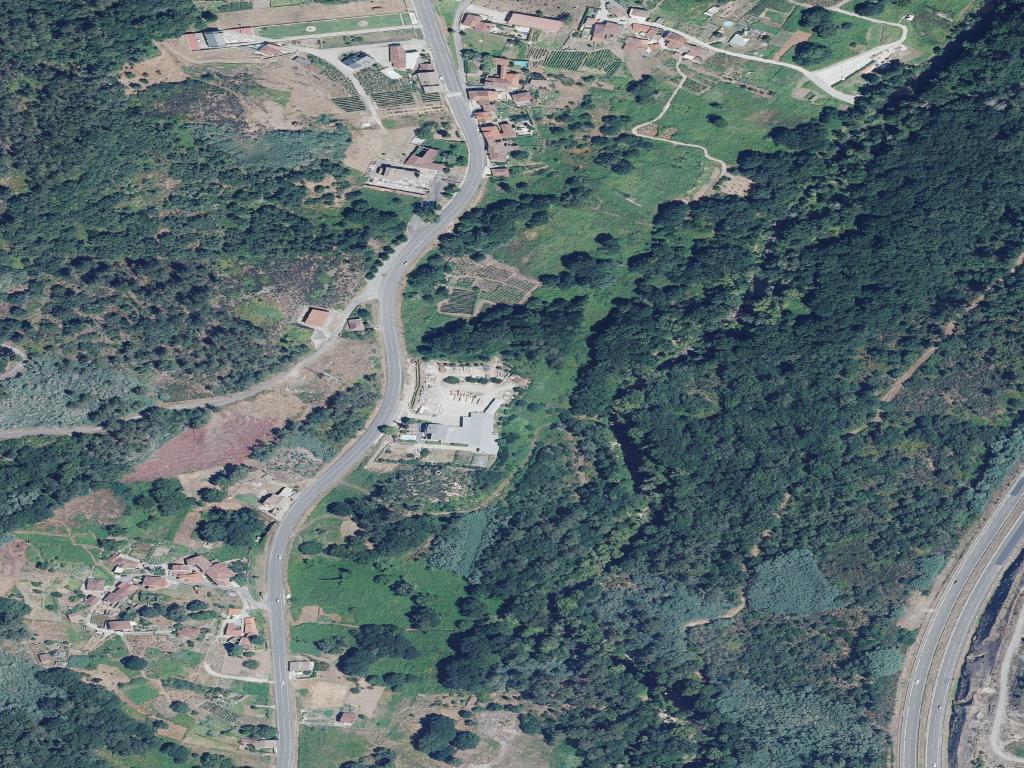
Vilamarín: un municipio disperso
Vilamarín no es un pueblo. Es un municipio formado por parroquias y aldeas desperdigadas por el campo. Necesitas coche. Para orientarte, aparca junto a la iglesia de Santa María y camina por los caminos cercanos. En una mañana lo habrás visto.
No hay casco histórico ni calles para pasear. Hay casas de piedra aisladas, hórreos y pistas de tierra entre prados. Los hórreos son graneros elevados típicos gallegos, hechos para guardar el maíz. Aquí son parte del paisaje diario.
Esto es campo que se trabaja, no un decorado. La economía local es agraria, no turística.
El terreno son lomas suaves y prados abiertos. Hay alguna mancha de bosque atlántico y zonas con viñas o castaños. No vengas buscando monumentos.
Puntos de referencia: iglesia y capillas
La iglesia parroquial de Santa María, del siglo XIX, está hecha con la piedra gris de la zona. Dentro es sencilla, sin nada llamativo. Sirve como punto de partida práctico.
De allí salen pistas hacia aldeas como Veiguiña, Refoxó o Barro. Verás alguna capilla rural dedicada a San Xurxo o San Roque. Suelen estar cerradas; las verás desde fuera junto a su cruceiro —una cruz de piedra gallega tradicional— y un pequeño espacio abierto.
Hay algunas casas señoriales repartidas por el término municipal. Son propiedades privadas sin señalizar. Las reconocerás por sus muros largos y, a veces, un escudo de piedra en la fachada. Si pasas junto a una, la verás; si no, no estás perdiéndote algo esencial.
Por los caminos quedan hórreos individuales: unos bien conservados, otros deteriorados por el tiempo.
Caminar entre aldeas
La forma más directa de verlo es salir andando desde Santa María y tomar cualquier pista que conecte con las aldeas cercanas. Son trayectos cortos entre prados y tierras de labor, no rutas de senderismo propiamente dichas.
El terreno no es difícil, pero tras lluvia aparece el barro rápido —esto es Galicia—. Lleva calzado adecuado para el campo.
No hay señalización turística ni una red organizada de senderos. A veces verás alguna marca pintada o indicador casero. Aquí se trata más de elegir una dirección y ver adónde lleva que seguir un itinerario marcado.
Lo que notas al caminar es la dispersión: las casas nunca se agrupan mucho. Viviendas, cuadras y fincas se reparten por el paisaje con amplitud.
Cómo organizar la visita
Con dos horas basta. Da un paseo corto por los alrededores de Santa María para ver algunas casas y algún hórreo. Luego coge el coche y ve a una aldea cercana. Aparca sin obstruir accesos y camina unos minutos por las pistas entre campos.
Esa es básicamente la visita: moverte lentamente por el campo viendo cómo se distribuyen las aldeas en él. No hay colas ni taquillas ni circuito establecido. El interés está en el entorno rural cotidiano.
Si buscas más movimiento, O Carballiño está relativamente cerca y tiene otro ambiente. Vilamarín sigue tranquilo y disperso.
Antes de ir
No esperes muchos servicios abiertos a diario. La actividad comercial en el municipio es limitada y el transporte público escaso. Aquí el coche no es opcional, es obligatorio.
Las distancias entre aldeas engañan: en mapa parecen cortas, pero andando se hacen largas pronto, sobre todo por las pistas rurales serpenteantes.
Fuera de las fiestas locales, la vida diaria es muy calmada. Algunos días apenas verás movimiento, más allá del trabajo en los campos. Eso ya te da una idea clara del ritmo del lugar.
Vilamarín tiene sentido si quieres ver cómo es el campo interior de esta parte de Ourense sin decorados ni escenificación. No hay concentración monumental ni ambiente bullicioso en una plaza mayor. Hay campo y aldeas dispersas. Nada más, nada menos