Full Article
about Arbo
Hide article Read full article
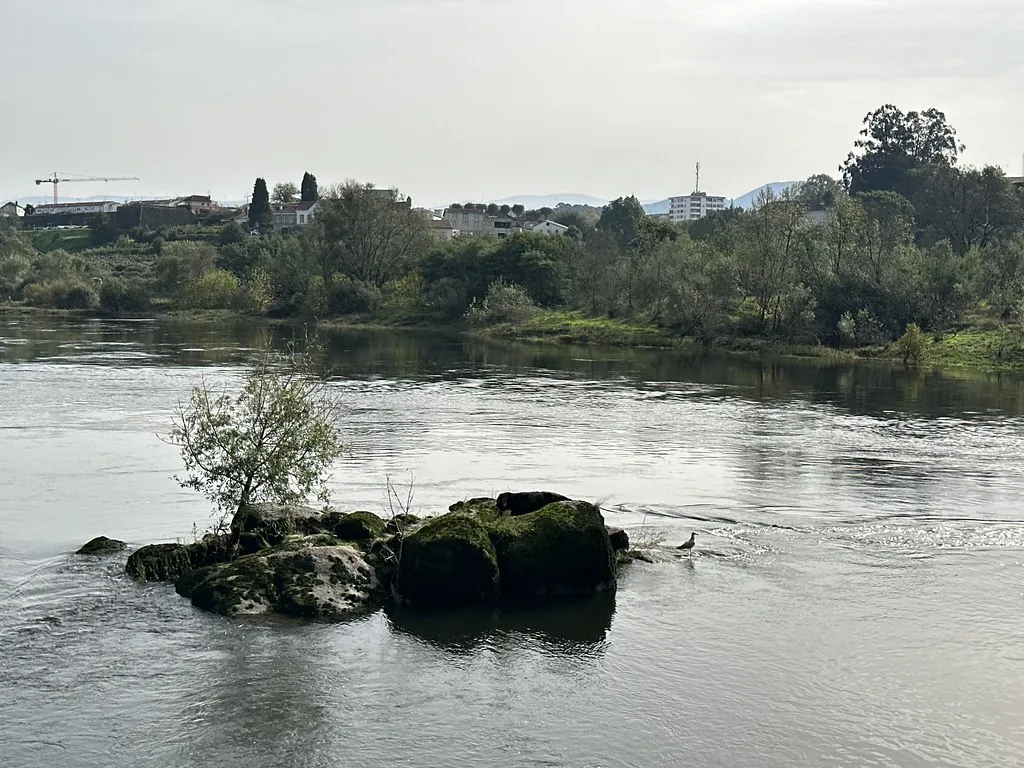
Mourentán Bridge often wakes up wrapped in mist. Early in the morning hardly anyone passes. Below, the River Deva moves calmly towards the Miño, while the cloud drifts slowly in the direction of Portugal. Arrive early and pause here for a while. Then head up to the village. Before midday it is still possible to park without too much circling.
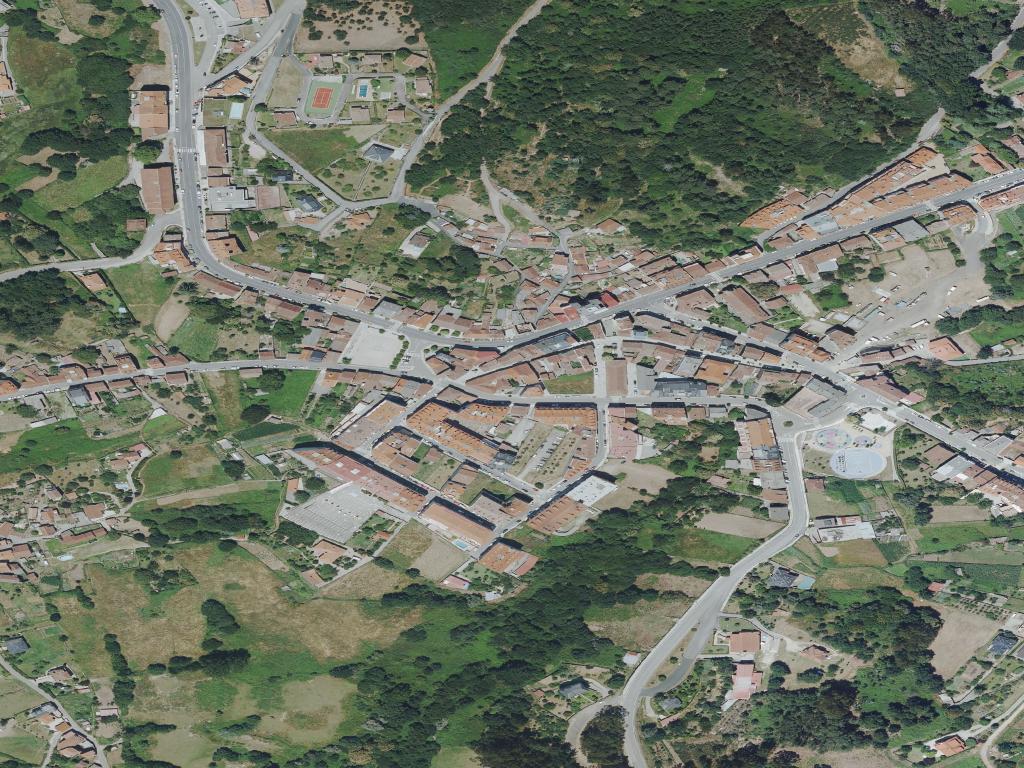
Arbo sits in the south of Galicia, close to the Portuguese border. It is a small place, easy to understand at a glance and simple to explore in half a day. Life here follows the rhythm of the river and the vines rather than any fixed itinerary.
What’s Here and What Isn’t
Arbo has around 2,600 residents, and that number has been falling for years. In the centre, many houses open only in summer or at weekends. The main square looks much as you would expect in a village of this size: a sober town hall, an old church, and a couple of terraces where locals gather. There is little more in terms of landmarks.
The Miño sets the tone. It is wide and slow, a natural border. On the opposite bank lies Portugal. Vineyards cover the surrounding slopes, producing albariño from the Condado subzone of Rías Baixas. When lamprey season arrives, the village becomes livelier than usual. For the rest of the year, daily life moves at a quiet pace.
Food in local bars tends to follow the pattern of a traditional Galician casa de comidas, a simple eatery serving home-style dishes. You will usually find empanada, bacalao con cachelos, which is salt cod with boiled potatoes, and stews based on vegetables or meat. Nothing elaborate, just familiar regional cooking.
Lamprey, or How to Eat a Fossil
Lamprey appears between late winter and spring. It is caught in the Miño using corrales, stone fish traps set in the river. From above they look like crooked walls cutting across the current.
The animal is not particularly attractive, and its flavour is far from delicate. The best-known preparation is a la bordelesa: pieces of lamprey stewed with its own blood, red wine, onion and spices. The result is dark, gelatinous and strong in taste. Many people appreciate it precisely for that intensity.
If that sounds like too much, there is often lamprey empanada, which softens the impact considerably. Outside the main season, it is also common to see lamprey dried or smoked.
When the village holds its festival dedicated to lamprey, visitor numbers rise sharply and finding a table without a wait becomes difficult. Anyone planning to come during those dates should aim to arrive early.
Two Straightforward Walks
Arbo offers two marked walking routes that follow its rivers. Neither aims for drama, and neither requires special preparation, but both give a closer look at the landscape that shapes the area.
The Sendeiro da Lamprea links the area of the San Xoán river beach with the interpretation centre. It runs for several kilometres alongside the Miño. The terrain is easy, with no major climbs. At an unhurried pace it takes a couple of hours.
The Ruta dos Muíños do Río Deva is shorter. It follows the course of the Deva and passes several restored mills before reaching Mourentán Bridge. The stretch is simple, with some shade and noticeable humidity on overcast days.
Both routes are signposted with wooden posts. There are no facilities or services along the way. If the weather is warm, take water with you.
Vines and Morning Mist
Vineyards surround the village. This part of Rías Baixas is known as the Condado subzone. Albariño dominates, although other white varieties are grown as well.
Some small wineries accept visitors if contacted in advance. The explanation you will hear is similar to much of Galicia: granite soils, Atlantic climate, and a relatively early harvest. The real interest lies outside, on the slopes that descend towards the Miño.
In the early hours, when mist lifts from the river, the landscape changes character. The vines, the water and the border beyond come into focus at the same time. It is a quiet scene, and one that defines Arbo more clearly than any building in the centre.
A Direct Suggestion
Come early and keep things simple with the car. Park in the upper part of the village. Around the Avenida de Ourense there is usually space, then walk down towards the river.
If your visit coincides with lamprey season, try the dish and make up your own mind. If it does not, stroll along the Miño, take a look at Mourentán Bridge, and continue your journey. Arbo can be seen in half a day without rushing. That is enough.