Full Article
about Leiro
Ocultar artículo Leer artículo completo
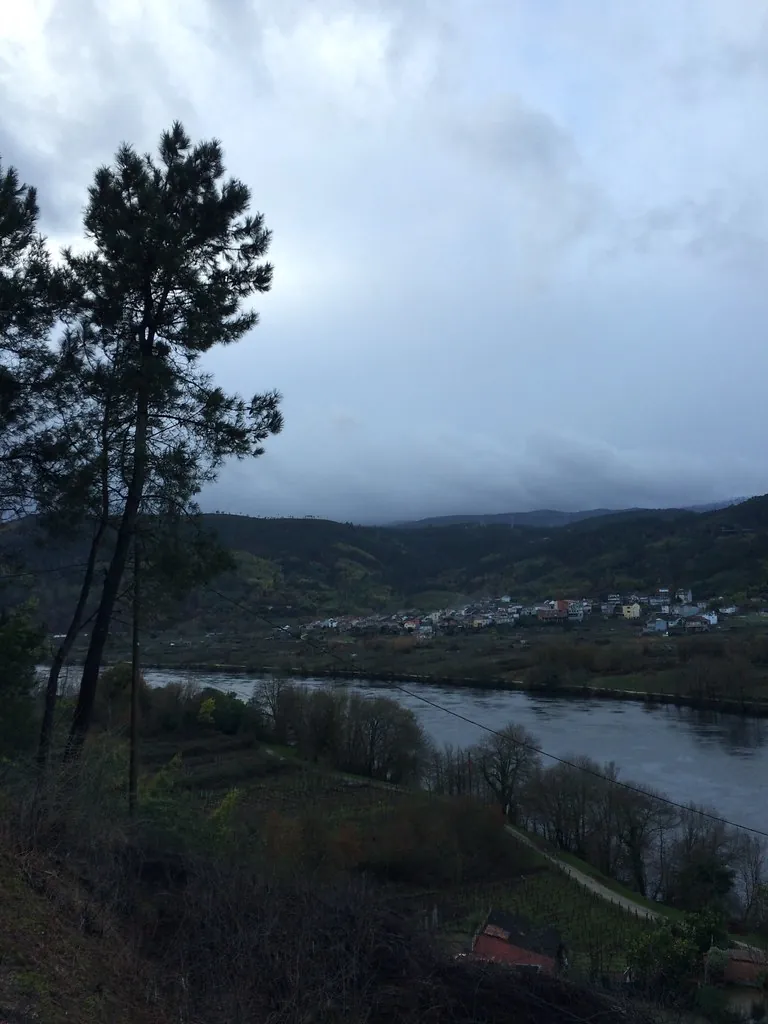
The morning mist lifts from the Avia valley to reveal terraces of vines marching up hillsides like green staircases. Somewhere in this patchwork of smallholdings and stone hamlets sits Leiro, a municipality of 5,000 souls spread across half a dozen parishes. Nobody nests here, and nothing is hidden—the place is simply too busy growing wine to bother with postcards.
Most visitors barrel down the A-52 towards the coast and never notice the turning. Those who do peel off find a landscape that feels closer to northern Portugal than to the Galician fjords: granite farmhouses, narrow lanes that twist between small plots of vines, and the river Avia glinting at the bottom of the valley. The hills are steep enough to make you change down a gear; the reward is air that smells of damp earth and gorse blossom, depending on the season.
Why the Wine Comes First
Ribeiro DO arrived long before tourists did. The Romans shipped these wines out of Vigo; medieval monks kept the cuttings alive through Moorish raids and Napoleonic wars. Today the denomination covers 2,500 ha, and a surprising chunk of that lies inside Leiro’s municipal boundary. Small family bodegas outnumber commercial estates by ten to one, which means tasting opportunities exist—just don’t expect glossy visitor centres.
Cellars that do open to the public (look for “degustación previa cita” on roadside signs) usually charge €8–€12 for three pours and a quick chat about treixadura, the local white grape that tastes of green apple and lime peel. English is hit-or-miss; a phrase-book Spanish accent and a smile oil the wheels. Ring the day before—many growers still work the vines in the morning and only answer the office phone after lunch.
If you arrive on a Saturday, the tiny “Ruta do Viño” stand in Leiro’s main square sometimes lays on 30-minute introductions at noon. There is no website; success depends on whether the volunteer has harvested through the night. Turn up, wait, and be pleasantly surprised or philosophically disappointed—either outcome is in keeping with the local tempo.
Walking It Off
The council has started way-marking footpaths, but progress is patchy. What exists is a 7 km loop that leaves from the Romanesque church of Santa María, crosses the Avia on a 12th-century pack-bridge, and climbs through three hamlets before dropping back to the river. Allow two hours and expect 250 m of cumulative ascent—more than it sounds on the tourist sketch. Stout shoes are sensible after rain; clay mixed with decomposed granite becomes a passable imitation of an ice rink.
For something gentler, drive five minutes upstream to the improvised picnic spot at A Cova. Plane trees shade the water and locals come to read the paper on Sunday mornings. The pool is deep enough for a swim in July; the current is mild but parents will want arm-length reach of small children. Bring supplies—there is no kiosk, and the nearest bar back in Leiro keeps lunch hours that would baffle a British civil servant (open 07:00–15:30, closed Sunday evening and all Monday).
Stone, Slate and Sunday Closures
Architectural high points are thin on the ground, yet the place rewards patient looking. Horreós—raised grain stores on mushroom-shaped stilts—poke above stone walls every few hundred metres. Their slate roofs shine silver in low light, especially along the lane towards Ledoira where traffic is light enough to stop for photographs. The pazo at Fontesenra is privately owned; you can admire the 17th-century escutcheons from the verge, but the gates stay shut. That is the deal in inland Galicia: grand houses remain working farms, not heritage attractions.
The parish church of Santa María won’t swallow more than fifteen minutes of anyone’s time, yet its porch is handy for surveying the square. Sit on the granite steps at 11:00 and you will see the weekly choreography: women queue for bread, the chemist raises his roller blind, and a farmer in a Daihatsu Terios delivers two calves to the vet. It is everyday theatre, ticket-free.
When to Come, Where to Sleep
Spring, from mid-April to late May, drapes the valley in shoulder-high grass poppies and temperatures hover around 18 °C—perfect walking weather. September brings the grape harvest and a faint yeasty smell on the breeze; mornings are misty, afternoons clear, and the mozzies have retired for the year. Mid-summer can hit 34 °C on the valley floor; if you must come then, start walks at dawn and reward yourself with a long lunch in the shade of a fig tree.
Accommodation is limited to three small guesthouses and a dozen rural rentals. Casa Sito, on the main street, has four en-suite rooms from €70 including breakfast (toast, local honey, coffee that arrives in individual aluminium jugs). They will cook dinner if you reserve before 14:00—try the octopus, steamed first then finished on a hot plate with olive oil and pimentón. Vegetarians get eggs from the back-yard hens and a tomato salad sharp enough to make your tongue tingle.
Getting There, Getting Fed
Leiro sits 30 km south-east of Santiago de Compostela airport, but the last 12 km are on the N-525, a single-carriageway that lorries treat like a motorway. Car hire is almost essential; there is no railway, and buses from Ourense run twice daily with a change in Ribadavia that feels designed to test your commitment. Fill the tank before Sunday—petrol stations observe the day of rest with Catholic rigour.
Food shopping follows suit. The mini-market opens 09:00–13:30, closes, then reappears 17:00–20:30. Stock up on empanada gallega (a hefty slice of tuna-and-pepper pie costs €3.50) for picnic emergencies. If you need cash, the village ATM runs out of notes on festival weekends; the next machine is 11 km away in Ribadavia, so withdraw before you settle into rural rhythm.
A Parting Dose of Honesty
Leiro will not change your life. You will not tick off a cathedral, a Michelin star, or a world-class museum. You might, however, remember the sound of the river over扁平 stones, the way sunlight stripes the vineyards at 19:00, and the taste of treixadura sipped straight from the tank while a cockerel complains in the yard round the back. If that sounds like a reasonable exchange for a couple of days without a souvenir shop in sight, turn off the motorway and follow the smell of fermenting grapes.