Full Article
about Ribadavia
Hide article Read full article
Ribadavia, sin prisa
Cruzando el puente de San Francisco, las casas se acercan como si estrecharan el paso. Ahí te das cuenta de que esto no es una parada más en la carretera. Es como cuando entras en una bodega familiar y el dueño no te habla de etiquetas, sino de cepas y lluvias de abril. Piedra vieja, viñas por todas partes y la sensación de que los relojes aquí tienen otra hora.
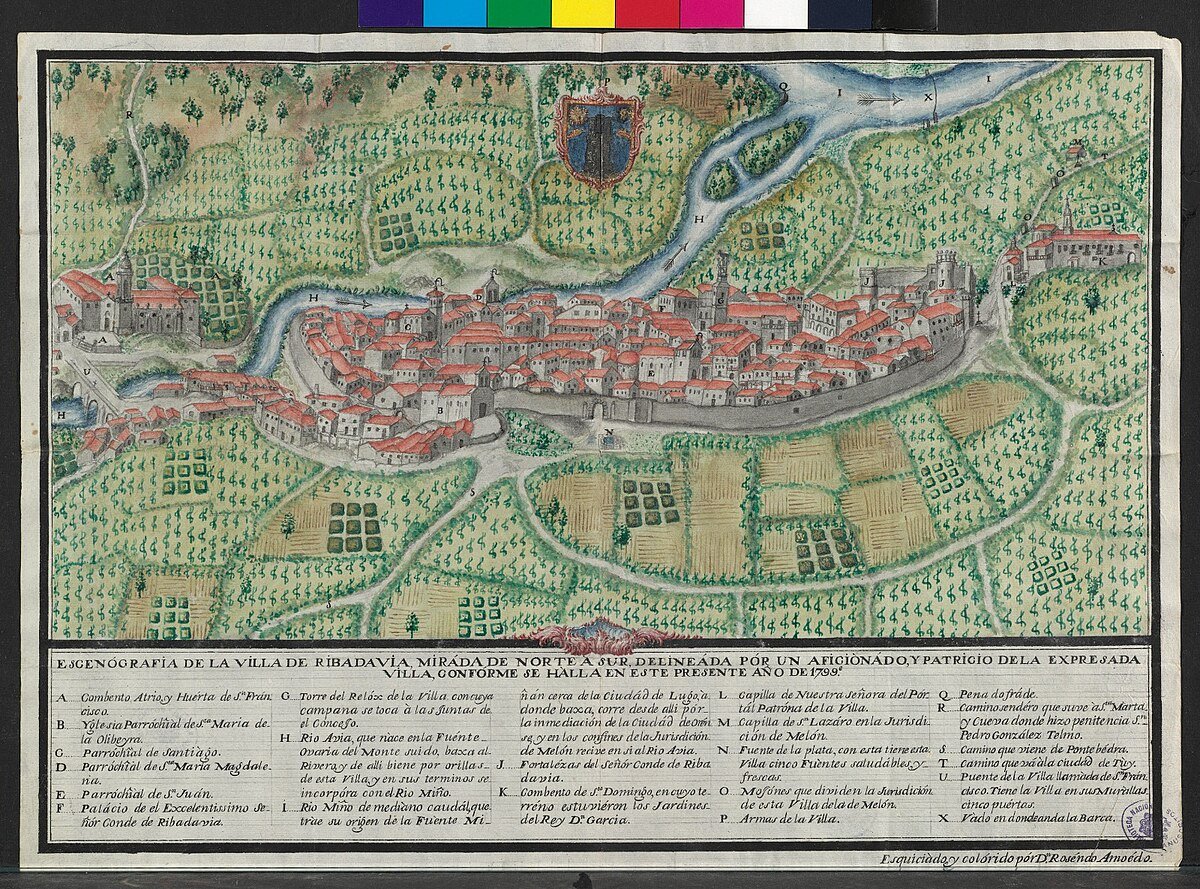
El casco histórico se aprieta sobre una loma, con calles que suben y bajan sin avisar. Nada parece preparado para ti. Ribadavia es un pueblo que ha seguido su curso, adaptándose sin ruido y conservando el carácter.
El vino como paisaje
Aquí el vino no es solo algo que se bebe. Es un ambiente. Se nota en las conversaciones, en las comidas largas, en los barriles aparcados junto a alguna puerta. Estamos en el corazón de la denominación Ribeiro, una de las más antiguas de Galicia, y eso impregna todo.
Si coincides con la Feira do Viño do Ribeiro en mayo, el pueblo cambia de ritmo. Las calles se llenan, los vasos circulan y el ambiente mezcla a vecinos, bodegueros y curiosos. Parece menos un evento organizado y más una costumbre colectiva que por unos días se hace más visible.
Los fines de semana de feria se pone denso. Las calles son estrechas y con cuesta, de esas que bajas sin pensar pero luego recuerdas al subir. Dejar el coche fuera del centro suele ser una decisión sabia, aunque toque caminar un poco más.
La judería que no es escenario
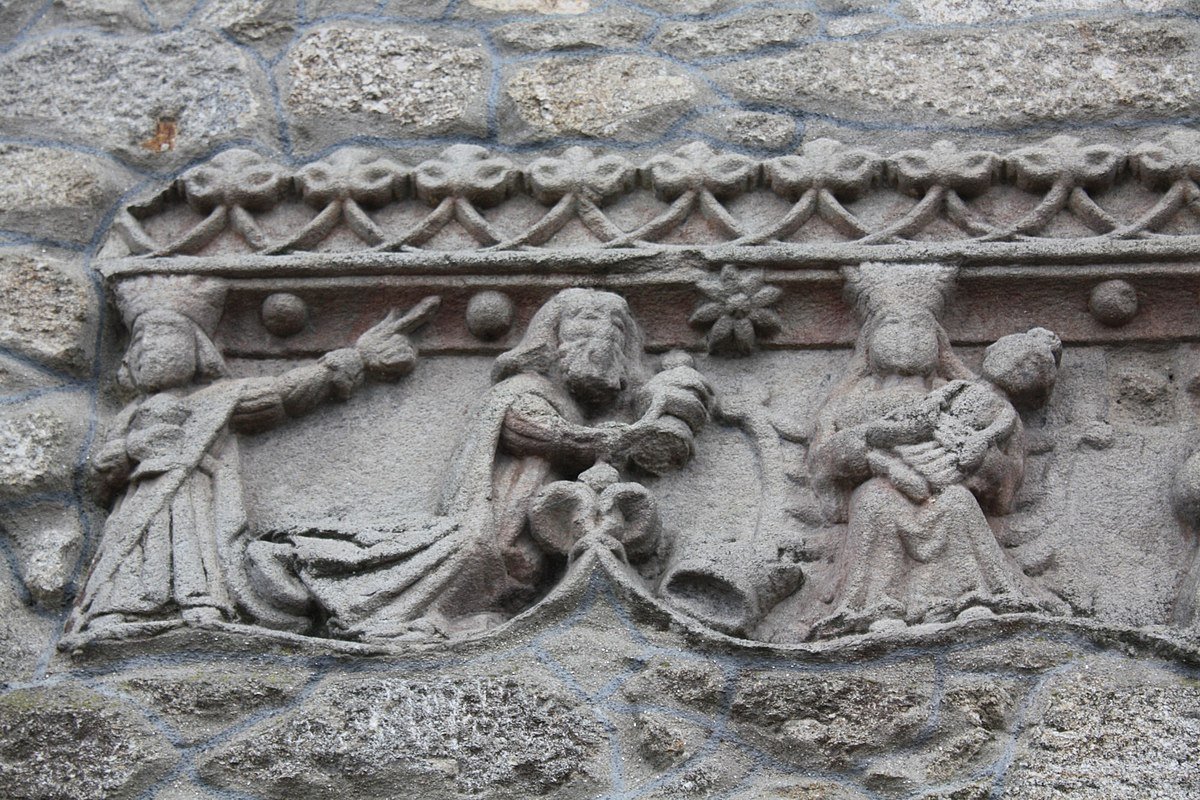
El barrio judío de Ribadavia no es un decorado reconstruido. Son calles que llevan siglos aquí, estrechas, con casas que se inclinan unas hacia otras como susurrando.
La antigua sinagoga, ahora un centro de interpretación, recuerda a una comunidad importante que vivió aquí hasta 1492. Caminar por estas callejuelas da una idea de cómo pudo ser la vida: talleres, comercio, vecinos que se conocían todos.
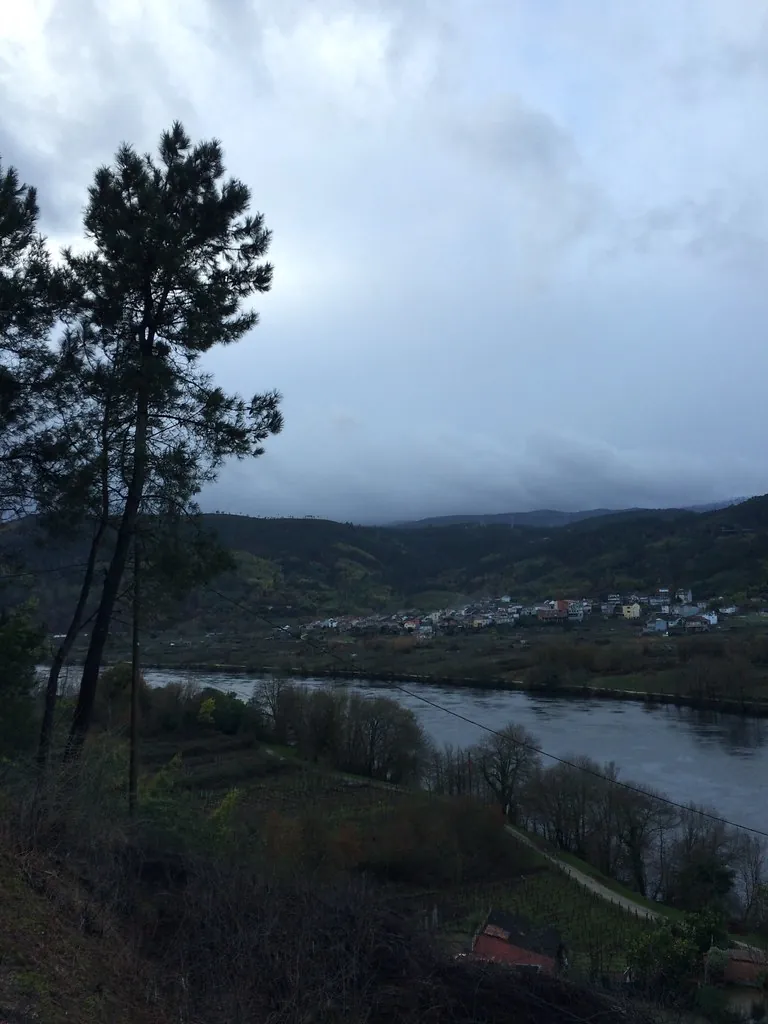
La mejor forma de verlo es sencilla: sal desde la plaza mayor y déjate llevar cuesta abajo, sin mirar mucho el mapa. Tarde o temprano llegarás al río Avia. Allí el aire cambia, hay árboles que dan sombra y el ritmo se ralentiza solo.
Los días medievales
A finales de agosto, Ribadavia da un volantazo temporal con la Festa da Istoria. El pueblo recrea su pasado medieval: mercados, música antigua, gente vestida a la usanza.
Lo llamativo es cómo se implica el propio pueblo. No es un espectáculo montado para turistas. Muchos vecinos participan, se visten y ocupan las calles como si todo el lugar hubiera pactado meterse en una función colectiva.
Lo mejor puede ser llegar sin saber que hay fiesta. Te encuentras escribanos, mercaderes regateando y escenas que parecen sacadas de otro siglo. La vida moderna cede el paso unos días.
Comer largo, beber tranquilo
La comida sigue la tradición del interior gallego: ingredientes claros y raciones generosas sin complicaciones. Pulpo con cachelos, empanadas o carne al estilo tradicional son habituales. Son platos que no han cambiado porque funcionan.
Para lo menos común, está la lamprea en temporada por la zona del Miño y el Avia. No es bonita a primera vista y sabe… peculiar, pero tiene su público incondicional. Si alguien local te sugiere probarla normalmente hay motivo.
El vino sigue siempre presente. Los ribeiro suelen ser blancos frescos y fáciles de beber. Puedes empezar con una copa en la comida y terminar horas después sin darte cuenta.
El castillo vigilante
En lo alto queda el castillo de los Sarmiento. Lleva siglos observando el valle desde allí arriba como un guardián silencioso.
La subida refleja cómo está hecho el pueblo viejo: vas ganando altura poco a poco. Cuando llegas arriba entiendes por qué eligieron este sitio: el Avia serpentea abajo; las viñas cubren las laderas; los tejados del casco histórico se amontonan unos contra otros.
Fuera de horas punta o temporada alta, la zona del castillo puede estar muy tranquila.Es un buen sitio para sentarse un rato a ver la vista.A veces sube el rumor del río.Otras llegan voces tenues desde las calles de abajo.
Ribadavia tiene sus peajes.El verano trae más gente de la que caben bien sus calles estrechas.El invierno hace notar más la humedad gallega incrustada en la piedra.Aun así conserva algo difícilmente fabricable:la vida diaria moviéndose a su velocidad.Las viñas marcan los alrededores.La historia está en cada esquina.Un simple paseo por las calles viejas casi siempre dura más tiempo del previsto