Full Article
about A Illa de Arousa
Hide article Read full article
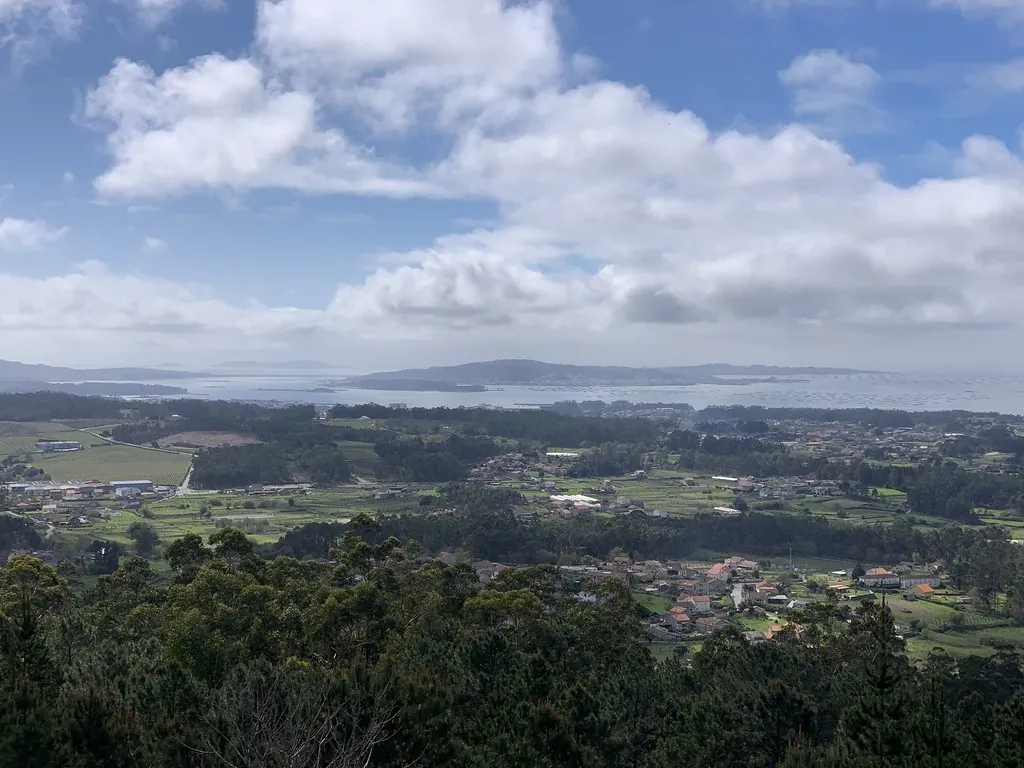
The bridge appears halfway along the road as if someone had decided the island should begin there, without ceremony. On an April day, with the ría still grey and the mussel rafts drawing black lines across the water, crossing it brings a shift in the air: saltier, damper, with that faint scent of seaweed that drifts in when the tide moves slowly.
The island that stopped being isolated
Until the mid-1980s, reaching A Illa de Arousa meant taking a boat. Then the bridge was built and the journey could be made by car in a matter of minutes. Even so, the island keeps its own rhythm: tide timetables, small boat engines at dawn, nets drying along the quays.
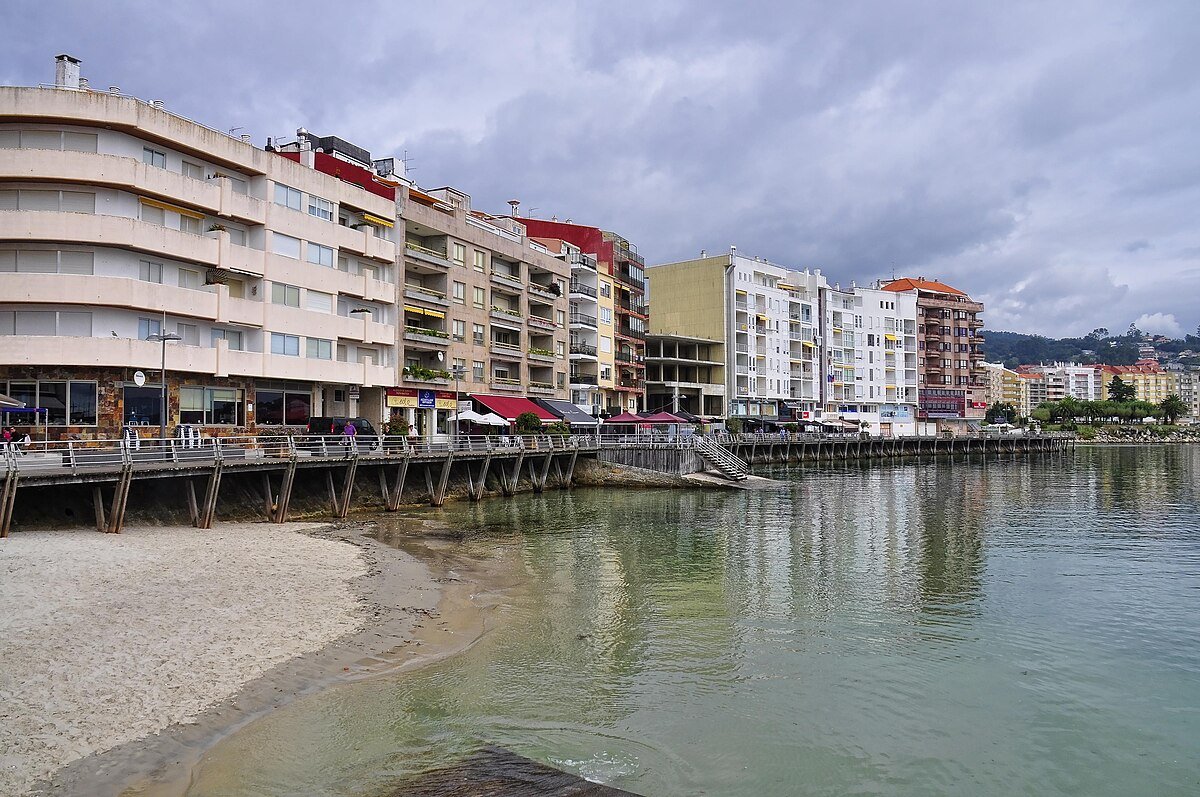
From the promenade that runs around Punta do Barroso, the ría fills with dark lines as evening falls. These are the bateas, floating platforms where mussels are farmed. There are hundreds scattered across the ría de Arousa, forming a small floating maze that sometimes fades into low mist. The boats of the bateeiros head out early; when they return, the diesel engine is heard before the vessel itself comes into view. Rise early enough and you will see baskets piled with black shells stacked on deck before the harbour has fully woken.
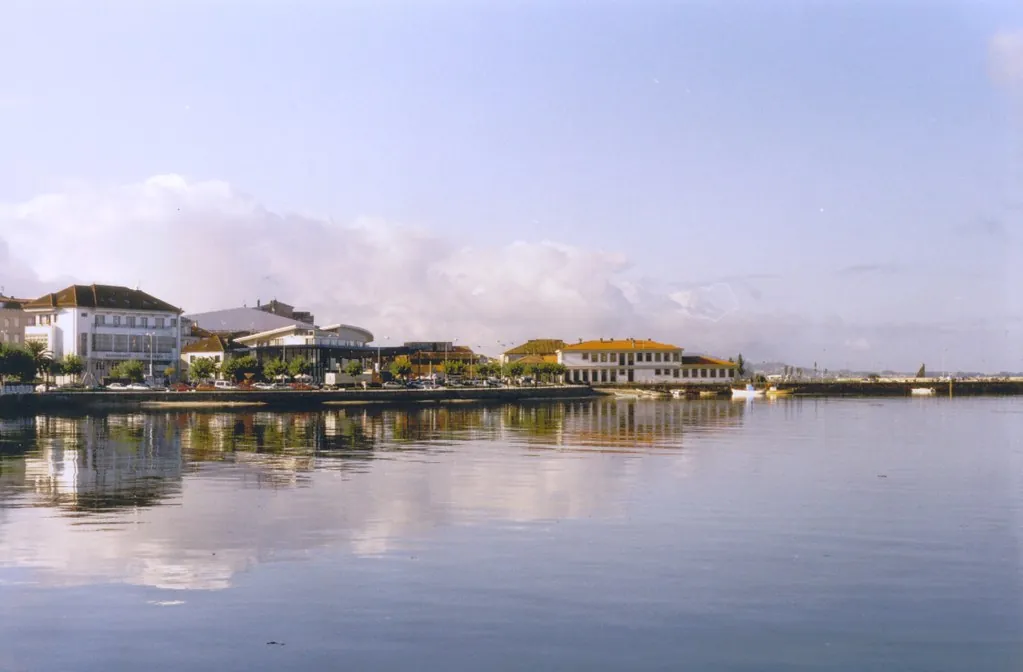
Life here still revolves around the water. The working day follows the tide more closely than the clock, and the sounds of the port set the tone. Ropes thud against hulls, engines idle, voices carry across the quays. The bridge may have shortened the distance to the mainland, but it has not erased this pattern.
Shifting dunes and fragile ground
To the south lies the Parque Natural de Carreirón. The sand sounds different underfoot here: drier, looser. The dunes shift with the westerly wind and each winter they alter the shape of the place slightly. At times a footpath is half buried; at others, the roots of pine trees are left exposed.
It is a landscape in motion. What looks fixed one season may appear rearranged the next. The changes are not dramatic, but they are constant, the result of wind and tide working together.
Off the coast to the west, Guidoiro Areoso rises low from the water. This small islet still holds visible mámoas, prehistoric burial mounds that have been there for thousands of years. Yet the sand does not always stay put. Sea and wind continue to eat away at the ground and some of these ancient structures have been left highly exposed. When the sea is calm, people approach in small motorboats from the port of O Xufre. Local fishermen often say that each winter the islet is slightly different from the one they saw the year before.
The sense of fragility is hard to ignore. The same forces that shape the dunes in Carreirón are at work here too, only more starkly. Land that once felt secure can thin and shift, revealing what had long been hidden beneath.
Midday smells from the kitchen
Around the church at midday, the air smells of home cooking. Paprika warming in oil, bay leaves, white fish opening in a pot. Caldeirada, a traditional Galician fish stew, does not follow a single recipe here. It depends on the household, the catch that came in that day, the way the potatoes are cooked.
The ría decides what ends up on the table. In nearby markets you will find almejas de Carril, clams from the sands of Carril, razor clams known as navajas, and mussels freshly lifted from the bateas. Percebes, goose barnacles harvested from wave-battered rocks, also make an appearance and sometimes reach prices that cause even locals to raise an eyebrow. On Sundays there are still homes where octopus is simmered slowly and served with thickly cut cachelos, boiled potatoes large enough to hold the oil and paprika without falling apart.
Food here is tied to what the water provides that week. There is no single version of a dish that defines the island. Instead, it shifts with the season and the tide, just as the dunes do. The result is cooking that feels domestic rather than showy, shaped by habit and availability.
When the island slows down
On weekdays in May or September, A Illa de Arousa moves at an unhurried pace. The beaches remain open and the wind is often gentle. In the height of summer, things change. Many cars arrive from the mainland and the road that circles the coast grows busier than the island seems built to handle.
The night of San Juan, marking the summer solstice, brings people down to the sand. Bonfires are lit and some venture into the water after midnight, while red embers still glow among the charred wood. It is one of the moments in the year when the shoreline fills with voices and smoke.
By October the rhythm shifts again. Fewer visitors, more boats at work, longer conversations on benches facing the harbour. The sense of routine returns, guided by tides and daylight rather than the holiday calendar.
As evening falls, the mirador of Con do Forno offers a clear view of the bridge you crossed on arrival and, beyond it, the lights of Vilagarcía. The ría darkens gradually and boats head back with their navigation lights on, drawing red and green lines across the still water. Beneath them, the bateas continue their quiet labour, filtering plankton from the ría as they have done here for a long time.
A Illa de Arousa does not try to disguise what it is. The bridge may mark the entrance, but it is the water that defines the place: the mussel rafts stretching across the ría de Arousa, the shifting sands of Carreirón, the exposed mámoas on Guidoiro Areoso, the steady return of boats to O Xufre at dusk. Cross over, and the change in the air is immediate. Stay a little longer, and the island’s slower timetable begins to make sense.