Full Article
about Cambados
Hide article Read full article
Albariño arrived in Cambados by sea, or at least that is the explanation most often heard around town. For centuries, grape varieties travelled inland through the ría, brought from other parts of the peninsula and finding their place here: decomposed granite underfoot, Atlantic rain overhead and the natural shelter of the ría de Arousa. Over time, cultivation turned into identity. Mention tourism in Cambados today and the conversation almost always circles back to the same word: albariño.
Stone that tells the story of wine
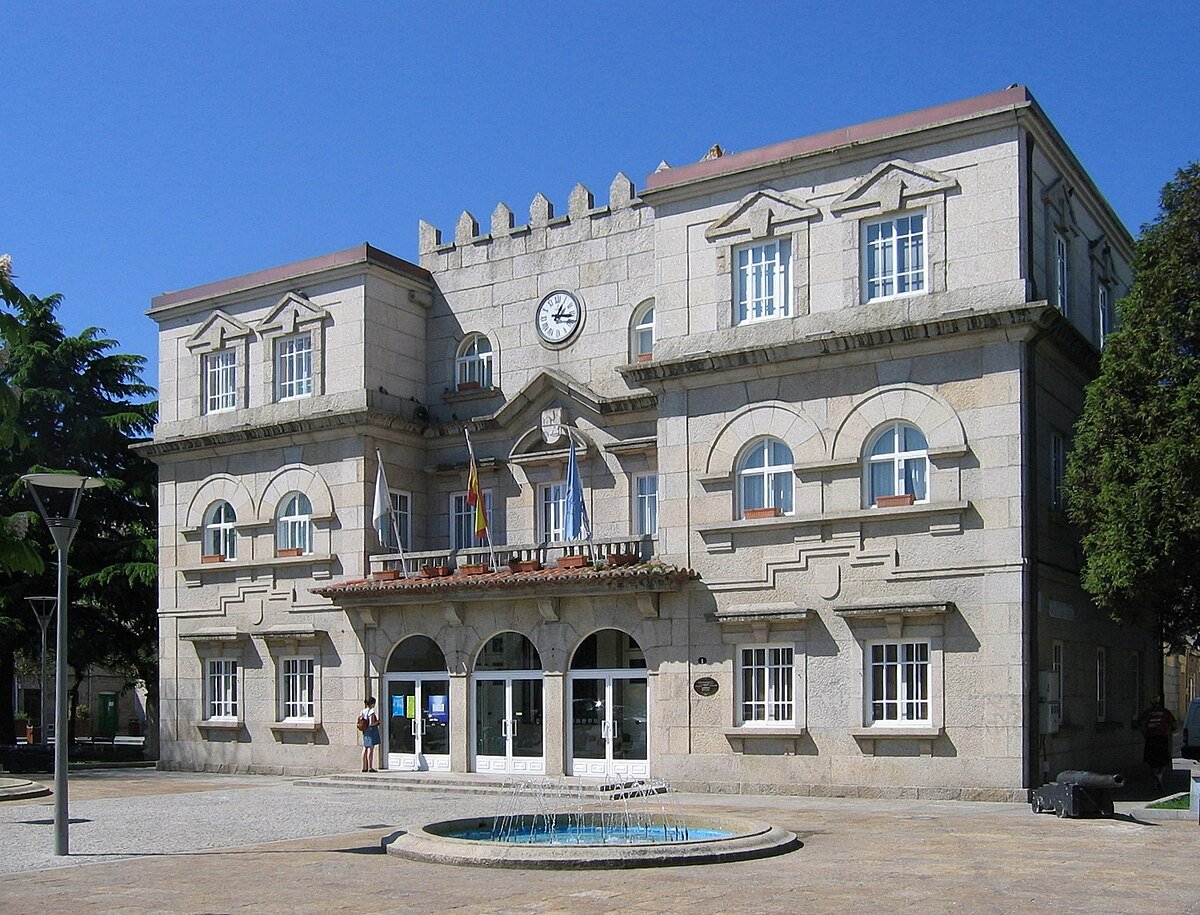
Praza de Fefiñáns gathers together much of the town’s history. It is framed by 16th-century pazos, stately manor houses built by noble families, their coats of arms carved into the façades and arcaded galleries lining the square. They are a reminder that Cambados was more than a fishing port. It was also home to well-connected lineages with land and influence, closely linked to maritime trade.
The Pazo de Fefiñáns stands out for its restrained, balanced façade. Since the late 20th century it has housed the headquarters of the Regulatory Council of the D.O. Rías Baixas. This is the body that oversees the denomination of origin, managing the rules and controls that allow a wine to carry the name of the region. In practical terms, it is where the standards behind the Albariño label are defined and protected.
As evening approaches, the square shifts in mood. Much of the architecture here is built from piedra de ostra, a local limestone rich in fossilised shells. When the light softens, the stone reflects a near golden hue. It is the right moment to look closely at the façades and notice how the open space organises itself around the pazo, with symmetry and proportion setting the tone.
Ruins that are still alive
Around ten minutes on foot from the centre stand the ruins of Santa María do Dozo. The church was built in the 12th century. Today its apse and part of the transept remain, enough to give a clear sense of the original volume. It has not been turned into a museum piece. The site still functions as a cemetery, and modern graves sit among medieval walls.
Santa María do Dozo forms part of a European network of significant cemeteries, though the visit here is simple. There are no elaborate displays or marked routes. Visitors look through the railings or walk around the perimeter. In autumn and winter, magnolia leaves often carpet the ground, softening the outline of the stone.
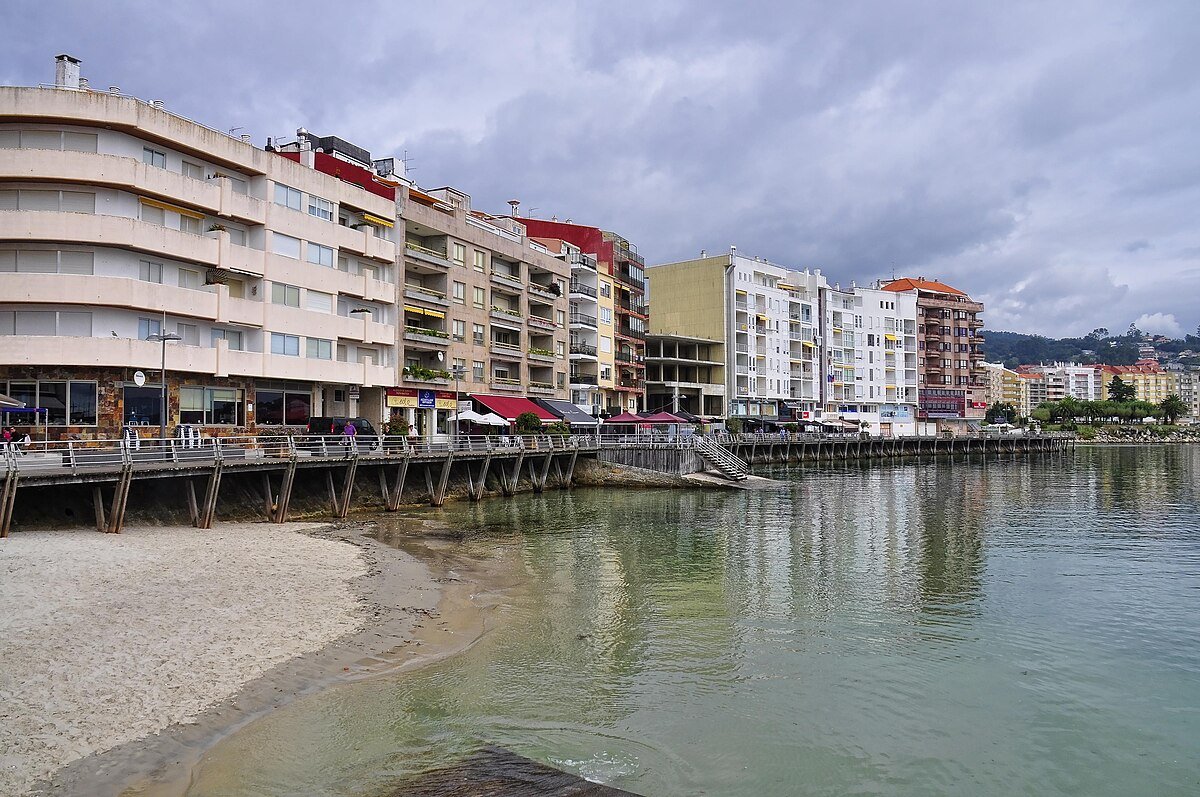
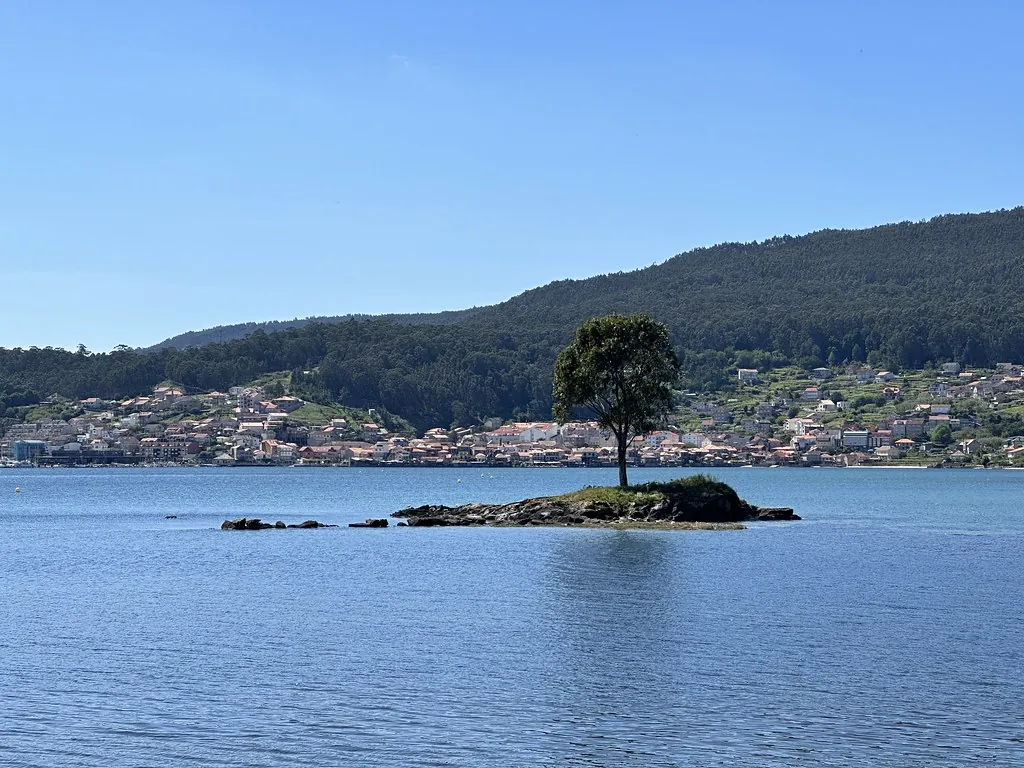
The church of San Benito offers a contrast. It survives intact, a 17th-century Baroque building whose tower was raised slightly higher in the 18th century. From its atrium there are views across the ría. Out on the water, the bateas are easy to spot, the floating platforms where mussels are farmed. The link between Cambados and the sea is constant.
In summer, the festivities of Santa Margarita usually end close to the shore in the neighbourhood of San Tomé. It is traditional for boiled mussels to be handed out to those who gather there. The setting, beside the water and within sight of the bateas, underlines how closely daily life and the ría remain intertwined.
When the town fills with glasses
For several days at the end of July, the Festa do Albariño turns Cambados into one of the focal points of the Galician summer. It began in 1953 as a meeting between friends who shared an interest in wine. Over the decades it grew, gradually spreading across much of the historic centre.
The idea is straightforward. An official glass is purchased, its design changing with each edition, and with it visitors taste wines at the stands run by local wineries. Long communal tables appear in the streets. Music drifts between the buildings. The smell of food rises from temporary tents set up for the occasion.
Rain is never far away in this part of Galicia, even in summer. If showers arrive, people gather under awnings and carry on talking. The festival does not aim for formality. It feels social, open and rooted in the product that defines the town.
Vineyards that reach the sand
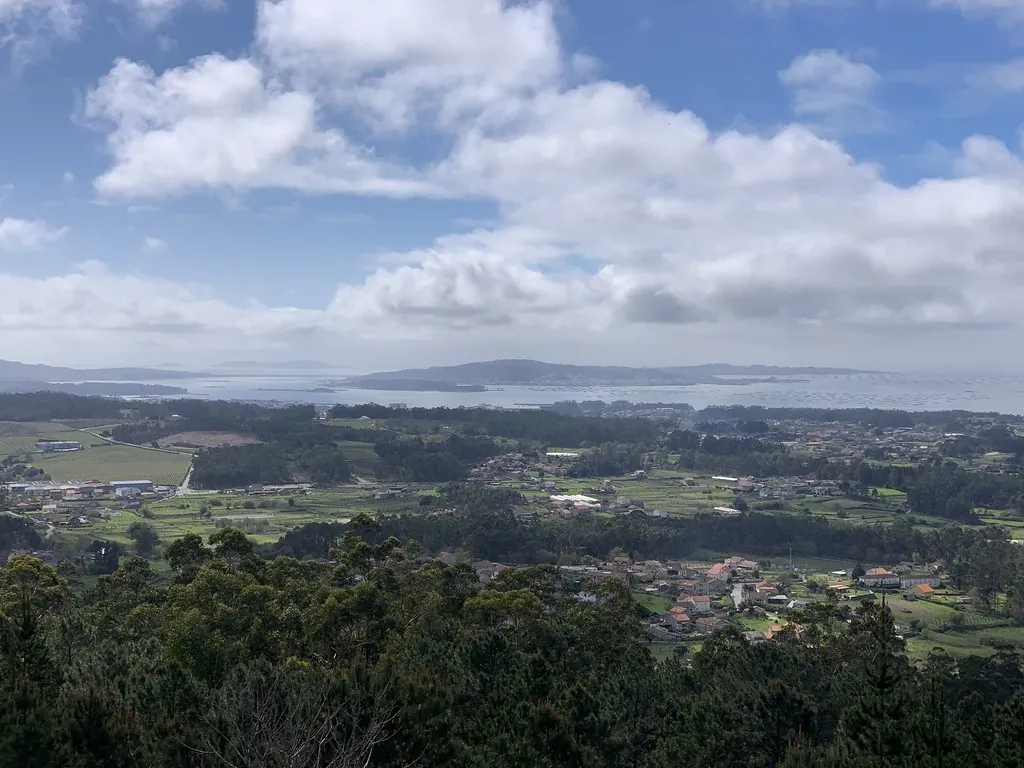
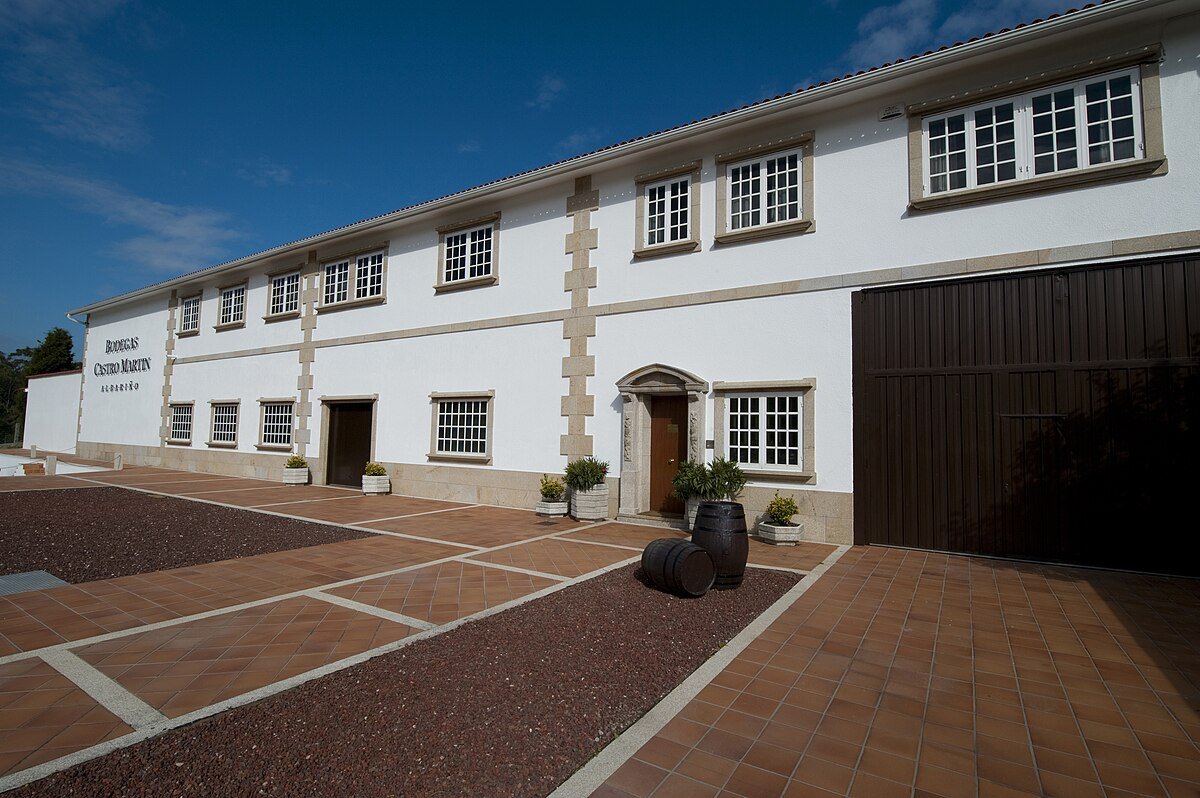
Exploring the surrounding comarca helps explain where albariño comes from. Vineyards appear between houses and along secondary roads, divided into small plots edged by low stone walls. Some wineries have been family-run for generations. Others operate from larger facilities in the municipality’s industrial areas. The scale may differ, but the landscape remains consistent.
One idea is often repeated: albariño ripens early, and the harvest usually takes place before that of inland regions. The granitic soil breaks down into coarse sand, which drains water efficiently. In a climate as humid as this, that characteristic matters.
About three kilometres from the centre lies A Figueira beach. It is small, with pale sand, open to the ría. From here A Toxa island is visible, and on particularly clear days the mouth of the Ulla can be made out in the distance. Standing on the shore, it becomes easier to grasp the closeness of vineyard and sea. The vines are only minutes from the bateas.
Moving at an unhurried pace
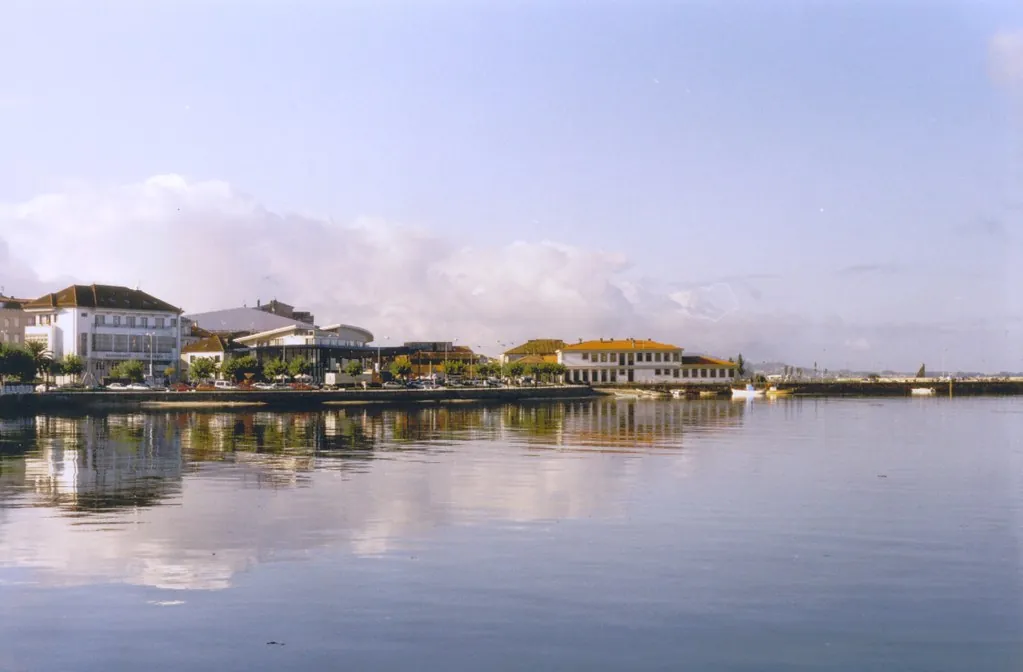
The centre of Cambados is easy to explore on foot. A logical route begins in Praza de Fefiñáns, continues towards the church of San Benito and then follows Rúa Real down to the port of San Tomé. The distances are short and the streets invite a slow rhythm.
Those interested in vernacular architecture should look out for several 19th-century hórreos scattered through the town and nearby parishes. These traditional Galician granaries, raised above the ground to protect stored crops from damp and animals, are slightly lower here than in other parts of Galicia. They usually have pitched roofs designed to withstand the winds that sweep in from the ría.
From the centre it is also possible to walk up to the A Pastora viewpoint. The climb takes around twenty minutes. At the top, the ría de Arousa stretches out clearly, its surface marked by neat lines of bateas aligned across the water. The perspective brings together many of the elements that define Cambados: vineyards, stone, sea and shellfish farming all within a compact area.
Cambados is connected to Pontevedra by the AG‑41, and the drive typically takes about half an hour. On the busiest days of summer, it can be more practical to leave the car in the outer parking areas and walk into town. Even in August, it is wise to carry an extra layer. The Atlantic influence makes itself felt, and evenings by the ría can cool quickly.