Full Article
about Meaño
Hide article Read full article
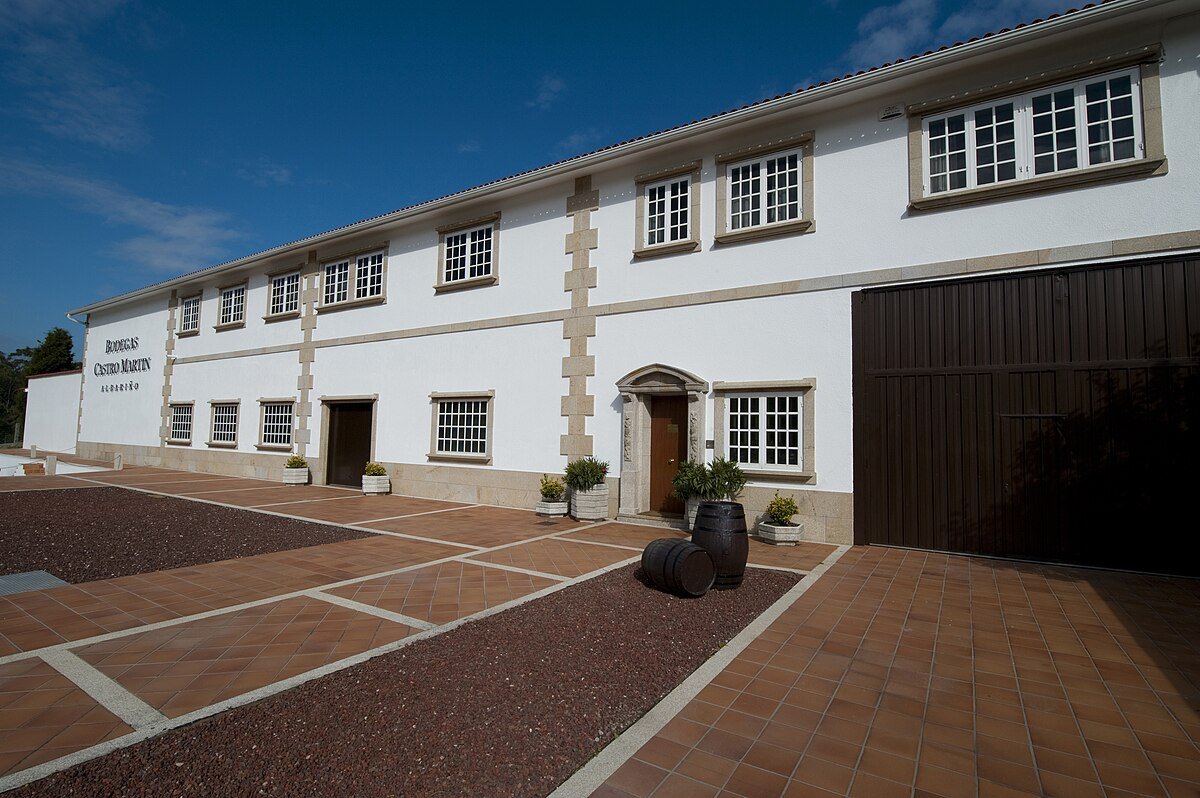
A valley that runs on albariño
Tourism in Meaño tends to circle back to the same thing: albariño. Here it is more than a wine, it almost works as a kind of currency. In the bakery, the baker asks whether the latest vintage has been tried. At the petrol station, someone might mention that a bottle comes from vines just behind the village. It feels like the way a neighbourhood might argue about omelettes instead of football.
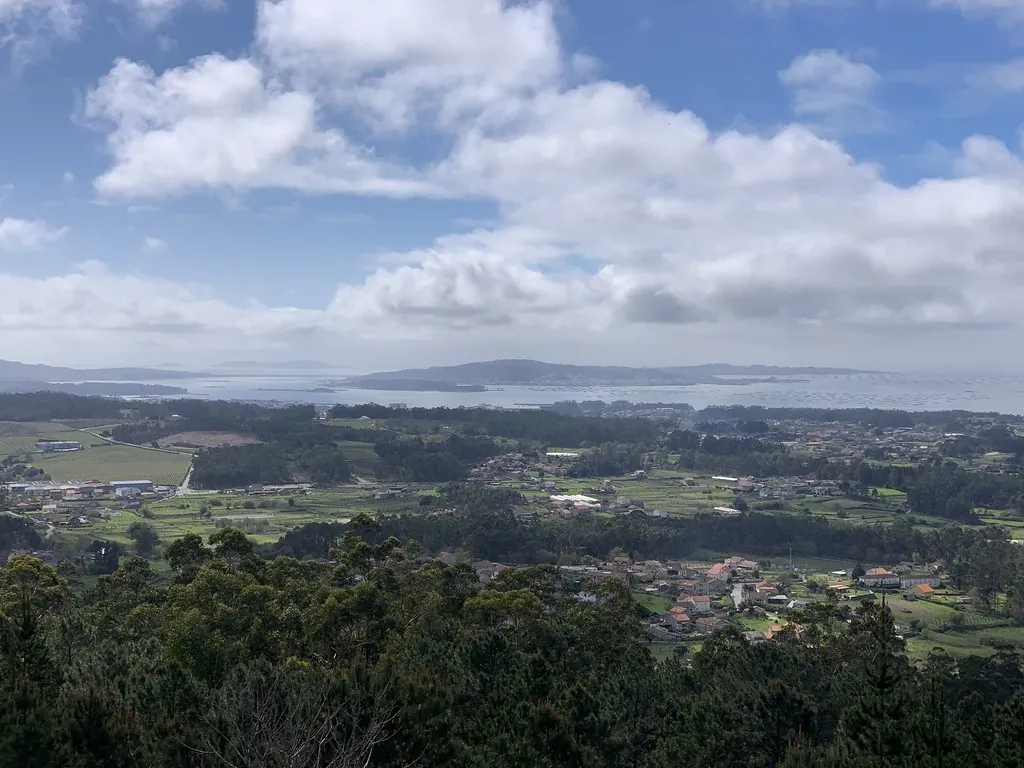
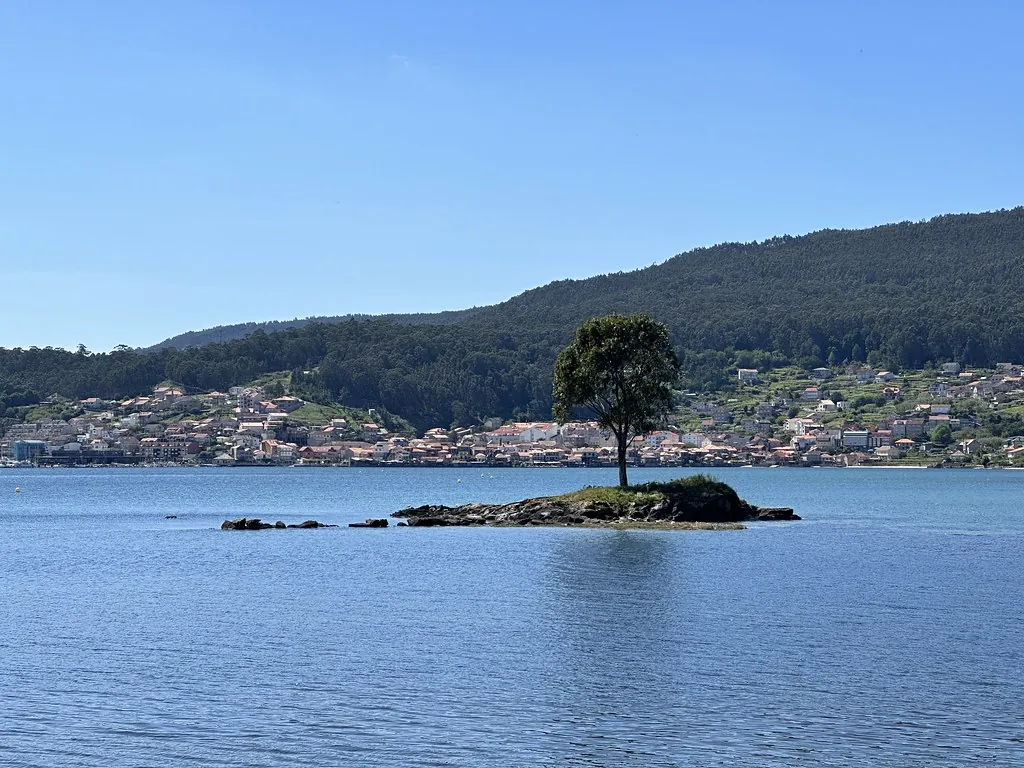
That is Meaño in a nutshell: a whole valley that has built its way of life around the vine. It sits in the heart of O Salnés, with the rías close by. The sea is only a short distance away, and it shows in the air, in the food and, as many winegrowers say, in the wine itself.
A pazo shaped by wine and time
The Pazo de Leis has the presence of a grand house that has watched generations come and go without losing its place. It dates from the 18th century, in a baroque style, and inside there is a wine press from the same period. It still works, a bit like an old record player: an antique device, yet it does the job well when it is used.
Today it houses the Museo da Viña e do Viño. Anyone curious about why this area lives so closely tied to the vine will find it worth a visit. The displays explain how work used to be done, how albariño was cultivated and why people here speak about the grape almost as if it were part of the family.
A few minutes away stands the Pazo da Bouza, surrounded by vineyards laid out with striking order, the sort that look as though they have been drawn with a ruler. Many of these plots have been planted for centuries. In this part of Galicia, vineyards are not a recent trend but a long-standing feature of the landscape.
When the village steps into another century
In mid-August, Meaño shifts into a different mood during the Festa da Istoria. For a few days the village fills with a medieval market, parades and locals dressed as if they had stepped out of another era.
It could easily become just another fair with a handful of stalls, but here people take it seriously. There are workshops, historical recreations and a lively atmosphere in the streets. In Galicia it has been recognised as a Fiesta de Interés Turístico, and in Meaño it is treated as one of the key moments of the summer.
Walking routes without the pressure
The Ruta dos Pazos offers a simple way to explore Meaño on foot without overthinking it. It stretches for around five kilometres, linking several manor houses and vineyard areas. The walk passes along stone walls, under vines and through rural paths, with a sense of being in a quieter corner of Galicia.
For those who want to go a bit further, the well-known Ruta da Pedra e da Auga runs nearby. It follows a stream past restored mills and dense vegetation. The route extends for several easy kilometres and tends to feel especially rewarding when the weather turns warm.
A basic tip applies: comfortable footwear and water. There are shaded sections, but the humid climate of O Salnés can be deceptive, and it is easy to end up walking further than expected.
Food with the sea close at hand
In Meaño, octopus often appears at festivals and fairs, cooked in copper pots that seem to belong to another time. It is served with cachelos, which are boiled potatoes, and paprika. Asking for ketchup would probably raise a few eyebrows.
Empanada de zamburiñas is also common here. It resembles the classic tuna pie found across Spain, but with a more pronounced maritime flavour and a softer touch.
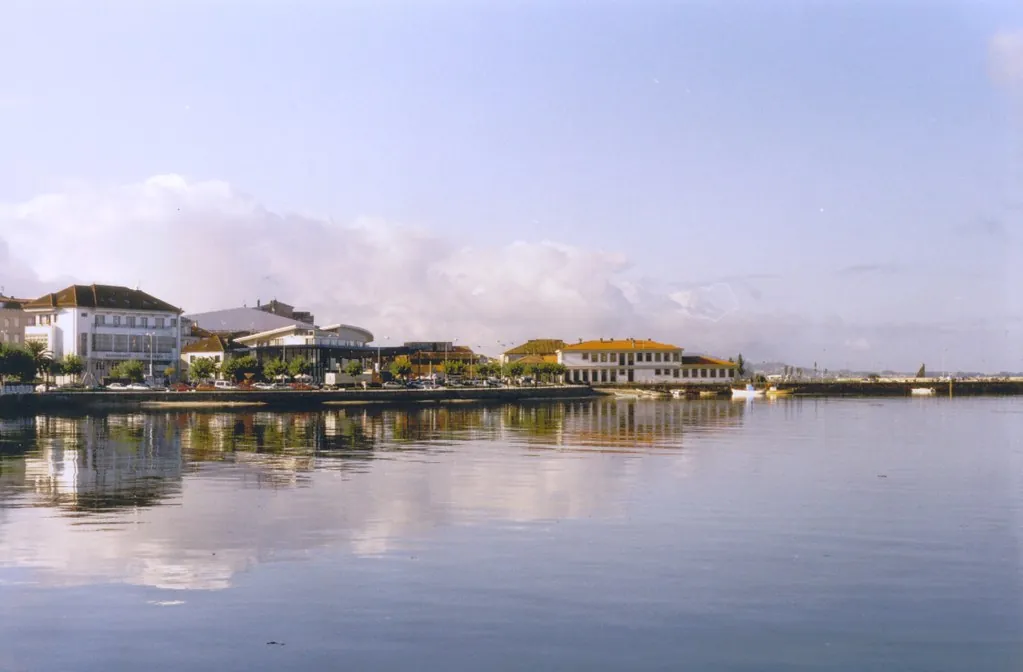
Then there are the mussels. The bateas, the floating platforms in the Ría de Arousa where they are grown, are nearby, so it is normal to find them very fresh. It is a bit like having a vegetable garden, only floating on the sea.
The side of Meaño postcards miss
In winter, Meaño becomes very quiet. The vineyards stand bare and the landscape turns almost monochrome. Not much happens and, for that very reason, the village seems to slow its pace.
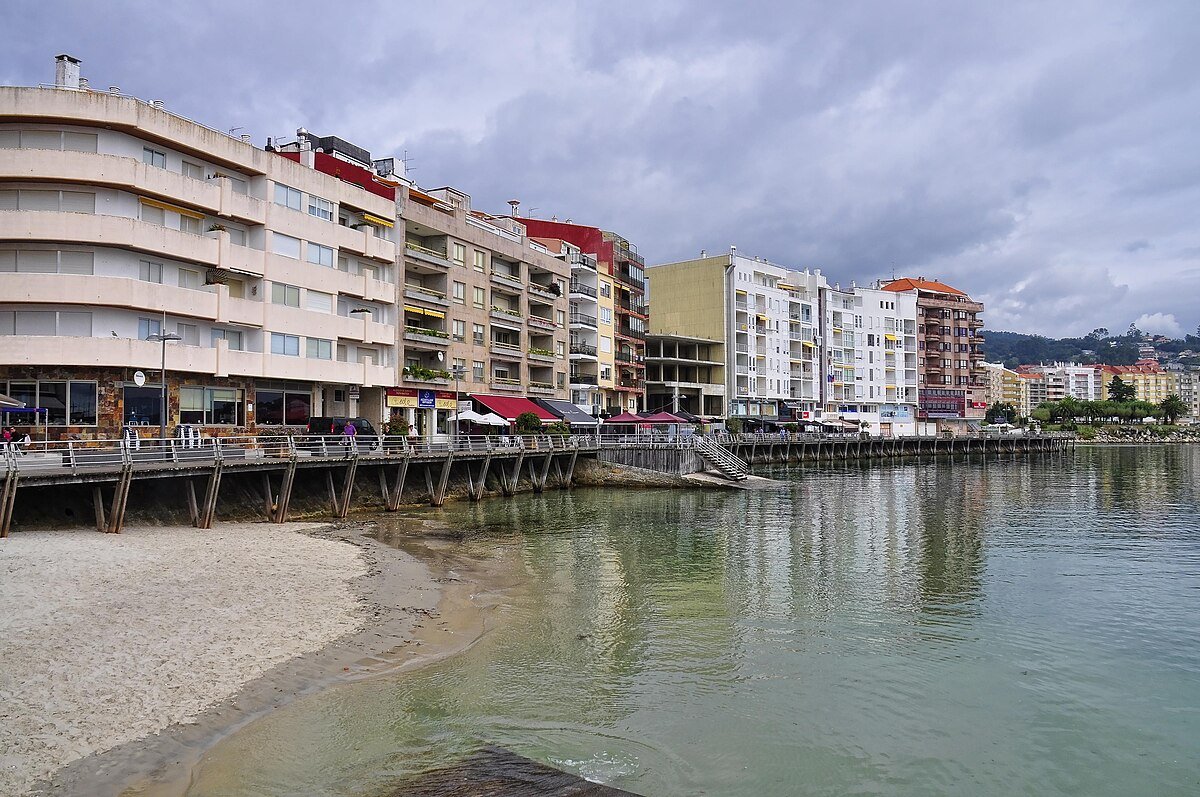
Summer tells a different story. There is no beach in Meaño itself, yet the coastline of O Salnés is only a short drive away: Sanxenxo, Cambados, O Grove. It means staying in a valley of vineyards while having the sea within easy reach.
Locals tend to joke about the same thing every summer: visitors are welcome, as long as they do not park in front of someone’s garage.
A simple approach works well here. Use Meaño as a base for exploring the surrounding area. A morning walk among the vineyards, seafood near the ría at midday, then a return to the valley in the afternoon when everything settles again. It is a rhythm that fits the place naturally.