Full Article
about Ribadumia
Ocultar artículo Leer artículo completo
The vines start at head height. Walking the back lanes of Ribadumia you duck instinctively, even though the pergola frames are sturdy enough to hold a tractor. This is how Galicia grows white wine: leaves overhead, grapes dangling like pale green earrings, the Atlantic salt you can taste though the sea is six kilometres away. No visitor centre explains it; the trellises simply begin where the pavement ends.
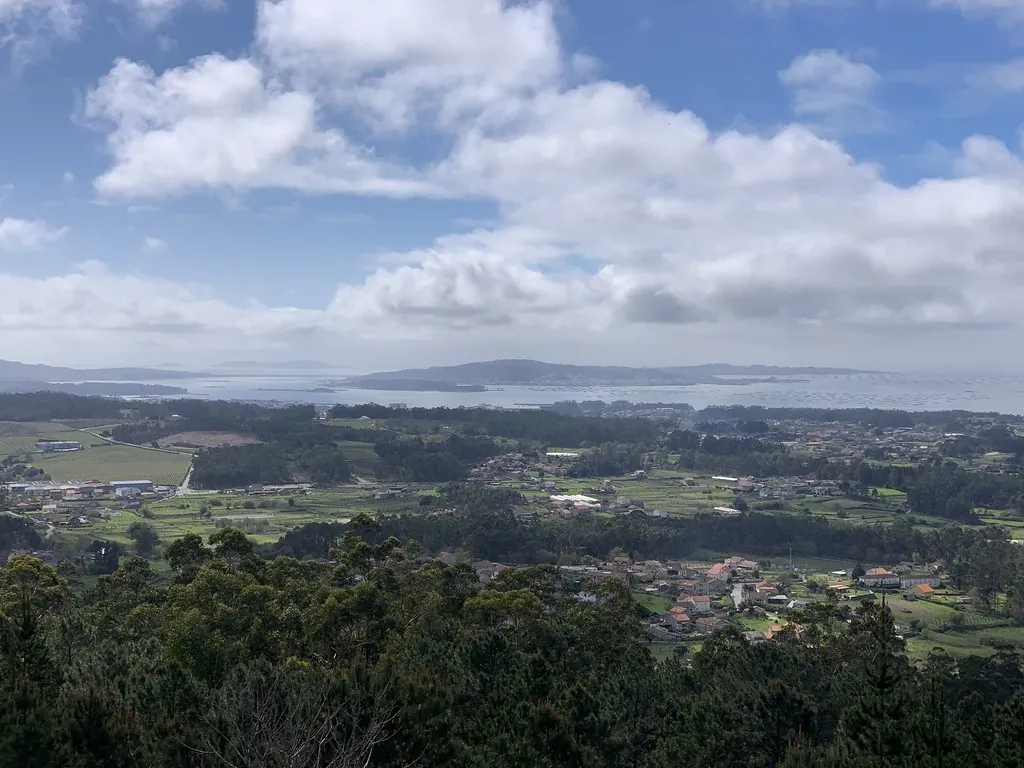
Ribadumia sits on the flat, western lip of the Ría de Arousa, forty-five minutes south-west of Santiago airport. Five thousand people, three parish churches, one main road and a postcode that appears on every other bottle of Albariño in British wine shops. The council calls itself a “municipio vitivinícola” and means it: grapes outnumber voters, and the Saturday farmers’ market lists sugar levels alongside prices.
A landscape that drinks first, photographs second
Forget postcard squares. Ribadumia’s public heart is a triangle of tarmac outside the bread shop where delivery vans perform a three-point turn. The monuments are scattered through smallholdings: a twelfth-century Romanesque church at San Xoán de Baión, four granite crucifixes where field tracks meet, and occasional pazos—manor houses—peeping over high walls. Most are still family owned; if the gate is shut you admire the stone escutcheon and move on. The pleasure is kinetic. You drive, coast in neutral, brake for a tractor, then pull over because the late-afternoon light has turned the vines translucent. A five-kilometre lane can swallow an hour without effort.
English-language reviews on the big travel sites are almost absent, which suits the locals. Spanish weekenders arrive in February for pruning workshops, again in September for the vendimia, then disappear. British visitors who do find the place tend to be wine-trade refugees heading for a specific bodega and discovering, with mild surprise, that dinner costs half Cambados prices.
Wine without the theme-park treatment
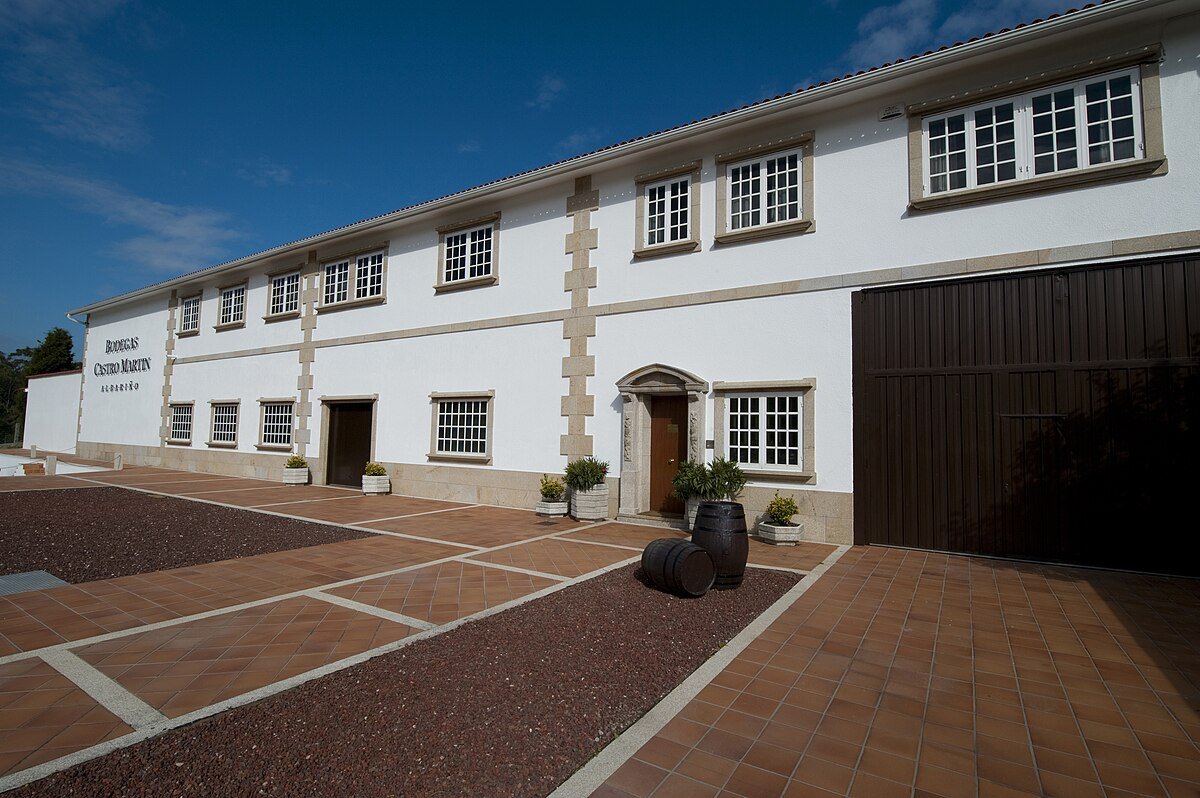
There are twenty-odd wineries inside the council boundary, all entitled to the Rías Baixas D.O. Pazo de Señoráns, Martín Códax and Adega Eidos welcome drop-ins, but only by appointment made at least a day ahead. Tours run to ninety minutes: vineyard walk under the pergolas, tank room that smells of lime peel, three-glass tasting, obligatory purchase opportunity. Expect to pay €12–€16, refunded if you buy two bottles. English is spoken, though sometimes by the winemaker’s niece who did an Erasmus year in Dundee. The bigger co-ops close at weekends; family cellars may open on Saturday morning if you phone first. The rule of thumb is one bodega per half-day: roads are slow and the alcohol creeps up.
If you simply want a glass, most bars pour Albariño from a steel keg behind the counter—locally labelled “vin joven”—at €2.20 a caña-sized measure. It is young, sharp, perfect with the plate of steamed mussels that arrives whether you ordered it or not.
Where to sleep, eat, and remember the hire-car key
Accommodation is thin. The Pousada de Ribadumia has twelve rooms in a converted pazo outside the village; British guests like the stone spiral stair and the fact you can walk to dinner without driving drunk. Doubles from €110 B&B, less mid-week. Everything else is rural casas that sleep four to eight; expect tiled floors, unpredictable hot water and neighbours who start strimming at eight. Book early for August fiesta week or plan to stay in Pontevedra, twenty minutes inland.
Restaurants follow tractor hours not TripAdvisor. Mesón O Pote opens at 15.00 sharp, serves pulpo a feira (octopus, €12) until it runs out, then closes when the last customer leaves. Empanada gallega is sold by weight; ask for “un cuarto de atún” and you’ll get a quarter-kilo slab big enough for two. Dessert is tarta de Santiago, almond tart dusted with the Cross of St James stencil—naturally gluten-free and sweet enough to mask the 13 % alcohol you’ve just drunk. Cards are accepted, but the machine is upstairs and the signal fails in rain. Bring cash.
Between the Atlantic and the ants
Ribadumia’s climate is a negotiation between sea and mountain. Morning fog rolls off the ría, burns off by eleven, then the breeze returns at four. Temperatures sit five degrees below inland Galicia in July and five above in January; mildew is a bigger enemy than frost. What this means for walkers is: always pack a layer, even in August, and expect mud that laughs at Gore-Tex. There are no signed trails; instead you follow the vineyard lanes that link the parishes of Baión, Beade and Castrelo. A circular trudge from the church at Beade to the Roman bridge over the Tomeza river is 6 km, flat, and passes seven family plots, three dogs that bark in rotation and one honesty-box shed selling last year’s wine at €4 a bottle.
The coast begins six kilometres west at Playa de Areas, a 1.2 km sweep of sand that fills with Vigo day-trippers but never reaches Cornwall densities. You can cycle there on back lanes; most drivers allow fifteen minutes and €3 for the toll bridge at Vilagarcía. The beach has showers, a chiringuito selling acceptable gin-tonic, and lifeguards who whistle at bodyboarders but ignore the grandparents swimming in their underwear. It is not “unspoilt”; it is simply Spanish domestic tourism on a budget, which feels refreshing after the Costa Blanca.
When to come, and when to stay away
Late May and early October give you leaf-cover, empty roads and hotel rates before the French motorhomers arrive. Vendimia starts the second week of September: tractors block the PO-308, grape-juice mist coats the tarmac and every bar smells of fermentation. Spectators are welcome; helpers are handed secateurs and a glass in equal measure. Avoid August 15th weekend unless you enjoy outdoor concerts that end at 04.00; likewise Easter when Santiago pilgrims take every hire car.
Rain is not a season, it is a texture. Showers arrive horizontally and leave the granite walls glittering. Locals shrug and reopen their umbrellas; visitors who insist on blue-sky photos end up with fifty shades of green instead. The vines love it, and so will you if you pack shoes that dry overnight.
Parting shot
Ribadumia will not change your life. It will, however, recalibrate what you mean by “wine country”: no gift-shop tills chiming over barrel-aged key-rings, just a grid of lanes where the same families have pruned and harvested since the 1850s. Come with a car, a loose afternoon and room in the boot for a case. Leave before you start correcting other tourists on the pronunciation of Albariño. Two slow hours is enough; half a day with lunch is better. The vines will still be there next year, a little higher, a little thicker, and nobody will have built a multi-storey to admire them.