Full Article
about Sanxenxo
Hide article Read full article
Sanxenxo is the guy at the party wearing a polo shirt with the collar popped. You know the type. It’s confident, a bit showy, and its entire identity is built around summer. The sea isn’t just nearby here; it’s the boss, the mayor, and the social secretary all in one.
Come August, the place swells. The official population figure becomes a gentle fiction, and finding a parking spot feels like winning a small lottery. If your idea of a good time is energy and noise, you’ve hit the jackpot. If you hear “beach holiday” and think of solitude, you’ve taken a wrong turn in high season.
Silgar Beach and the August Experiment
Silgar is that postcard. Wide sand, a long promenade, water that’s calmer than the open Atlantic. Its appeal is obvious. The test comes on a sunny August afternoon. The sand gets dense, in that specific way where you can overhear three different conversations without moving your head. It’s less a beach day and more an exercise in communal living.
The thing is, Sanxenxo has more cards up its sleeve. A short drive away, A Lanzada beach throws open the windows. It’s vast, windy, and feels wilder. You can actually find space there. Anchoring one end is the Ermita de A Lanzada, a tiny chapel that’s been staring down the Atlantic for centuries. Everyone takes the same photo of it. You probably will too.
The Promenade as Main Street
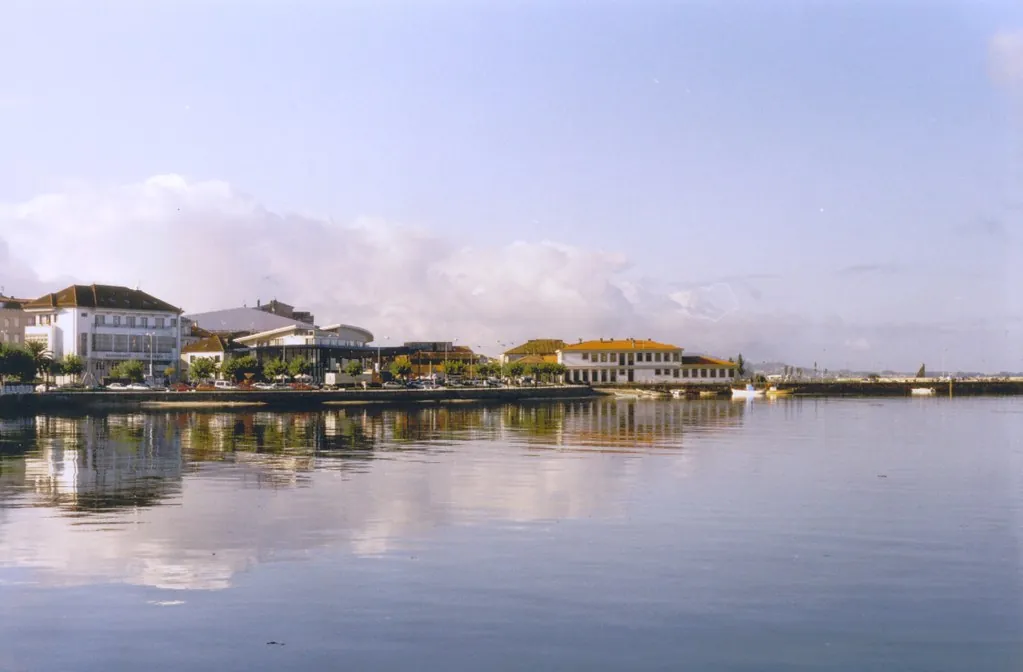
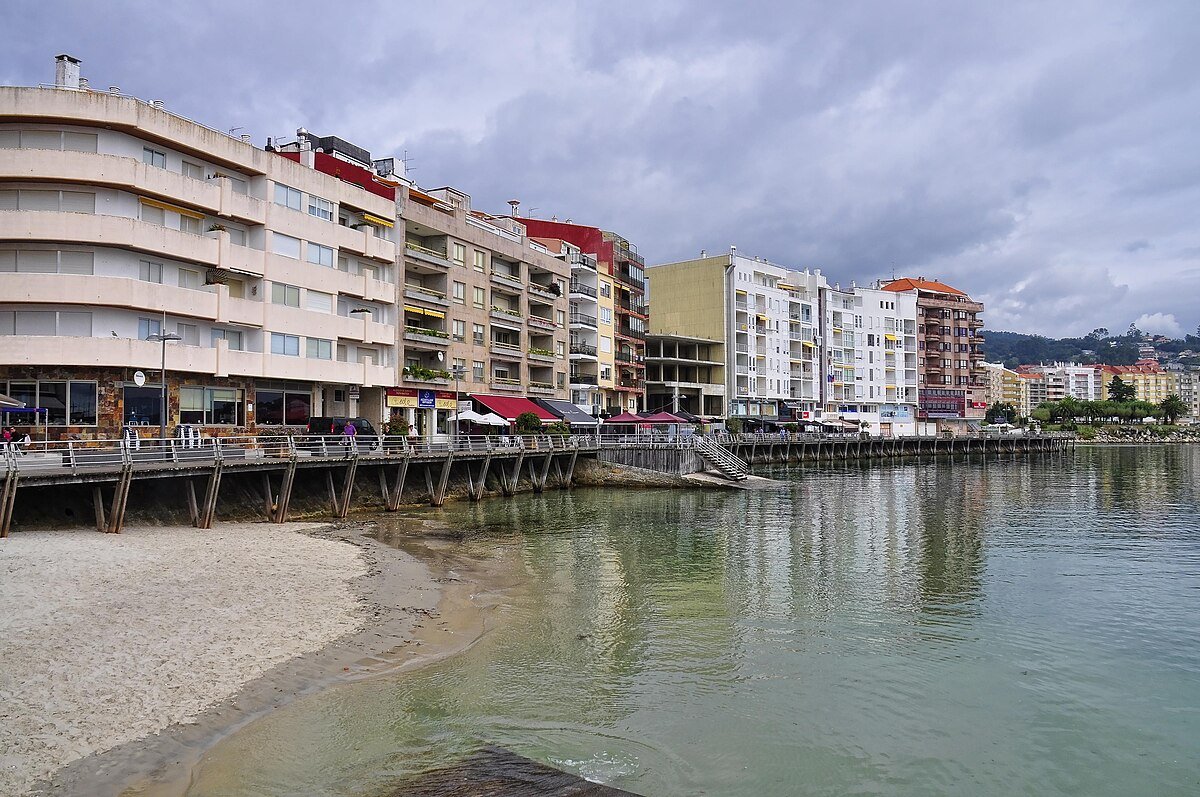
For several months a year, Sanxenxo’s seafront promenade is the town centre. It functions like an outdoor living room with too many guests: terraces, ice cream shops, families strolling as the sun drops. For many people, this is the point—not just the beach, but the whole ritual of seeing and being seen.
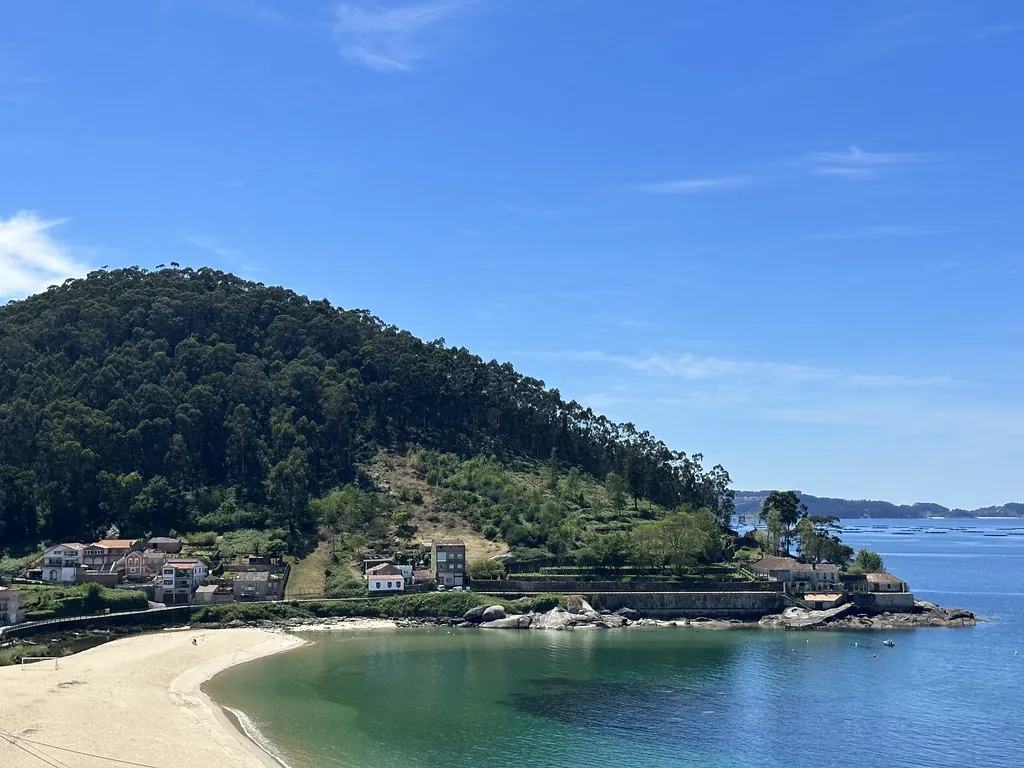
When it gets to be a bit much, you can walk to Portonovo. It’s part of the same municipality but has a different pulse. The focus tilts more toward its working harbour, and the volume dials down half a notch.
Keep an eye out for local rhythm markers. On Sundays, a market pops up with everything from flip-flops to frying pans—the kind where you leave with a bag of peaches you didn't plan on buying. And in summer, don't be surprised to see boats parading for the Virgen del Carmen; it's part seafaring tradition, part community theatre.
Eating in Rías Country
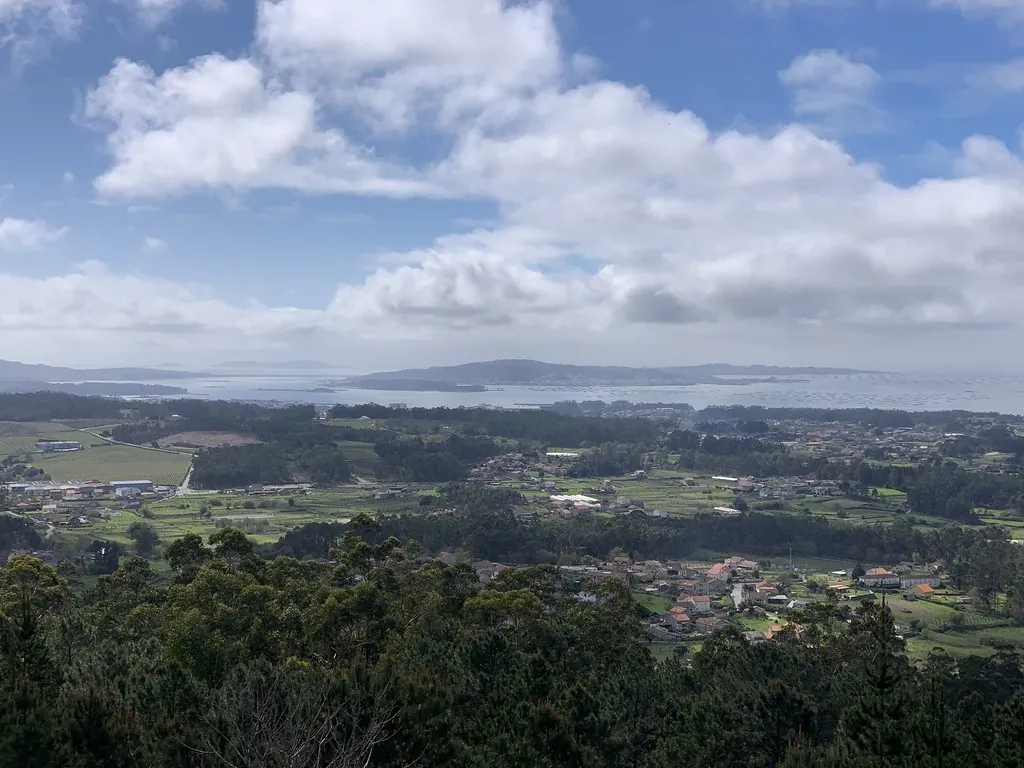
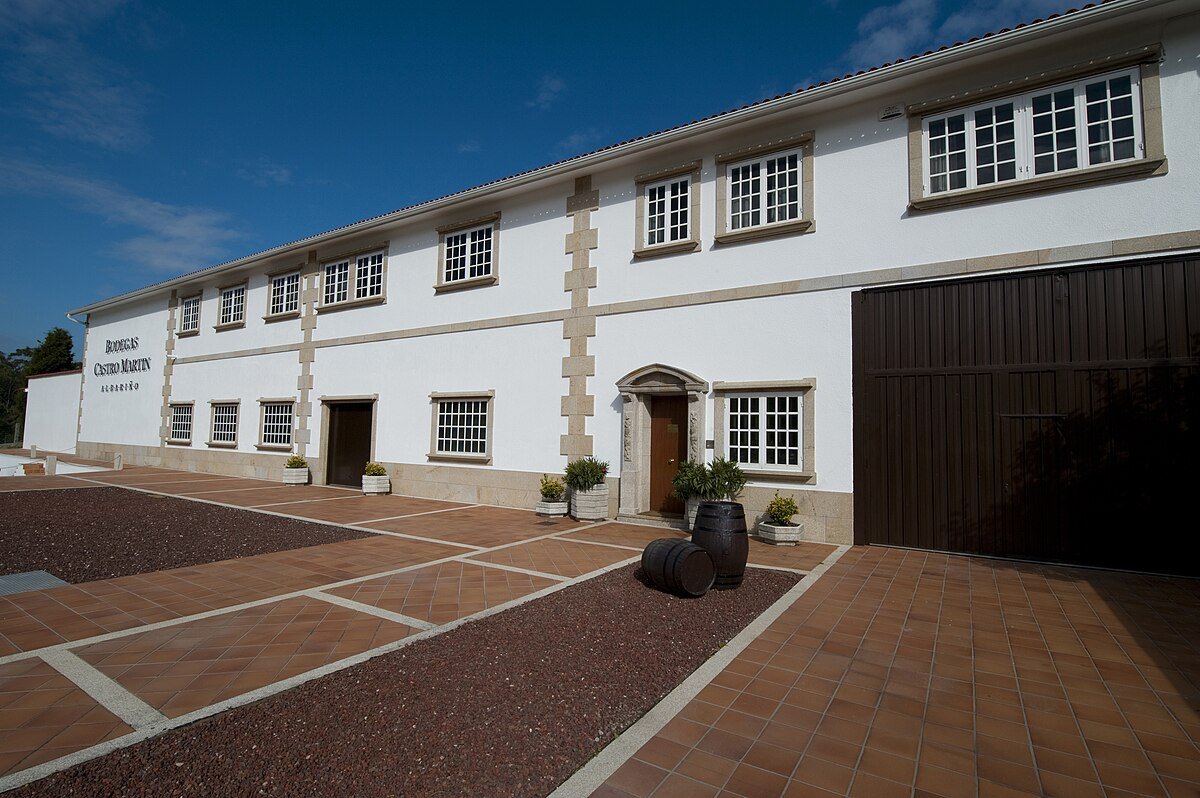
This is where Sanxenxo doesn't have to try hard. You're in O Salnés, deep in Albariño country and surrounded by rías. The menus get straight to the point.
You'll see caldeirada everywhere—a no-nonsense fisherman's stew of rockfish, potatoes, and paprika. It tastes like it was invented on a boat. Then there are the classics: pulpo á feira, steamed mussels, cockles when they're good. The trick is to let the product do the talking. And about that Albariño: ordering anything else feels like missing the point here. It's local tap water for adults.
When You Need a Break from Sand
After a few days of beach time, your feet might crave pavement or dirt track. Scattered around are old pazos, those typical Galician stone manors with coats of arms and quiet gardens. You'll spot their hórreos (those raised granite granaries) from the road. No need for a formal tour; just knowing what you're looking at adds layers to a drive.
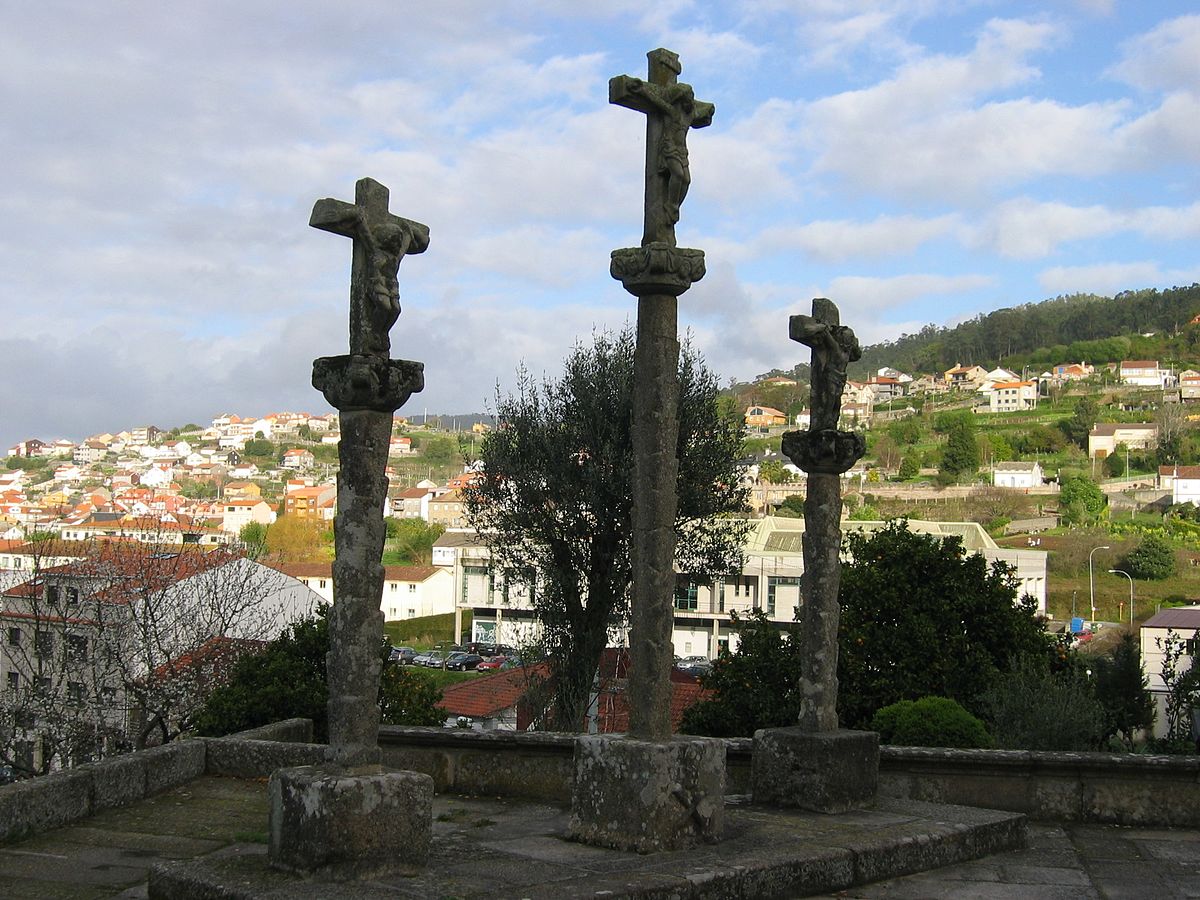
A better escape is walking around A Lanzada point. A coastal path follows the shore past weathered cruceiros, those stone crosses that mark Galician landscapes. It's not a hike; it's more of an amble with constant sea views. It resets your head.
The Summer Stage
Let's be clear: Sanxenxo knows its role as Galicia's most prominent summer stage. The marina fills with boats, the terraces with people, and occasionally someone famous wanders by for a coffee. Some people come precisely for this buzz—the feeling of being in the middle of something.
A five-minute drive lands you on A Toxa island. The vibe does a full 180 here. It's all manicured gardens, a spa hotel, and a bizarre little chapel completely covered in seashells. It feels like stepping into a different story for an hour.
So What's The Verdict?
It entirely depends on when you show up. July or August? You're signing up for crowds, but you get long evenings, that infectious holiday energy, and everything being open. Come in June or September? The machinery still works, but you can actually hear yourself think. The sea is just as present, the promenade just as long, but Sanxenxo lets its guard down a little. You get to see how it lives when it's not quite trying so hard