Full Article
about Vilagarcía de Arousa
Hide article Read full article
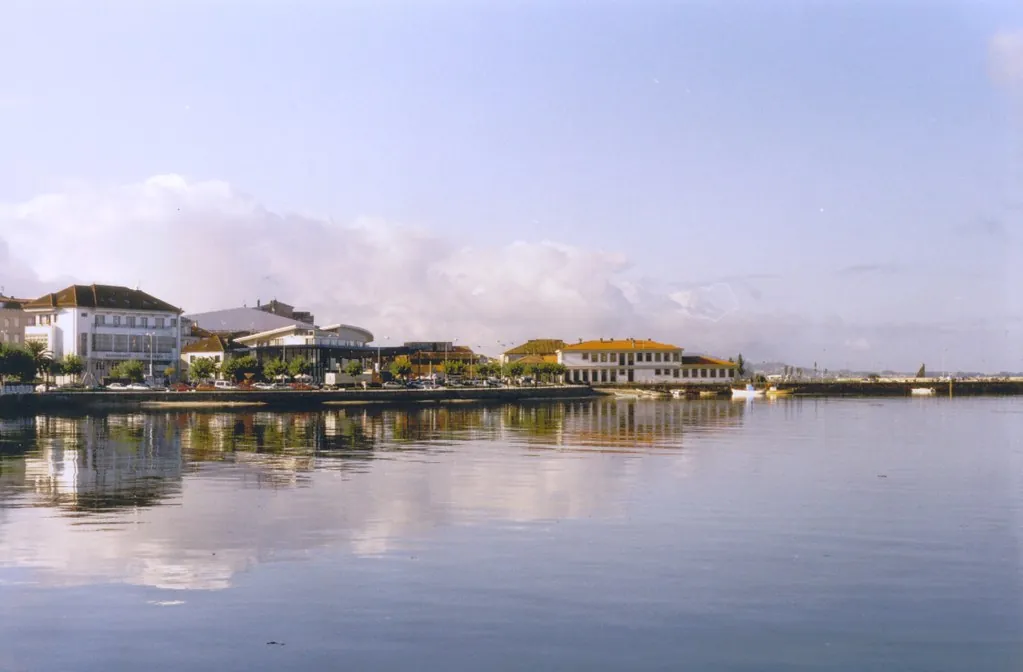
Vilagarcía de Arousa funciona si llegas temprano. Antes de las diez aún se aparca cerca del puerto o en las calles paralelas al paseo marítimo. Después, darás vueltas. Es una ciudad portuaria de trabajo y se nota al instante: olor a mejillón cocido, gasóleo de barcos y el ruido de cajas arrastrándose por el muelle.
No es un pueblo museo. La gente vive aquí. Los barcos salen y entran. El tráfico circula por el centro. Quien espere una postal gallega en silencio tendrá que ajustar la idea. Vilagarcía se siente activa, práctica y atada al agua de forma directa.
El paseo de la ría
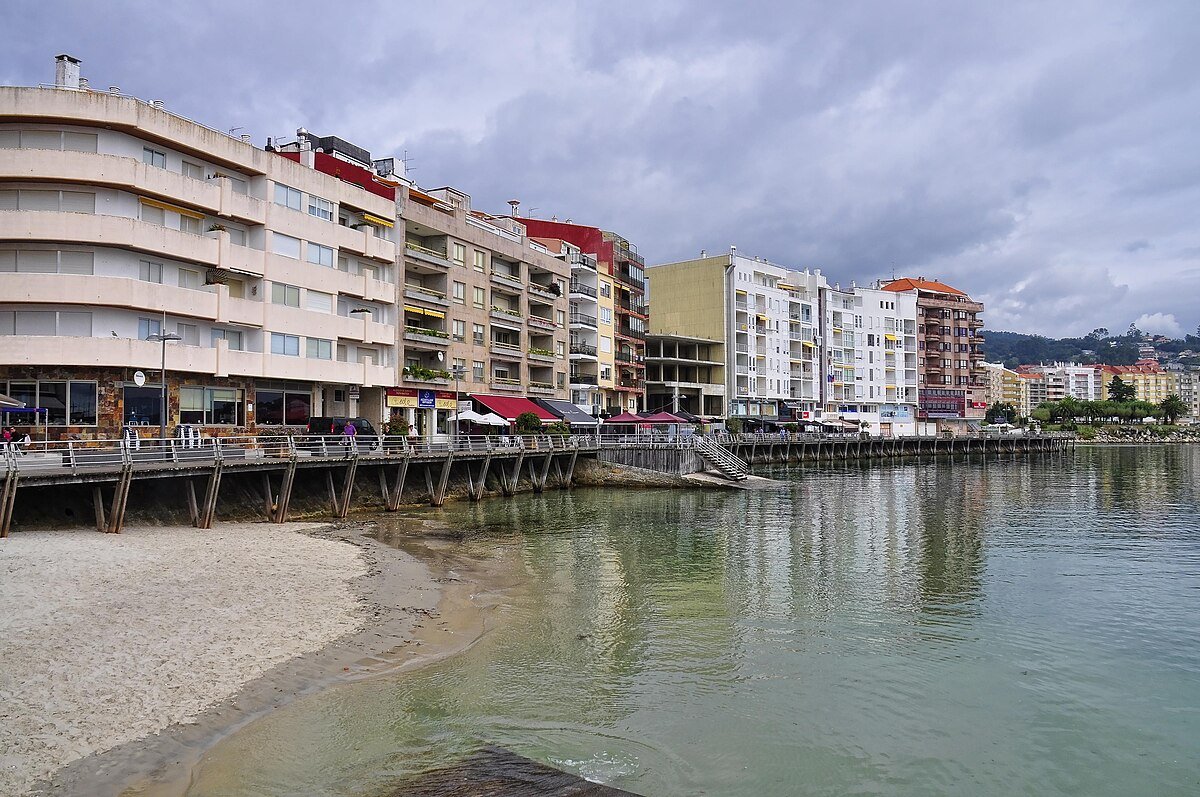
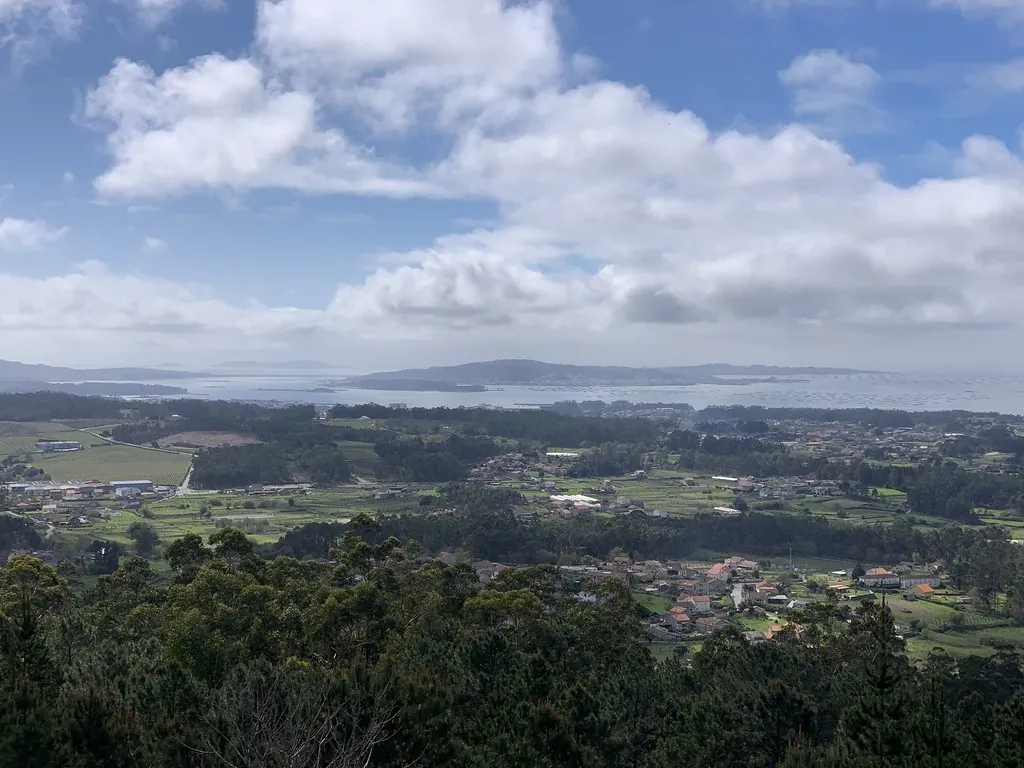
El tramo entre A Cencha y Compostela es lo mejor del pueblo. Son un par de kilómetros asfaltados, con pinos y vistas a la ría. En el agua se ven las bateas para el mejillón.
Por la mañana a veces hay mariscadores con rastrillo en la orilla. El metal raspando piedra se escuela en el aire. Es un sonido habitual aquí.
Hay pazos en la zona, las casas señoriales gallegas. En Vilagarcía están, pero no cambian un viaje. El Pazo de Vistalegre tiene torre cuadrada y un jardín grande para eventos. El Pazo de Pardiñas conserva unas gárgolas algo raras. El de Sobrán suele estar cerrado. Verlos por fuera y seguir camino es suficiente.
Cerca del centro está el castro de Alobre, un poblado fortificado de la Edad del Hierro. Es pequeño: un montículo con restos de muralla y vistas a la ría. Sirve como parada breve si pasas por ahí, no como destino.
Agua, ruido y verano
San Roque marca el verano en Vilagarcía. La fiesta dura días y atrae gente de toda la comarca. El momento conocido llega al mediodía, cuando alguien grita “¡agua!” y empieza una batalla. Aparecen cubos y mangueras desde los balcones. No dura mucho. En minutos todo el mundo está empapado y se dispersa.
Por la noche suele haber fuegos artificiales lanzados desde la ría, el Combate Naval. A pesar del nombre, es un espectáculo pirotécnico sobre el agua, con mucho ruido.
En primavera suele celebrarse la romería de Santa Rita en el convento. Mucha gente sube andando con comida y vino. El ambiente es rural, con eucaliptos alrededor y familias pasando el día fuera.
Comer frente al agua
Aquí manda el producto: marisco de la ría, pulpo, empanada y vino blanco local. No hace falta buscar cosas elaboradas. Alrededor del puerto y del mercado hay movimiento constante de cajas con pescado y marisco. Ese trasiego es buena señal.
Es igualmente válido simplificar: pan, marisco comprado ese día y un banco mirando al agua En Vilagarcía eso no extraña a nadie
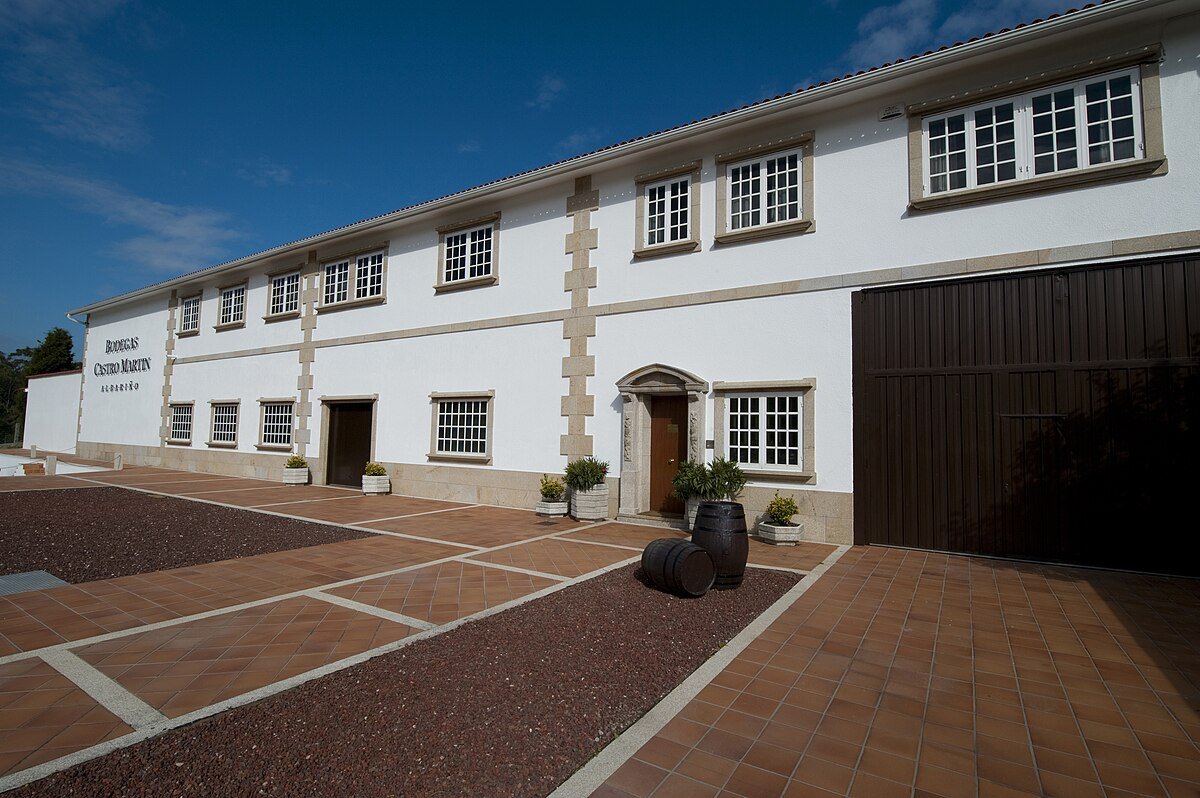
Albariño hay en casi cualquier bar Algunas botellas sonde bodegas conocidas, otras sonde cosecha propia Pregunta qué tienen abierto y te lo dirán sin ceremonias Importa más lo que haya disponible que la presentación
Playa Compostela
Playa Compostela está a pie desdeel centro Es una playa urbana, de arena fina, bastante largay pegada directamenteal paseo marítimo En verano se llena defamilias que vienen desde Santiago u otros pueblosdel interior
El aguade laríasigue fríainclusoen agosto La rutina es previsible: entrada rápida, queja breveporla temperatura, y vuelta afuera para secarseal sol
Septiembre cambiael ambiente: hay menos gente, perros que correnporla arena, parejas jubiladas paseandolentamente por élpaseo El ritmo baja,aunqueel puerto sigue activocerca
Venir porla mañana facilitael aparcamiento yesquiva competircon media comarca poruna plaza Un paseopor élpaseo, un vistazoala ríayuna comida sencilla bastanpara formarteuna idea clara delen unpoco día Si hay tiempo,tiene sentido cogerel cocheycruzarala Illade Arousa,dondel paisaje cambia En Vilagarcíamismo,e1puerto siguesiendo lapresencia central Eso daforma alpueblo,y le daun carácter queno intentaser otra cosa