Full Article
about Cerceda
Ocultar artículo Leer artículo completo
The thermometer reads 32°C at eleven in the morning, yet the air still smells of damp earth. Cerceda sits 400 metres above sea-level on a wind-scoured plateau between A Coruña and Santiago, high enough for Atlantic weather to collide with Mediterranean heat. One minute you’re squinting in sharp sunshine, the next a cloud drifts across the road and the temperature drops five degrees. Pack both suncream and a waterproof; locals do.
A scatter of parishes, not a postcard core
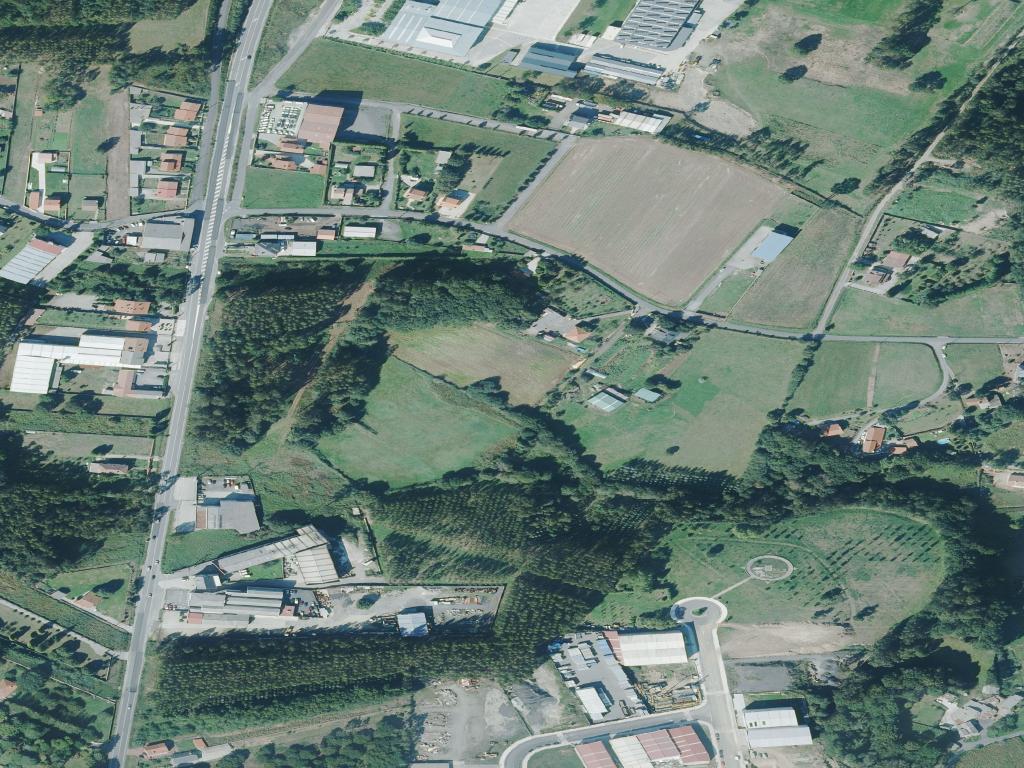
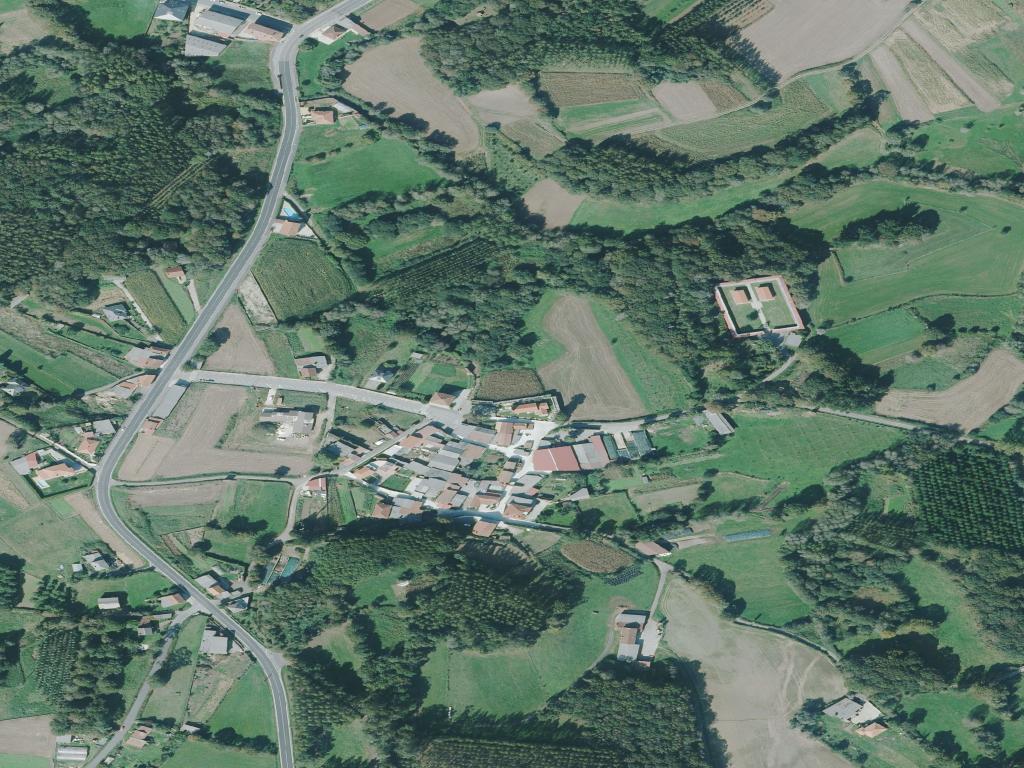
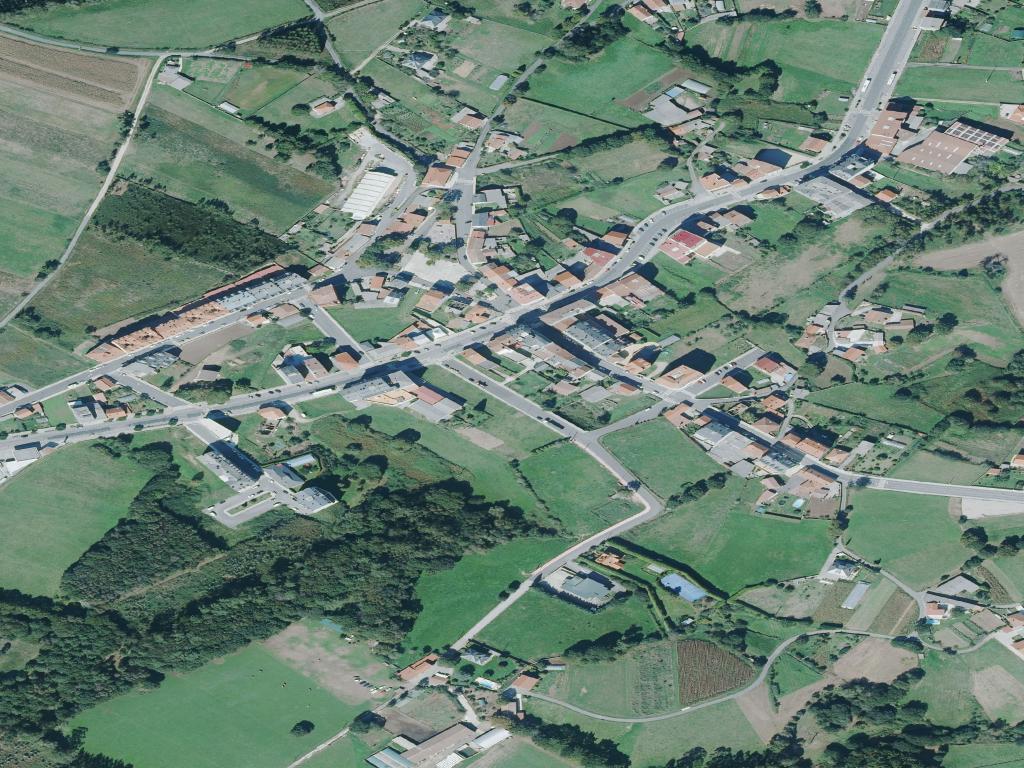
Forget the tidy plaza-and-church formula you find in guidebooks. Cerceda is an administrative patchwork of hamlets—Bama, Axexo, Vilariño—linked by narrow lanes that dip into oak-filled gullies and emerge beside cow pastures. Distances look laughable on the map: six kilometres from one side of the municipality to the other. Allow twenty minutes. The road twists, tractors appear, and you’ll probably stop to let a farmer shift his herd.
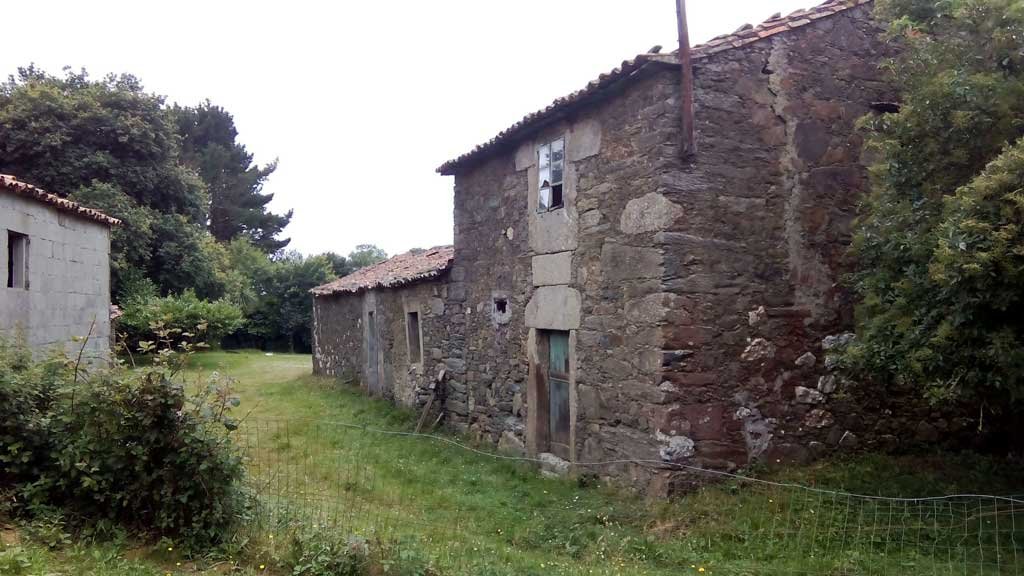
Stone crosses (cruceiros) mark crossroads, granaries (hórreos) stand in farmyards, and every so often a tiny chapel appears with its door wedged open by a stone. These aren’t curated exhibits; they’re working parts of everyday life. If the chapel is unlocked, wipe your feet on the mossy step and leave a euro in the box. No-one will thank you aloud, but that’s the unwritten tariff for shelter and silence.
Walking is the easiest way to stitch the fragments together. A circular route from the church of Santa María de Bama through Axexo and back is 7 km, mostly on farm tracks. The gradient is gentle, but the path can turn slick within minutes of rain. Proper footwear matters more than ordnance survey skills—if the sign says “Pista particular”, just ask. Galicians rarely shrug; they’ll explain which gate to close behind you.
Water, water everywhere—especially in August
The only place English visitors reliably mention is Aquapark Cerceda, a five-slide complex on the southern edge of the plateau. Reviews swing between “brilliant value” and “never again”, depending entirely on timing. A full-day ticket costs €23 online; turn up after 11 a.m. in midsummer and you’ll queue forty-five minutes for a thirty-second slide. The 1,500-person capacity sounds generous until you realise three coachloads of teenagers from Santiago can arrive before lunch.
Arrive early, bring pool shoes (the concrete fries feet by midday) and pack a cool-bag. The park allows outside food, and the solitary café cannot cope when every sun-lounger is taken. On quiet days—late May, early October—you’ll share the lazy river with a handful of locals and have your pick of shade under the eucalyptus. On busy days the water clouds, lockers jam, and the car park becomes a gridlock of overheated hatchbacks. Check the webcam the evening before; if the tarmac is already half full, reconsider.
Food that doesn’t involve octopus
Galician cuisine is famous for pulpo a la gallega, but Cerceda’s inland position pushes the menu toward beef, potatoes and anything that survives in a mountain vegetable plot. El Ibon Cervecería, opposite the health centre, serves a grilled pork bocadillo the size of a house brick; ask for extra padrón peppers if you like culinary roulette (one in ten is chilli-hot). Mickey Monkey Gastrobar sounds improbable, yet its tuna tataki and decent chips offer respite for teenagers who have reached tentacle saturation.
Market day is Wednesday in the small covered hall beside the N-550. Little is aimed at tourists: socks, cheap trainers, and heaps of greengages that cost €2 a kilo. Buy anyway. The fruit comes from orchards a few kilometres away and tastes of actual summer. If you’re self-catering, the Supermercado Froiz stocks local tetilla cheese—mild, buttery, shaped like a breast and perfect for picnics when the clouds close in.
When to come, when to stay away
Spring arrives late at this altitude; gorse is still flowering in May and the bracken is only knee-high, which makes walking easier. Temperatures hover around 18°C, ideal for long gradients without the midsummer glare. Autumn is equally forgiving: chestnut trees turn copper in October and the water park reverts to a ghost town, so you can slide repeatedly without queueing.
Winter is a different proposition. The plateau sits high enough for sleet in January, and secondary roads ice over. Chains are rarely needed, but fog can drop visibility to twenty metres. Days are short—sunrise after nine, dusk before six—so unless you enjoy hiking with a head-torch, treat the village as a lunch stop en route to Santiago rather than a base.
August is hot, busy and expensive. Rural hostels double their prices, the water park hits capacity, and every roadside verge hosts a parked car whose owner has given up looking for official parking. If school holidays are your only window, book accommodation early and plan activities for early morning. By two in the afternoon the heat drives everyone indoors; siesta time is real, and the village falls eerily quiet apart from the hiss of garden hoses.
Beds, bolts and bandwidth
Cerceda’s accommodation stock is limited. Hotel Sercotel Ode do Sil has forty-odd rooms, a pool that isn’t heated, and Wi-Fi that copes until three guests start streaming. Doubles run €70–90 including breakfast (powdered orange juice, strong coffee, industrial croissants). Rural houses are scattered through the parishes: expect stone walls, wood-burning stoves and the occasional slug in the shower after heavy rain. Mobile signal is patchy once you drop into the valleys—download offline maps before you set out.
The honest verdict
Cerceda will never top a “must-see” league table, and that is precisely its appeal. The village rewards travellers who prefer a slow accumulation of small moments: the smell of eucalyptus after rain, a farmer waving you through a gate, the sight of a hawk circling above the water slides. Come with a car, flexible timing, and realistic expectations. Arrive in August without planning and you’ll spend the day foot-sore, sun-burnt and muttering about queue management. Visit in late September with walking boots and a picnic, and you might leave wondering why more people don’t detour inland. They don’t because no postcard told them to. Keep it that way.