Full Article
about Frades
Ocultar artículo Leer artículo completo
The mist lifts just enough to reveal a stone cross taller than the neighbouring farmhouse. Nobody stops to photograph it. The farmer guiding his tractor past merely nods—this is simply where the track bends. That single cruceiro tells you more about Frades than any brochure: rural, understated, and quite indifferent to whether you arrived or not.
High pastures, low fuss
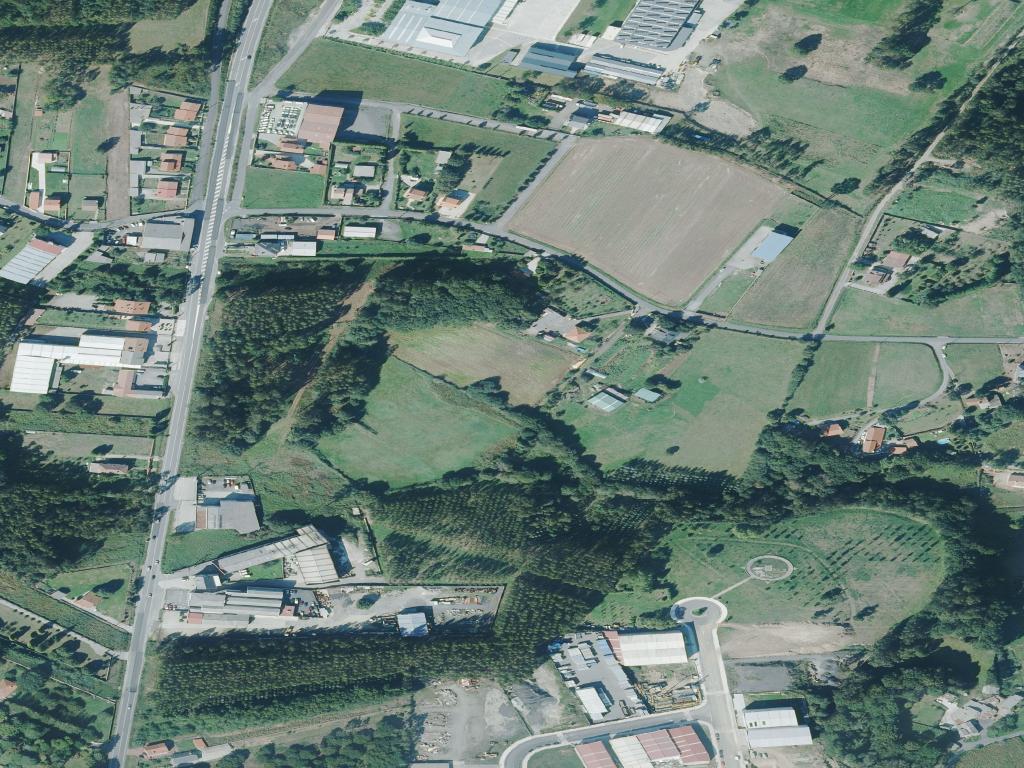
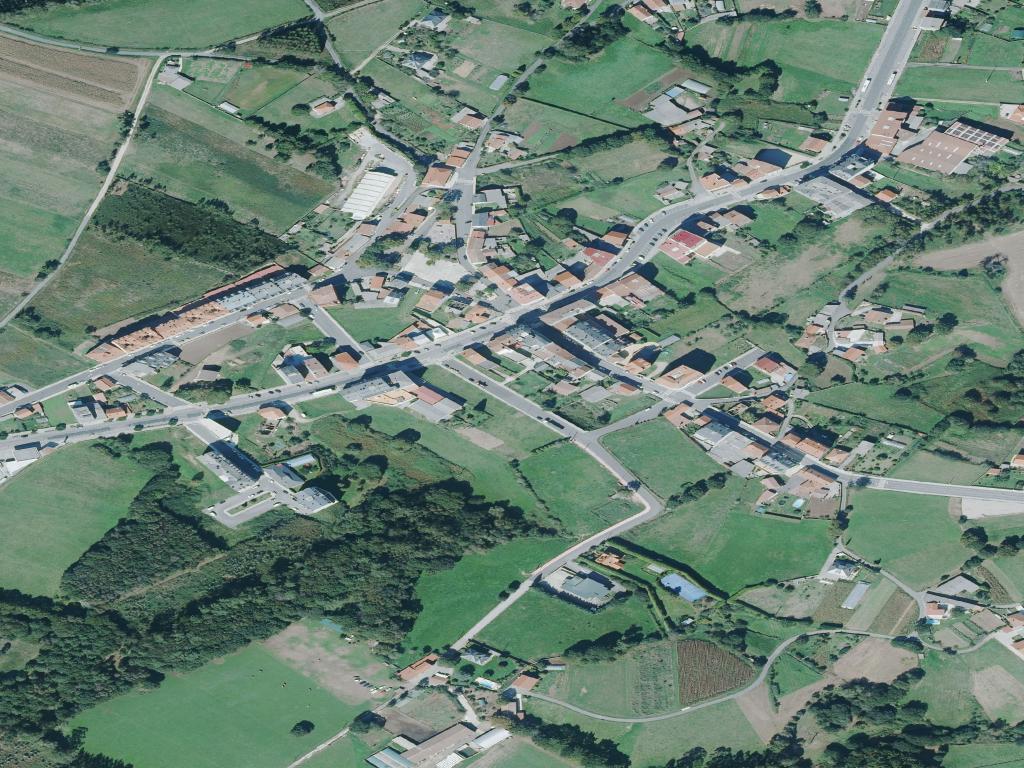
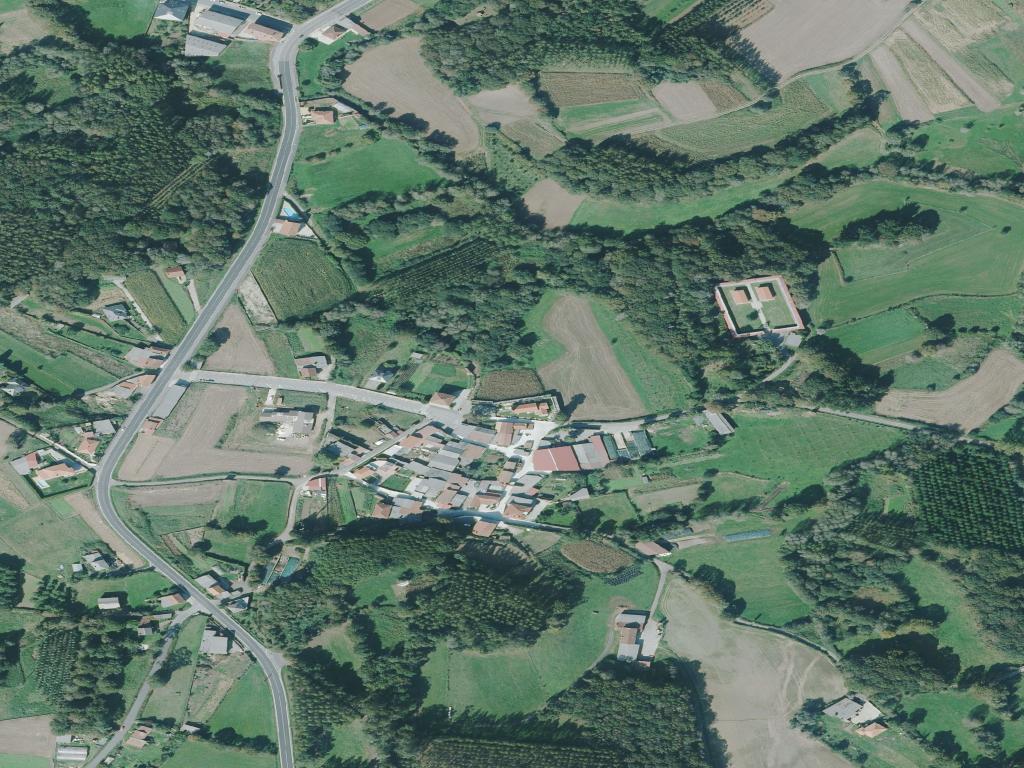
Frades sits at 450 m above sea level on the western shoulder of the Macizo Central—high enough for Atlantic weather to feel sharper than in Santiago, 30 km to the south-west. Mornings can start at 8 °C even in June; by 2 p.m. the thermometer has sprinted past 25 °C if the clouds peel back. The altitude keeps the maize-green landscape from turning parched, but it also means showers form quickly, so a thin waterproof lives in every rucksack, whatever the season.
Roads climb in tight S-bends from the valley floor. Stone walls replace crash barriers; eucalyptus trunks lean over the tarmac like impatient spectators. The reward is space: look east and you see pasture unrolling towards Ordes, 12 km away, with only the occasional slate roof puncturing the horizon.
Winter brings the puchas—Atlantic fronts that dump sideways rain. Tracks soften to chocolate mousse and the BBVA cash machine on Rúa do Medio is more likely to be working than the bus service, which drops to one return trip on weekdays and nothing at weekends. Between December and February you need snow tyres if a cold wave slips down from the Cordillera Cantábrica; locals simply stay put and wait for the gritter, which might take a day.
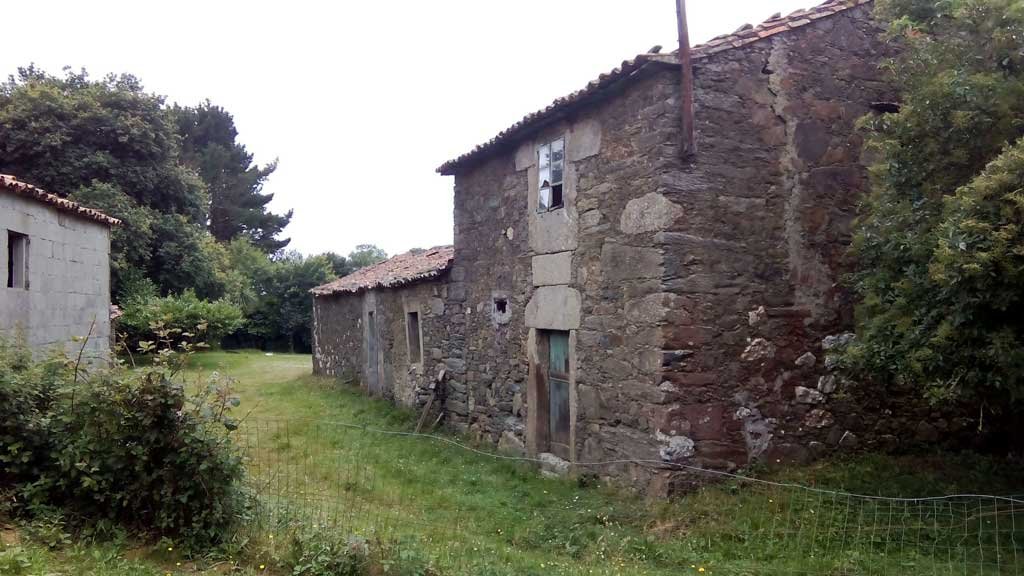
Summer, by contrast, is the season of threshing machines and outdoor verbenas. Nights stay above 15 °C, ideal for camping beside the reservoir at Embalse de Portomouro, though the water level drops so low by August that the abandoned hamlet of Vilarello sometimes re-appears, its stone doorways gaping like broken teeth.
Walks without signposts
Forget colour-coded arrows. Footpaths here are the same routes that take cows to milking: pressed-earth strips between gorse and potato plots. The most straightforward circuit starts behind the cemetery in Mesón do Vento (a parish that sounds like an inn but isn’t). Head uphill past three hórreos on stone staddles, each one a different length—local families still compete over who can store the most chestnuts. After 45 minutes the track levels onto an oak ridge; turn left and you drop back to the N-634 at the petrol station where coffee costs €1.20 and the owner keeps a handwritten ledger of who owes what.
If that sounds vague, it’s meant to. There are no glossy panels promising “panoramic viewpoints”, just the occasional concrete post bearing a discreet yellow dash that could mean anything from “public right of way” to “water pipe below”. Offline mapping is essential: OSM-based apps show most paths accurately; Google does not. Signal drops inside every second valley, so screenshot the junctions before you set out.
A longer haul links Frades proper with Buxán, 7 km north-east. The route crosses three tiny riverlets that swell to boot-soakers after rain; allow two hours dry-footed, three if the weather has been wet for days. You finish at Bar O Cruce, where the menu is whatever Carmen bought that morning—perhaps caldo gallego thick enough to hold the spoon upright, or zorza (spicy pork belly) that turns out milder than Cumberland sausage.
What you’ll eat (and pay)
There are four places that serve food mid-week; at weekends that rises to six, though two are garages with a microwave. Prices sit roughly 30% below Santiago’s old town, which British wallets notice immediately.
Pulpo at Bar Vilariño is lifted from the copper cauldron at 1 p.m. sharp; arrive at 1.20 and it’s usually sold out. A €9 plate feeds two if you order bread and cachelos (boiled potatoes). Non-octopus fans head to O Cadaval for churrasco—a slab of pork shoulder marinated in bay and pimentón, then charred until the edges blacken like burnt toast you actually want to eat. One portion (€12) stretches across the plate; ask for a doggy bag and they’ll wrap it in foil shaped like a swan, Galician style.
Vegetarians get tortilla and little else. The egg-and-potato wedge arrives at room temperature, always. Vegans should pack a picnic; supermarkets in Ordes stock hummus, but not here.
Coffee culture is strictly utilitarian: drink standing, leave change, go. Request a flat white and you’ll receive a long café con leche in a glass too hot to hold—same price, same bemused look.
Where to sleep (or why you might not)
Accommodation is the village’s weak link. The only pension, Casa do Río, has four rooms above a bar that opens at 6 a.m. for the farmers’ orujo shot. Previous British guests complain of frying-oil aromas drifting up the staircase and mattresses that pre-date the euro. €35 gets you a double with shared bathroom; earplugs are non-negotiable when the delivery lorries idle outside. A better bet is to base yourself in Santiago and drive up for the day, or book one of the stone cottages on Turismo Rural websites—expect €80–€100 a night, two-night minimum, with wood-burners you’ll light even in May.
When to come, when to avoid
Late April brings gorse blossoms so bright they seem electrically charged; combine that with temperatures in the high teens and you have perfect hiking weather. Mid-September is almost as good, plus you’ll catch the feria of the local San Miguel parish where home-made queixo de tetilla cheese sells for €6 a wheel.
Avoid 15–16 August unless you enjoy bagpipe music at aircraft-decibel level. The Romería de San Rocho turns every lane into a gridlock of tractors sporting plastic flowers. Rooms disappear weeks in advance and the sole ATM runs dry by Saturday lunchtime.
Between November and March you’ll have the paths to yourself, but daylight is gone by 6 p.m. and low cloud can sit in the valleys for days—more Scottish Highlands than Spanish siesta. Still, the wood-smoke smell and empty trails suit walkers who like their solitude literal.
The bottom line
Frades offers nothing that looks good on a souvenir tea-towel, and that is precisely its appeal. You come for the silence between cowbells, the €10 menú that actually fills you up, and the faint smugness of telling friends you spent the day where no coach tour stops. Bring waterproof boots, a paper map as backup, and the assumption that if you want something—directions, coffee, an octopus—you’ll need to ask. The village won’t court you, but it will answer straight, and that’s a welcome rarer than any hidden gem.