Full Article
about Oroso
Hide article Read full article
Between Santiago and the Tambre
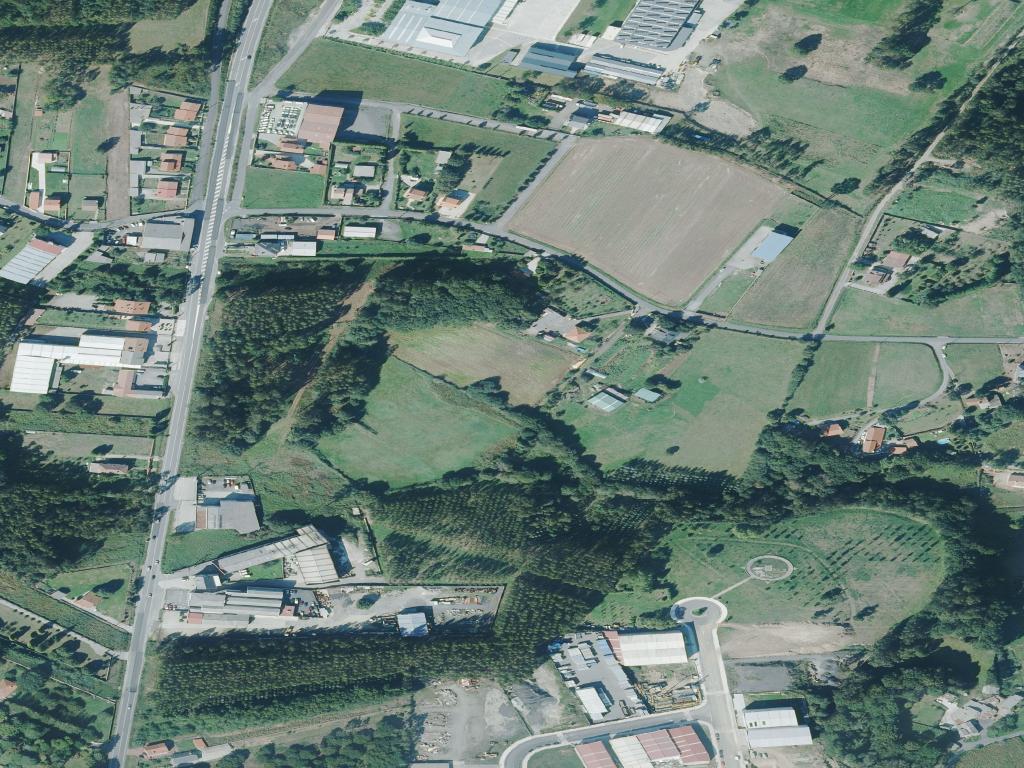
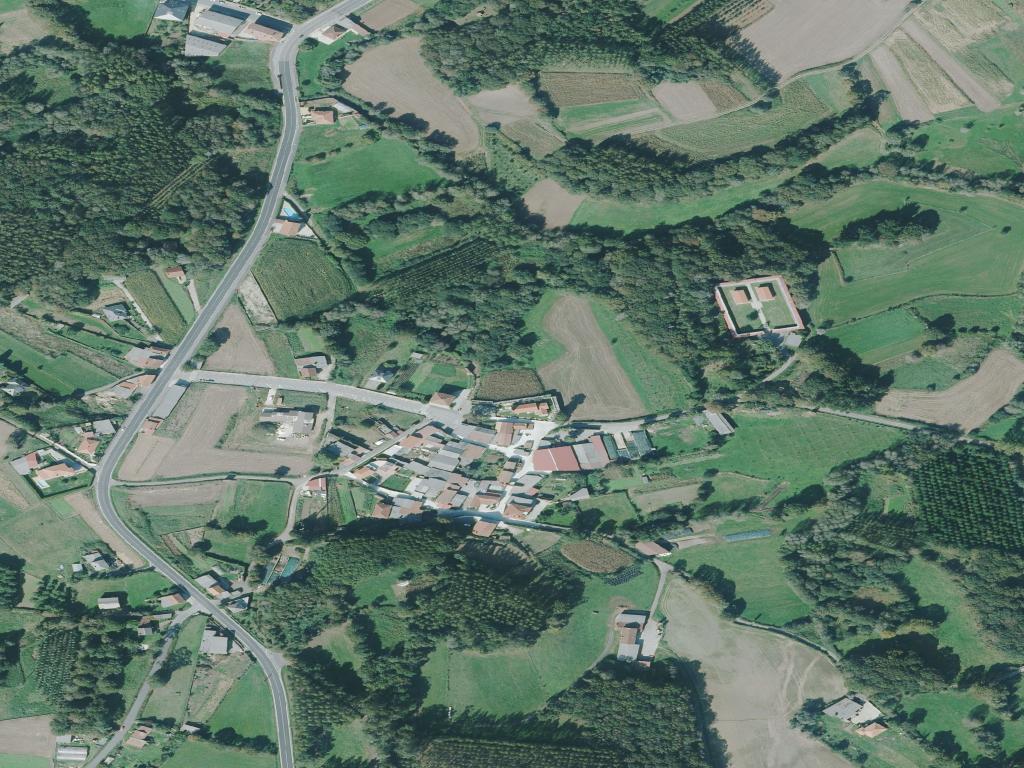
Oroso is defined by its position relative to Santiago de Compostela. The River Tambre marks its southern border, a natural line that separates the municipality from the city's metropolitan sprawl. On this side, the landscape belongs to the comarca of Ordes: meadows, vegetable plots, and the grey-green of eucalyptus climbing the slopes. The villages here feel scattered, connected by narrow roads that follow the old logic of the land.
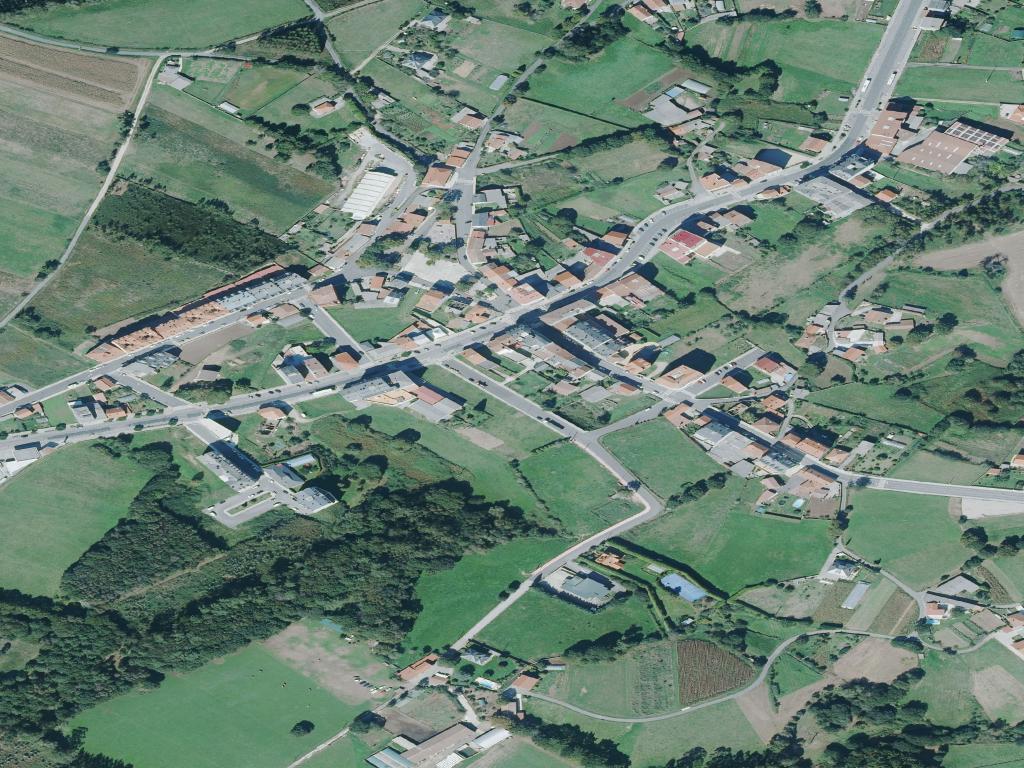
The municipal capital, Sigüeiro, sits in a transitional zone between the Tambre valley and modest rises like O Petón. These are not dramatic hills, but they organise the terrain. They create the gentle slopes that shape fields and dictate where houses were built.
For centuries, this was agricultural land supplying Santiago. The distance is short, and the Tambre valley has always been a natural corridor. Produce moved south; people and goods travelled the paths connecting rural parishes to the city. That relationship still frames Oroso: physically close to Santiago, but operating with a distinctly rural rhythm.
The Time of the Mills
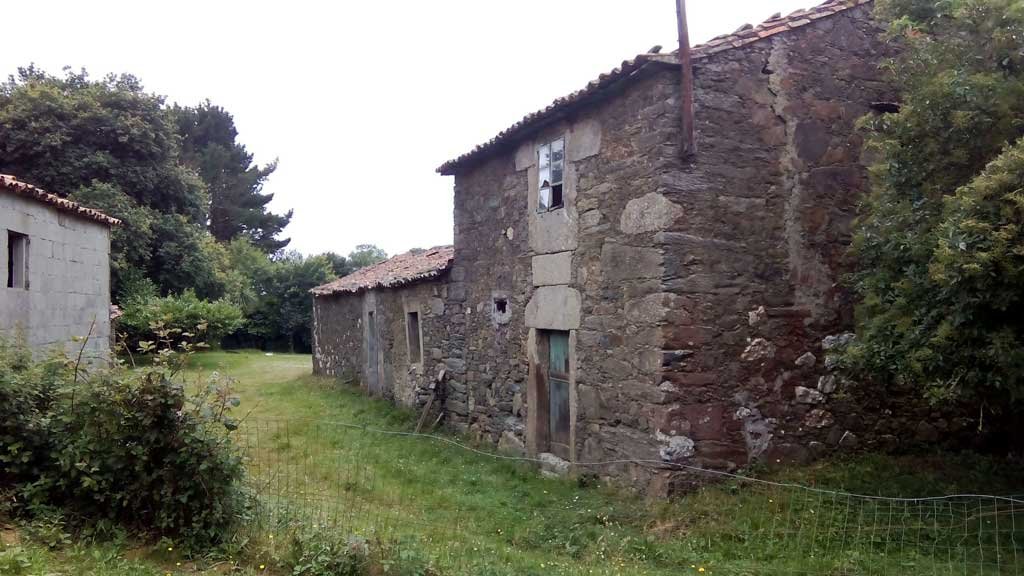
In the parish of Cardama, a group of watermills stands along a small stream. Several stone buildings line the banks, their wheels still. They are reminders of a time when grinding grain was a weekly task for the surrounding hamlets.
A walking route links them, roughly five kilometres following the water through damp woodland and past small plots. This isn't a walk for sweeping vistas. It's one for noticing how the territory functioned. Each mill served a specific cluster of houses; the turn to use it was part of a domestic schedule.
The Muíño do Rañadoiro is often cited as the most complete. You can still make out the essential parts: the hopper where grain was fed, the slot for the axle. Most of these mills were altered over generations. Their origins may reach back to the eighteenth century, though what you see now are later rebuilds and adaptations.
Together, they show a system where water, stone, and community were linked. The stream powered the machinery and also dictated the placement of paths and the small bridges you cross. The buildings make it clear: rural life here was organised around access to water and shared resources.
Crossing the Tambre at Sigüeiro
The bridge over the Tambre at Sigüeiro has been a strategic point for centuries. The current structure shows work from different periods. Some sections are attributed to the medieval era, and local tradition credits its construction to Fernán Pérez de Andrade, a powerful Galician lord of the fourteenth century.
It may stand on earlier foundations, possibly Roman. This is not unusual at major river crossings; routes became fixed, and new builders reused what was there. Whatever its precise start, this site long served as a transit point between the interior and the coast, and later as one of the approaches into Santiago.
Now, the area around the bridge is a common place for a riverside walk, especially for people from Sigüeiro. The Tambre here is broad enough to feel like a boundary, calm enough to slow your pace. The bridge remains functional, but it also quietly explains how movement shaped this place.
A Church Moved Stone by Stone
In the parish of Deixebre, there is a story less visible than a bridge or a mill. In the 1960s, work on the main road threatened the original parish church. The response was to move it.
The church was not grand. An eighteenth-century building with a simple nave and gabled roof. It was dismantled and rebuilt stone by stone a short distance uphill, in a place known as Os Carballos. The effort required coordination and collective labour. The architecture is modest; more telling is the fact they moved it.
Once reassembled, the church was oriented toward the same valley as before. The gesture speaks of continuity. The building changed position, but its relationship with the landscape did not.
Parish Festivals and Local Flavours
The parishes of Oroso maintain an active festive calendar, as is common in rural Galicia. Celebrations for saints like San Román or San Mamede draw residents from surrounding villages, along with those who return for the day from Santiago or further afield.
At these events, food carries a weight equal to the religious observance. Dishes tied directly to the territory come out. Caldo gallego, made with local greens and potatoes, is a constant. So are empanadas, savoury pies filled with meat or fish.
When the timing aligns with the river season, you might find lamprey from the Tambre being prepared. This ancient fish is still caught in the lower stretches of the river. Its appearance on a festival table reflects a connection to the Tambre that goes beyond geography and into tradition.
These gatherings reinforce the parish as a social unit. They show how Oroso’s identity is shaped less by monuments and more by recurring practices: shared meals, patron saints, and the temporary return of those who have left.
Practicalities and Pace
Oroso is very close to Santiago de Compostela. By car, it’s a matter of minutes when heading north on the road towards A Coruña. Sigüeiro sits directly on that axis.
Having a car is practical for moving between the parishes. Individual walks—like the mill route in Cardama or paths along the Tambre—are easily done on foot. Wear sturdy shoes; the ground holds water after rain, and rain arrives without much warning here.
This isn't a destination for ticking off grand sights. Understanding Oroso comes from moving through its parishes, following watercourses, and noticing the network of paths, mills, and small churches. They explain how rural life was organised around Santiago: close enough to supply it, distant enough to keep its own pace.