Full Article
about Tordoia
Ocultar artículo Leer artículo completo
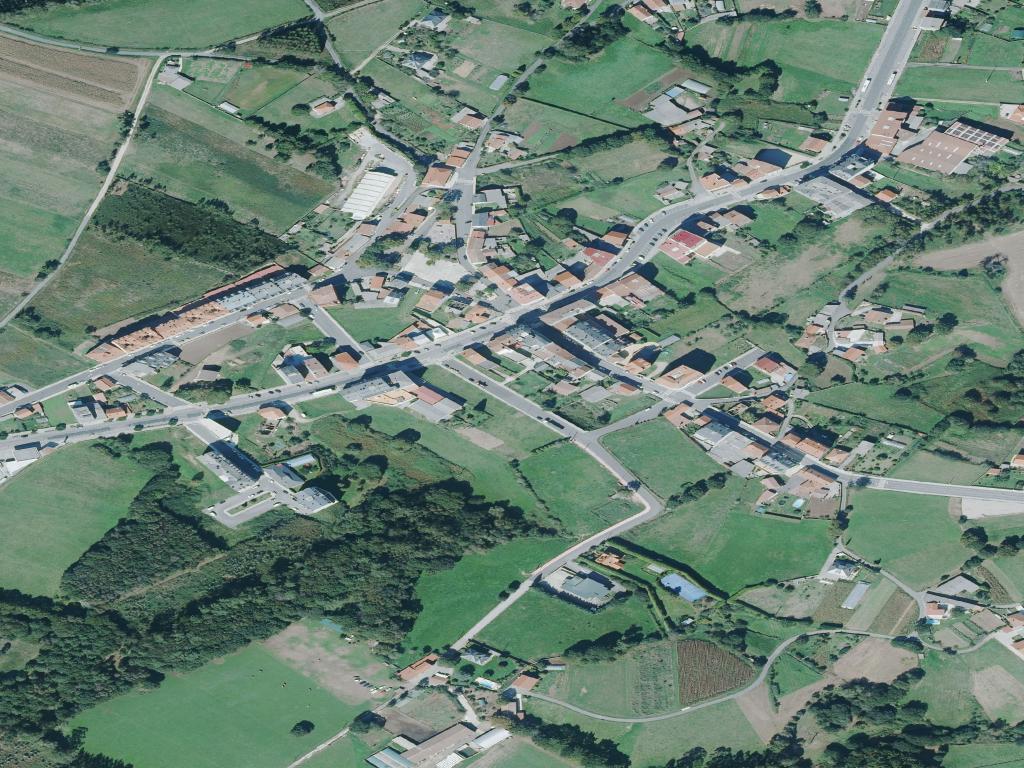
The church bell in Santiago de Tordoia strikes eleven, yet nobody hurries. Two women pause beside the stone cross outside, discussing the price of potatoes in soft Galician that sounds half-Portuguese. A farmer threads his tractor between village houses barely wider than the machine itself, nodding at the women as if they were kitchen furniture. This is the closest thing Tordoia has to a rush hour.
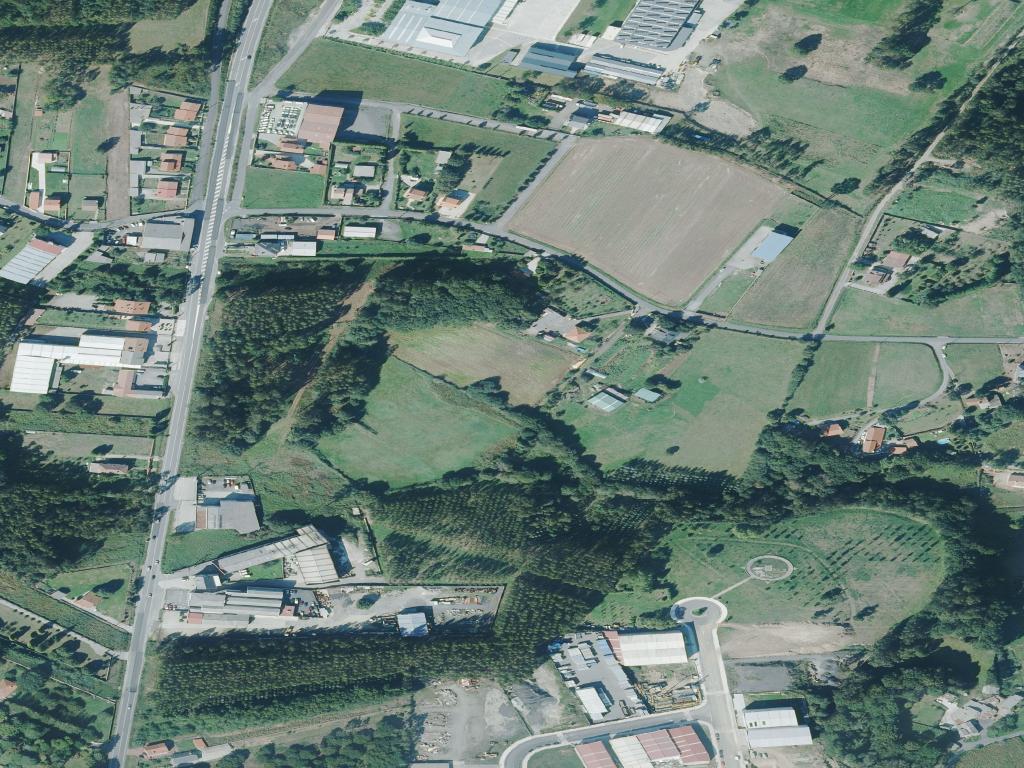
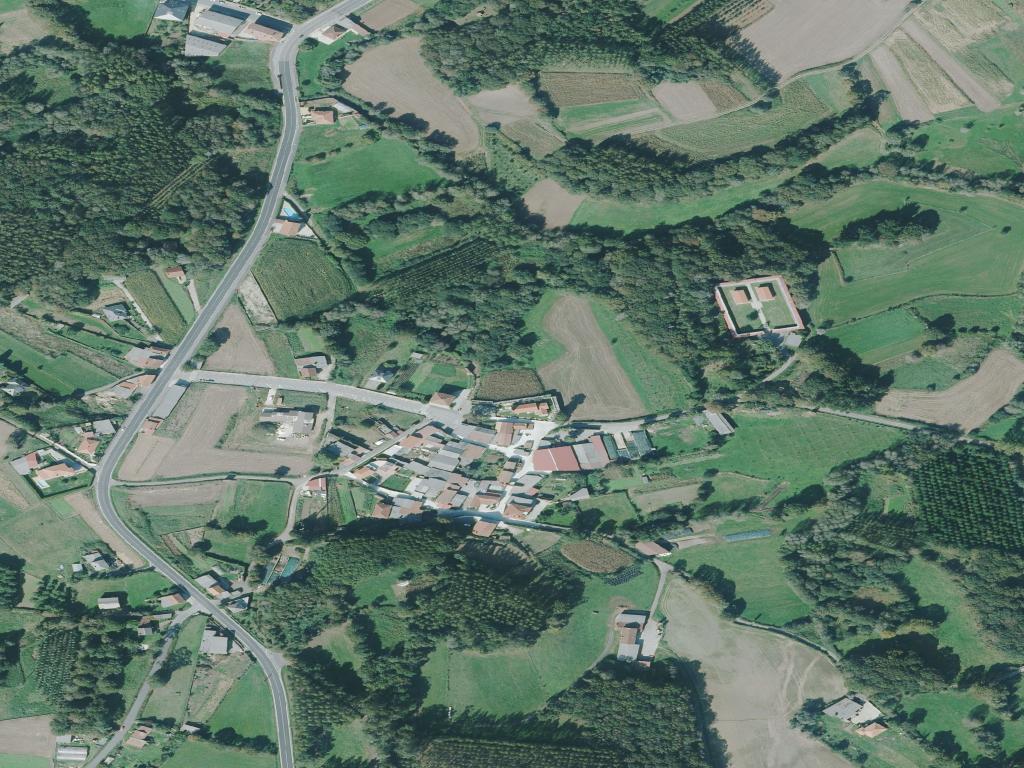
Spread across 64 square kilometres of inland A Coruña province, the municipality contains fewer than 4,000 souls, most of them parcelled into hamlets with names like Trasmonte, Rial and O Outeiro. Guidebooks tend to forget places that cannot be circled on foot in twenty minutes, which explains why Tordoia rarely appears on British itineraries. That omission is neither tragedy nor blessing—merely a reminder that Galicia’s interior operates on different rhythms from the cathedral-and-tapas circuit of Santiago one hour away.
A Landscape That Refuses to Congregate
Arrive expecting a chocolate-box plaza and you will spend the afternoon disappointed. Tordoia’s appeal lies in its refusal to bunch up. Stone granaries perch on grassy knolls, their rectangular legs raising corn cobs above mice and damp. Wayside crosses—some medieval, others 19th-century—tilt at crossroads where four lanes of silence meet. Every few kilometres a manor house peers over a wall of mossy granite, the family coat of arms still sharp despite drizzle that can last, locals joke, “from January right through to New Year’s”.
The quickest way to grasp the geography is to drive the narrow AC-411 loop that links the seven parishes. Leave Santiago airport heading north on the AP-9, fork off at junction 73, and within twenty minutes the motorway hum is replaced by wind in eucalyptus. Expect to average 35 km/h once you leave the main road; bends are tight, cattle grids appear without warning, and the verges are favourite picnic spots for free-range chickens. Sat-nav confidently sends hatchbacks down farm tracks that taper into grass. When the tarmac ends, park and continue on foot—Galicia’s right-to-roam rules apply, though farmers appreciate gates being left as found.
Water, Stone and the Occasional Donkey
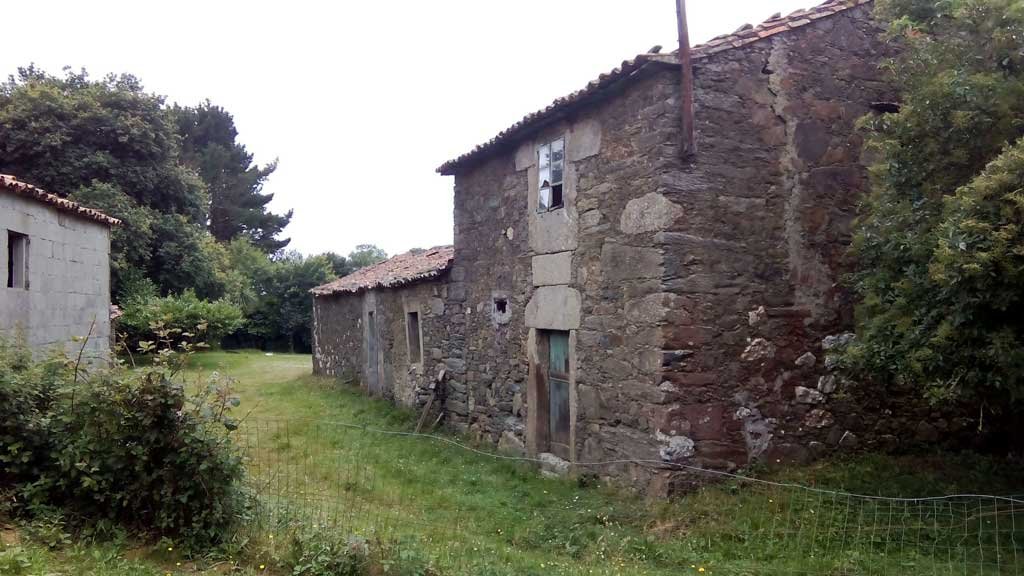
Real walking here means following water. Mapa Militar sheet 25-III shows dozens of regatos—streams narrow enough to jump—feeding the Tambre river. Beside them stand ruined mills whose millstones lie cracked like giant digestives. After heavy rain the water sings; in August it merely hums, and some wheels stand dry enough to picnic inside. The prettiest cluster hides below the hamlet of Foxo: park beside the stone fountain, take the concrete lane signed “muíños”, and within ten minutes you reach three conjoined buildings half-swallowed by brambles. Wellington boots earn their keep; flip-flops do not.
Should you prefer company, the annual romería on 25 July turns the parish track into an open-air kitchen. Women in aprons bigger than flags ladle caldo gallego into bowls that never seem to empty. The stew—potato greens, white beans, chorizo, a ham bone for luck—costs whatever you care to donate. Someone always produces bagpipes; someone else borrows a donkey for the children. By dusk half the village is dancing barefoot on packed earth while the other half washes dishes in the communal trough. Tourist infrastructure it is not; community infrastructure it certainly is.
Eating Without a Promenade
British visitors sometimes complain that Tordoia lacks “somewhere nice for lunch”. They are measuring with the wrong ruler. The only sit-down restaurant, O Pote on the main AC-411, opens when the owner feels like it—ring ahead (+34 981 69 XX XX) or risk a locked door. Inside, the menu is scrawled on printer paper: today perhaps raxo (fried pork strips) with pimientos de Padrón, tomorrow maybe octopus if the delivery van made it up the hill. A three-course xantar including house wine costs about €12; card machines are considered newfangled, so bring notes.
Alternatively, buy bread from the tiny bakery opposite the church (opens 08:30, sells out by 10:00) and assemble a picnic. Local queixo do país is sold from fridges in people’s garages—look for the hand-written “Venda de queixo” sign, knock, and expect to be shown three plastic-wrapped wheels while television news blares in the background. The smoked variety keeps for days without refrigeration, ideal if you are hiking between mills and need ballast.
What the Leaflets Leave Out
Rain is not a weather event here; it is background radiation. Even in July you can wake to mountain fog thick enough to halve the speed limit. Carry a waterproof on every walk, not in the boot. Midges loiter beside streams from May to October; Avon’s “Skin So Soft” has been adopted by Spanish farmers for the same reason the Royal Marines swear by it.
Second confession: mobile reception vanishes in every valley. Download offline maps before leaving Santiago, and agree a pick-up time if travelling with a driver who plans to wander. Finally, remember that many manor houses remain family homes. A polite “Podo mirar?” (“May I look?”) from the gate usually wins a wave; marching up the drive with a telephoto lens does not.
Logistics for the Car-Dependent
Public transport exists but demands patience. Monbus runs twice daily from Santiago bus station to Ordes (35 min), after which a local taxi covers the final 10 km to Tordoia for about €12. Buses thin out on Sundays and disappear on public holidays—check timetables at monbus.es or risk an unplanned sleepover. Hire cars start at roughly £25 a day from Santiago airport; specify a compact because reversing half a kilometre to the nearest passing place loses its charm quickly.
Accommodation within the municipality amounts to one rural house, Casa do Pazo, sleeping six and booked solid during summer weekends. Most visitors base themselves in Santiago or A Coruña and day-trip. The Hotel Attica21 on the city outskirts offers free parking and quick motorway access; doubles hover around £70 if booked early through British sites.
Leaving Without a Fridge Magnet
Souvenir options are limited to whatever wildflowers you pressed in your guidebook and the cheese wrapper you forgot to throw away. Tordoia will not fit neatly into a photo album, but it might creep into future daydreams: the smell of eucalyptus after rain, a tractor engine echoing off granite, the moment you realised the only other soul in the hamlet was a donkey tethered to a letterbox. No one will ask whether you “did” the place in two hours; the village prefers to be listened to, not ticked off. Start the engine, wind down the window, and let the smell of silage and orange blossom follow you back to the motorway. Galicia’s interior has finished speaking—for now.