Full Article
about Trazo
Hide article Read full article
The Other Side of the River
You know how some places exist just outside the frame of a famous postcard? Trazo is like that. It’s the municipality you cross the Tambre river to reach, a few minutes up the road from Santiago de Compostela. While everyone is looking at the cathedral, you drive over the bridge and the city's buzz fades in your rearview mirror. What you find isn't a secret paradise, but it’s real. It’s el monte.
The landscape changes fast. The ground rolls into gentle hills, and the roads get narrower. You start seeing carballeiras, those dense oak groves, and the river takes on that milky-coffee tint Galician rivers have. The highest point around here is maybe 700 metres, but it feels like a different country from Santiago.
Churches That Got Remodeled
Don't come expecting textbook architecture. The churches here are community projects that span centuries, and it shows.
San Cristovo de Xavestre is a bit of everything. You can spot some Romanesque bits if you know where to look, but then there's Gothic work and later additions muscling in. It wasn't built in one go; it grew, like a family house that gets extra rooms added on over the years.
Then there's San Mamede de Berreo. Its bell tower stands apart from the main nave by a few metres. It looks like someone picked it up and shuffled it to the side during a game of musical chairs. It’s odd, in a good way.
And Santa Eufemia de Viloucha? Locals call it "the cathedral of the mountain." It sounds like hyperbole until you see its size compared to the tiny villages around it. It dominates the space.
Getting Lost Between Parishes
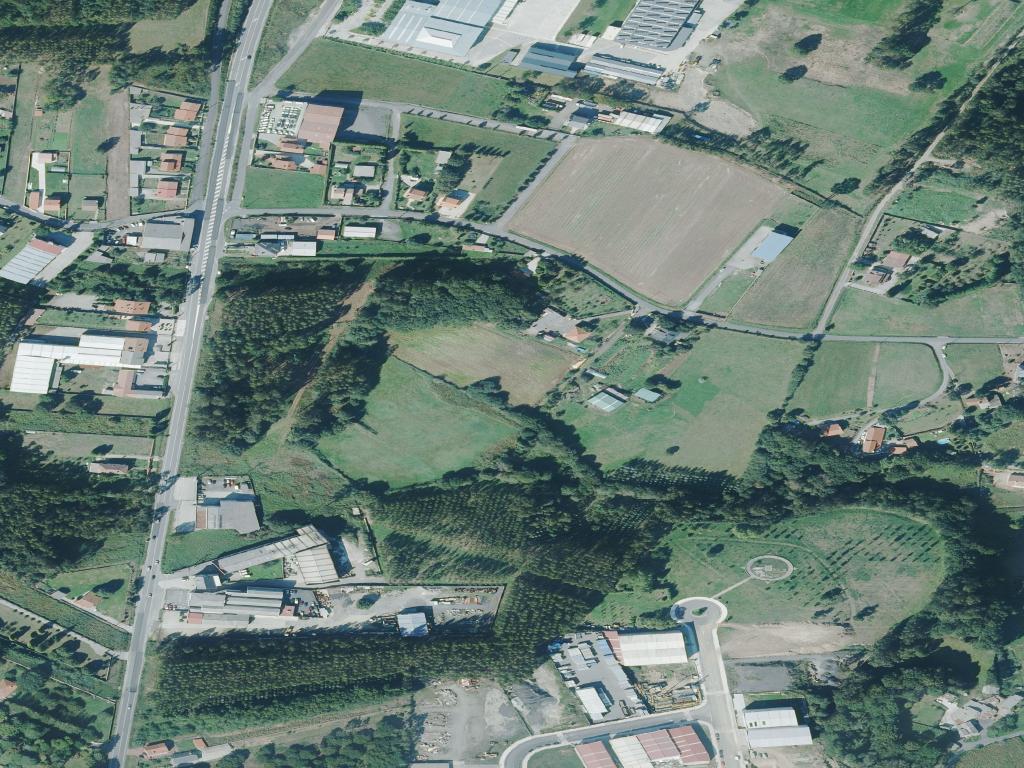
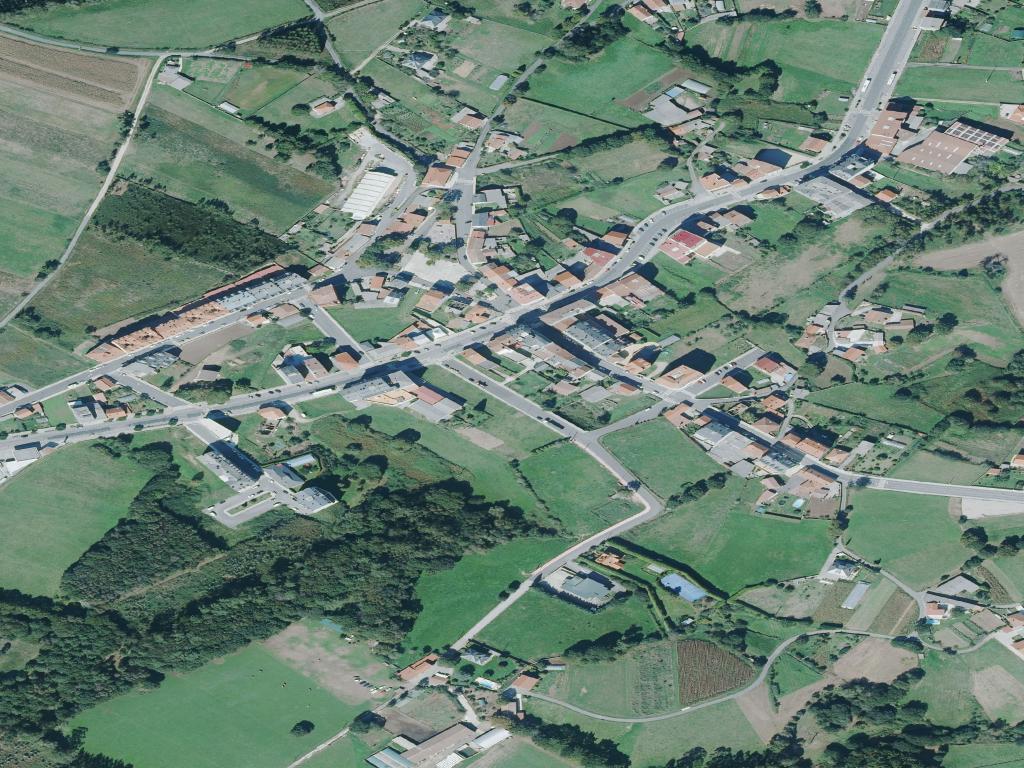
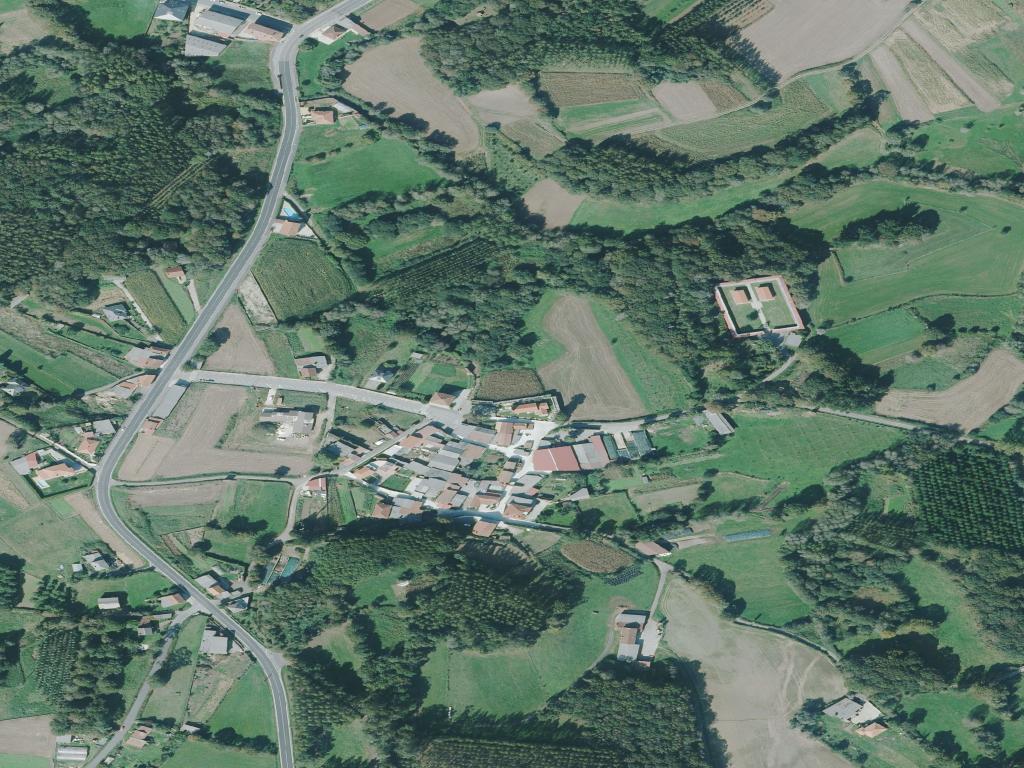
Trazo is eleven parishes scattered across a wide area. This isn't a single town you visit; it's a collection of small villages connected by roads where your GPS gives up.
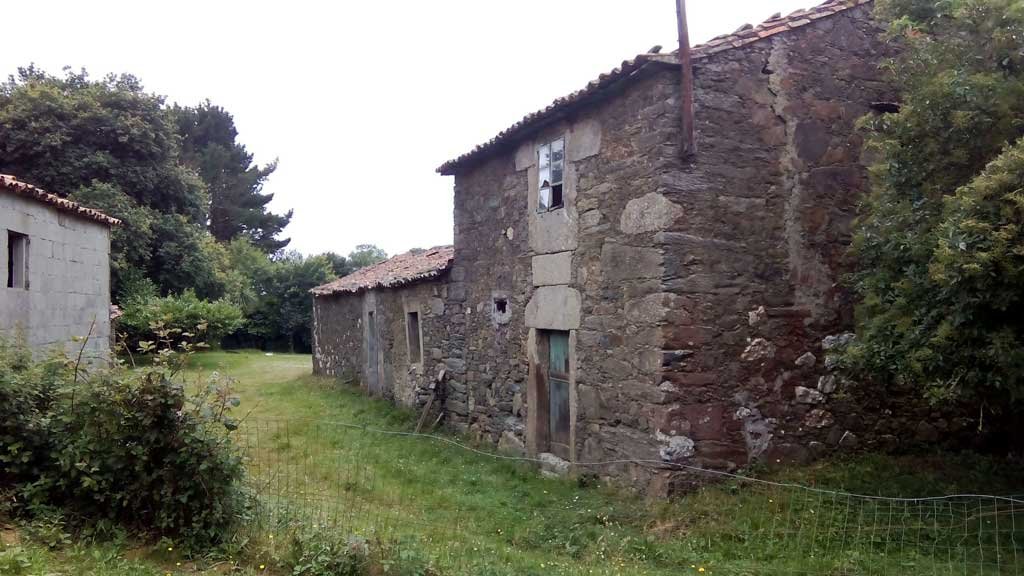
You drive past clusters of granite houses huddled together, then minutes of eucalyptus forests and meadows, then another hamlet appears. You might spot a sign for a pazo tucked away in the trees—these old manor houses are part of the furniture here. The tower of Pazo de Vilacoba, for example, is a useful landmark when you're starting to wonder where you are.
The point isn't to tick off villages from a list. It's to let one lane lead you to another.
Rocks That Talk and Caves With Stories
Local lore sticks to the landscape here. There's a granite boulder called the Pedra Faladora—the Talking Stone—that people say echoes back clearly if you speak to it. Of course you try it. Everyone does.
Not far off is the Cova dos Mouros. Like many places in Galicia with that name, it sits where history meets legend. Some will point out markings on the rock; others will tell you tales of the mouros, those mythical beings from local folklore said to have hidden treasures. The second version is usually more fun to listen to.
A Dam Being Swallowed by Green
Down near the Tambre, nature is reclaiming old works. There's an old dam structure some call presa de Lestrove that’s now more moss and fern than stone.
It’s not an attraction with signs or parking. You find it by following paths that aren't always obvious until you're on them, pushing past branches until the mossy walls appear through the leaves. It feels forgotten, which is precisely what makes it interesting.
The Pace Is Built In
Trying to rush through Trazo misses the point entirely. This place works on slow time.
The best approach is to cross over from Santiago with no plan beyond "see where this road goes." You stop when something catches your eye: a path down to the riverbank, an old hórreo granary standing sentinel by a farmhouse, or just a quiet spot where you can hear nothing but wind in the trees.
Come in autumn if you can. The chestnut trees turn colour, there’s woodsmoke in the evening air, and those small roads get even quieter. The appeal here is in what you find when you aren't looking for anything specific