Full Article
about Cariño
Hide article Read full article
Cariño, sin filtros
Cariño es como ese amigo que siempre habla del mar. No de vacaciones, sino del trabajo. Lo primero que ves al llegar es el puerto, y lo primero que hueles es salitre mezclado con gasoil. Las fotos suelen mostrar un pueblo blanco recortado contra el azul, pero la realidad tiene más capas. Aquí el Atlántico no es un decorado; es el jefe.
El pueblo se agarra a la costa norte de Galicia, en la comarca de Ortegal. La pesca y la conservera marcaron el ritmo durante décadas, y ese pulso no ha desaparecido. Todavía se ve en los barcos, en las redes reparándose en el muelle, en la conversación del bar. Es un sitio donde el mar se respeta, no solo se mira.
Si levantas la vista del puerto, verás otra cosa: las canteras de A Capelada. De ahí se extrae dunita, una piedra verdosa para hornos industriales. No es lo que vienes a ver, pero explica los camiones subiendo por la carretera serpenteante. Incluso en un lugar remoto como este, siempre hay algo en movimiento.
El pueblo que se independizó
Durante siglos, Cariño fue la hermana pequeña de Ortigueira. Administrativamente, le pertenecía. La lucha por ser su propio ayuntamiento empezó hace más de cien años y no cuajó hasta finales de los 80. Para la gente mayor aquí, eso no fue un trámite. Fue como dejar de pedir permiso para todo.
Hoy el municipio incluye varias parroquias y aldeas desperdigadas por la costa y el monte, pero el corazón sigue siendo el puerto. La vida ha cambiado, sí, pero el carácter marinero está intacto. El horario lo marcan más las mareas que el reloj.
Cabo Ortegal: donde acaba todo
A diez minutos en coche del pueblo, el paisaje da un volantazo. Llegas a Cabo Ortegal y frenas sin pensarlo. No es el punto más al norte de España (ese es Estaca de Bares), pero la sensación de estar al borde del mapa es total.
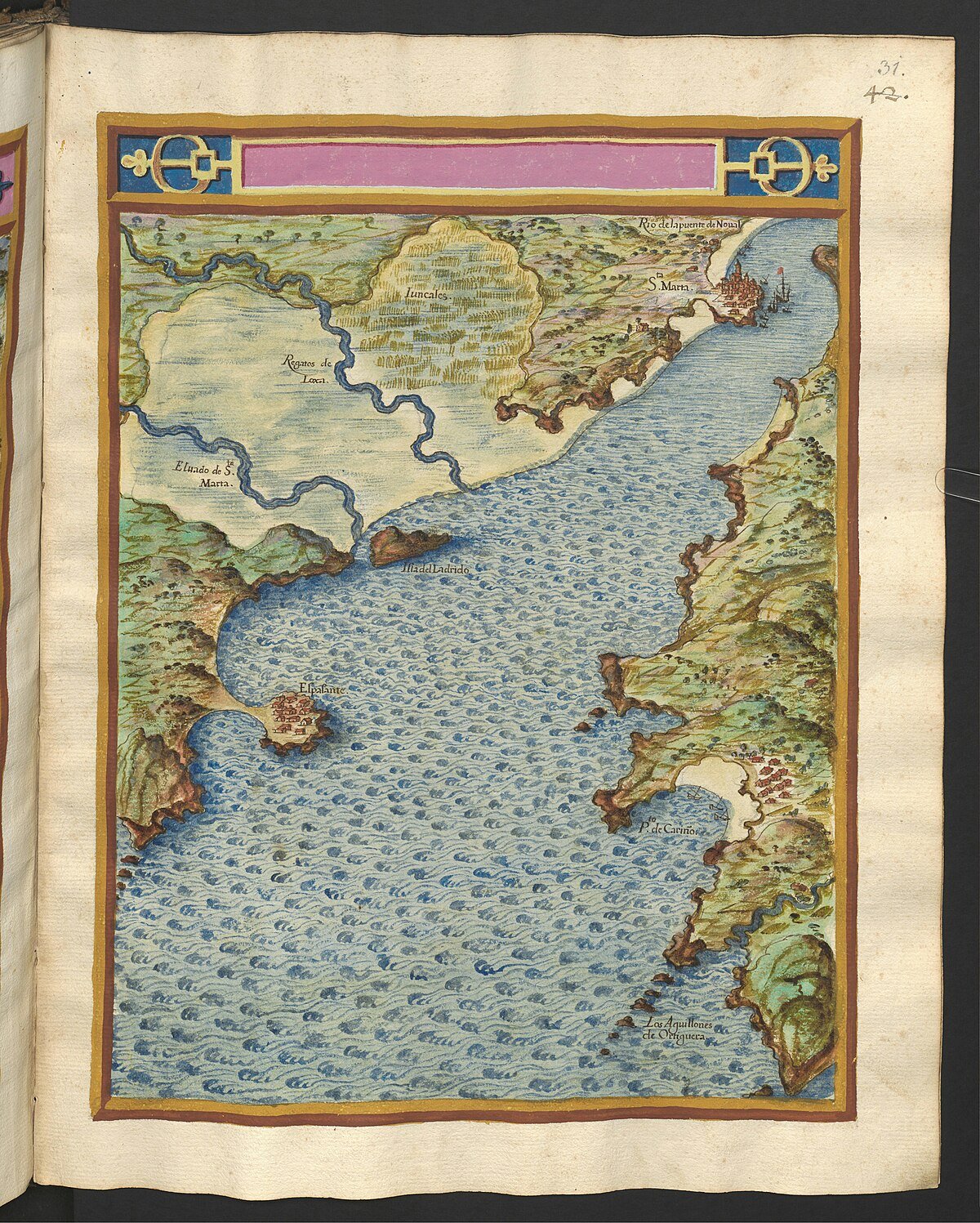
Lo reconocerás por los Aguillóns: tres peñascos oscuros que salen del agua como cuchillos. Parecen puestos a posta. Cuando el Atlántico se enfada, las olas revientan contra ellos con un ruido sordo que sube hasta el mirador.
Muy cerca están los acantilados de Herbeira. Dicen que miden más de 600 metros. El dato no impresiona hasta que te asomas. Te cambia la escala de golpe; te hace sentir pequeño de una manera muy concreta.
Hay senderos por la zona, como el que sube a San Xiao de Trebo. No es una caminata dura, pero el viento suele recordarte dónde estás. Un día tranquilo en Cariño puede ser ventoso aquí arriba; lleva calzado que agarre y una capa de más.
Comer lo que hay
Aquí comes lo que pescan. Hay un momento clásico: miras el precio de los percebes en la pizarra del local, parpadeas y al final pides racioncita “para probar”. Los percebes de A Capelada tienen fama porque crecen donde rompe fuerte el mar; cogerlos es arriesgado y eso se nota en todo.
Otra constante es la caldeirada de pixín (rape). Un guiso con patatas y caldo rojo de pimentón. Parece sencillo hasta que pruebas una hecha con oficio; es comida para después del frío del mar, reconfortante sin florituras.
Para terminar está la tarta de nata cariñesa: hojaldre con mucha nata montada encima (y entre medio). Suele tener un aspecto algo desaliñado; parte del encanto está en que parece hecha en casa sin demasiadas contemplaciones estéticas.
Verano y romerías
El año aquí tiene dos velocidades: agosto y el resto. En verano vuelve casi todo el mundo –de A Coruña, Madrid o Bilbao– y parece que nunca se fueron.
En julio suele celebrarse la Virgen del Carmen con procesión marinera si el tiempo acompaña (y a veces incluso si no). A finales de agosto llegan las fiestas grandes con San Bartolomé; esos días las calles están llenas como pocas veces.
Y luego está esa tradición regional tozuda: ir a San Andrés de Teixido (ya en Cedeira). Hay un dicho local: “A San Andrés vai o morto qu’en vida non foi”. O sea: vas ahora o vas después… así que mucha gente va “por si acaso”. Es una excusa perfecta para hacer esa ruta escarpada entre acantilados.
Venir cuando toca venir
Cariño depende totalmente del humor del Atlántico. Un día puede estar bañado por una luz dorada increíble; al siguiente puede haber cerrado una niebla densa sobre toda la costa. No hay garantías. La clave está en moverse entre sus tres escenarios: pasear por A Capelada (con cuidado), asomarse al vértigo desde Cabo Ortegal y luego bajar al puerto a ver llegar las barcas. No necesitas mucho plan. Solo tiempo para ver cómo cambia todo según sople o no sople. Esto no es un pueblo postal perfectamente ordenado. Es un sitio real con cuestes empinadas, días grises y momentos –cuando se juntan luz, viento limpio y ese mar inmenso– que hacen entender por qué aguantan aquí. Y por qué tú, probablemente, querrás volver aunque solo vinieras a pasar unas horas