Full Article
about As Nogais
Ocultar artículo Leer artículo completo
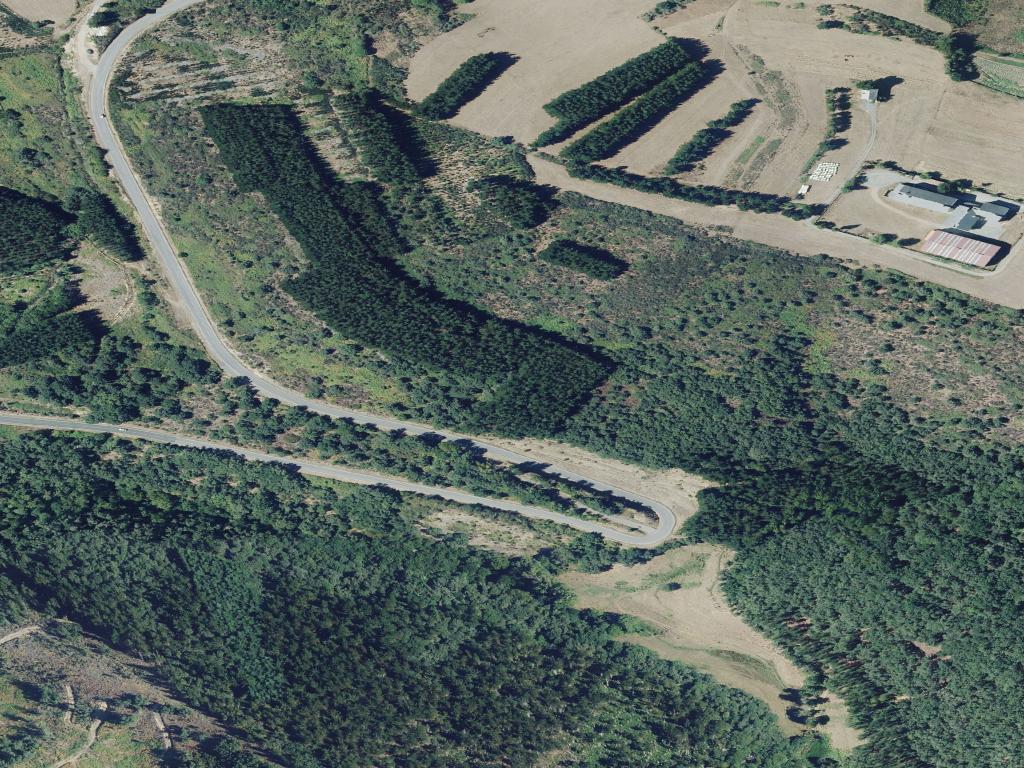
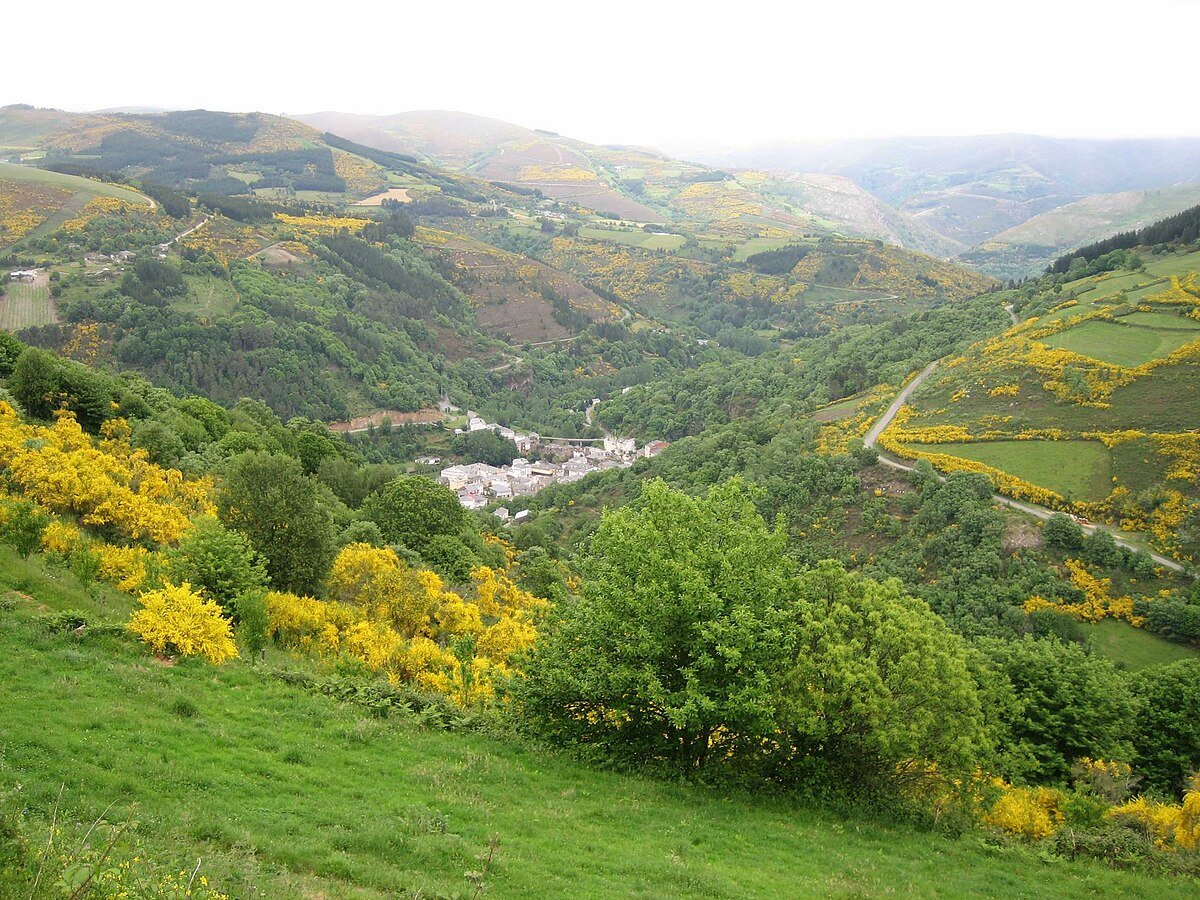
The road climbs so steeply after the A-6 that second gear becomes a habit, not a choice. At 700 metres the air thins and the eucalyptus gives way to chestnut and oak; mobile signal gives up entirely somewhere around the 500 m contour. This is As Nogais, a scatter of hamlets strung along slate ridges on the leeward edge of Os Ancares. Officially one municipality, it behaves like a handful of separate villages that happen to share a postcode and a determination to stay out of guidebooks.
Why the map looks like a broken necklace
Forget the Spanish idea of a plaza mayor and a single church tower. Here the houses cling to whatever shelf the mountain permits; the council seat is the hamlet of Pío, population 120, and the nearest thing to a centre is the petrol station on the OU-114 where the cash machine lives. Distances sound trivial—three kilometres from Pío to Busmayor—but the lane twists like a dropped ball of wool and the stone walls leave no verge for error. Drive slowly; the cows have right of way and the locals already know you’re lost.
Most visitors pick one hamlet, park where the tarmac runs out, and walk. Slate crunches underfoot, roofs the same colour as the road, and every third gateway reveals a hórreo—the raised granary that keeps grain dry and rodents dizzy. Some are centuries old, others rebuilt last year with EU money, but the proportions never change: just wide enough for two sacks side by side, balanced on staddle stones whose capitals look like oversized chess pieces.
What you’re really looking at (and why it isn’t a theme park)
Guide writers love the word “palloza”—the pre-Roman roundhouse with a thatched roof of rye straw—and photographs suggest an open-air museum. Reality is tamer. Half a dozen survive in private hands, their walls barely shoulder-high, roofs patched with corrugated iron on the side the camera can’t see. One stands beside the track to Vilarello; if the owner is milking she’ll wave you past, but there’s no ticket desk and certainly no gift shop. The value lies in noticing how the walls taper, how the straw smells, how the building hugs the ground against a wind that can strip leaves in April. Five minutes of looking beats fifty photographs of the reconstructed version at the other end of the province.
The same honesty applies to the landscape. This is a biosphere reserve on paper, yet the mosaic is worked: meadows are scythed for hay, chestnut coppice is cut on rotation, and the oak provides firewood that smells of smoked paprika when it burns. Walk the old path from Pío to A Lastra and you pass a threshing floor still in use, a charcoal burner’s mound cooling under moss, and a field where someone has spread the first cut of summer to dry on a plastic sheet. Nothing is staged; everything is still doing its job.
Weather that changes its mind faster than the Met Office
Altitude matters. In July Santiago swelters at 28 °C; up here it can be 18 °C at midday and single figures after dusk. Pack a fleece even in August. Spring brings sudden fog that pools in the valleys until lunchtime; winter can deliver snow from November onwards, and the OU-114 is treated only when the school bus needs to run. If the forecast mentions “chance of ground frost”, believe it. British cars used to salted motorways will slide on the compacted leaves that fill every hairpin—think Cumbrian back lane, but with added slate.
Rain is not the enemy. A wet day intensifies the smell of chestnut blossom and turns the moss neon-bright. Just adjust your route: stick to the forest track above A Pousada where tree roots provide grip, and avoid the short-cut across the meadow that becomes a peat bog within minutes. Wellington boots are acceptable attire in the bar afterwards; mud on the carpets is expected rather than apologised for.
Where to eat when Monday shuts half the province
There are two bars and one bakery for the entire municipality; both bars close early on Monday and the bakery pulls its metal shutter at 13:00 whether the bread is sold or not. Plan accordingly. A Lareira, on the main road through Pío, serves pulpo a la gallega that arrives in portions big enough for two—order “un medio” unless you’re starving. The octopus is cooked outside in a copper cauldron and snipped with scissors at the table; ask for extra paprika if you like heat, though the traditional dash is more colour than fire. Inside, the fire is real, the chairs are mismatched and the television shows the local fútbol team whether anyone is watching or not.
For pudding, drive five minutes to the bakery in Busmayor (look for the hand-painted sign “Panadería Ricardo”). Chestnut cake is baked on Thursdays; by Friday lunchtime only crumbs remain. It tastes like a cross between parkin and walnut loaf, dense enough to survive in a rucksack and sweet enough to cancel the need for chocolate bars on the trail.
Walking without way-markers
There are no National-Trust-style colour-coded arrows. Instead you get directions such as “take the path by the red gate, turn left at the abandoned threshing stone, don’t worry when the bracken gets waist-high”. The best route starts at the chapel of San Xoán de Busmayor: a tiny 12th-century rectangle with a bell-cot that leans like a drunk. From here a green lane drops to the River Noga, crosses it on a slab bridge wide enough for one nervous cow, then climbs through sweet chestnut to the hamlet of Tourís. The ascent is 200 m; allow 45 minutes if you stop to watch the buzzards. From Tourís a forestry track loops back to the road, giving a two-hour circuit that finishes conveniently opposite the bar.
Evening light fades fast between these walls; by 18:00 in October the valley bottom is in shadow while the ridge still glows. Turn back when the sun touches the opposite crest—head-torches amuse locals but annoy the dogs.
The honest verdict
As Nogais will not suit everyone. If your idea of a day out includes gift shops, interpretive centres or flat white coffee, stay on the coast. Mobile reception is patchy, the nearest hospital is 45 minutes away, and the weather can cancel your plans with the efficiency of a budget airline. What you get instead is continuity: buildings that have never been abandoned, land still worked by families who can name the field their great-grandfather cleared, and silence so complete you can hear a walnut drop a hundred metres off. Turn up with sturdy shoes, a waterproof and enough Spanish to order wine, and the place will repay you with details the brochures haven’t noticed. Just fill the tank before you leave the motorway—and remember to withdraw cash while the machine still has some.