Full Article
about Amoeiro
Ocultar artículo Leer artículo completo
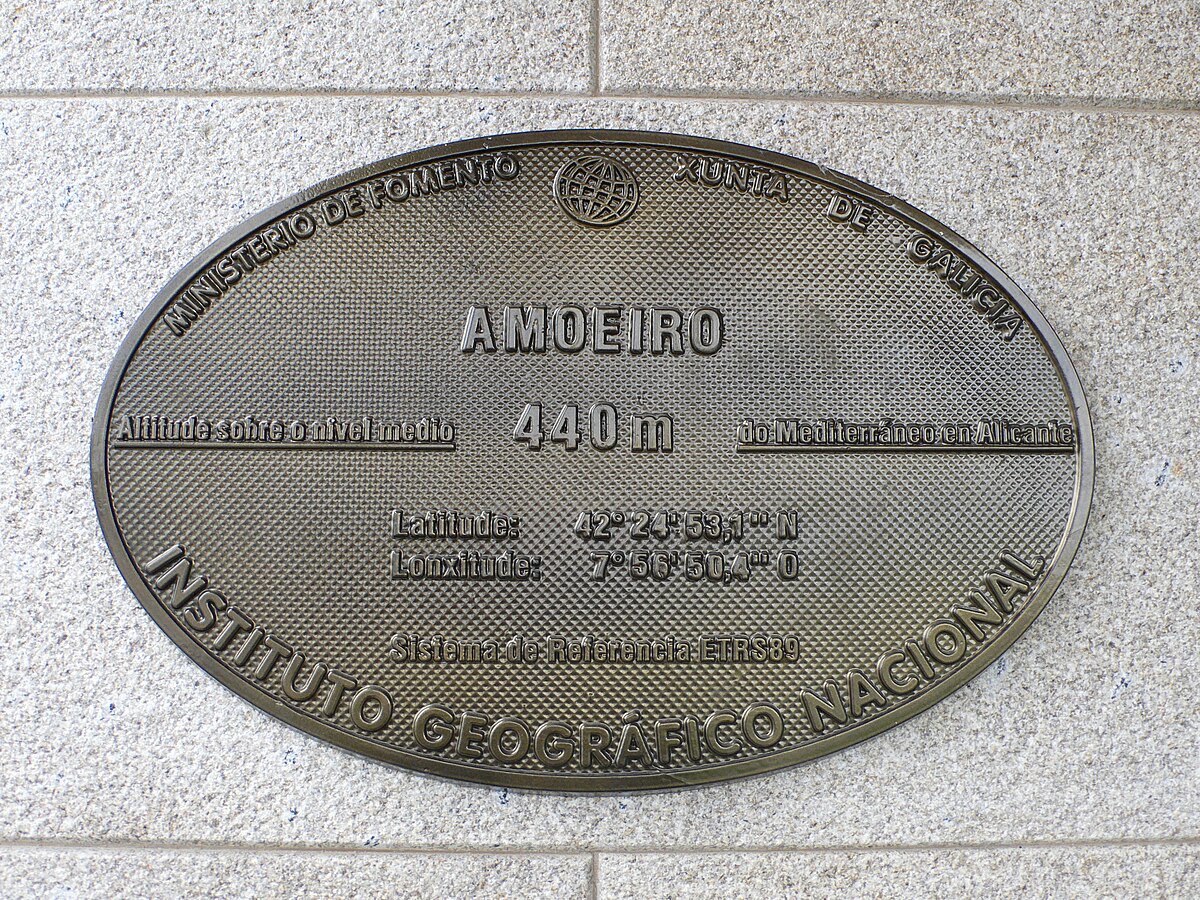
The morning mist clings to the valley below as you climb the OU-117 towards Amoeiro, the road switchbacking through chestnut woods at 650 metres above sea level. By the time you reach the municipal centre—a modest cluster of buildings around a stone church—the clouds have become a white carpet stretching towards the distant Montes do Invernadeiro, and the temperature has dropped a good five degrees from Ourense city thirty kilometres behind you.
This is Galicia's interior high country, where smallholdings cling to hillsides and every village seems to have its own microclimate. The difference isn't merely academic. While coastal Galicia battles Atlantic storms, Amoeiro sits in a rain shadow that can leave fields parched in August whilst Santiago gets drenched. Winter brings proper frost—sometimes snow—and summer evenings require that extra layer you definitely didn't pack for A Coruña.
The Scattered Museum of Everyday Life
Amoeiro isn't a village so much as a constellation of hamlets spread across 72 square kilometres. The municipality's 5,000 inhabitants live in over thirty parroquias, each essentially self-contained. This matters because most visitors make the mistake of driving to the administrative centre—also called Amoeiro—taking a photo of the rather plain Santa María church, and declaring the job done. They've missed everything.
The real museum here has no entrance fee or opening hours. It's the working landscape itself: stone crosses (cruceiros) marking crossroads where medieval paths intersect, their carved surfaces worn smooth by centuries of fingers seeking blessing. Washing places (lavadoiros) where women still scrub clothes in running water, the stone basins green with algae. Granaries (hórreos) perched on stilts, some dating to the 16th century, their dark timber contrasting with new galvanised steel roofs glinting incongruously above.
Drive the local roads—single track with passing places—and these elements appear randomly. A particularly fine pazo (manor house) emerges suddenly behind a wall in San Paio de Bendaña, its coat of arms visible through iron gates. The medieval bridge at Ponte Taboada crosses the Arnoia river in three perfect stone arches, twenty minutes' walk through riverside woodland from the nearest parking spot. There are no brown tourist signs, no gift shops. Just Spain continuing as it has for generations, occasionally visible through gateways and over walls.
Walking the Invisible Network
The footpaths connecting these settlements follow ancient rights of way—drovers' routes, paths to fields, links between churches. They're not waymarked in any systematic fashion, which is both wonderful and deeply frustrating. Local knowledge helps enormously; without it, you're reduced to driving until you spot a likely track, parking where the verge widens sufficiently (not always straightforward), and hoping for the best.
When it works, it's magical. A path from the hamlet of Ferreirós climbs through sweet chestnut and oak, emerging after twenty minutes at an abandoned watermill. The millstone remains in situ, the building's roof long gone, but the acequia (irrigation channel) still channels water with medieval efficiency. In autumn, the woods explode with fungi—ceps, saffron milk caps, and the prized boletus edulis that locals guard with territorial intensity.
The flip side comes after rain. Clay soils turn slick as ice, and what looked like a gentle slope becomes an impromptu slide. Proper walking boots aren't optional here—they're essential, along with waterproofs even on seemingly clear days. Mountain weather arrives fast at this altitude.
The Food That Doesn't Appear on Menus
There are no restaurants in Amoeiro itself. The nearest proper dining sits twenty minutes away in Ourense, which rather misses the point. Instead, eating here means embracing the Spanish art of the menu del día at village bars, or better yet, timing your visit with a local fiesta.
The annual Festa do Corpus in June sees the main street carpeted with flowers arranged in intricate religious patterns—a tradition more commonly associated with Ponteareas but replicated here with genuine local enthusiasm. The Festa da Castaña celebrates chestnuts each October, when the woods provide free protein for anyone willing to gather them. Roasted over open fires in the square, served with queixo do país (local cheese) and ribeiro wine from the valley below, it's autumn eating at its most elemental.
Those in the know arrange visits through local associations like the Asociación de Veciños. They'll organise xuntanzas—communal meals in village halls where caldo gallego (hearty broth with greens and pork) arrives in quantities that would shame a British soup kitchen. The price rarely exceeds €12 including wine, but you'll need decent Spanish and advance arrangement. No credit cards, obviously. Sometimes no electricity, if the weather's been particularly lively.
Practicalities for the Determined
Public transport reaches Amoeiro twice daily from Ourense on weekdays—once at 7:30 am, returning at 2:00 pm. That's it. No Sunday service. A car isn't just recommended; it's effectively mandatory unless you're planning a very specific walking holiday based entirely on local accommodation.
Speaking of which, options are limited to say the least. There's precisely one casa rural in the entire municipality—Casa do Rector, three bedrooms in a converted priest's house in San Xoán de Río. €70 per night for two people, including breakfast featuring their own honey and eggs from genuinely free-range chickens. Booking requires persistence; their website last functioned in 2019, and the telephone number listed online connects to someone's confused uncle in Vigo. Your best bet involves driving past and hoping someone's home.
More realistic bases include Ourense itself, where decent accommodation starts around €50 nightly, or the thermal spa town of Outariz twenty-five minutes away. From either, Amoeiro works as a day trip—though "day" needs qualification. Distances that look trivial on Google Maps become epic on winding mountain roads where a tractor can constitute a traffic jam.
When to Bother, When to Skip
Spring brings wildflowers—avalanches of pink cyclamen and white anemones in March, followed by orchids in May. The landscape greens dramatically, but paths remain passable. Autumn delivers chestnut woods turning copper, crisp air, and that sense of harvest completion that makes rural Spain so satisfying. These shoulder seasons offer the best balance of accessibility and reward.
Summer means heat—temperatures can hit 35°C in the valleys, though Amoeiro's altitude provides some relief. The bigger issue is water; many springs run dry, making longer walks problematic. Winter brings genuine mountain weather. Snow isn't guaranteed but happens several times yearly, and when it does, the municipality effectively closes. Chains become essential, and that charming single-track road suddenly feels less romantic.
Rain transforms everything. What qualifies as "light drizzle" in British terms becomes a proper mountain downpour here, turning paths to streams and making those clay soils genuinely treacherous. If the forecast mentions temporal—Galician for persistent heavy rain—abandon walking plans entirely. The landscape will still exist tomorrow.
Amoeiro rewards those who abandon checklist tourism. Come seeking specific sights and you'll leave disappointed. Arrive prepared to drive random roads, investigate intriguing tracks, and accept that some of the best discoveries happen when you're thoroughly lost, and you'll understand why Galicia's interior keeps its secrets so effectively. Just pack that extra jumper. The clouds look closer because they actually are.