Full Article
about Esgos
Hide article Read full article
Esgos, o como aparcar el coche y ver qué pasa
Esgos es de esos sitios a los que llegas casi por descarte. Vas por la OU-536, la carretera que serpentea hacia el interior desde Ourense, y de repente ves el cartel. Giras. No hay una bienvenida espectacular, ni un mirador con panel informativo. Aparcas donde puedes, a veces en una explanada de tierra junto a unas casas, y te bajas. Lo primero que notas es el silencio. Un silencio denso, roto solo por el viento o algún gallo a lo lejos. Esto no es un pueblo postal; es un municipio gallego de los de verdad, hecho de muchas aldeas desperdigadas entre muros de piedra.
Si buscas un centro histórico con monumentos señalizados, te vas a quedar con ganas. Aquí el plan es otro: caminar sin prisa y dejar que el paisaje te hable. Es la Galicia interior en estado puro.
Caminar sin mapa (ni necesidad)
Lo mejor que puedes hacer en Esgos es empezar a andar. No hace falta un GPS ni un plano perfecto. Los caminos rurales y las pistas de tierra te llevan de una aldea a otra: A Rúa, Vilarrube, Casás... Son nombres que aparecen en pequeñas placas junto a las casas.
Vas paseando y te encuentras con un hórreo junto a una cuadra, con su tejado de losa musgosa. Más adelante, una fuente de granito donde mana agua fría todo el año. Un poco más allá, un cruceiro antiguo, la cruz gastada por la lluvia. La arquitectura es la de siempre: casas sólidas de piedra, corredores de madera que crujen, y esos muros bajos que separan prados de huertos.
No son senderos turísticos. Son los caminos de siempre, los que usan los vecinos para ir al campo o visitar al familiar. A veces acaban en una cancela cerrada y hay que dar la vuelta. Forma parte del juego.
La iglesia que (casi siempre) está cerrada
En el núcleo principal está la iglesia de San Martiño. Es un edificio sobrio, de torre cuadrada y sin muchos adornos. Lo más probable es que la encuentres cerrada. Así funcionan muchas parroquias rurales: abren para misa los domingos y para poco más.
Si tienes suerte y coincide con algún acto religioso, verás cómo cambia el lugar. Llegan coches viejos, los vecinos se saludan desde la ventanilla y se forman corrillos en la puerta después del oficio. De repente sientes que estás en un sitio vivo, no en una pieza de museo. Si no coincide, no pasa nada. Merece la pena rodearla para ver sus muros de sillería y imaginar los siglos que lleva ahí.
El territorio hecho a mano
Lo que define realmente Esgos son sus muros. Kilómetros y kilómetros de muros de piedra seca, hechos a mano generación tras generación. Delimitan cada prado, cada pequeña finca, cada huerto familiar.
Después de unos días de lluvia –algo bastante habitual aquí–, la piedra granítica se oscurece y el musgo brilla con un verde intenso. El contraste con la hierba de los prados es brutal cuando sale el sol bajo.
Caminando entre estos muros entiendes el esfuerzo bestial que hay detrás de este paisaje. No es naturaleza salvaje; es un territorio domesticado pacientemente con las manos. Verás manzanos viejos dando fruta como si nada y zarzas invadiendo algún muro caído. La batalla contra lo silvestre es constante.
Un último vistazo al Sil
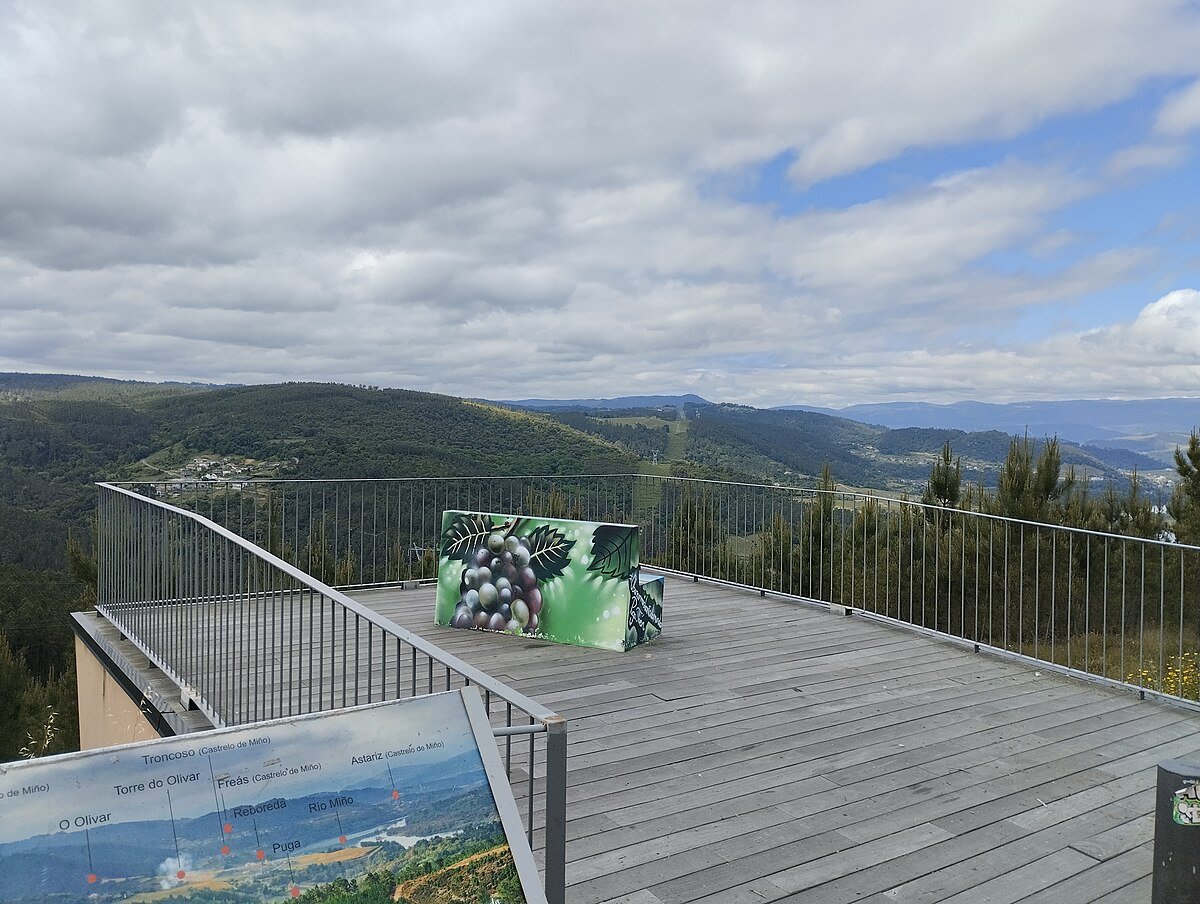
Si llevas coche y te sobra media hora antes de irte, merece la pena acercarse hasta alguno de los miradores sobre el río Sil. No está lejos.
La perspectiva cambia radicalmente: pasas del microcosmos de las aldeas y los huertos al gran cañón del Sil, con sus laderas boscosas y el agua abajo buscando salida hacia los viñedos de Ribeira Sacra.
Es un buen colofón porque le da escala a todo lo visto antes. Te das cuenta de que esas aldeitas tranquilas están encajadas en un territorio mucho más grande y escarpado.
Para terminar: zapatos cómodos y cero prisa
Venir a Esgos exige cierto planteamiento. Lleva calzado que aguante barro si ha llovido. El coche lo dejarás donde puedas; las calles son estrechas. No esperes encontrar tiendas o bares abiertos a todas horas. Aquí no hay "oferta turística" empaquetada.
Esgos funciona si aceptas su ritmo. Si lo que quieres es pasear sin rumbo fijo, ver cómo se construyó este rincón de Galicia piedra a piedra, y llevarte una sensación de calma más que una lista de cosas tachadas, entonces habrá valido la pena desviarse de la carretera principal. A veces eso es suficiente