Full Article
about Nogueira de Ramuín
Hide article Read full article
When the GPS starts to hesitate
You know you’re heading somewhere different when the main road gives way to a narrower one, and your satnav looks a bit confused. The hills get steeper, covered in those crazy, terraced vineyards that look like green staircases. That’s the usual welcome to Nogueira de Ramuín.
This corner of Galicia isn’t on the main circuit. You won’t find coach parks or souvenir rows. What you get instead is the deep cut of the Sil river, villages that seem to pop up out of the undergrowth, and a quiet so thick you can hear it when you stop the car. It’s not a checklist kind of place. It’s more about the space between stops.
San Estevo: More than just a pretty postcard
If there's one spot that pins this place on the map, it's the monastery of San Estevo de Ribas de Sil. You round a bend and there it is, this massive stone complex clinging to the hillside like it grew there. It feels less like a remote retreat and more like a powerhouse that once ran the whole valley.
They say its roots go way back, maybe even before the 10th century. These days it’s been turned into a hotel, which is fine, but the real draw is the setting itself. You walk through three different cloisters, all built from that dark local stone that melts into the woods. And then you step to the edge and see it: the Sil canyon right below, slicing through everything.
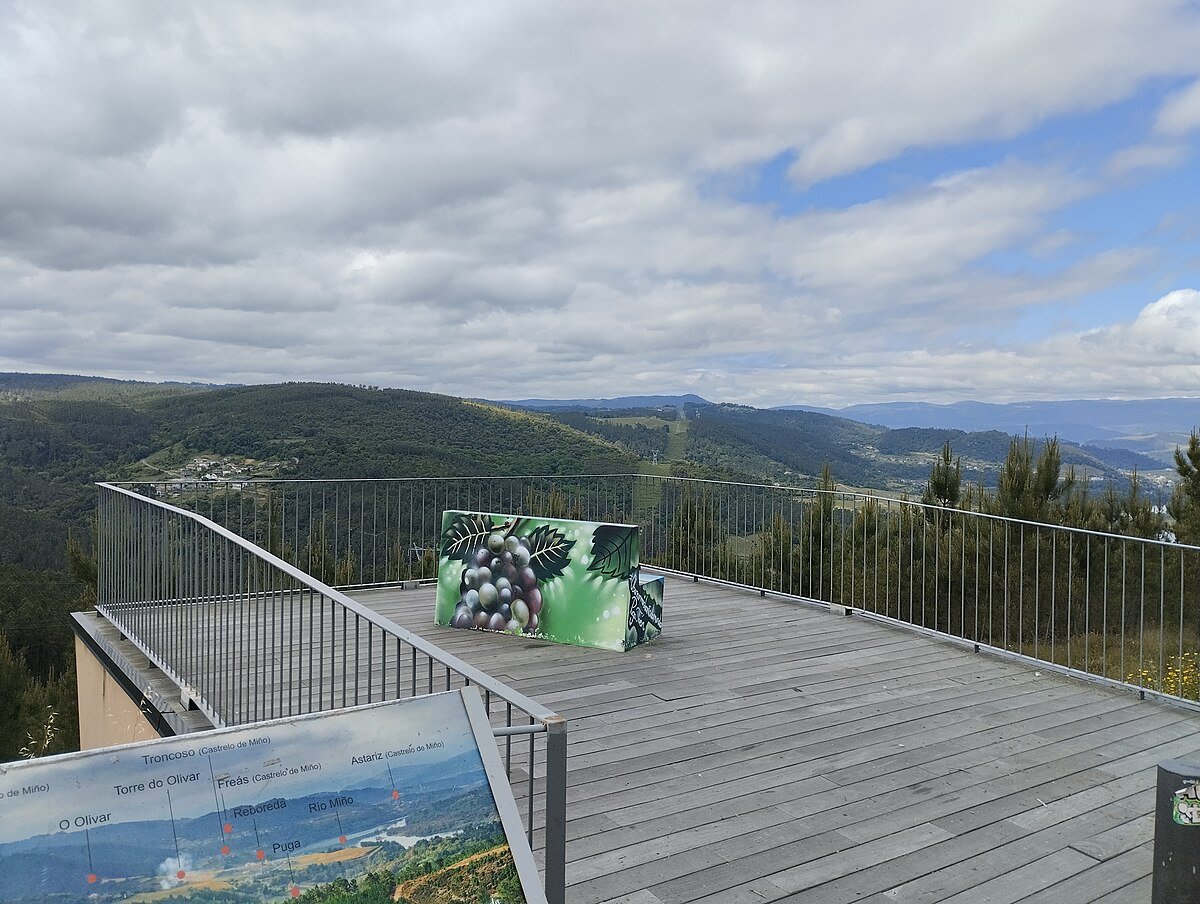
A short drive from the monastery walls are a few lookout points. Stand there for a minute. That view explains everything about what they call ‘heroic viticulture’ around here. The vineyards are planted on slopes so steep you wonder how anyone harvests them without ropes. From up high, it reminds me of Portugal’s Douro Valley—same drama, just with a Galician accent.
Churches that just show up
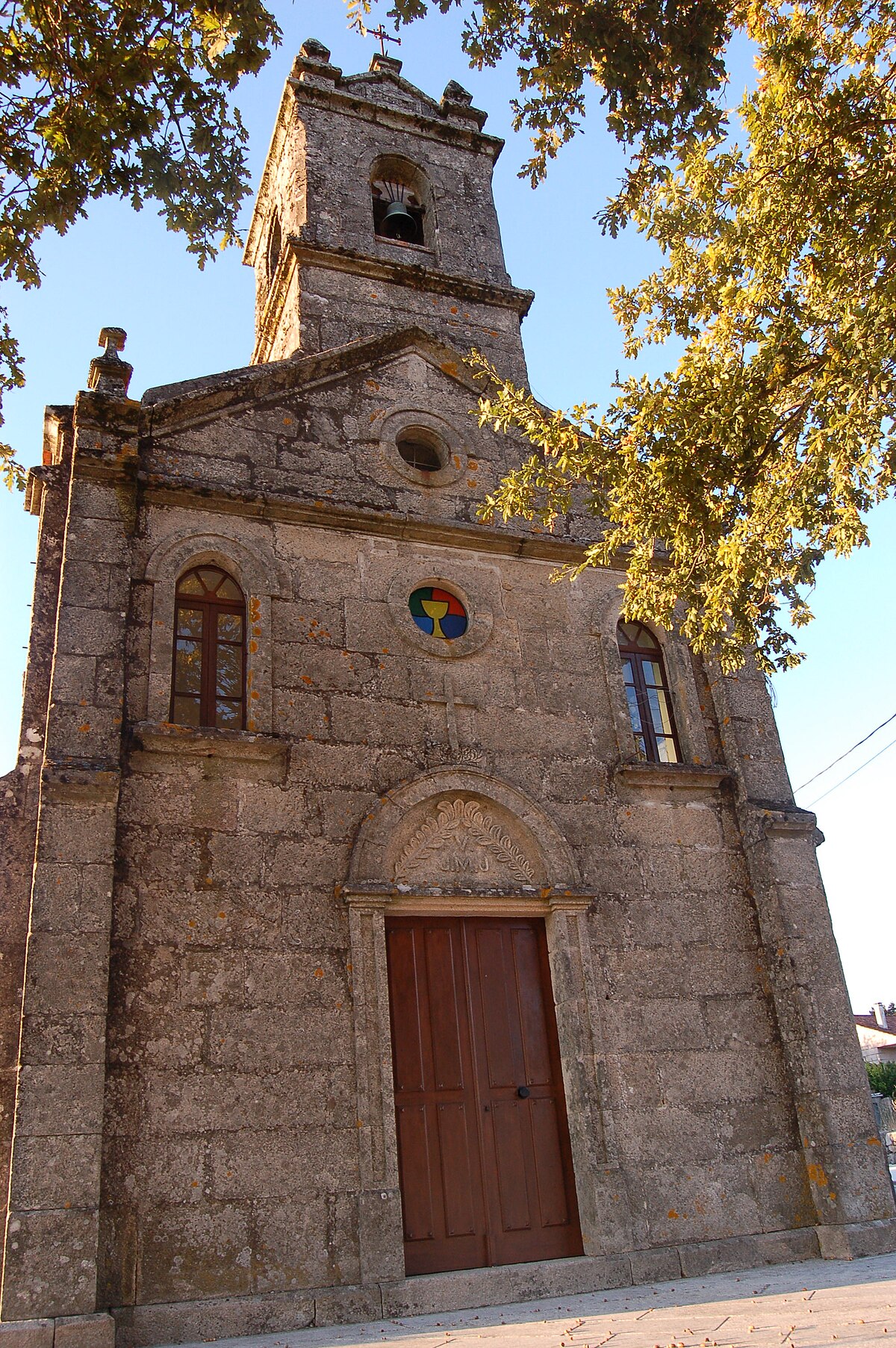
Driving around Nogueira de Ramuín, you keep stumbling upon small Romanesque churches. They aren't signposted as a ‘route’. They just appear in a village or at the end of a lane, part of the furniture.
The one at San Martiño gets mentioned a lot for its carvings. Look closely at the capitals and you’ll find all sorts of odd creatures—animals, dragons, things from someone’s medieval imagination frozen in stone.
Then there's San Martín de Ramuín, which has that typical layered look of a building that’s been patched and added to over hundreds of years. These aren't grand cathedrals. They're local parish churches where people have been getting married and buried for generations. That history feels ordinary, and that’s what makes it stick.
The sound of a whistle
Around Ourense, if you mention afiladores (knife sharpeners), people will nod. The story goes that some of the first documented ones set out from these very hills centuries ago.
Think about that job: travelling from town to town with your grinding wheel on your back, announcing yourself with a specific whistle. There's no big museum for it here, but it tells you how people got by—leaving home because they had to, creating this network between rural Galicia and everywhere else. It's a background hum in the valley's history.
Luíntra and letting things unfold
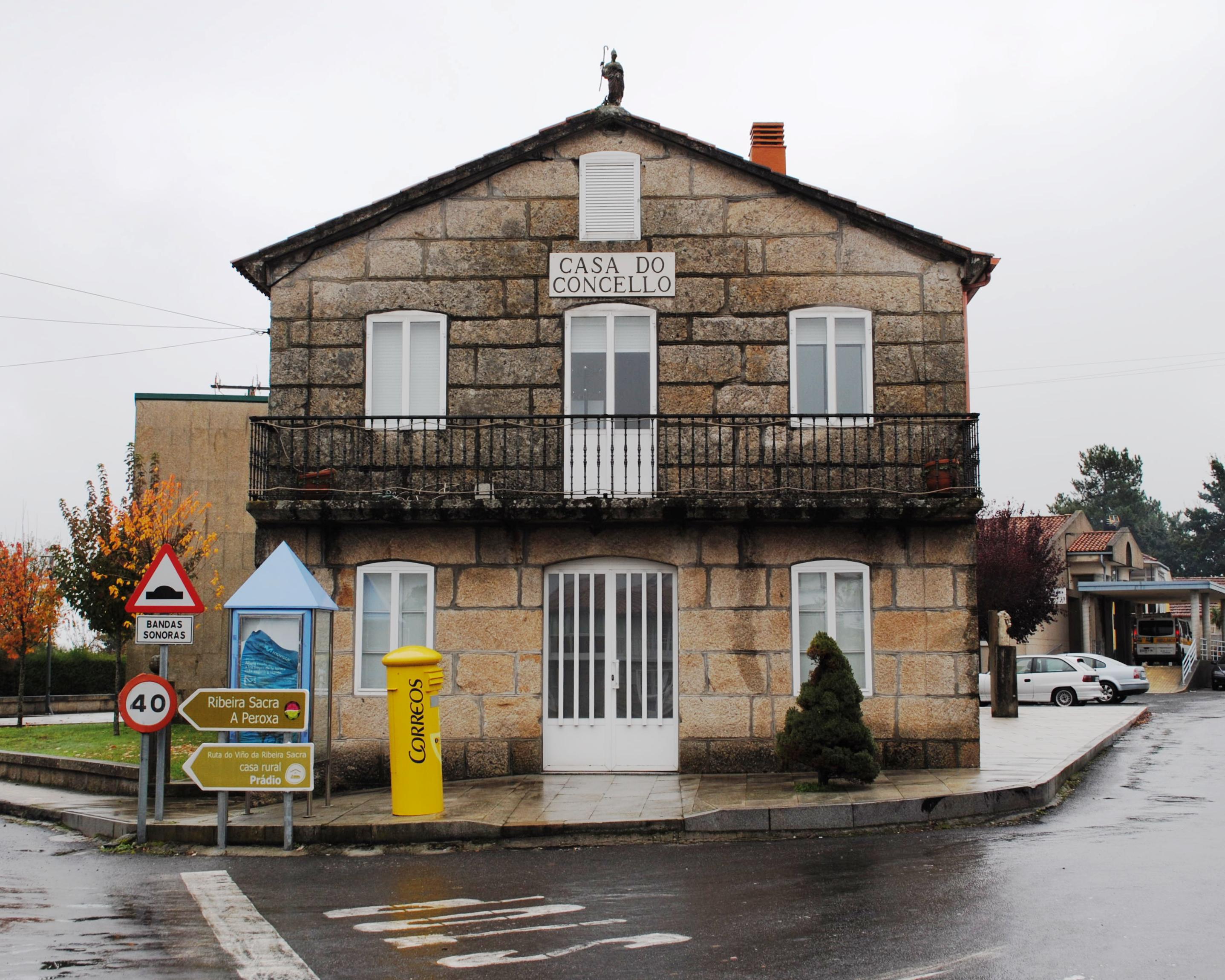
Luíntra is listed as the municipal capital, but don't expect much more than a few streets and basic shops. It works as a practical basecamp.
From here, small roads and walking paths head off into chestnut woods and hamlets. Some eventually spit you out at another breathtaking edge of the Sil canyon—the kind of view that just opens up without warning.
Come in autumn if you can. The chestnut groves go gold, the vines turn red, and against all that colour, slate roofs huddle together while locals walk their dogs or gather chestnuts at their own pace.
How to move through here
Trying to ‘do’ Nogueira de Ramuín quickly is missing the point entirely. Don't rush from church to monastery. Instead, let your visit be a slow drive with stops for coffee in whatever village bar looks open, a long stare from a viewpoint, and turning down a lane just because. A good day could be: see San Estevo, find your favourite lookout over the Sil, and wander until you find one of those unassuming churches. The morning will disappear on you.
Nothing here feels staged. The best bits often appear around the next bend, unannounced. In an age of over-planned itineraries, that feels like a small gift