Full Article
about San Cibrao das Viñas
Ocultar artículo Leer artículo completo
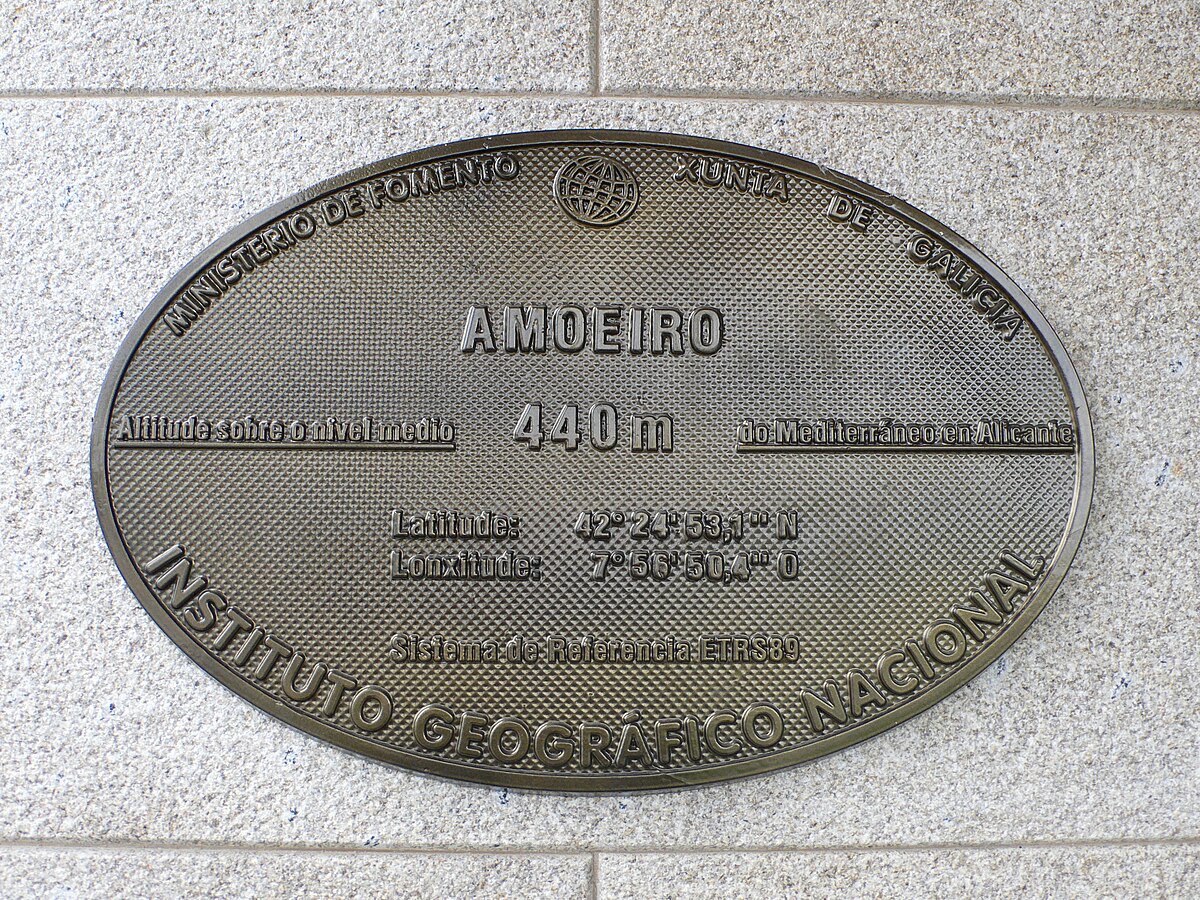
The first thing you notice is the altitude: 450 m above sea level, high enough for the air to feel thinner than coastal Galicia yet low enough for vines to survive winter frost. San Cibrao das Viñas sits on a ridge ten minutes’ drive north-west of Ourense, close enough that city taxis will still fetch you, far enough that the night sky keeps its stars. Locals call it the “cinturón rural” – the green belt that stops the provincial capital sprawling into the valley of the Miño.
That geography dictates the rhythm. Mornings start cool, even in July; mist pools in the Barbañá river until the sun clears the pine tops. By noon the thermometer can jump 12 °C, so walkers set out early and retreat to the 24-hour café at Hotel Condado for a cortado and a slice of tortilla that could floor a rugby player. Afternoons are for siesta or for slow drives between the fifteen tiny parishes that make up the municipality. Each hamlet has its own church, its own hórreo raised on mushroom-shaped stilts, and usually its own opinion about which way the wind blows.
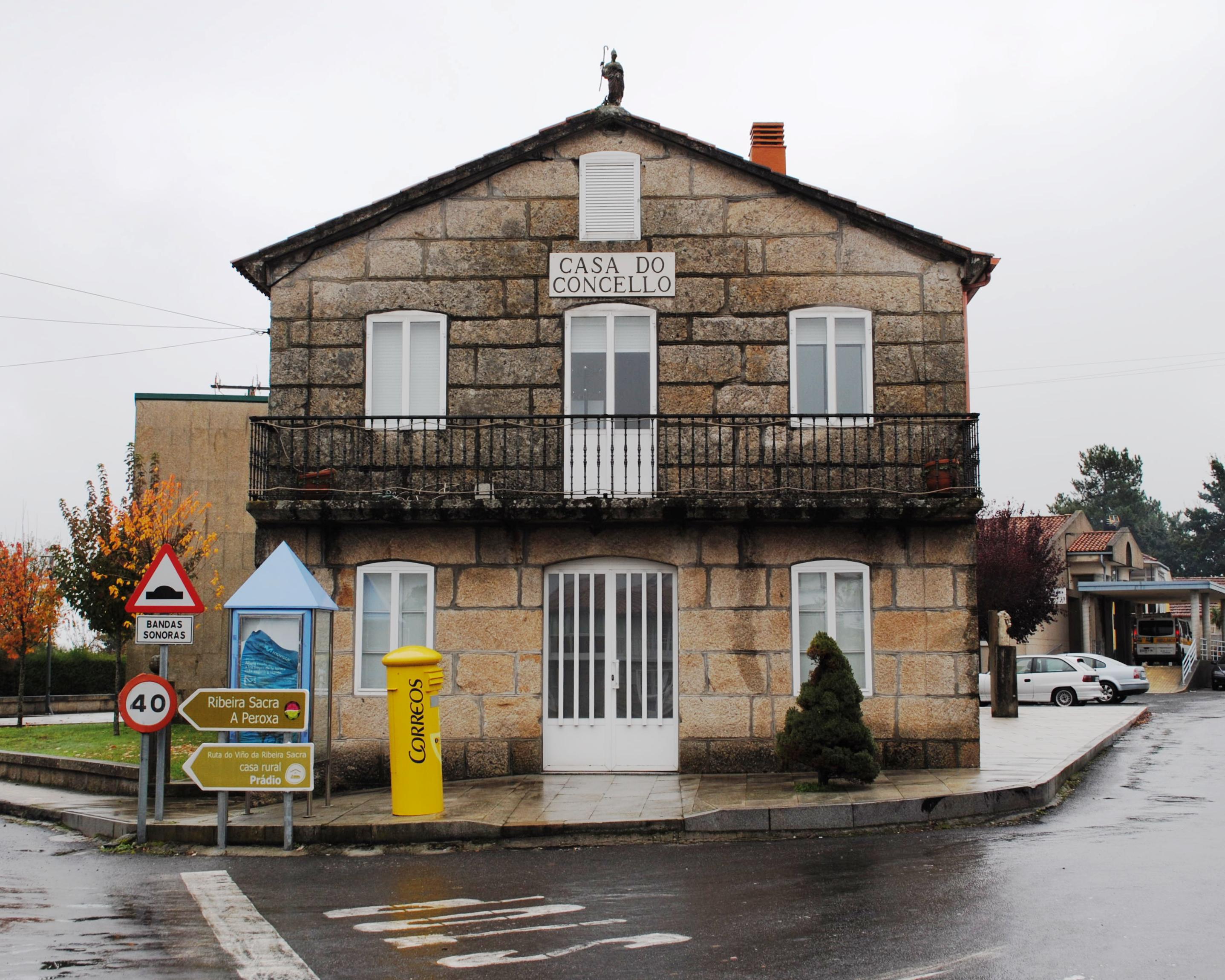
There is no postcard centre, no arcaded plaza ringed with geraniums. The village hall, pharmacy and funeral parlour share a single concrete block built in 1987. Parking is free but you still need to remember where you left the car – the streets are laid out like a game of pick-up sticks. British visitors expecting golden stone and hanging baskets sometimes leave after twenty minutes; those who stay discover that the interest lies in the gaps. A stone cross grows out of a hedge on the road to Taboadela; someone has wedged fresh flowers into the arms. An irrigation channel built by monks in 1160 still feeds a kitchen garden now owned by a retired car mechanic. The mechanic will wave you in to look at his kiwi vines if you pronounce “Ourense” with the stress on the second syllable instead of the first.
Walking routes are not marketed, way-marked or monetised. They are simply the tracks children take to school and farmers use to check cattle. One of the easiest starts behind the football ground: follow the gravel lane downhill, cross the iron footbridge and turn left along the Barbañá. Alder and ash close overhead, keeping the temperature in the low twenties even when the ridge above is frying. After 35 minutes the path climbs to a tarmac lane that leads back to the main road opposite the Repsol garage. Total distance: 4 km. Total ascent: 80 m. Probability of meeting another human: low, unless you count the elderly man who sits on a plastic chair outside his barn every day at 11 o’clock and greets passers-by with a raised eyebrow and the single word “Bo”.
The river circuit is runnable in trainers, but anything longer requires proper boots. North of the N-525 the ground rises sharply to 650 m. Way-markers disappear, granite outcrops gleam like wet marble and suddenly you are in genuine mountain country. In April the slopes are covered with yellow gorse and the odd rogue daffodil escaped from a long-abandoned garden. By late June the gorse has been burnt back to prevent wildfire, leaving black fingers among the heather. October brings russet oaks and the smell of wood smoke; that is the month most locals insist you see the place, when the vines turn the colour of oxidised copper and the afternoon light feels almost Mediterranean.
Winter is a different proposition. The mercury can dip to –5 °C at night; pipes freeze, the hotel switches on under-floor heating, and the 24-hour café fills with lorry drivers drinking orujo coffee at 07:00. Snow is rare but ice is not, and the council only grits the through-road. If you plan January hikes, pack micro-spikes and allow twice the usual time. On the plus side, the thermal spas of Ourense are steaming: drive down the hill, pay €7 for an evening session at Outariz, and watch steam rise off the river like a dragon with indigestion.
Food is built for the climate. Lunch at the hotel restaurant starts with a tureen of caldo gallego – kale, potato and pancetta broth – followed by chuletón de buey, a rib-eye the size of a hard-back book that arrives on a wooden board with nothing more than sea salt and a lemon wedge. The menú del día costs €12 and includes wine from Ribeiro, twenty minutes west. Vegetarians get tortilla, salad and padrón peppers, all perfectly edible and about as thrilling as a Tuesday in Basingstoke. Pudding is usually tarta de Santiago, an almond cake dusted with the cross of St James; order coffee afterwards or they will assume you want it poured over the cake in the Spanish style.
Evenings are quiet. The village’s single bar closes when the last customer leaves, rarely later than 23:30. British expats who have bought ruin-to-renovate barns organise quiz nights once a month in the parish hall; entry is €2 and the prize is a bottle of orujo that tastes of aniseed and regret. If you need more animation, Ourense’s old town is 12 minutes down the AP-53. Park under the Ponte Vella and work your way through tapas bars serving grilled octopus and crisp Albariño until the small hours. The last motorway slip-road shuts at 01:00; miss it and you face a 40-minute detour through sleep-deprived hamlets where every dog barks at tyre noise.
Practicalities are straightforward. Fly to Santiago de Compostela with Ryanair or BA, collect a hire car and head east on the AP-53. Tolls cost €6 each way; petrol is 15 cents cheaper than in the UK. There is no train station and buses run twice daily, timed for schoolchildren and pensioners, so a car is essential. Accommodation is limited to Hotel Condado: 36 rooms, free parking, dogs stay free and the night porter will let you in at 03:00 if you ring the bell twice. August fiesta brings live music and fireworks; rooms sell out six weeks ahead and ear-plugs are advisable unless you plan to dance until the brass band collapses.
What San Cibrao offers is not spectacle but scale: a manageable chunk of rural Galicia that can be sampled between breakfast and dinner without feeling you have short-changed the place. Use it as a base for the Ribeiro vineyards, the canyon silos of Ribeira Sacra, or simply as somewhere to walk off the previous night’s chuletón before sliding into Ourense’s hot springs. Come with the expectation of finding a working village rather than a museum and you will understand why locals who could afford a seaside flat still choose to live halfway up a ridge where the only night-light is the moon bouncing off granite.