Full Article
about Taboadela
Hide article Read full article
A brief visit just outside Ourense
Taboadela sits only a few minutes from Ourense and does not take long to get a feel for. It is the sort of place where arriving by car makes things far easier. The settlements are spread out rather than clustered together, and public transport is limited. Parking is usually straightforward if you leave the car near the church of Santa María or at one of the access points to the main settlement.
There is no need to set aside a full day. One or two hours is enough to see the essentials and understand the character of the area.
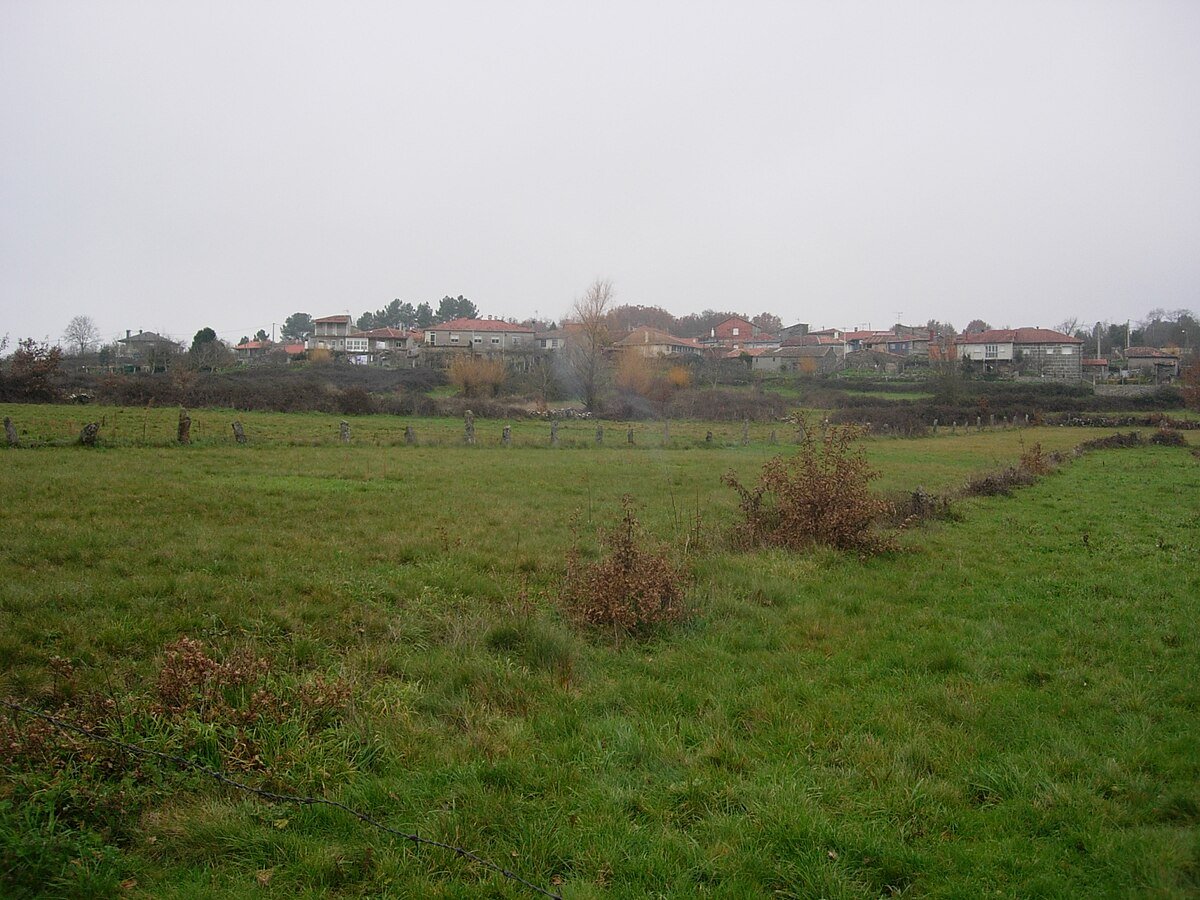
This is not somewhere to expect a compact historic centre or a long checklist of monuments. Taboadela is a rural municipality made up of scattered houses, farmland and connecting tracks. The appeal lies in observing the setting itself rather than moving from sight to sight.
Getting around and where to park
The simplest plan is to park near the parish centre and spend some time walking through the nearby streets. After that, if there is still curiosity to explore, it makes sense to return to the car and drive out to one of the nearby villages.
The lanes linking these small settlements are narrow. Two cars can pass, but only with patience. After rain, some of the unpaved tracks become quite muddy, so decent footwear is enough preparation.
It is also worth checking where a path leads before committing to it. Some tracks end abruptly at a private plot of land or a closed gate, which is not unusual in this type of rural layout.
Santa María and the heart of Taboadela
The main reference point is the church of Santa María de Taboadela. The current building appears to have ancient origins, probably medieval, although it has been altered over time. Its tower is simple, without elaborate decoration.
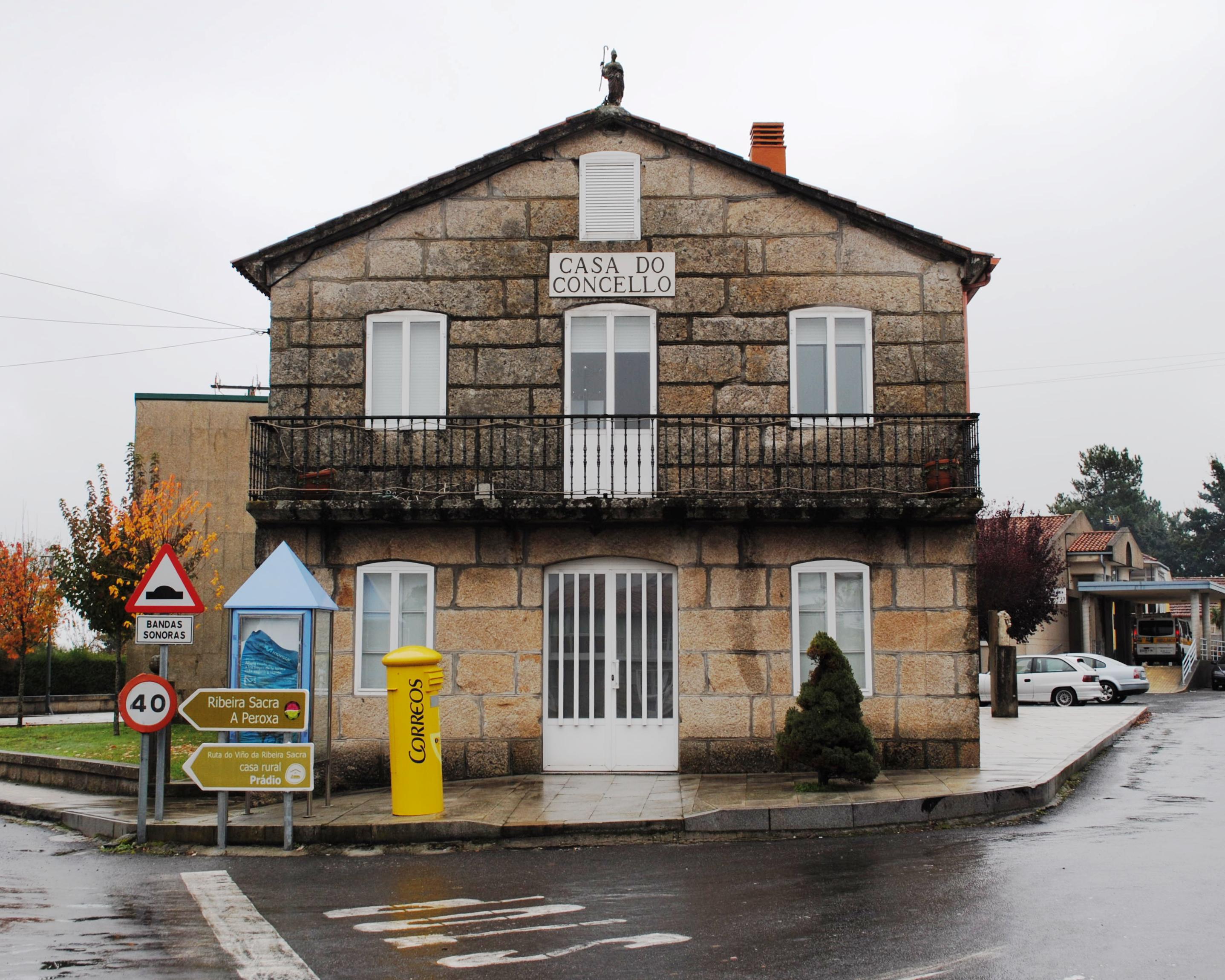
Around the church, the houses follow a familiar pattern for this part of Ourense. Stone construction dominates, with restrained façades, straight walls, small windows and enclosed courtyards. There is nothing particularly ornate, but the consistency of the architecture gives the area a clear identity.
Across the municipality, small chapels and stone crosses appear at crossroads. In Galicia, these crosses, often called cruceiros, traditionally marked places where people would stop, pray or gather. Some of these points are still linked to local festivities. A few romerías, which are traditional rural pilgrimages or celebrations, continue to take place, usually during the summer months.
Villages and working landscape
Moving away from the central area brings you to villages such as Bemposta or Taboadela de Arriba. These are short, easy outings rather than full excursions. The streets are quiet, especially during the week, and the pace is slow.
The layout is simple: houses set among enclosed plots, with hedges or stone walls marking boundaries. There is little traffic and often very little sound beyond the occasional movement of daily life.
Here and there, you will notice hórreos, the raised stone or wooden granaries typical of Galicia. There are not many in this area. Some are still in use, while others appear neglected. Alongside them are straightforward agricultural buildings, usually with pitched roofs, reflecting the ongoing practical use of the land.
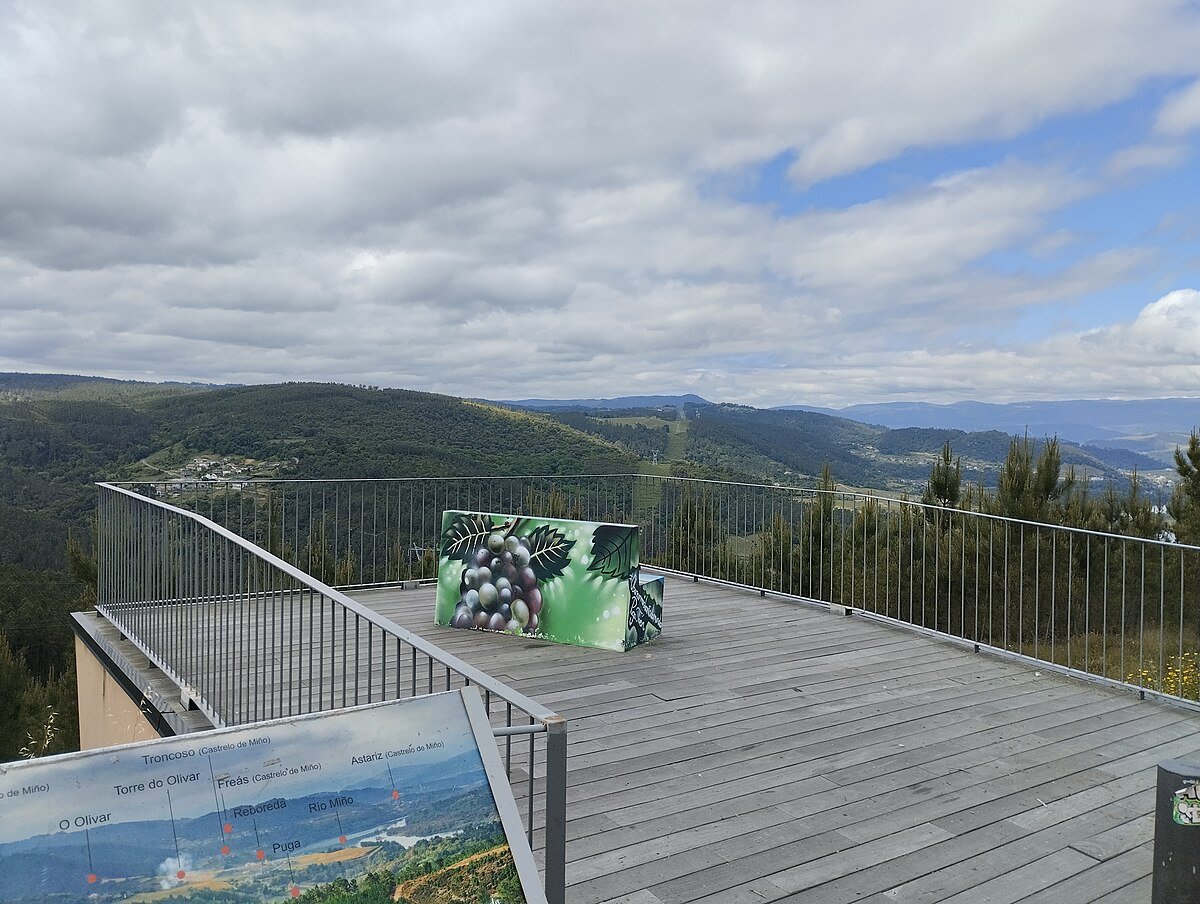
The terrain is generally gentle, with small slopes appearing as you approach the watercourses that define the edges of some parishes. This is not a region of sweeping viewpoints or dramatic scenery. Instead, it is an agricultural landscape that has been worked for a long time, shaped by routine rather than spectacle.
When to go and what to expect
Spring and autumn are usually the most comfortable times for walking. In summer, the heat becomes noticeable around midday, so it is better to head out early or wait until later in the day. After several days of rain, some paths can turn into thick mud, which can limit where you can comfortably walk.
For photography, the timing of the light makes a clear difference. Early morning or late afternoon brings softer, angled light that changes the look of the stone buildings and open fields.
A simple way to experience it
Taboadela works best as a short stop rather than a main destination. It fits naturally into a trip from Ourense or as a pause on the way to other villages in the area.
A straightforward plan is enough. Park near the church, walk for ten or fifteen minutes without a fixed route, and take in the surroundings. If there is still time and interest, drive to a nearby village such as Bemposta or Taboadela de Arriba and repeat the same approach.
That is usually enough to understand what Taboadela offers: a quiet, rural setting where the focus is on the landscape, the layout of small communities, and the everyday rhythm of a place that has changed slowly over time.