Full Article
about As Neves
Ocultar artículo Leer artículo completo
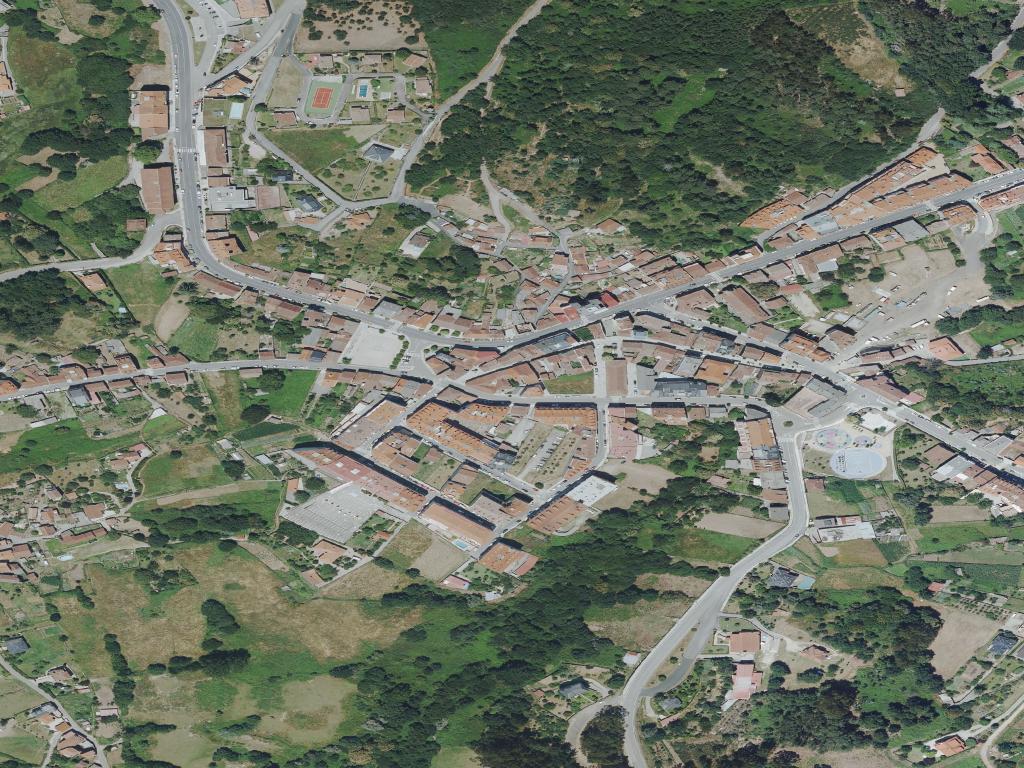
The church bells of San Xoán strike eleven, and nobody in As Neves notices. They're pruning Albariño vines three kilometres up the road, or loading tractors with last night's harvest, or simply sitting in farmhouse kitchens where the coffee stays strong enough to float a spoon. This is rural Galicia at its most matter-of-fact: a scatter of parishes so thinly spread that the municipality needs 49 square kilometres to house barely 5,000 souls.
Drive in from the AP-9 and the landscape performs a slow striptease. First the industrial estates south of Pontevedra, then eucalyptus plantations, then suddenly you're threading between stone-wall terraces that clutch at hillsides like desperate fingers. Every south-facing slope wears a wig of vines, the pergola posts leaning at identical angles as if bowing to some invisible queen. Welcome to the Condado do Tea sub-zone of Rías Baixas, where wine isn't a lifestyle accessory but the reason roads were built.
Following the River that Refuses to Rush
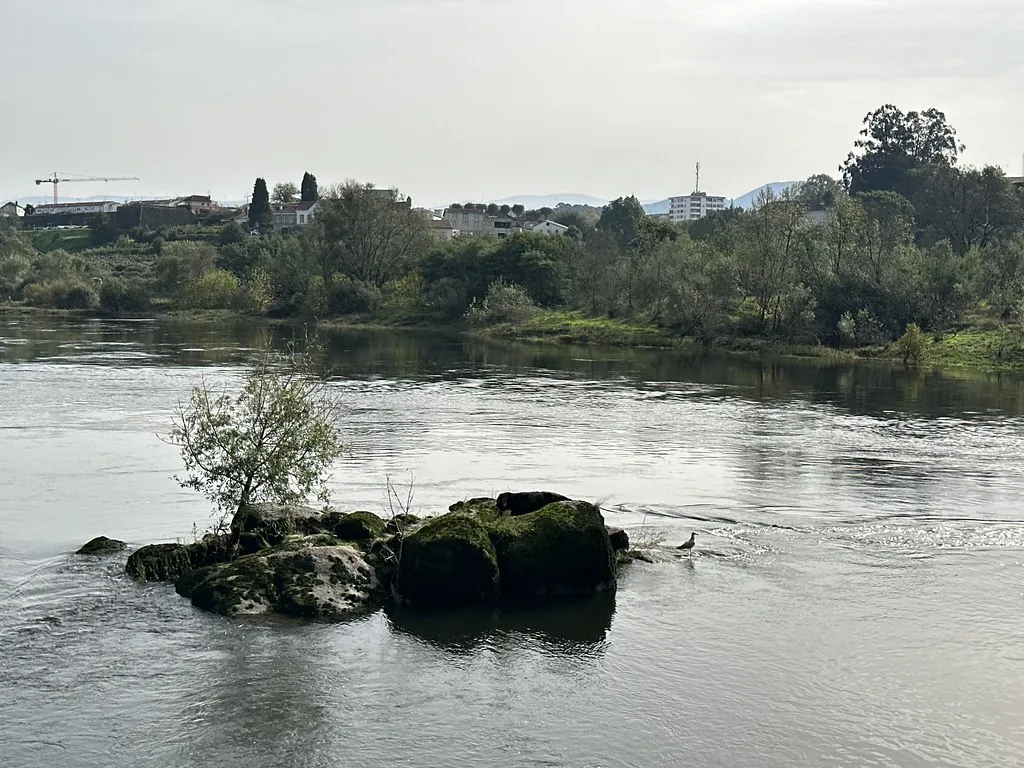
The Tea River – Galicia's unhurried boundary with Portugal – sets the rhythm here. In September it runs coffee-brown and loud, carrying chestnuts and gossip downstream. By April it's a lazy green snake, exposing gravel banks where locals already spread blankets for early picnics. There is no promenade, no hire kayaks, no ice-cream kiosk. Access points appear without warning: a dirt track beside the PO-340, a gap in the reeds near the paper factory at Crecente, a fisherman's pull-in where the only facilities are a home-made bench and a warning not to swim when the current's up.
Walk the river early enough and you'll share it with herons and the occasional retired miner flicking a lure for sea trout. The water smells of wet granite and fennel; kingfishers bolt past like turquoise bullets. Stay past midday and the sun ricochets off the surface – bring a hat, because shade is rationed to whatever the alder trees feel like providing.
Manor Houses that Hide Behind Workaday Gates
Forget National-Trust perfection. Here a pazo is simply the biggest house in the parish, usually still owned by the same family whose coat of arms is eroding above the door. Some keep the gates padlocked; others leave them ajar so you can peer up a camellia-lined drive at stone balconies sagging under the weight of geraniums. At Pazo de Vexar, someone has parked a Citroën C15 pickup where courting nobles once paced; the vehicle's mud-plastered doors match the ochre lichen on the walls so exactly it looks deliberate.
Nobody offers guided tours. Instead, information arrives in fragments: the bakery owner explaining why the Count of San Xurxo planted chestnuts instead of vines (phylloxera, 1893), or the retired teacher who points out the hórreo with seven stone legs – one for each of the original heirs. It's history as conversation, not commentary.
Wine Without the Woo-Woo
Bodegas don't do gift-shop gloss. Turn up unannounced at Adegas Tollodouro and you'll probably find the owner elbow-deep in a stainless-steel tank, checking fermentation with a hydrometer that looks older than the Euro. Tastings happen at a Formica table wedged between pallets of last year's harvest; the spittoon is an old olive tin. What you get is three glasses of Albariño that hasn't seen the inside of a marketing agency: sharp green-apple acidity, a faint salty snap that whispers of Atlantic storms, and a price tag (around €9 a bottle) that makes you realise how much UK supermarkets add for fancy labels.
Phone first – mobile signal permitting – and ask for a visit during harvest (mid-September to early October). Then you can watch grapes arrive in plastic tubs strapped to ancient Peugeot 504s, the same vehicles that will ferry children to school next month. Photography is fine; just don't expect a souvenir brochure.
The Festival Calendar Written in Pencil
As Neves doesn't publish an events programme so much as leak it. The Festa do Viño drifts somewhere between the first and second weekend of August, depending on when the volunteer fire brigade can borrow a sound system. The Festa da Vendima lands when the agricultural co-op says the majority of grapes have reached 12.5° Baumé. Both involve plastic trestle tables, octopus steamed in oil-drum cauldrons, and a raffle whose star prize is usually a ham bigger than most carry-on luggage.
Turn up, donate €2 for a paper plate of food, and someone will find you a seat. Try to pay for wine and you'll be waved away; the bottle gets refilled until you stop guarding your glass like a commuter scared of spillage. Dancing starts at the hour when British weddings are winding down; it finishes when the generator runs out of diesel.
When the Sat-Nav Gives Up
Roads here obey topography, not engineers. The PO-340 corkscrews up to 350 metres, then drops so steeply that hire-car brakes smell of burnt toast. Junctions are signed only if the farmer remembers to prop up the hand-painted board; Google confidently sends you down farm tracks that end in a vineyard with no space to turn. Distances deceive: two kilometres can mean fifteen minutes of second gear and a meet-the-locals moment when a tractor coming the other way forces you to reverse 200 metres to the nearest passing bay.
Bring walking boots. Some of the best views – across the Miño gorge to Portugal's northern mountains – appear at lay-bys barely wide enough for a wheelie bin. Early morning light turns the vines metallic; late afternoon softens everything to an olive haze. Midday sun flattens the hills into a postcard cliché and is best avoided.
Rain, Mud and Other Honesties
Winter visits deliver emerald scenery and empty roads, but also the kind of rain that finds every gap in your jacket. After three wet days the Tea floods, turning footpaths into calf-deep chocolate mousse. Spring means blossom and mud in equal measure; by late June the ground hardens and adders sun themselves on stone walls. August hits 35°C with 80% humidity – perfect for grapes, less so for humans who forgot a hat.
Mobile coverage is patchy; Vodafone sometimes wins, O2 usually loses. Cafés shut without warning if grandmother's birthday collides with opening hours. Public toilets are the service-station-at-Crecente variety: bring change, and lower expectations.
Making It Work (Without a Car)
There is no railway. Monbus runs three daily services from Pontevedra (50 minutes, €4.50), but the last bus back leaves at 19:10. Accommodation is thin: Casa Uma, a stone farmhouse turned into four guest rooms near the church, charges €70 B&B and closes January altogether. Book ahead during harvest; wine-makers' relatives bag rooms early. Otherwise base yourself in Tui or even Pontevedra and hire wheels – automatics are scarce, so brush up on clutch control.
If you must stay sober, pick a designated driver before you leave Britain; Galicia's alcohol limit is 0.5 g/l and Guardia Civil checkpoints appear without warning. The nearest A&E is 25 km away in Tui – travel insurance isn't optional.
Leaving Without a Fridge Magnet
As Neves won't suit tick-box travellers. There is no single Instagram hotspot, no medieval centre to "do" in ninety minutes. What you get instead is a working landscape where tourism piggybacks on agriculture rather than replacing it. The memories that linger are small: a farmer insisting you taste a grape that still holds the dawn's chill, the way river mist peels off the water at sunrise, diesel fumes mingling with vine flowers on a September morning.
Drive out slowly. Somewhere around curve thirteen you'll spot a cruceiro – stone cross, moss-covered, no signpost – and realise you passed it coming in without noticing. That's As Neves: easy to miss, hard to forget, and stubbornly indifferent to whether you return.