Full Article
about Covelo
Hide article Read full article
Morning in the Tea valley
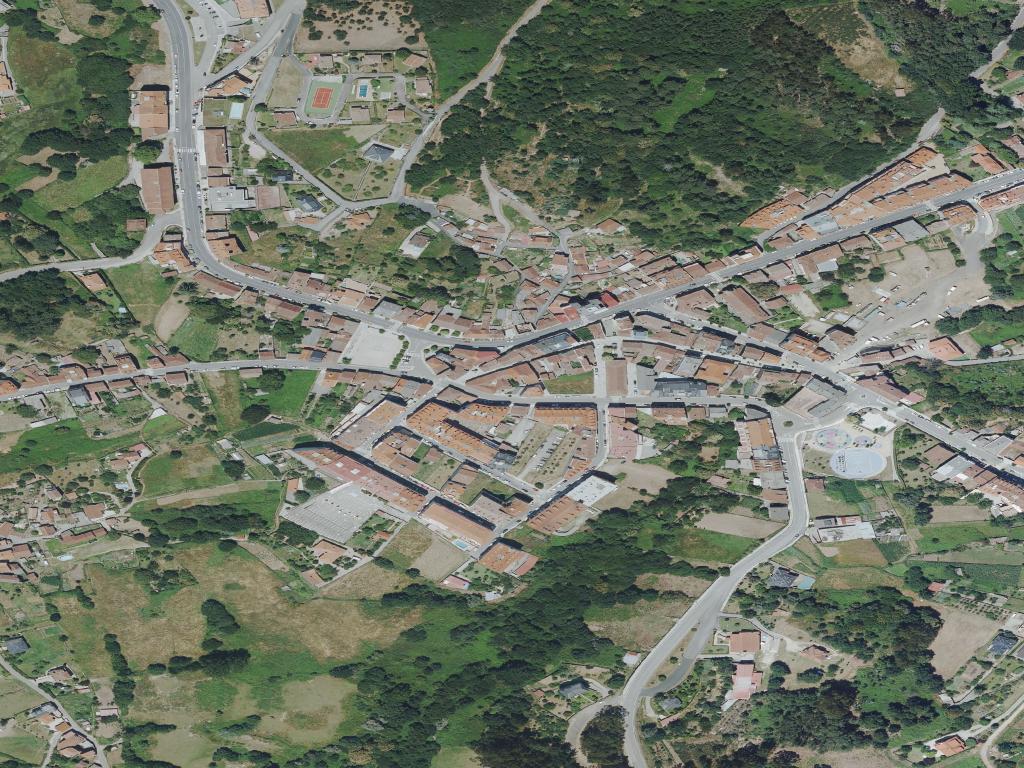
Mist from the Suído range slides down the slopes like heavy grey wool as the first cockerel calls. The air carries the scent of damp earth mixed with freshly lit firewood. Slate roofs begin to emerge slowly from the haze, each chimney releasing a thin thread of smoke into the low sky. At this hour, the Tea valley still feels half asleep.
Light arrives gradually, revealing fields and narrow roads that weave between small settlements. Nothing here seems rushed. If you’re driving in from the south, the road from Ponteareas climbs and twists for a good twenty minutes before you see the first sign for Covelo; it’s a place you arrive at, not pass through.
Wax, water and quiet work
In Paraños, the Centro de Interpretación da Ceraría preserves a trade that once shaped the local economy. Inside, the smell is distinctive, something between old honey and pine resin. Clay moulds are displayed, once used to pour beeswax that would later become candles. For centuries, these candles travelled across much of the north-west of the Iberian Peninsula.
Metal sheets used to stretch wax into long layers are still kept here, showing how the material was worked by hand. The process feels tactile and slow, almost like preparing dough. The space is small, but it holds traces of a craft that linked the valley to a wider region.
Stories passed down remain part of the visit. It is said that wax was also shaped into exvotos, offerings in the form of body parts such as legs or hands, brought by those asking saints for help.
Not far away, the river Tea flows through ferns and alders. Around Maceira, several old mills can still be seen. Their stones are coated in moss, and water passes underneath with a steady, papery sound. The path alongside the river is narrow and shaded. In certain stretches, flat slabs remain where clothes were once washed, their edges worn smooth by years of use.
After rain, the ground holds on to moisture. Mud gathers easily along the bends—solid footwear is a sensible choice.
San Blas and the rhythm of the village
Early February brings the feast of San Blas. The air fills with the smell of smoke and slow-cooked food. The saint is associated with throat ailments, and many people come seeking relief during the colder months.
From early on, a calm queue forms at the church of San Salvador. Visitors approach a relic in a gesture repeated across generations. The atmosphere is quiet rather than festive. This is a place where people recognise one another, and the pace reflects that familiarity.
Older women often wear black headscarves and heavy coats. Men appear in their Sunday clothes despite the cold. There is no sense of spectacle, only continuity.
On certain Sundays, the Campo da Feira on the edge of the settlement becomes active. Trailers and lorries arrive carrying livestock. Through the mist come low sounds: metal doors closing and voices kept at a low pitch. The accent of the Paradanta area has a soft cadence, almost musical, blending with the steam rising from early morning coffee.
The restless heights of O Suído
Reaching the Suído range requires patience and a waterproof jacket. Roads and forest tracks climb gradually. Oaks give way to pine woods, and higher up, patches of heather cover the slopes. In summer, these areas turn a deep violet.
At higher altitudes, the wind rarely settles. Even on calm days below, it blows strongly here. Near the antennas installed on the ridge, there is a constant hum that shifts depending on the direction of the air.
From certain viewpoints, like near Pena de Francia, the entire Tea valley opens out. Bright green fields stretch between scattered houses with reddish roofs. The sense of space is wide, though never empty.
Clear days are not the norm. More often, mist rises quickly from below and covers everything within minutes. The landscape disappears. Anyone planning to walk in the upper areas should check conditions carefully and not rely entirely on mobile coverage—it often fails here.
A house that keeps the past close
In A Graña, a traditional house has been preserved as a small museum. The interior maintains its original structure: a kitchen with a large stone lareira, beams darkened by years of smoke, and a hayloft that still smells of dry grass even in winter.
Those who open the house often describe what life was like only a few generations ago. Animals shared the same roof as people. Winters were long.
Wooden tools rest against the walls—ploughs, yokes and baskets. They appear ready for use.
Outside, the vegetable garden remains organised in small plots divided by stone. Cabbages and grelos grow in straight rows close to the house, positioned to shelter from the wind coming down from O Suído.
Seasonal shifts
March brings a particular kind of contrast. Days begin to stretch out, yet frost still appears in higher areas in the morning. Paths can be muddy; small flowers start to emerge among last year’s grass.
August alters Covelo’s rhythm completely. Many residents who live elsewhere return for weeks at a time; cars arrive from Vigo or Pontevedra and from across northern Portugal too—you’ll see Portuguese plates parked along streets that were quiet in May. The pace shifts for a while; if you want stillness in summer time your visit for midweek mornings before ten o’clock when everyone else is having breakfast indoors