Full Article
about Mondariz
Hide article Read full article
A valley that wakes with steam
Steam lifts slowly from a cup of coffee and blends into the mist rising off the river Tea. Early morning in Mondariz carries the smell of fresh bread and damp valley air. Tourism here often begins in that quiet overlap of warmth and fog, when the streets are still only half awake.
Water sits at the centre of everything. It emerges from underground at a mild temperature and has drawn visitors for more than a century. Some arrive for rest, others for thermal treatments, others simply for a few days away from the noise of nearby cities.
The spring that reshaped the place
Towards the end of the 19th century, a local doctor analysed the waters of the Gándara spring. What residents had been saying for some time was confirmed: the water had distinctive mineral properties. Before that moment, the spring had been part of everyday life. It functioned as a communal washing place where women from different parishes came to rinse clothes and exchange news from across the valley.
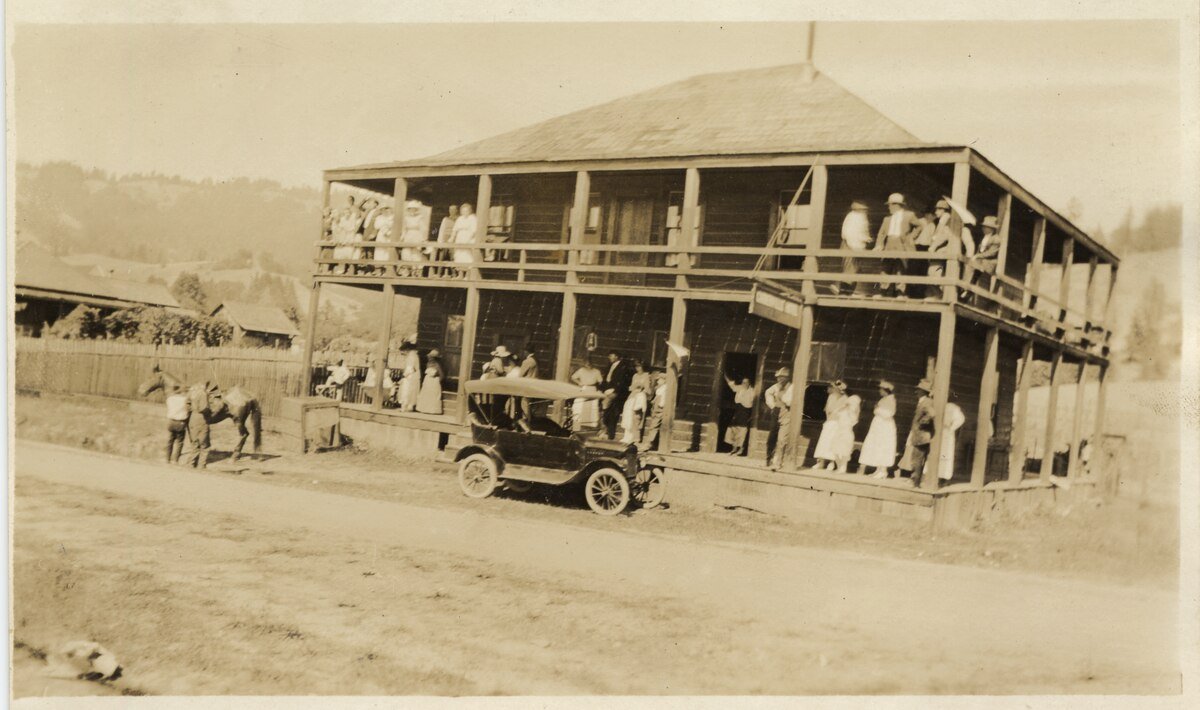
As spa culture grew in popularity, a thermal complex and a large hotel began to rise, shaping the outline of the area that can still be recognised today. For decades, Mondariz became associated with rest and seasonal stays. Accounts from the time mention politicians, writers and well-off families spending extended periods here.
The atmosphere has shifted since then. It feels calmer now, less formal. Even so, there are corners where that earlier rhythm lingers. Wooden corridors and garden-facing cafés still hold a trace of that slower spa culture, where time seems to stretch a little.
When the Tea carries autumn
October tends to be a good moment to walk through the Tea valley. The green deepens, chestnut trees release their spiky husks, and the river begins to carry yellow leaves and fine branches that drift and turn with the current.
Morning fog often hangs among the trees for hours. From certain points along the riverside path, the opposite bank fades from view and the sound of water becomes the dominant presence.
The Cernadela bridge, with its five stone arches, is one of the places where that mix of river and quiet is most noticeable. People often pause along the railing, watching the water pass without much urgency to move on.
Looking out from Sobroso
For a clearer sense of the landscape, the hill where Sobroso Castle stands is worth the short journey from Mondariz. The path includes stretches of reddish earth that can become slippery after rain, so a dry day or good footwear makes a difference.
At the top, the perspective opens. The valley spreads out in full: small villages scattered across the terrain, roads winding between cultivated plots, patches of vineyard on the sunnier slopes. On clear days, the view reaches far into the surrounding comarca.
The castle seen today reflects several reconstructions, yet the site itself has been occupied for centuries. Its position made it useful for watching the routes between valleys, a reminder of how movement through this landscape has long been observed and controlled.
Eating from river and field
The river Tea has also shaped how people eat in this part of Galicia. Trout appears frequently on menus, often prepared with ham and a little white wine, a combination typical of southern Pontevedra.
As the seasons turn colder, the food becomes more substantial. Lacón con grelos, a dish of pork shoulder with turnip greens, comes into its own in autumn and winter. After walking the riverside paths or climbing through the surrounding hills, a hot, thick broth like this feels straightforward and satisfying.
Cooking here follows an unhurried pace. Dishes do not arrive quickly, but there is little sense of waiting either. Meals unfold in their own time, matching the rhythm of the valley.
Moving through Mondariz at its own speed
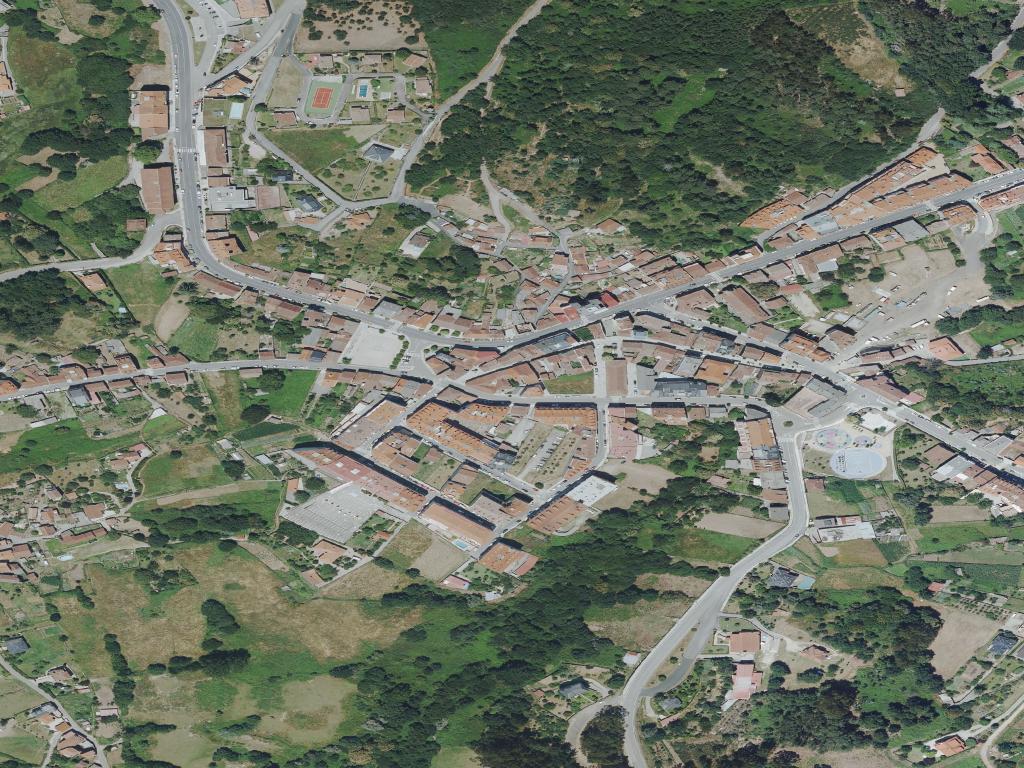
Mondariz is small enough to explore on foot without difficulty. The parish church, the streets that slope down towards the river, and the spa area can all be linked in a walk of a couple of hours if stops are kept brief.
The Gándara spring remains a point of interest. It is common to see locals filling large containers with thermal water while discussing the weather or the state of the river. The water flows out warm and carries a strong mineral taste.
Weekends bring a different tempo. Mondariz sits within easy reach of Vigo and other towns in the Rías Baixas, so cars begin to arrive as the morning goes on and parking in the centre becomes more complicated.
During the week, things settle again. The streets return to a quieter pattern, closer to those early hours when bread comes out of the oven, someone sweeps a pavement, and the mist slowly lifts from the river Tea.