Full Article
about Mondariz-Balneario
Hide article Read full article
Mondariz Balneario es un pueblo que se explica con un "pero"
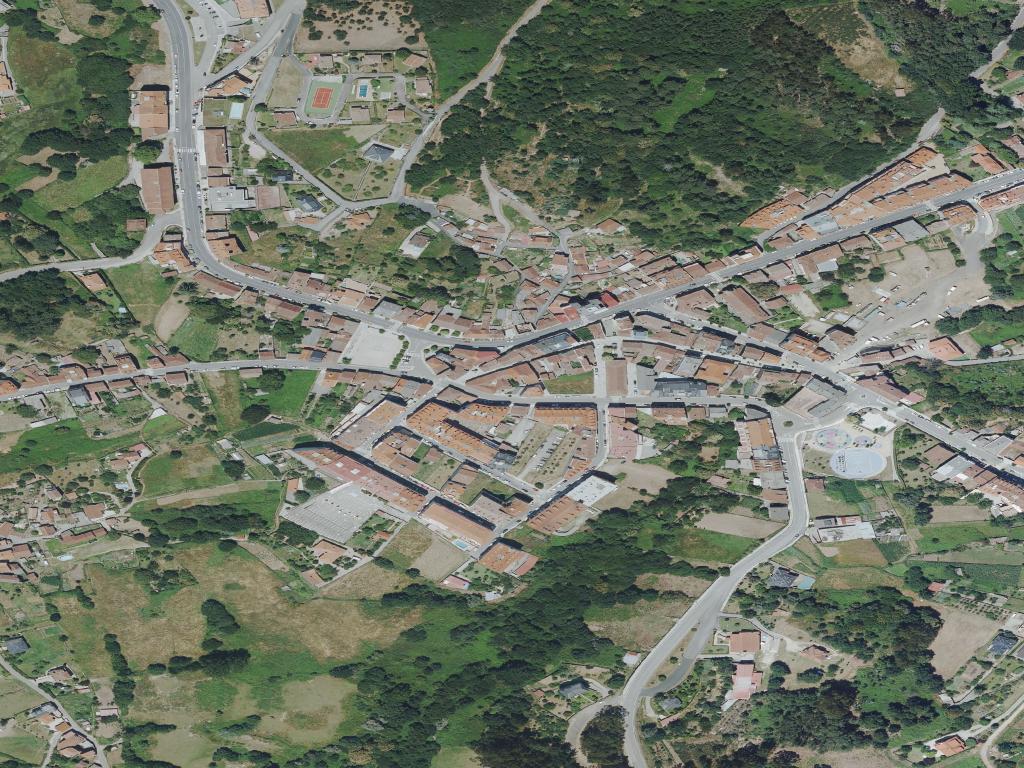
Llegas, aparcas en una de sus tres calles principales y piensas: "¿Y esto fue todo?". Mondariz Balneario es el municipio más pequeño de Galicia, un lugar que se recorre en diez minutos. Pero ese "pero" es importante. Porque este rincón de la Paradanta fue, durante décadas, el balneario de moda donde veraneaba medio Madrid. Es como encontrarte con la casa de tu infancia, ahora vacía y silenciosa, y recordar los líos que se montaban allí cada verano.
La sombra (muy larga) del Gran Hotel
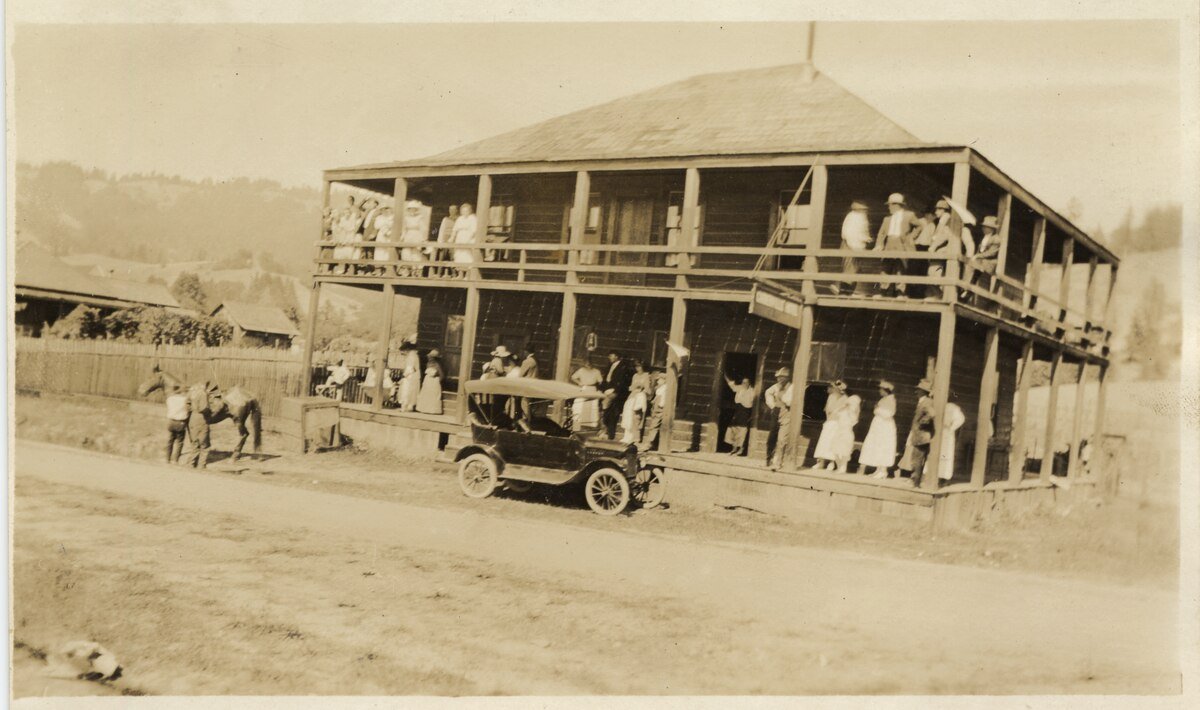
Para entenderlo, hay que pararse frente a lo que queda del Gran Hotel. Imagina un edificio tan grande que tenía moneda propia, el peinador, para pagar dentro. Un casino, un teatro, cientos de habitaciones. Arquitectónicamente, era más Baden-Baden que aldea gallega.
Un incendio en los 70 se llevó gran parte del edificio original. Lo que ves hoy es básicamente la fachada y algunas alas restauradas. Sin embargo, los jardines siguen teniendo ese aire de otro tiempo. Te cruzas con escalinatas que no llevan a nada y columnas solitarias entre los árboles. Cuesta trabajo cuadrar esa imagen con el silencio actual, pero si cierras los ojos un momento, casi puedes oír el rumor de vestidos y conversaciones de hace un siglo.
La ruta de los manantiales (y su agua con chispa)
Todo empezó por el agua. En el siglo XIX, la familia Peinador decidió embotellarla y promocionar sus supuestas virtudes digestivas. Hoy, sigue manando igual.
Hay un sendero corto y llano que conecta varios de estos manantiales históricos. El paseo es agradable, bajo la sombra de los árboles. El punto más fotogénico es la fuente de A Gándara, con su templete modernista. El agua sale naturalmente carbónica; tiene ese puntillo metálico que te deja claro que no estás bebiendo agua del grifo. Verás a gente del lugar llenando garrafas de cinco litros, como quien va a la fuente del pueblo.
El balneario actual: aguas termales sobre cemento
El complejo termal sigue funcionando, pero en instalaciones modernas anexas al hotel histórico. El contraste es brutal: por un lado, la elegancia decadente; por otro, piscinas termales contemporáneas perfectamente funcionales.
Es un sitio conocido dentro de Galicia para pasar el día entre circuitos de agua, saunas y chorros a presión. No es un plan improvisado; viene gente preparada para estar horas cambiándose de albornoz.
A pocos minutos en coche está el campo de golf. No hace falta jugar para apreciar el silencio rotundo que hay allí fuera, solo interrumpido por el sonido de alguna podadora a lo lejos.
Comer como en cualquier buena casa gallega
La comida aquí te devuelve a la realidad terrenal rápidamente. Olvídate de menús spa con espumas. Esto es Galicia profunda.
En temporada, pide lacón con grelos; es uno de esos platos que te anclan al sofá durante toda la siesta. La empanada suele ser segura, depende del relleno del día. Y cuando traigan la cuenta, lo normal es que aparezca también un chupito de aguardiente de hierbas local. Decir que no casi parece una descortesía.
Cómo visitarlo sin llevarte una decepción
Venir aquí esperando un pueblo monumental o super animado es un error garrafal.
La visita funciona si ajustas el ritmo: camina sin prisa entre las fuentes, siéntate en un banco del jardín viejo e intenta pillar los detalles que quedan del esplendor pasado (una farola antigua, un azulejo). Si te apetece y va con tu plan métete en las piscinas termales; si no, con tres horas has captado la esencia del lugar.
Lo que se te queda no es una postal bonita ni una lista de monumentos tachados. Es más bien la sensación rara de haber estado en un sitio cuyo peso histórico no cuadra con su tamaño actual. Y esa rareza tiene mérito