Full Article
about Boqueixón
Hide article Read full article
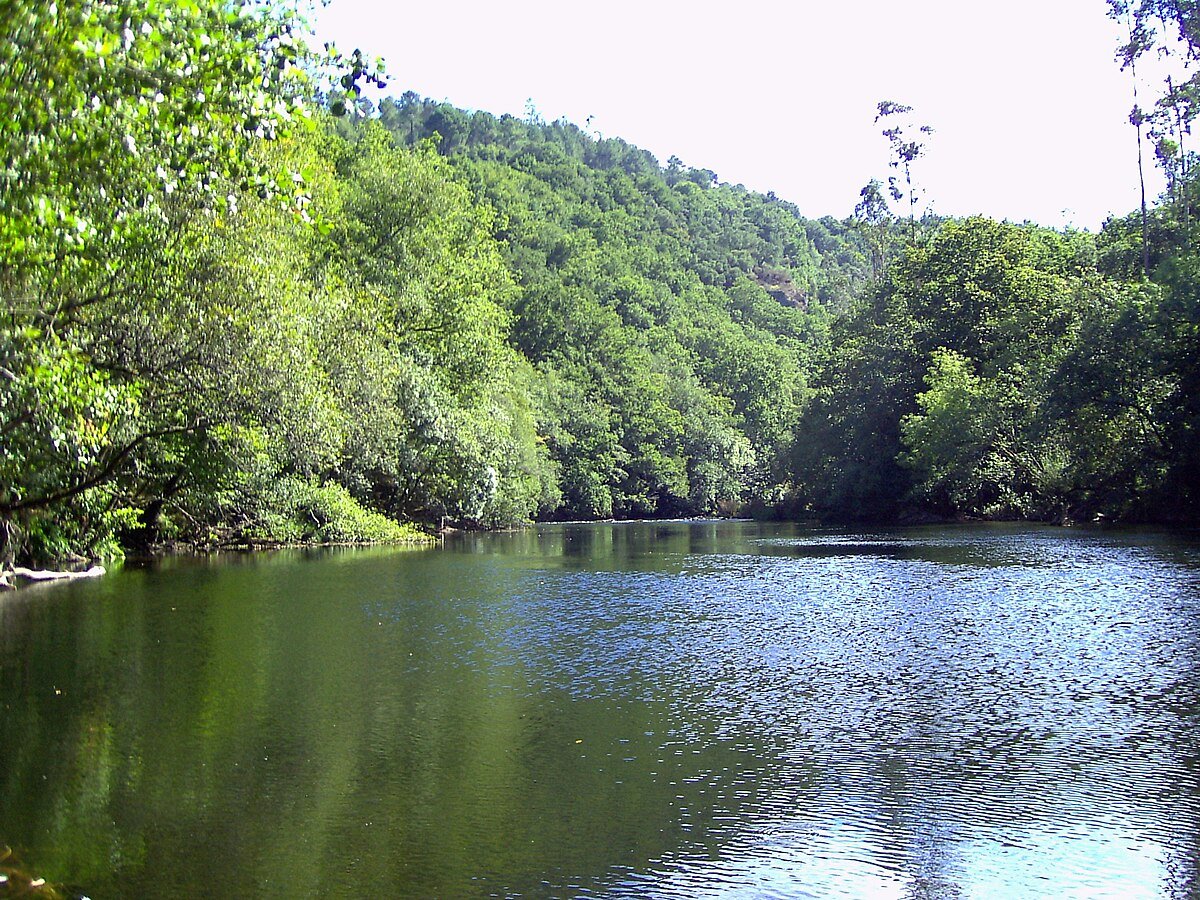
The scent of wet slate and cut grass hangs in the air long before you see the first house. Morning in Boqueixón is a quiet negotiation between mist and sunlight, the low cloud from the Ulla river slowly burning off to reveal black and white cows in pastures of an almost impossible green. This is a municipality of scattered parishes, not a single town. You come here for the space between places, for the sound of a tractor on a lane and the way granite walls hold the day’s warmth long after sunset.
Pico Sacro and Its Shadow
From most of the parishes, a dark silhouette breaks the horizon. Pico Sacro is a blunt mass of rock that feels older than the hills around it. The ascent usually starts near A Granxa, following a track through eucalyptus woods before opening onto scrubland. The final stretch is steep, your boots scuffing on loose stone. Up close, the rock is a mosaic of lichen and weathered granite, cool to the touch even on a sunny day.
The small chapel of San Sebastián at the summit smells of damp wool and cold wax. The view is what draws people from Santiago, especially on weekends—a broad sweep of the Ulla valley, tiny hamlets like grains of pepper scattered across the green. But come on a weekday, or better yet, on one of those frequent days when the fog rolls in. Then the mountain becomes an island, silent except for the wind hitting the chapel door. The cars parked below feel irrelevant.
Parish Churches and Daily Rhythms
You will not find a grand cathedral here. The churches are woven into the fabric of working villages. The Romanesque church in A Granxa has walls so thick they mute all sound from outside; its Baroque altarpiece only catches light for a brief hour in the late afternoon. In Pousada, the bell tower of San Lourenzo has a perceptible lean when viewed from the path below.
These are not museums. You might find the door locked, or open because someone is inside arranging flowers for a local festa. A cruceiro stands at a crossroads, its stone base worn smooth by weather. Visiting requires patience and a willingness to accept that you are moving through someone else’s daily geography. The backdrop is always agricultural: the apse of a church overlooking a field where horses graze, the sound of a chainsaw from a nearby woodlot.
A Table Shaped by the Valley
The Ulla valley dictates what grows and what is cooked. In autumn, a faint, sweet smell of fermentation drifts from small lagares where families press their grapes. This is also the season for aguardiente, a clear spirit distilled from the pomace; it’s a private tradition, not something advertised, often shared among neighbors after the harvest.
The food follows a familiar Galician pattern, but with a specific weight and texture here. Empanada dough is made with manteca, giving it a flaky, substantial crust. In winter, you might smell lacón con grelos boiling in kitchens, or wood smoke from a chimney where chorizo is being cured. This is cooking as necessity and continuity, not performance. What you eat spent its life in the fields you just walked past.
A Practical Sense of Place
Come in May when the gorse flowers, or in October when the mornings are misty and the afternoons are clear gold. Avoid August weekends if you dislike traffic; the proximity to Santiago means Pico Sacro’s narrow access roads become clogged with cars.
Wear boots that can handle muddy farm tracks and sudden inclines. Carry a layer—weather shifts quickly when clouds push up from the river. Do not expect a neat circuit of attractions. Boqueixón is best understood by slowing down: waiting for the fog to lift on the mountain, noticing how the light turns church stone from grey to honey, listening for the bell from Pousada marking another hour gone in this quiet corner of Galicia.