Full Article
about Teo
Ocultar artículo Leer artículo completo
The first thing you notice is the smell of silage drifting across the lane, followed by the sound of a tractor reversing somewhere behind the stone houses. This isn't the Galicia of travel brochures—no dramatic coastline here, no chest-beating Celtic pride. Teo is what happens when a city spills into farmland and nobody quite decides where one ends and the other begins.
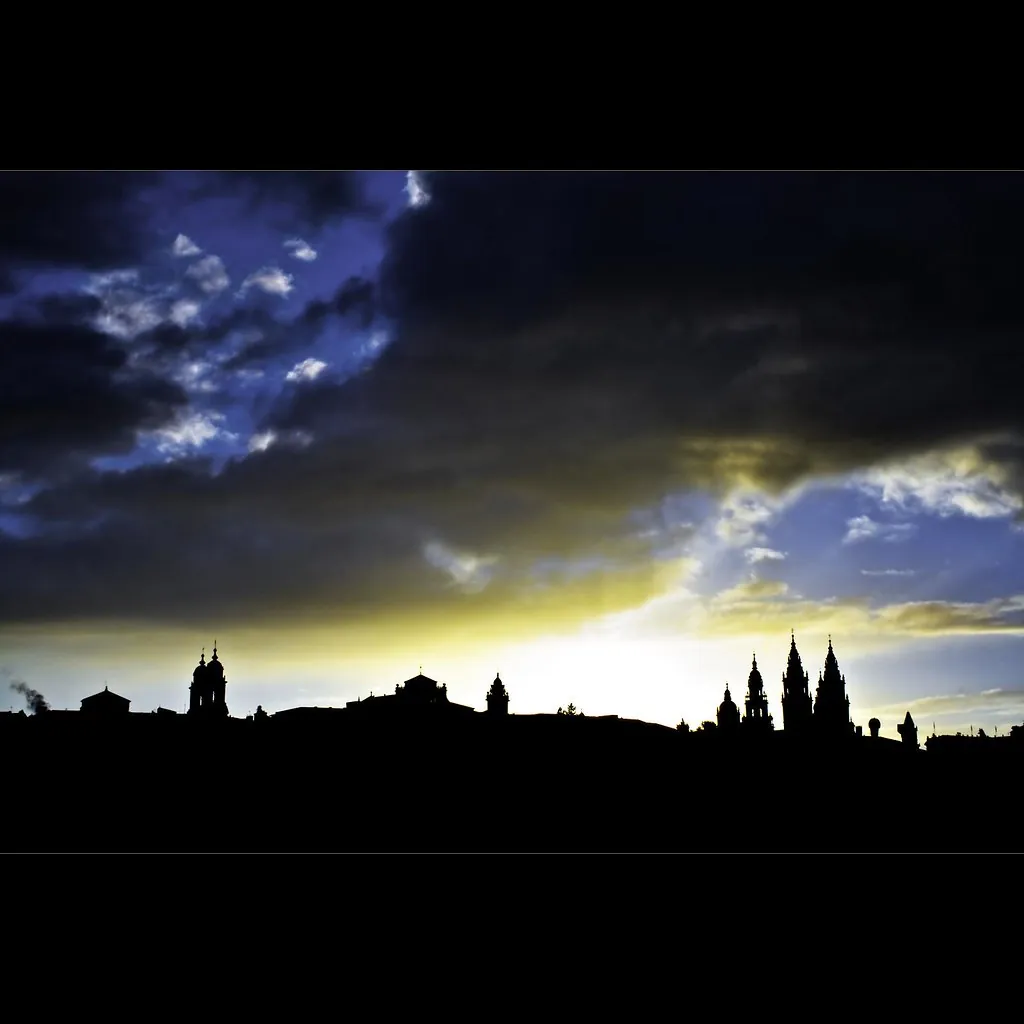
Fifteen kilometres southwest of Santiago de Compostela, this scatter of parishes and smallholdings sits in the kind of landscape that British walkers will recognise from the Welsh borders: rolling hills, damp hedgerows, sudden views of distant bell towers. The difference is the temperature—mild enough in spring and autumn, but July and August can hit 35°C, turning the valley lanes into sun-traps that feel more Mediterranean than Atlantic.
Between Parish and Pasture
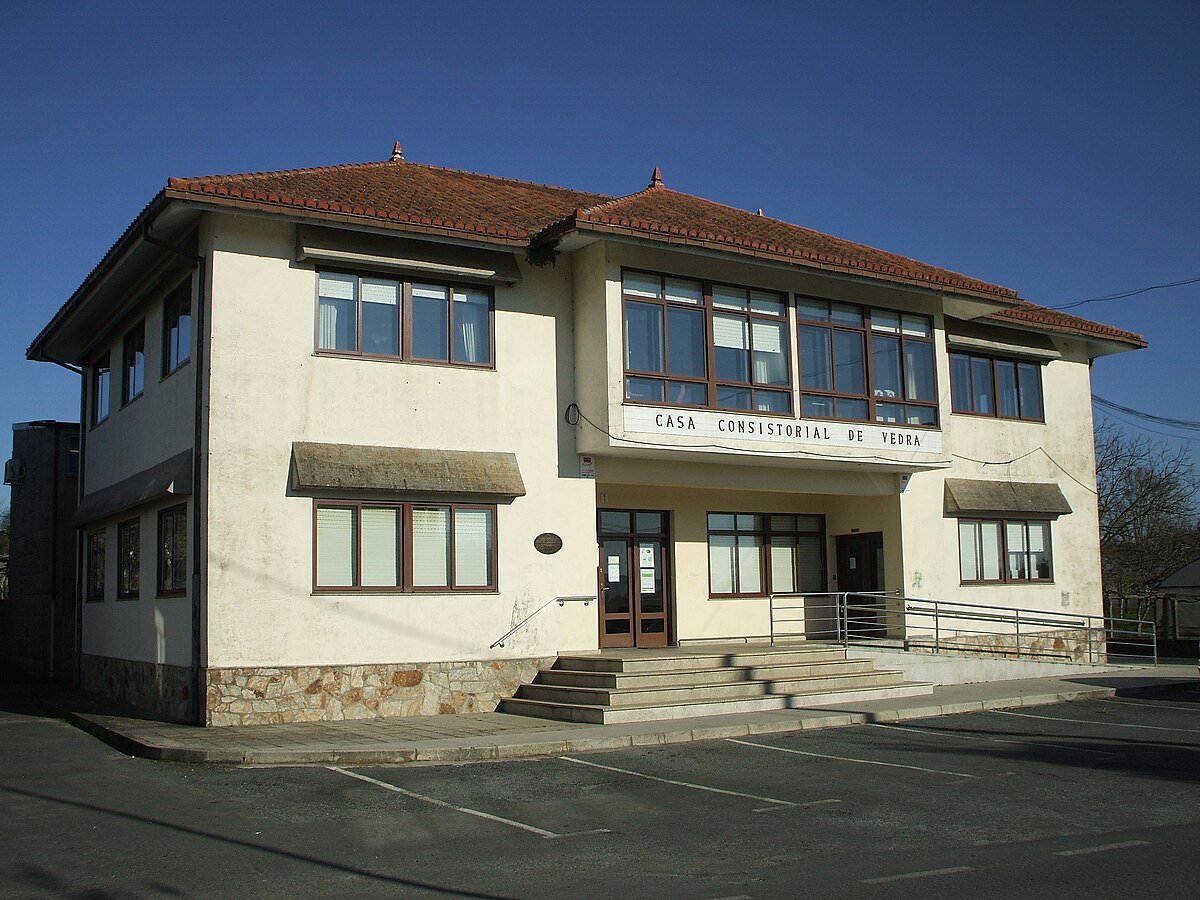
There is no centre to speak of. The council offices squat beside a roundabout on the N-550, next to a tyre fitters and a café that opens at 6 am for farmers' breakfasts. Tourists looking for a photogenic plaza will be disappointed; Teo is a municipality of 54 separate hamlets stitched together by secondary roads and footpaths that follow the Tambre and its tributaries. The best strategy is to pick a parish—Cacheiras, Raris, Luou—and simply start walking.
Santa María de Cacheiras is the usual starting point. The church is Romanesque in origin, patched up in the eighteenth century, and wrapped in a graveyard where lichen covers the tombs like green velvet. Inside, the altarpiece is heavy with gilt but the real pleasure is circumnavigating the building: stone walls warm to the touch, swallows nesting under the eaves, the sudden clank of a cow bell from the field opposite. Give the interior five minutes, then take the lane that drops past the old primary school towards the river. Within ten minutes you're on a dirt track with brambles on one side and the Tambre sliding past on the other. Kingfishers flash blue in winter; in summer the water shrinks to a polite trickle and you can see the rectangular slots where medieval mill wheels once turned.
San Martiño de Luou, three kilometres north, is smaller, darker, and usually locked. The key hangs in the bar opposite—walk in, order a coffee, ask for "la llave de la iglesia" and nobody blinks. The barrel vault is honest twelfth-century masonry; the porch smells of damp stone and altar wine. When you've seen enough, follow the camino markers westwards. This stretch of the Portuguese Way is quiet outside July: the odd German pilgrim, a local couple power-walking, but mostly just the sound of your boots on gravel.
Eating Without the Santiago Mark-Up
Forget tasting menus. Teo runs on set lunches and roadside grills that open when the owners feel like it. The safest bet is A Noiesa Casa de Comidas on the main road—white-washed dining room, hand-written menu, mid-price cooking that steers clear of offal. Order the caldo gallego (a hearty greens-and-bean broth) followed by grilled sea bass; the wine list is short and local, prices hover around €14 for the three-course menú del día. Vegetarians survive on tortilla and salad; vegans should pack snacks.
Market day is Tuesday in the polideportivo car park. Producers arrive with eggs still feathered, tomatoes that actually taste of tomato, and cheese wrapped in cabbage leaves because clingfilm is for softies. Bring cash and a basket; most stalls shut by 1 pm.
Moving Around: Car Essential, Boots Useful
Buses from Santiago terminate at the council offices three times on weekdays, twice on Saturdays, never on Sundays. From there you face a 3 km walk to Cacheiras or an expensive taxi back to town. Hiring a car at the airport is simpler: the drive from Santiago takes twenty minutes on the AG-56, exit 14, then follow signs for Teo/Cacheiras. Parking is free and usually involves pulling onto a grass verge; don't block field gates or the farmer will let you know.
Cyclists can pick up the Via Verde do Tambre at nearby Ponte Maceira—an easy 15 km rail-trail that follows the river downstream. Mountain bikers head for the forest tracks above Ramil: steep climbs, eucalyptus shade, views back towards the cathedral spire on clear days. Walking leaflets exist but they're in Galician; the gist is "keep the river on your right and you'll be fine."
What the Brochures Don't Mention
Summer fiestas mean fireworks at 7 am and streets lined with plastic chairs. If you're staying within earshot, expect no sympathy from locals—"you should have come in May" is the standard reply. Conversely, November can be dreich: Atlantic fronts dump four inches of rain in a week, lanes turn to porridge, and every stream becomes a torrent. Pack proper waterproofs and boots you don't mind ruining.
English is thin on the ground. Younger bar staff cope; the generation that stayed behind to farm never needed it. Learn three phrases—"boa tarde" (good afternoon), "unha cervexa, por favor" (a beer, please), "cantó é?" (how much is it?)—and you'll be greeted with the sort of warmth that isn't performative.
Evenings wind down early. The last coffee is served around 9 pm; after that it's either the neon-lit pub on the roundabout (one tap, one lager, Lotto on Saturdays) or back to your rental. Most visitors base themselves in Santiago and day-trip, but if you want to stay, Casa Brandariz is a converted manor house with five rooms, a pool, and a resident donkey. Book direct; they answer emails in a mixture of Google-translate English and Galician optimism.
Take-It-Or-Leave-It Honesty
Teo won't change your life. There are no jaw-dropping views, no Michelin stars, no ancient mysteries to unlock. What you get instead is the rhythm of an agricultural suburb that never quite decided whether it was rural or urban: maize fields next to cul-de-sacs, octogenarians in black picking herbs from the verge while a hatchback blasts reggaetón past the chapel. Come when the gorse is flowering, walk until your boots are dusty, then sit in the shade with a €2 beer and listen to the combine harvester three fields away. If that sounds like a waste of a day, stay in Santiago. If it sounds like the sort of quiet honesty British countryside used to do before it priced itself out, you'll be fine here.