Full Article
about Padrón
Ocultar artículo Leer artículo completo
The first thing that strikes you about Padron isn't visual—it's olfactory. The air carries a faint scent of roasted green peppers drifting from bar kitchens, mingling with river mist from the Ulla. This is a town that announces itself through smell and taste rather than postcard views, which might explain why so many Camino walkers remember Padron more for what they ate here than what they saw.
A Town That Works for Its Living
Padron sits fifteen miles southwest of Santiago, close enough for an easy day trip yet far enough to avoid the tidal wave of pilgrims that engulfs the cathedral city. The railway station—a modest two-platform affair—drops you opposite the house where Rosalía de Castro wrote some of Spain's most celebrated poetry. It's a fitting introduction to a place where culture and daily life overlap without ceremony.
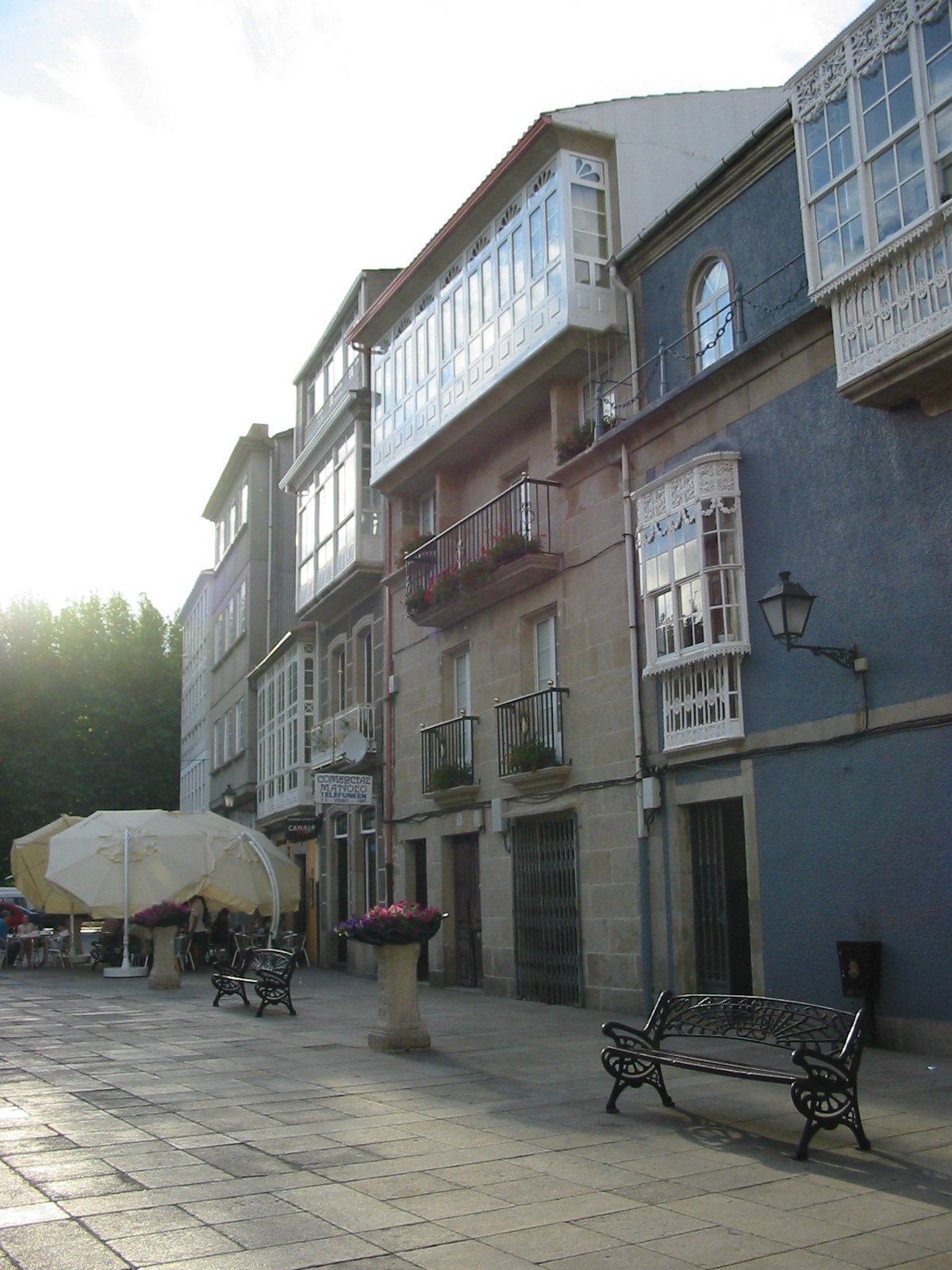
The town centre unfolds along the riverbank in a series of arcaded streets that have sheltered traders since medieval times. These stone galleries aren't preserved for tourists; they're still the preferred route for locals dodging Galicia's frequent showers. Underneath, shopkeepers sell everything from hardware to hake, while upstairs, laundry flaps from wrought-iron balconies. The whole arrangement feels organic rather than curated, which makes a refreshing change from Spain's more self-consciously historic towns.
Wander uphill from the river and you'll discover why Padron punches above its weight culturally. Two Nobel laureates called this place home: poet Rosalía de Castro and novelist Camilo José Cela. Their houses—now museums—sit within five minutes of each other, yet receive a fraction of Santiago's foot traffic. The Rosalía museum retains the family's furniture and personal effects, including the author's writing desk positioned to catch morning light. Entry costs three euros, and if you're lucky, you'll get a personal tour from the bilingual guide who switches effortlessly between Galician, Spanish and English depending on who's walked through the door.
The Pilgrim Connection
Padron's relationship with Santiago de Compostela runs deeper than geography. According to tradition, the boat carrying Saint James's body moored here before continuing upriver to its final resting place. The parish church displays a stone pedestal said to be where the apostle's disciples tied their vessel—though historians suggest it's more likely a Roman altar repurposed by medieval monks savvy about pilgrimage marketing.
Today's pilgrims arrive on foot via the Portuguese Camino, limping into town after twenty-kilometre stages from Caldas de Reis or Pontecesures. They cluster in the main square, comparing blister treatments and debating whether to order another plate of Padron peppers. The municipal albergue doesn't open until four o'clock, creating a daily bottleneck of backpack-wearing walkers filling time in riverside bars. Private hostels offer earlier check-in for those who can't face waiting until late afternoon.
The town has learned to accommodate these seasonal invasions without letting them define the place entirely. Yes, you'll see scallop shell waymarkers and pilgrimage paraphernalia, but Padron remains stubbornly normal. Grandmothers still dominate the early-morning café scene, discussing family politics over cortados while walkers sleep off yesterday's exertions.
Food Without Fanfare
Padron peppers need little introduction to British palates—they've become a tapas staple from London to Leeds. Here, they're not a novelty but a staple, served simply fried and salted, their mild-to-hot roulette providing conversation fodder for strangers sharing tables. A plate costs between four and six euros, roughly half what you'd pay in Britain, and tastes fresher than anything shipped north.
The Sunday market transforms the Espolon promenade into Galicia's liveliest food theatre. Stallholders arrive before dawn, setting up trestle tables groaning with produce that was in soil yesterday. Purple-veined turnip tops, still dewy from morning fields, sit beside wicker baskets of goose barnacles priced according to the previous day's catch. Locals shop with the focused intensity of people who've eaten this food since childhood, while visitors wander wide-eyed at ingredients they've never seen, let alone cooked.
River fish features prominently in local menus, particularly lamprey—an eel-like creature that migrates up the Ulla between January and April. Restaurants serve it stewed with rice, creating a dish that divides opinion sharply. The flavour is rich and muddy, reminiscent of good trout crossed with something more ancient. It's not for everyone, but trying it earns respect from waiters used to British tourists ordering only peppers and chips.
When the Weather Wins
Galicia's reputation for rain is earned rather than exaggerated, and Padron receives its full share. The Ulla swells dramatically after heavy storms, sometimes bursting its banks to flood riverside paths and ground-floor flats. Locals take this in their stride, moving cars to higher ground and shrugging about insurance claims over mid-morning coffee.
Summer brings different challenges. Temperatures might only reach the mid-twenties, but humidity makes walking feel more strenuous than the thermometer suggests. The siesta tradition isn't cultural affectation here—it's survival strategy. Between two and five, shutters close and streets empty, creating an eerie calm punctuated only by river birds and the occasional lost pilgrim searching for open supermarkets.
Spring and autumn provide the sweet spot. April brings wild irises blooming along the riverbank, while October offers crisp mornings perfect for walking without sweating through your shirt. These seasons also avoid the Camino's peak months, meaning accommodation is easier to find and restaurants less rushed.
Practical Realities
Getting here is refreshingly straightforward. Trains run twice hourly from Santiago, taking twenty-five minutes and costing under four euros. The station sits five minutes from the old centre—no taxi required unless you're laden with luggage. Drivers will appreciate the underground car park beneath Espolon promenade, free on Sundays and after 2 pm weekdays.
Timing visits requires more thought. Museums and churches observe Spanish closing hours religiously—shut between two and four, sometimes five. Plan lunch during closures rather than fighting against them. Sunday's market makes Saturday night accommodation scarce and more expensive, so book ahead if you want to experience the week's best food shopping.
Cash remains king in Padron's smaller establishments. Many bars and the Rosalía museum don't accept cards, leaving unprepared visitors washing dishes or hunting for ATMs. The nearest cashpoint sits on the main square, but it occasionally runs out of money during festival weekends—another reason to arrive prepared.
Padron won't overwhelm you with grandeur or exhaust you with attractions. Instead, it offers something increasingly rare in modern tourism: a functioning small town where visitors slot into existing rhythms rather than dictating them. Come for the peppers, stay for the poetry, leave understanding why some places don't need to shout about their charms.

