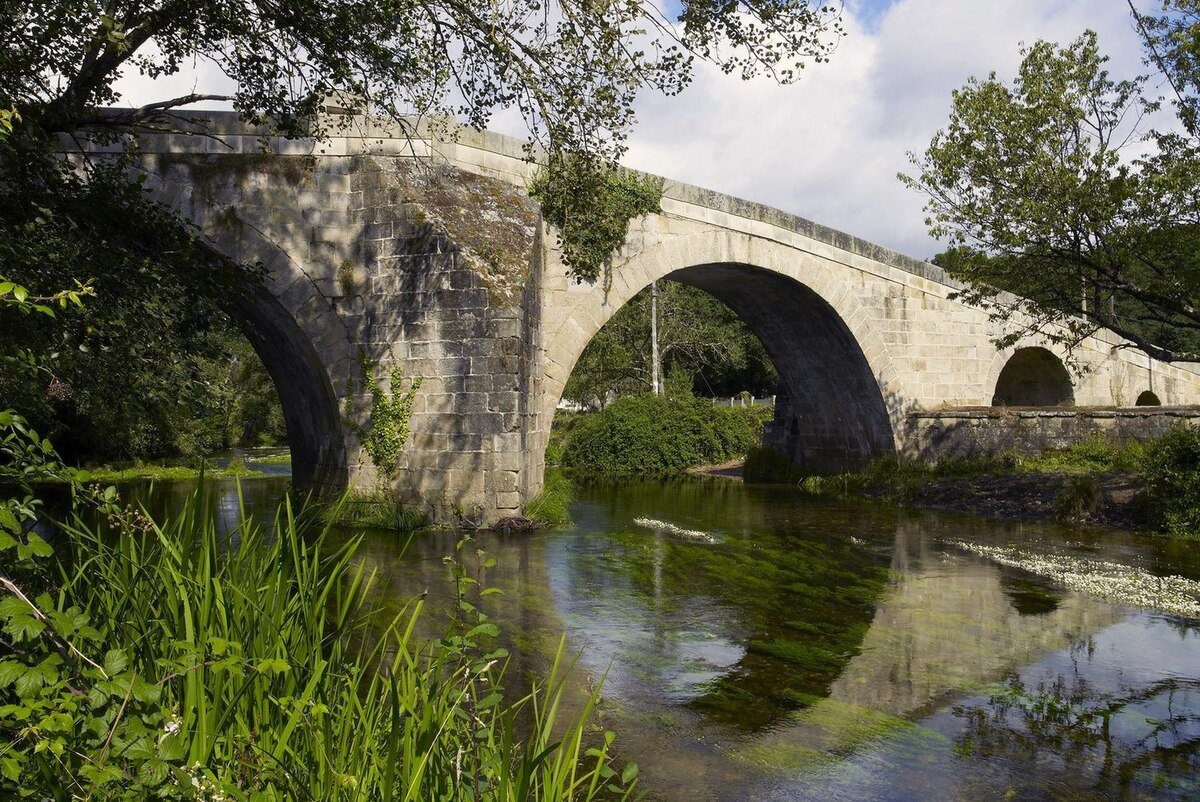
Ponte da Carracedo.jpg
Vaca Frisona · CC0
Galicia · Magical

Láncara

The stone fountain outside San Salvador church still runs winter and summer. A woman fills a plastic jug, hoists it into a hatchback and drives off...

2,489 inhabitants · INE 2025
m Altitude

Why Visit

Best Time to Visit

summer

Full Article
about Láncara

Ocultar artículo Leer artículo completo

The stone fountain outside San Salvador church still runs winter and summer. A woman fills a plastic jug, hoists it into a hatchback and drives off before you’ve worked out where to park. No souvenir stall, no interpretive board—just water, gravity and a routine older than the church itself. That single scene tells you most of what you need to know about Láncara: people live here first, visit second.

A Parish, Not a Postcard

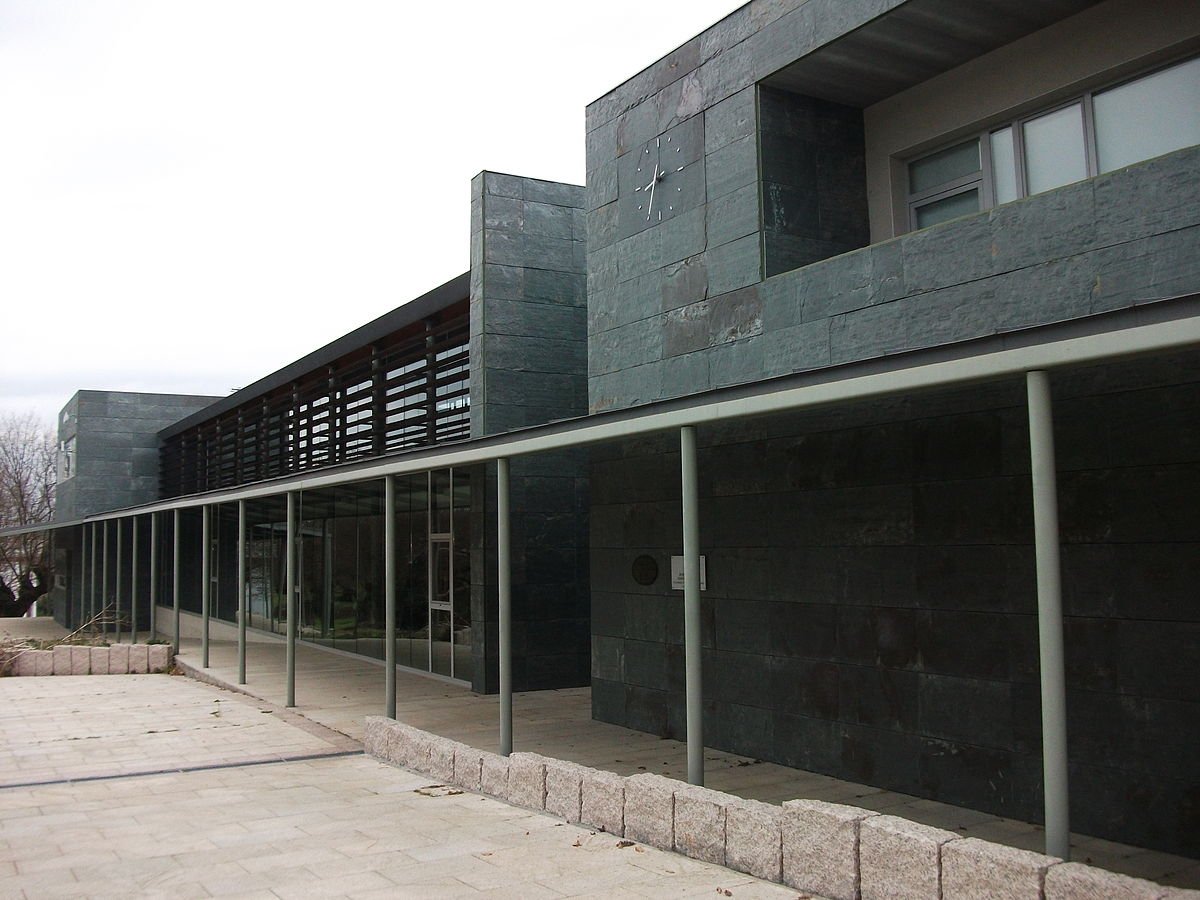
Láncara isn’t a village in the chocolate-box sense; it’s a municipality of 5,000 souls scattered across fifteen parishes. The council seat is a low-rise administrative block beside the LU-633, the kind of road that feels as if it was designed to connect places rather than showcase them. Expect stone houses with russet roof tiles, vegetable plots enclosed by slate fences, and the occasional corrugated-iron barn that keeps the agrarian fantasy honest. Bagpipe music drifts from upstairs windows on festival days—Galician gaita, not Andalusian flamenco—reminding British ears that Spain can sound remarkably Celtic.

The “sights” are rationed and spread out. The Romanesque church of San Salvador sits at the geographical centre, its bell tower more functional than elegant. Inside, the air smells of wax and damp hymn books. A 14th-century crucifix hangs above the altar, but there’s no ticket desk or donation box pressuring you to pay for the privilege of looking. Walk twenty paces from the porch and you’ll meet a cruceiro—one of those carved stone crosses that mark medieval boundaries—half swallowed by moss. That’s the entire heritage quarter. If you need more, you’ll have to drive.

Why the Hire Car Matters

Public transport reaches Láncara once a day: a morning bus from Lugo that turns round at lunchtime. Miss it and the pavement rolls up. A petrol station is equally mythical; fill the tank in Lugo where you’ll also find the nearest cash machine that accepts British cards. From Lugo it’s 28 km, a 25-minute glide along the LU-633 through dairy country. The road climbs gently to 550 m, high enough for bracken to outnumber palm trees, then drops into the valley where Láncara spreads itself thin. Phone signal dies in the dips—download offline maps before you leave the A-6 motorway or you’ll be navigating by church tower and guesswork.

The Camino’s Quiet Shoulder

The French Way of the Camino de Santiago clips the municipal boundary for 6 km. Dawn walkers appear in reflective jackets, head-torches bobbing like glow-worms. By ten o’clock the path has the atmosphere of a rural rush hour: Spanish retirees with carbon-fibre poles, German students arguing over Spotify playlists, the lone Brit who thought September would be quiet. Láncara offers no albergue, so most pilgrims march straight through, pausing only to photograph a hayrick crowned with storks. If you fancy a taster, park at the roadside lay-by east of the N-540 and follow the scallop-shell markers for an hour through oak and chestnut. Turn back when the track meets the river; beyond that point you’re committed to Sarria, another 12 km away.

Lunch Without a Language Barrier

Bars are thin on the ground and they close the kitchen by 15:30. The safest bet is the café attached to the petrol-less service station on the main road. Order caldo gallego—a broth of potatoes, white beans and ham hock that tastes like a Spanish cousin of Scotch broth. Follow it with an empanada slice; choose chicken if octopus feels a stretch after the drive. Vegetarians can fall back on Spanish tortilla, reliably served warm and the thickness of a doorstep. Beer comes in 200 ml bottles called quintos, just enough to wash down lunch without inviting a siesta at the wheel. Pay at the counter—contactless works, but the machine sometimes sulks abroad, so carry a ten-euro note as insurance.

Castro Country—But Don’t Expect a Museum

Genealogy buffs arrive hunting the Castro family homestead: a squat stone cottage on the edge of the parish of San Román, birthplace of Ángel Castro, father to Fidel. Plans for a small museum surface in the Spanish press every five years, yet the house remains a private residence with a modest plaque. You can photograph the exterior, but the gate stays locked and the current owners value their privacy. Check with Lugo tourist office if a guided visit has finally materialised, otherwise treat it as a five-minute detour rather than the day’s centrepiece.

Walking Without Way-Markers

Official hiking routes don’t exist; instead you string together pistas—concrete farm tracks wide enough for a tractor. One gentle circuit starts at the church, follows the tarmac past stone granaries on stilts (hórreos) and drops to the Sarria river meadows where hay is still cut with scythes. Allow ninety minutes, carry waterproof boots after rain; the clay sticks like red Devon mud. Maps.me marks the tracks accurately, but junctions can puzzle—when in doubt, head for the tallest eucalyptus; it usually grows beside a farmhouse where someone will point the way back to the road.

Seasons, Silence and Sunday Shutdown

April–May turns the hills an almost unnerving green; gorse flowers scent the air with coconut and the temperature hovers either side of 15 °C—ideal walking weather. October repeats the trick, adding chestnuts you can gather from the verge. Mid-summer nudges 28 °C but the altitude keeps nights cool; come dawn or dusk to avoid both heat and pilgrim convoys. Winter is misty, atmospheric and slippery. If the weather closes in, switch to a driving itinerary: church-hop between San Salvador, Santa María in Pascais and San Román, collecting crucifixes and cemetery stories, then retreat to Lugo’s Roman walls for a late lunch.

Remember that rural Spain still observes the Sunday shutdown. Bars open for morning coffee, but by 14:00 the rollers go down and the village returns to washing cars and pruning vines. Pack fruit and a bottle of water or you’ll be grazing on the emergency travel biscuits.

The Honest Verdict

Láncara will never compete with the cathedral squares of Santiago or the seafood platters of Cambados. What it offers instead is a calibration exercise: a place to reset your sense of scale, distance and time. Drive slowly, greet the retired men on the bench outside the multi-services shop, accept that the biggest spectacle is a stork landing on a telegraph pole. If that sounds like under-delivering, stay on the motorway. But if you’ve ever enjoyed a Sunday circuit of Northumberland hamlets, stopping only for a church open-door invitation and a chat about the rain, Láncara provides the Galician remix—same rhythm, warmer broth, and the faint possibility of bumping into a future museum of revolutionary lineage. Just don’t expect to buy a fridge magnet to prove you were here.

Key Facts

Region
Galicia
District
Sarria
INE Code
27026
Coast
No
Mountain
No
Season
summer

Livability & Services

Key data for living or remote work

2024
ConnectivityFiber + 5G
TransportTrain nearby
HealthcareHospital 26 km away
Housing~6€/m² rent · Affordable
CoastBeach 17 km away
January Climate6.6°C avg
Sources: INE, CNMC, Ministry of Health, AEMET

Planning Your Visit?

Discover more villages in the Sarria.

View full region →

More villages in Sarria

Traveler Reviews