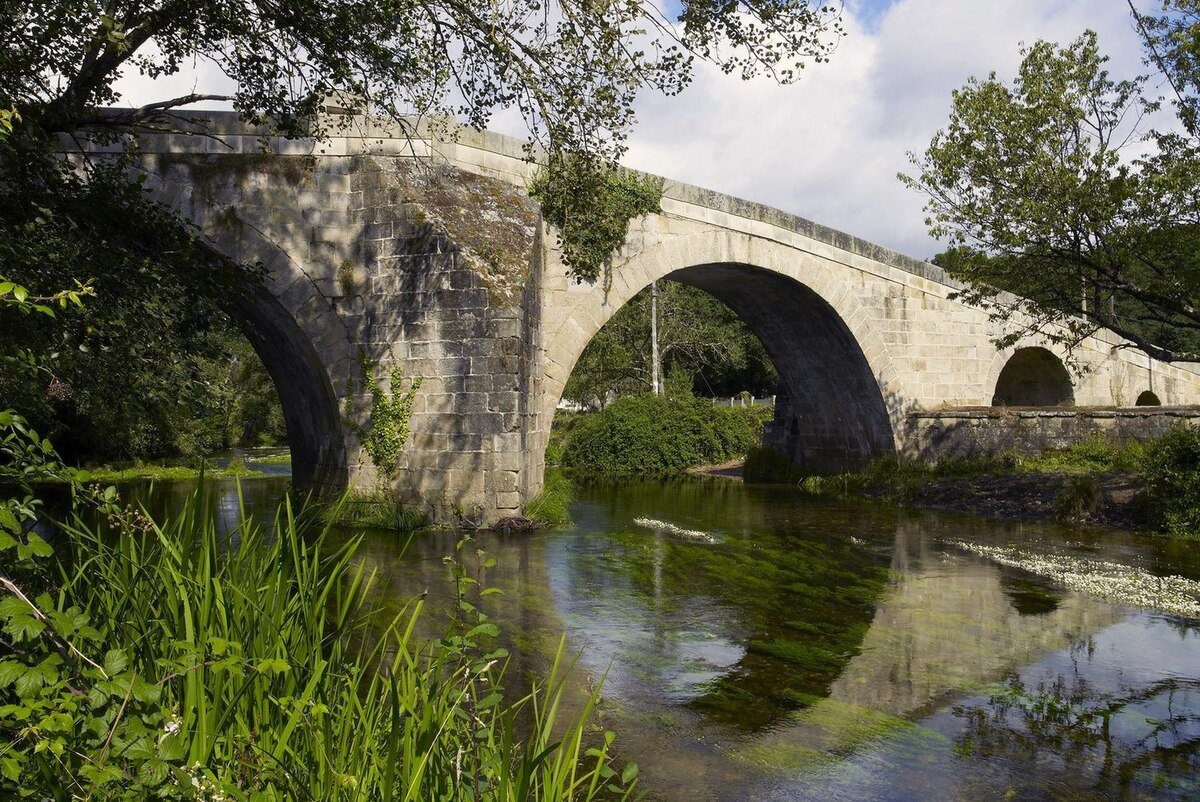
O Incio - Flickr
Calítoe.:. · Flickr 4
Galicia · Magical

O Incio

The road climbs past Sarria where the map turns wrinkled, and suddenly every bend reveals another stone house clinging to a ridge. This is O Incio,...

1,513 inhabitants · INE 2025
m Altitude

Why Visit

Mountain

Best Time to Visit

summer

Carnival Tuesday Marzo y Mayo

Festivals
& & Traditions

Fecha Marzo y Mayo

Martes de Carnaval, San Eufrasio

Las fiestas locales son el momento perfecto para vivir la autenticidad de O Incio.

Full Article
about O Incio

Ocultar artículo Leer artículo completo

The road climbs past Sarria where the map turns wrinkled, and suddenly every bend reveals another stone house clinging to a ridge. This is O Incio, 600 metres above sea level, a municipality strung across damp valleys rather than gathered around a square. One moment you're threading between slate walls and sweet-chestnut woods, the next the windscreen fills with cloud and the temperature drops five degrees before you've found second gear.

A Territory, Not a Town

Forget the usual Spanish village formula of church-plaza-bar. O Incio's 5,000 inhabitants live scattered across 24 parishes, and the "centre" is essentially the ayuntamiento car park beside the LU-633. Visitors looking for a tidy historic core feel lost; walkers who treat the whole landscape as the attraction feel immediately at home. Dry-stone walls divide tiny meadows, water trickles from moss-covered spouts, and every second farm seems to have both a rusting Renault 4 and a meticulously thatched horreo raised on stilts against mice.

Start at San Xoán de Orbazai, a 12th-century church with a matching stone cross and cemetery. There is no ticket desk, no audio guide, simply the smell of recently snuffed candles and a noticeboard advertising next Saturday's worming clinic for dogs. Stand still and you'll hear more languages from the graves (Latin, old Galician, a few 1930s Republican nods) than from any passing traffic.

What You're Really Here For

The architecture is everyday, not grand. Slate rooves thick enough to anchor a tractor, bread ovens tacked onto gable ends, communal washhouses fed by mountain streams. Between late October and early November the chestnut groves (soutos) turn bronze and locals disappear into them with woven baskets. If you're lucky you'll stumble on a magosto—an impromptu roast where chestnuts are scored on the bonfire, wrapped in newspaper and cracked open with the same knife used to cut pine kindling. Turn up with a bottle of something and you'll be welcomed; turn up expecting a staged show and you'll feel the chill far colder than the mountain air.

Walking routes exist, but they're working tracks rather than way-marked trails. A sensible plan is to park at the hamlet of Paderne (follow signs for "area recreativa") and follow the track upstream through oak and birch until the path narrows to a single-file groove above the Rego de Ferreiros. After rain you'll slither; after drought you'll wonder why the guidebook mentioned waterfalls. Both reactions are correct. Allow three hours there and back, carry water, and don't trust phone mapping—Valley geometry plays havoc with signal.

Seasonal Realities

Spring brings wild garlic and the first house martins; it also brings fog that can sit till lunchtime. Summer offers long daylight but midday heat on exposed forestry roads is brutal, and shade is rationed. Autumn is the sweet spot: clear mornings, chestnuts underfoot, mushrooms if you know your chanterelles from your death caps. Winter turns beautiful and slightly savage. The LU-633 is kept clear, yet side roads can ice over and stone cottages huddle behind closed shutters. Accommodation outside Sarria virtually shuts down, so day-trip from Lugo (45 minutes) rather than planning an overnight.

Rain is not an event; it's the default setting. Bring proper boots, not fashion-wellies, and accept that Galicians don't cancel life for drizzle. They simply add another layer, swap the morning coffee for orujo, and get on with it. Photographers after catalogue-blue skies usually leave disappointed; those who work with shifting light often produce the best shots of their trip.

Eating and Other Practicalities

There is no village restaurant strip. Instead, look for a hand-painted "comida casera" sign or follow tractors at 14:00 to the Bar O Cruce in Paderne where a two-course menú del día costs €11 and the wine arrives in a plain green bottle without label. Expect caldo gallego (white-bean broth), pork shoulder slow-cooked with bay, and tetilla cheese shaped like a breast because monks allegedly moulded it while fasting. Vegetarians can survive on tortilla and roasted peppers; vegans should pack sandwiches.

Shops are tiny and keep siesta hours. The supermarket in the parish of Ferreiros sells tinned octopus, rubber boots and nails by weight—handy if the slate path has claimed your soles. Bread vans tour on Tuesday and Friday mornings; listen for the horn rather than checking Google.

Staying overnight means rural houses (casas rurales) booked through the Xunta de Galicia website. Most sleep six, so solo travellers pay over the odds. A better tactic is to base yourself in Sarria where pilgrims on the Camino keep prices low and bars open late, then drive the 20 minutes to O Incio for daylight exploring.

How Not to Do It

The single biggest error is treating distance like an English B-road. Twenty kilometres here can swallow an hour once you've dodged a milk tanker, stopped for the neighbour's cows, and reversed 200 metres to the nearest passing place. Add extra time, keep petrol above half—village pumps close early—and never block a field gate when parking. Farmers won't clamp your wheels; they'll simply hook the trailer to the tractor and leave you looking for an alternate route through the brambles.

Second mistake: assuming nothing will be open out of season. Bars may look shuttered, yet push the door and you'll find three old men debating football and a coffee machine still warm. If the place really is closed, knock at the house opposite; someone will phone the owner who appears within five minutes, apron on, delighted for custom.

Finally, don't apologise for poor Spanish. Galician is the default in these parts, but people flip between languages mid-sentence. A simple "bos días" on entering and "grazas" when leaving earns more goodwill than fumbling through phrase-book Castilian.

Leaving Without the Checklist

O Incio won't give you selfies beside a medieval gate or a flamenco show. What it offers instead is the slow reveal: a valley suddenly cleared of mist, the smell of chestnut smoke drifting from an unseen chimney, an 80-year-old woman who insists you take the last handful of walnuts because "you're a guest". Turn up with time to spare, shoes you don't mind trashing, and the habit of looking sideways into sheds. You'll leave with your pockets full of prickly chestnut cases and a slightly better understanding of how mountain Galicia keeps ticking when the Camino crowds stay down in the valley.

Key Facts

Region
Galicia
District
Sarria
INE Code
27024
Coast
No
Mountain
Yes
Season
summer

Livability & Services

Key data for living or remote work

2024
ConnectivityFiber + 5G
TransportTrain 12 km away
HealthcareHospital 20 km away
EducationElementary school
Housing~5€/m² rent · Affordable
Sources: INE, CNMC, Ministry of Health, AEMET

Planning Your Visit?

Discover more villages in the Sarria.

View full region →

More villages in Sarria

Traveler Reviews